Machu Picchu by car via Hidroeléctrica: the budget route explained
The train is the classic way to Machu Picchu, but it is also the biggest expense of the trip. The alternative is the route by car via Hidroeléctrica: a long, scenic drive over a 4,316 m pass and down into the jungle, followed by a flat 11 km walk along the railway to Aguas Calientes. It takes more time and some legwork, and it costs much less. Here is how it works.
The route step by step
- Cusco to Ollantaytambo through the Sacred Valley.
- Abra Málaga (4,316 m), a high pass with glacier views, then a long descent through cloud forest.
- Santa María and Santa Teresa, warm valley towns where you stop for lunch.
- Hidroeléctrica, the hydroelectric station at the end of the road — about 5–6 hours of driving from Cusco in total.
- Walk to Aguas Calientes: 11 km on a flat path beside the railway and the Urubamba River, about 2.5–3 hours.
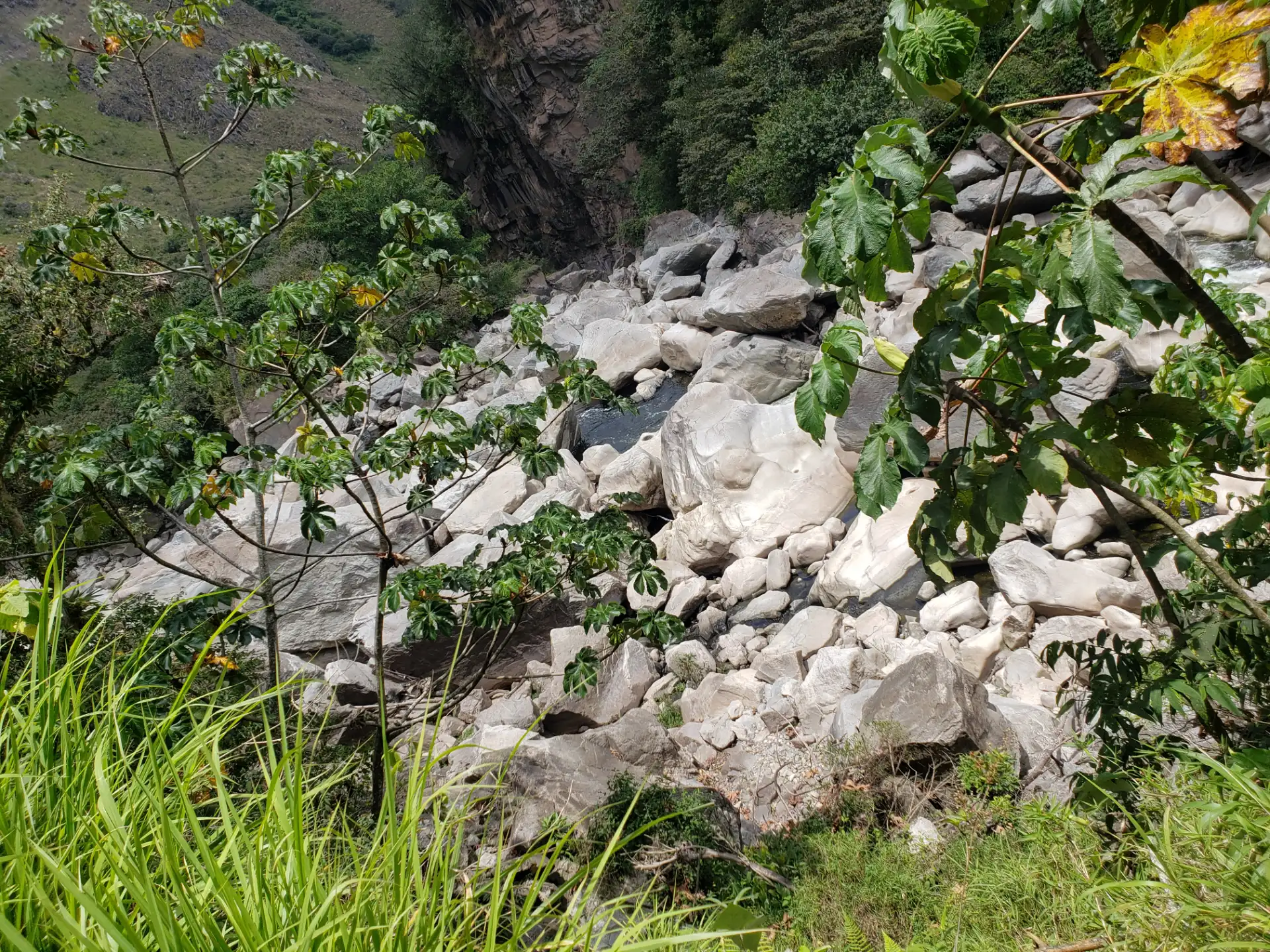
Two-day or three-day trip?
| 2 days, 1 night | 3 days, 2 nights | |
|---|---|---|
| Day 1 | Drive and walk to Aguas Calientes, hotel night | Same as the 2-day trip |
| Day 2 | Machu Picchu, walk back to Hidroeléctrica, van to Cusco (~6 h) | Machu Picchu, walk back, Cocalmayo hot springs, night in Santa Teresa |
| Day 3 | — | Return to Cusco (~6 h) |
| Our price from | US $209 | US $220 |
The 3-day version is less rushed: after the walk back from Machu Picchu you relax in the natural hot pools of Cocalmayo instead of facing a six-hour drive the same afternoon.
Machu Picchu on a budget
By car via Hidroeléctrica, with entrance, guide and hotel — from US $209.
Pros and cons
- Pros: much cheaper than the train; spectacular scenery from the high Andes to the jungle; a real sense of adventure; the walk is flat and easy to follow.
- Cons: long hours on a winding mountain road (bring motion-sickness tablets if you need them); an extra 11 km walk each way; less time to rest; not ideal for people with reduced mobility.
If comfort or time matters more than budget, the train day tour or the Sacred Valley + Machu Picchu in 2 days are better choices. Compare everything in how to get to Machu Picchu.
What our tours include
Transport, a guide for your group, a hotel night in Aguas Calientes, the bus up to and down from Machu Picchu, the official entrance ticket and lunch. Not included: the Cocalmayo hot springs entrance, Huayna Picchu (optional, extra cost), tips and personal expenses. As with every Machu Picchu visit, bring your original passport.
Tips for the route
- Pack light: you carry your bag on the 11 km walk, so a small backpack is best.
- Bring a headlamp in case the walk ends at dusk.
- Use insect repellent and sunscreen: the valley is hot and humid.
- Carry water and snacks for the walk; there are small shops along the way.
- Do not walk on the tracks: stay on the footpath beside the railway, as trains still run.
Frequently asked questions
About 11 km on a flat path beside the railway, which takes 2.5 to 3 hours.
About 5 to 6 hours, crossing the Abra Málaga pass at 4,316 m and descending through Santa María and Santa Teresa.
Yes, with an experienced driver. The road is long and winding, so travel with a reliable company and avoid driving at night.
Yes. Our 2-day route by car starts at US $209 including entrance, guide and hotel, while the train day tour starts at US $375.
Natural hot pools near Santa Teresa, included as a stop on our 3-day route. The entrance fee is paid locally.