Altitude sickness in Cusco: how to prevent it and feel good
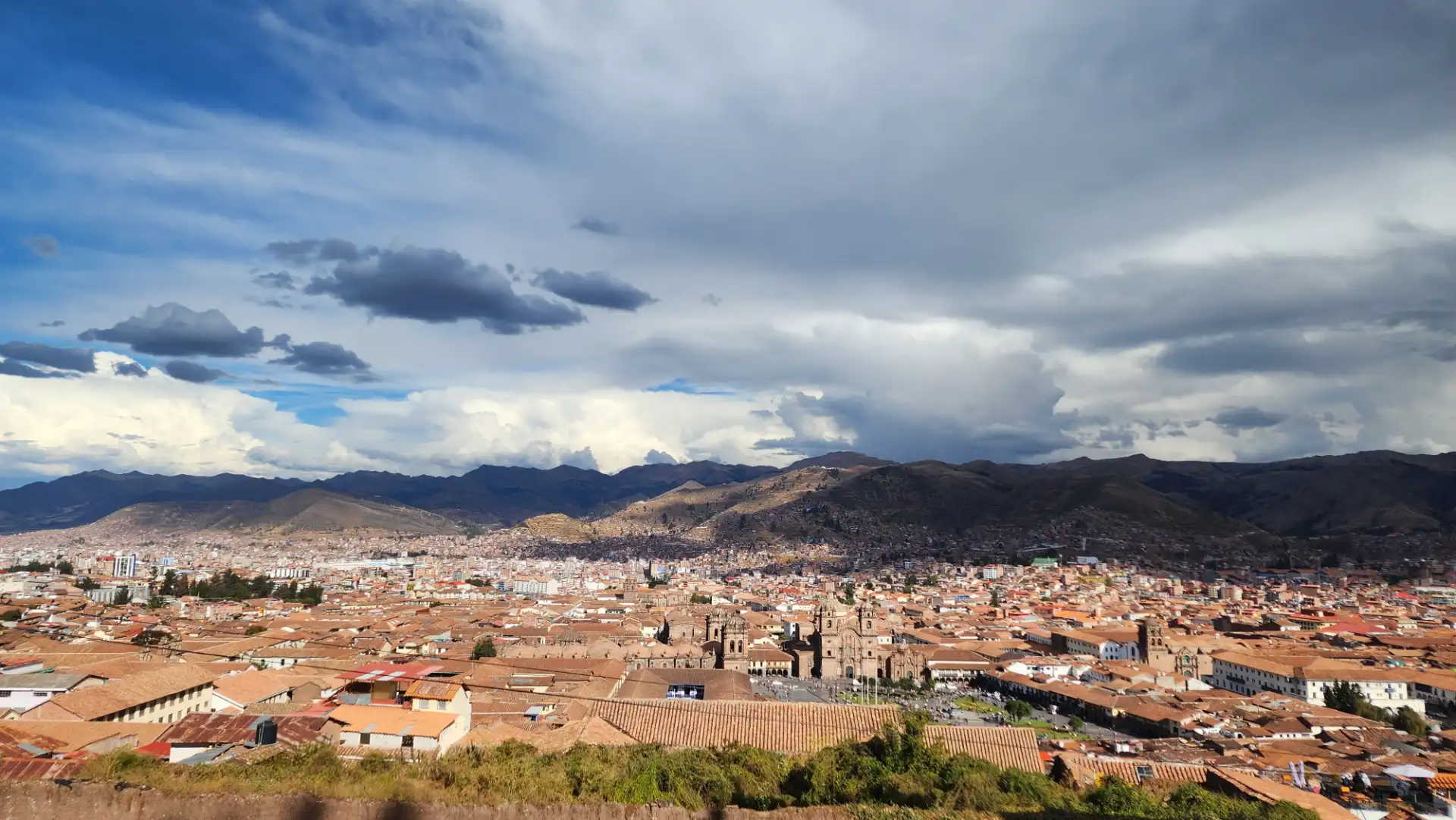
Cusco sits at about 3,400 m, and many of its best day trips climb well above 4,000 m. Mild altitude sickness — soroche, as locals call it — is very common during the first day or two and almost always passes on its own. Knowing what to expect, how to plan your first days and which warning signs to take seriously makes the difference between a rough start and a great trip.
What altitude sickness is and why it happens
At Cusco’s altitude each breath contains roughly a third less oxygen than at sea level. Your body adapts — you breathe faster, your heart works harder and, over days, you produce more red blood cells — but that takes time. Until it catches up, you may feel the effects of acute mountain sickness. It can affect anyone, whatever their age or fitness; being athletic does not protect you, and going too fast is the main risk factor.
Common symptoms
- Headache, often the first sign
- Tiredness and lack of energy
- Shortness of breath when walking uphill or climbing stairs
- Mild nausea or loss of appetite
- Dizziness
- Poor sleep during the first nights
Symptoms usually appear 6 to 24 hours after arrival and improve within one to three days as you acclimatize. Rest, water and a slow pace are normally all you need.
Planning a high-altitude day?
We build acclimatization into every itinerary and carry oxygen on every tour.
Warning signs: when to act immediately
Rarely, altitude sickness becomes serious. Descend and get medical help without delay if you or someone in your group shows:
- A severe headache that does not improve with rest or painkillers
- Repeated vomiting
- Confusion, unusual behaviour, extreme drowsiness or loss of balance
- Breathlessness at rest, a persistent cough or chest tightness
Do not continue upwards with these symptoms. Tell your guide straight away: our guides carry oxygen and a first-aid kit on every tour and trek, and will organize the descent.
How to acclimatize the right way
- Take it easy on day one. Walk slowly, rest in the afternoon and avoid big hikes.
- Consider starting lower. Spending your first night or two in the Sacred Valley (≈2,870 m) is a gentle introduction.
- Climb in steps. Do a lower day trip before high ones: Sacred Valley first, then Humantay Lake or Palcoyo, and Rainbow Mountain last.
- Allow at least two full days in Cusco before anything above 4,000 m, and three or more before a multi-day trek.
| Place | Altitude | What to expect |
|---|---|---|
| Machu Picchu | 2,430 m | Comfortable for almost everyone |
| Sacred Valley (Urubamba) | ≈2,870 m | A gentle place to start |
| Cusco | ≈3,400 m | Mild symptoms common on days 1–2 |
| Humantay Lake | ≈4,200 m | Short, steep hike — acclimatize first |
| Dead Woman’s Pass (Inca Trail) | 4,215 m | Hard effort, short exposure |
| Salkantay Pass | 4,600 m | Demanding — needs good acclimatization |
| Palcoyo | ≈4,900 m | Easy walk, but very high |
| Rainbow Mountain (Vinicunca) | ≈5,030 m | Very high — go slowly |
Simple habits that help
- Drink plenty of water — the air is dry and you lose more fluid than you notice.
- Eat light, carbohydrate-rich meals, especially in the evening.
- Avoid alcohol during the first 48 hours and the night before a high day trip.
- Sleep well and do not underestimate early starts: tiredness makes symptoms worse.
- Coca tea (mate de coca) is the traditional Andean remedy and is offered in most hotels; many travellers find it helps with mild symptoms. Note that coca can show up in drug tests for several days.
Medication and oxygen
Some travellers take acetazolamide (Diamox) to speed up acclimatization, and some use ibuprofen or paracetamol for headaches. Whether any medication is right for you is a decision for your doctor — ideally a travel-medicine specialist — before the trip, especially if you take other medicines, are pregnant or have heart or lung conditions. Many hotels in Cusco have oxygen available, and on our tours the guide always carries it.
Planning tours around the altitude
Put your highest excursions at the end of your stay. A typical, comfortable order is: city and Sacred Valley first, Machu Picchu (lower, at 2,430 m) in the middle, and Rainbow Mountain or Humantay towards the end. Our article on how many days to spend in Cusco includes sample itineraries. If you have very little time, the Rainbow Mountain ATV Express or Palcoyo involve far less walking at altitude than the classic hike.
Frequently asked questions
Mild symptoms usually appear within the first day and improve in one to three days as your body adapts. If they get worse instead of better, see a doctor.
At least two full days in Cusco, ideally three, with a lower day trip such as the Sacred Valley before it.
It is the traditional Andean remedy and many travellers find it eases mild symptoms. It is not a substitute for acclimatizing gradually.
That is a medical decision. Ask your doctor before you travel; they will tell you whether it suits you and how to take it.
No. Machu Picchu is at about 2,430 m, roughly 1,000 m lower than Cusco, so most people feel better there.
Yes, many families do. Children can also be affected, so plan a gentle first day, keep them hydrated and check with your paediatrician before the trip.