
3 Days
Daily Tour
14 people
English, Espanol, Portuguese

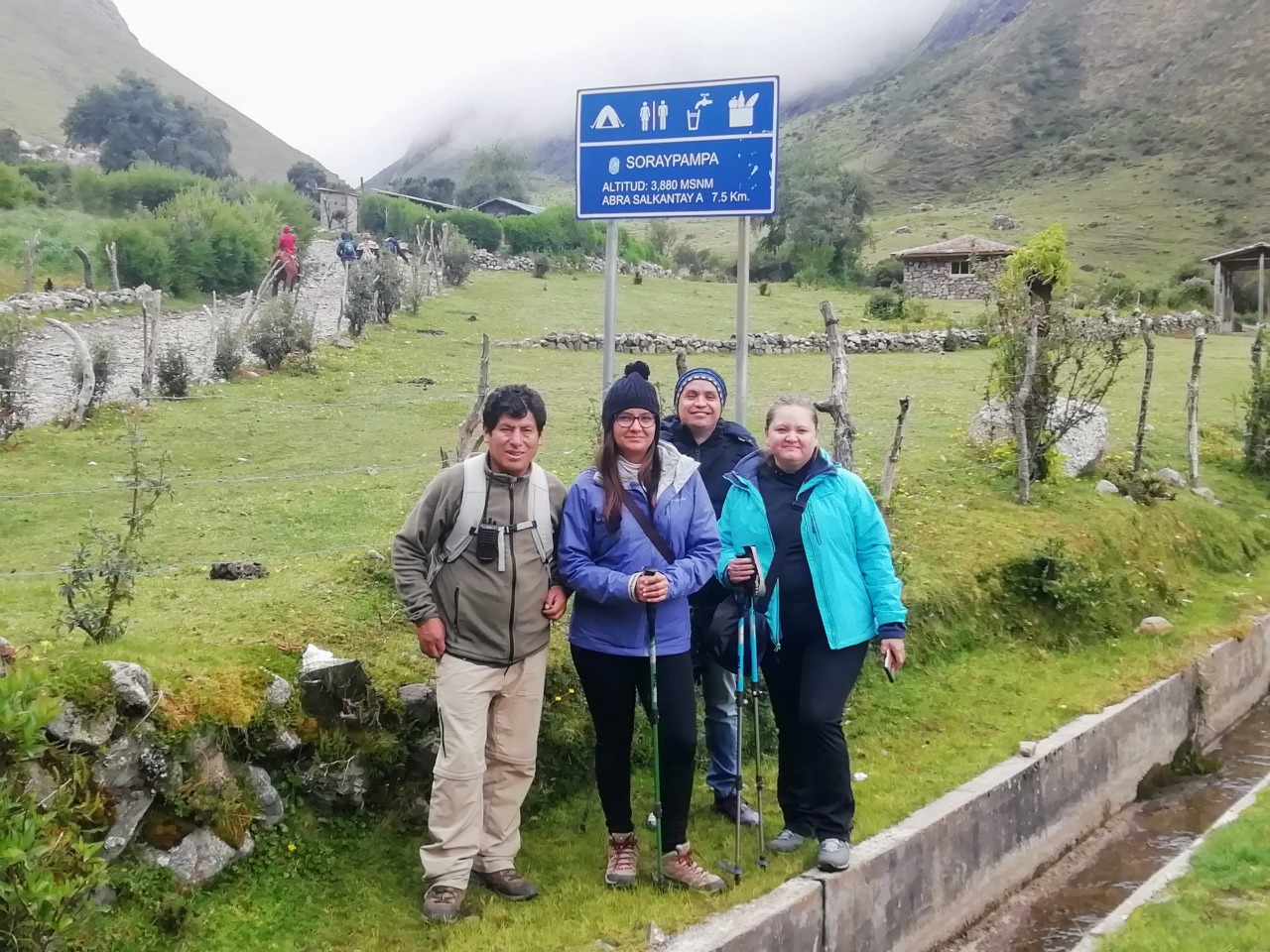
We'll pick you up at your hotel in Cusco (3,400 m) at 4:00 a.m. and then take you on a private ride to Soraypampa (3,850 m), where we'll start the Salkantay Trek. The ride will take 3.5 hours. When we get there, we'll have breakfast before we start the hike.
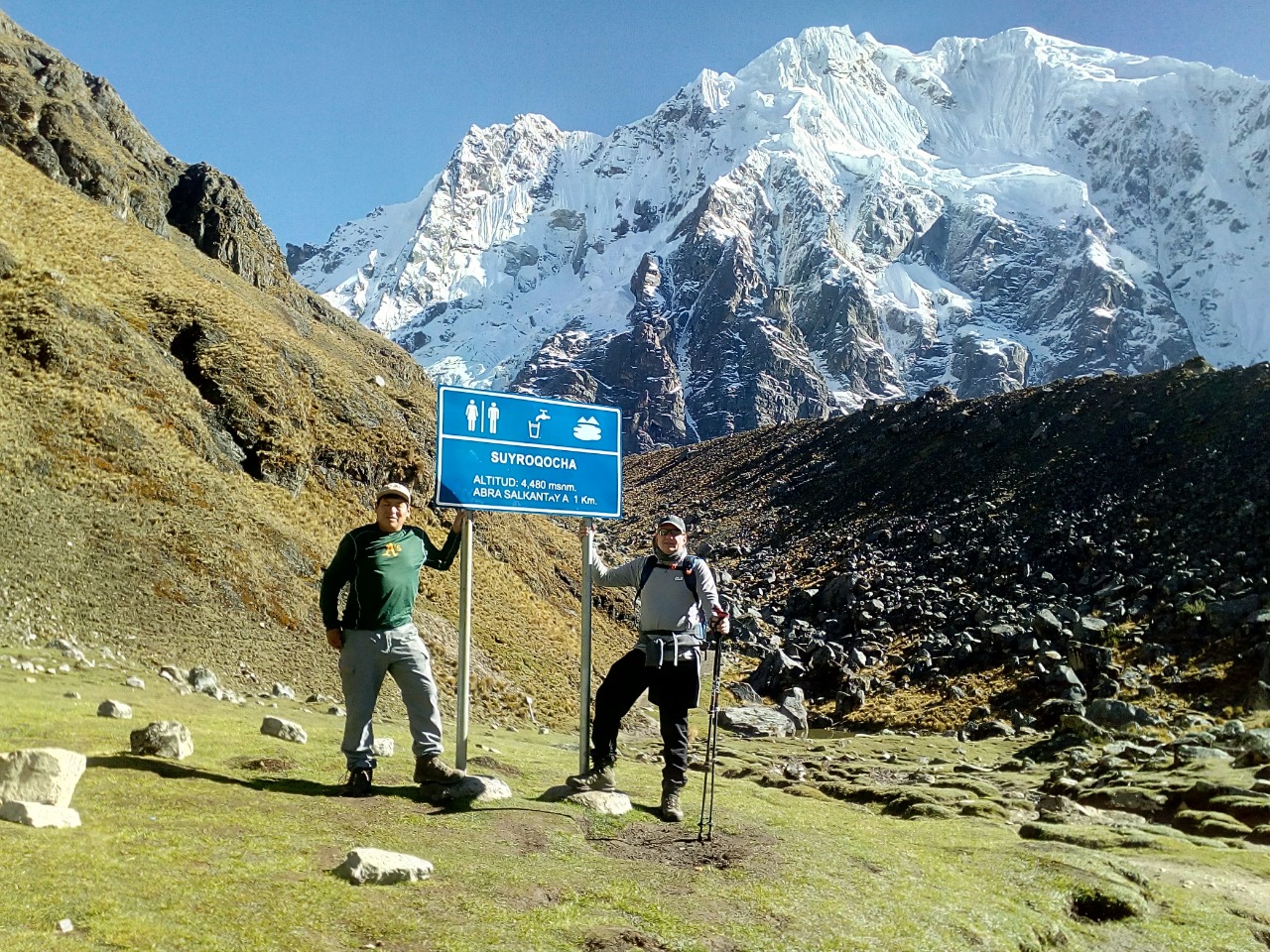
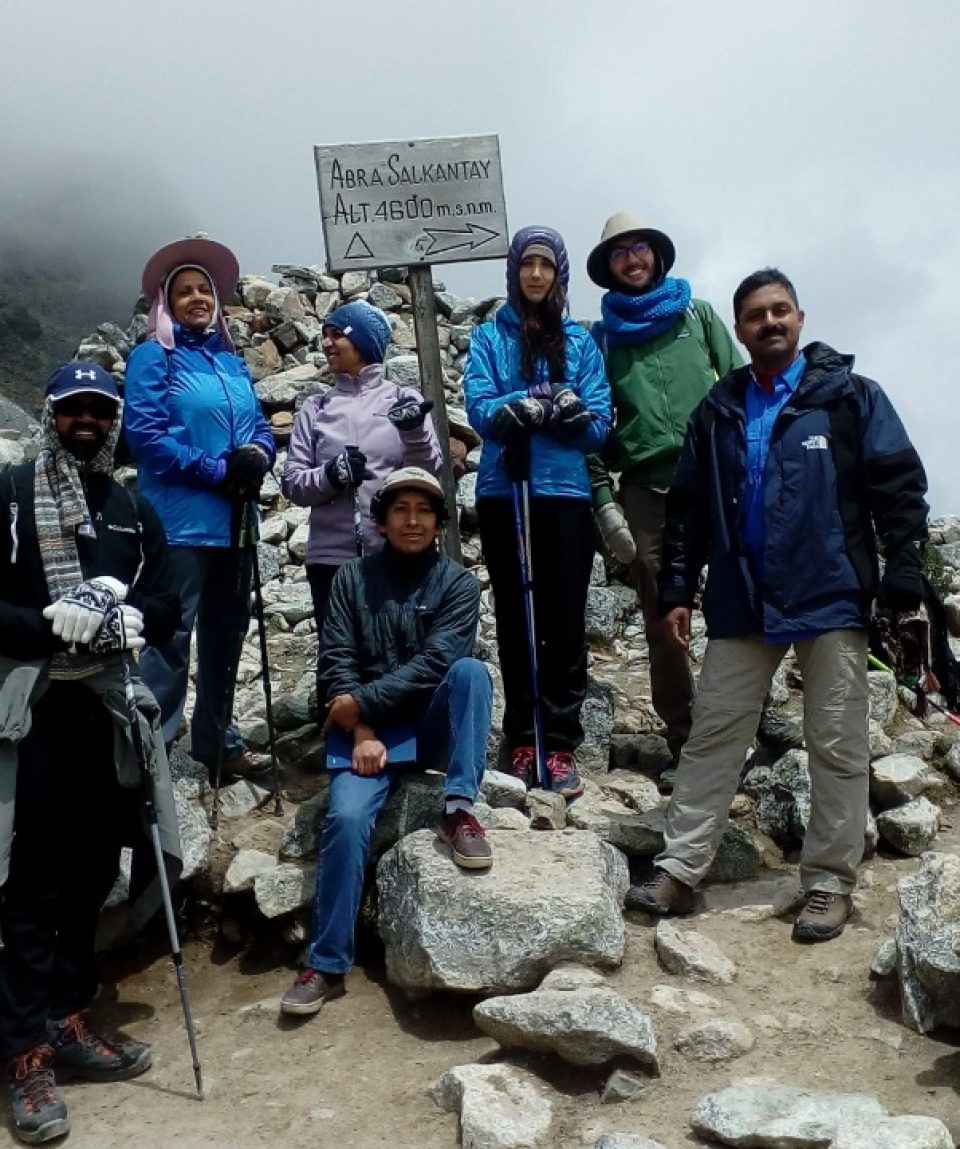
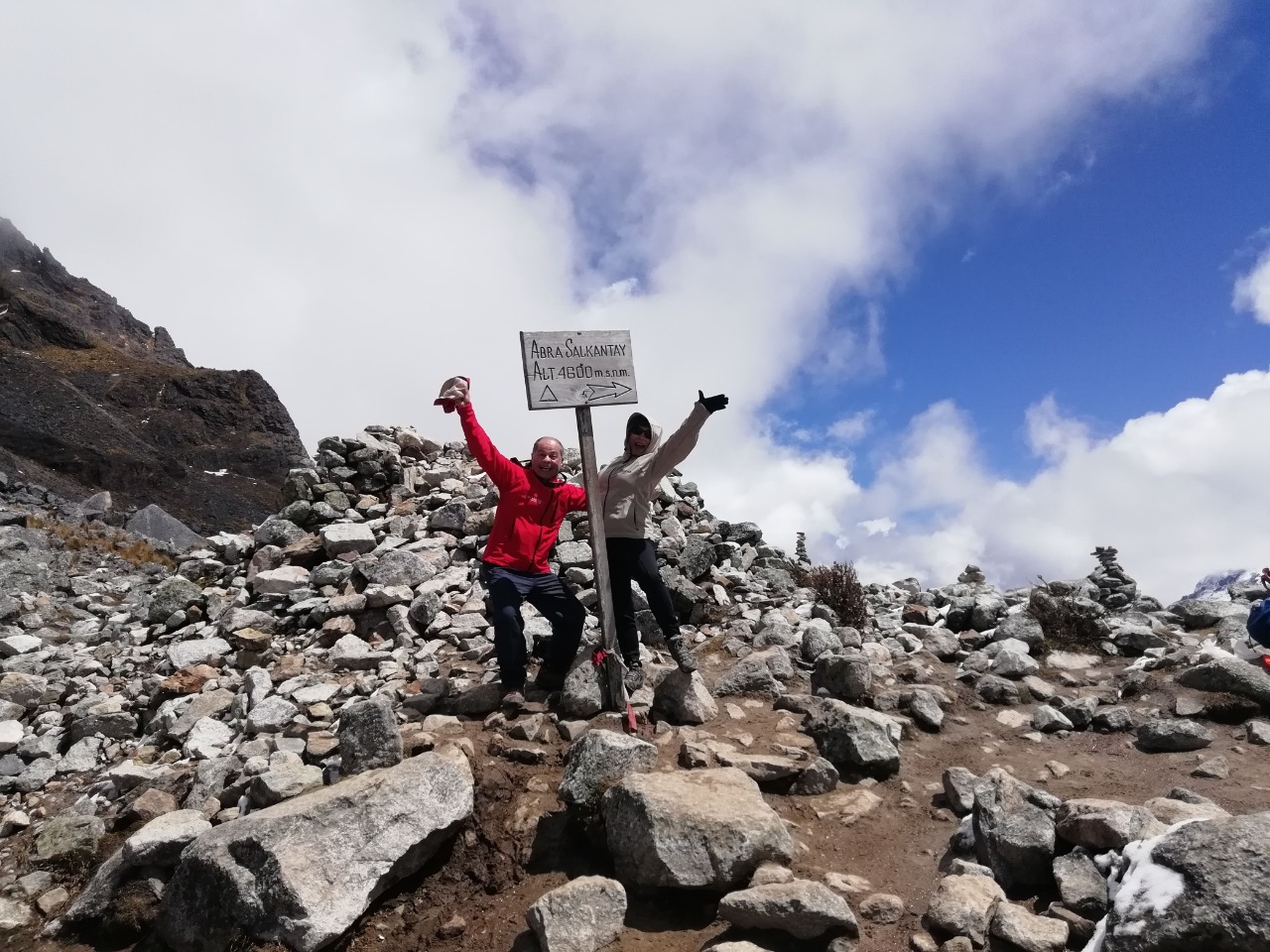
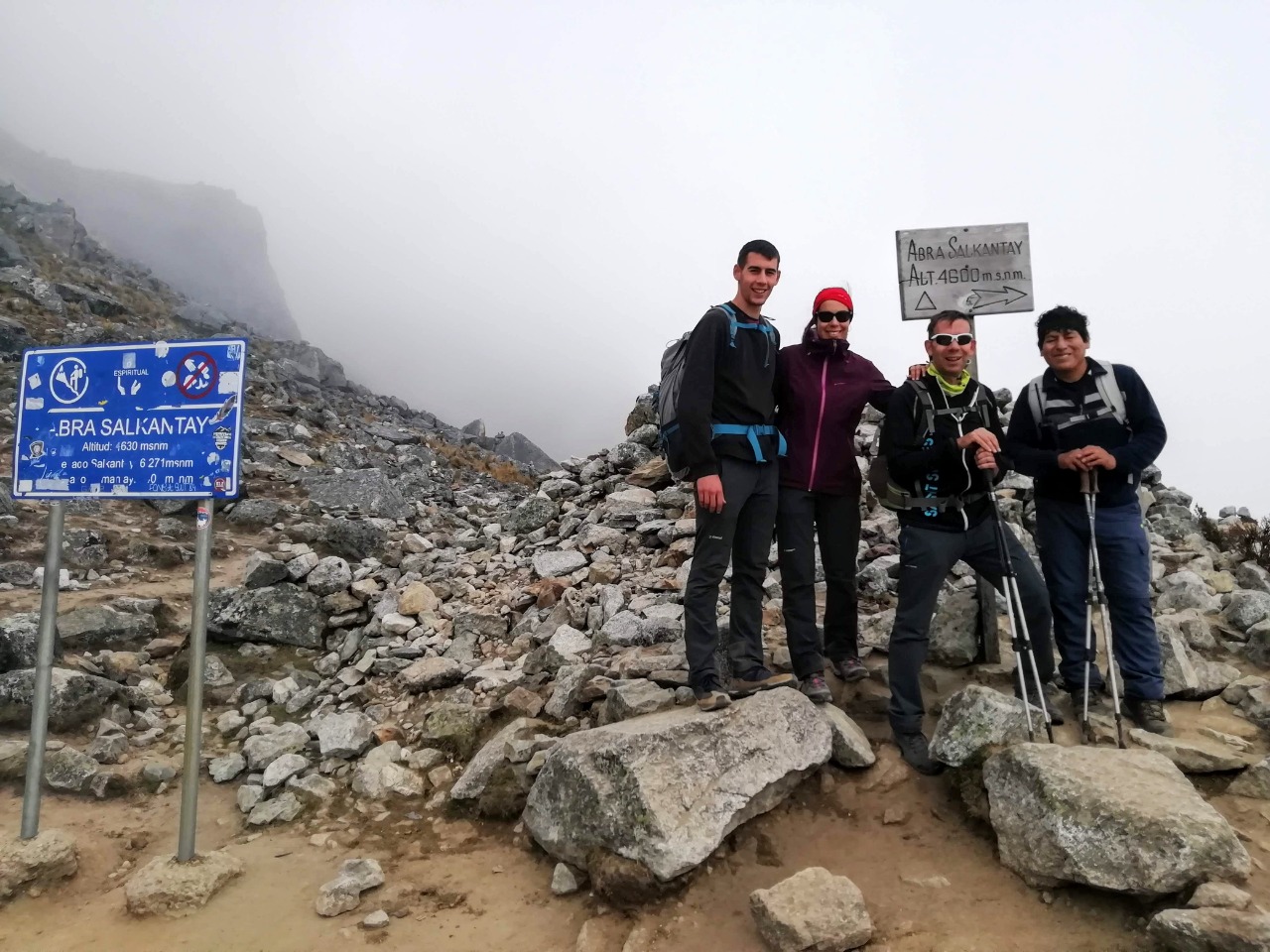
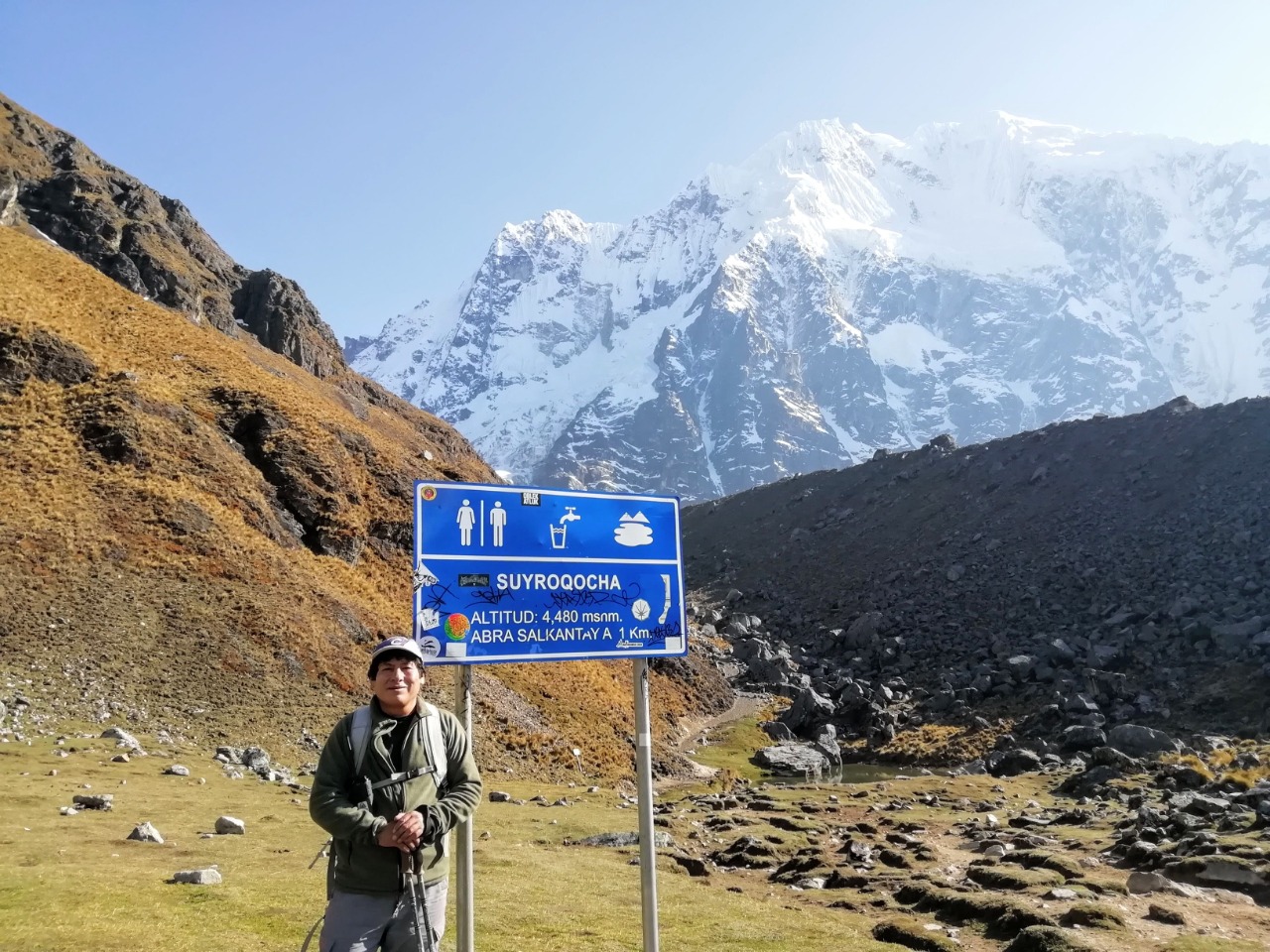
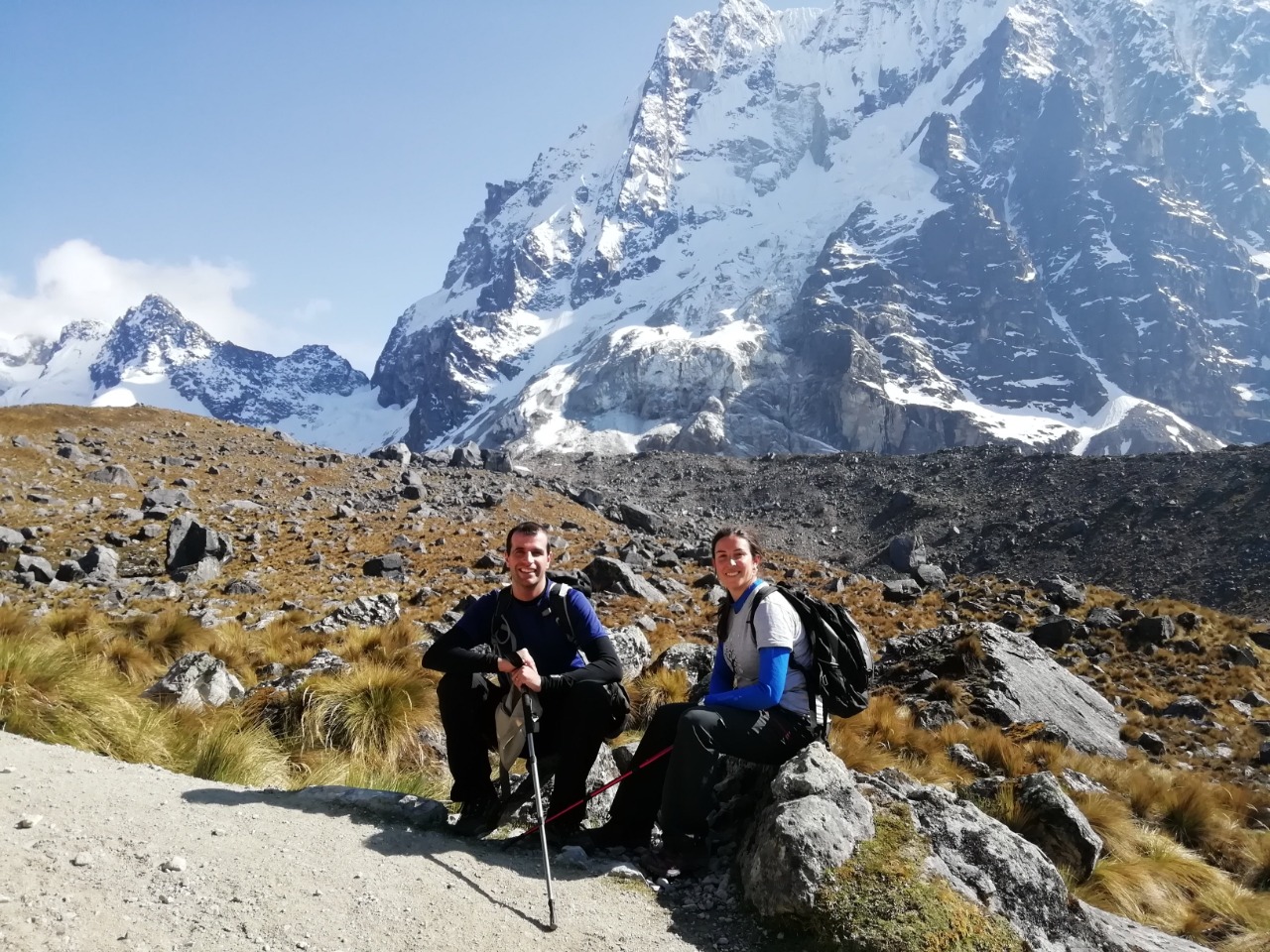
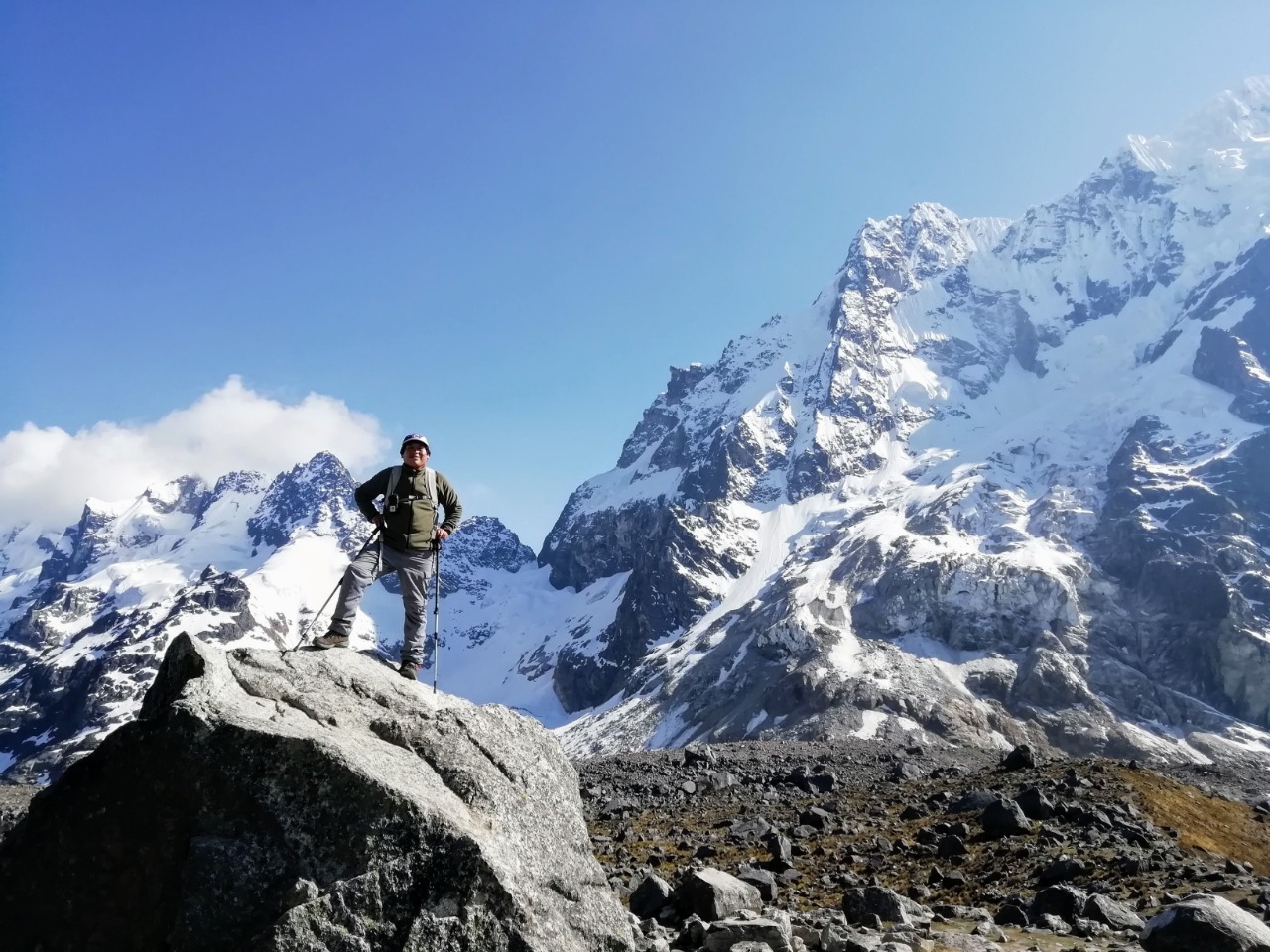
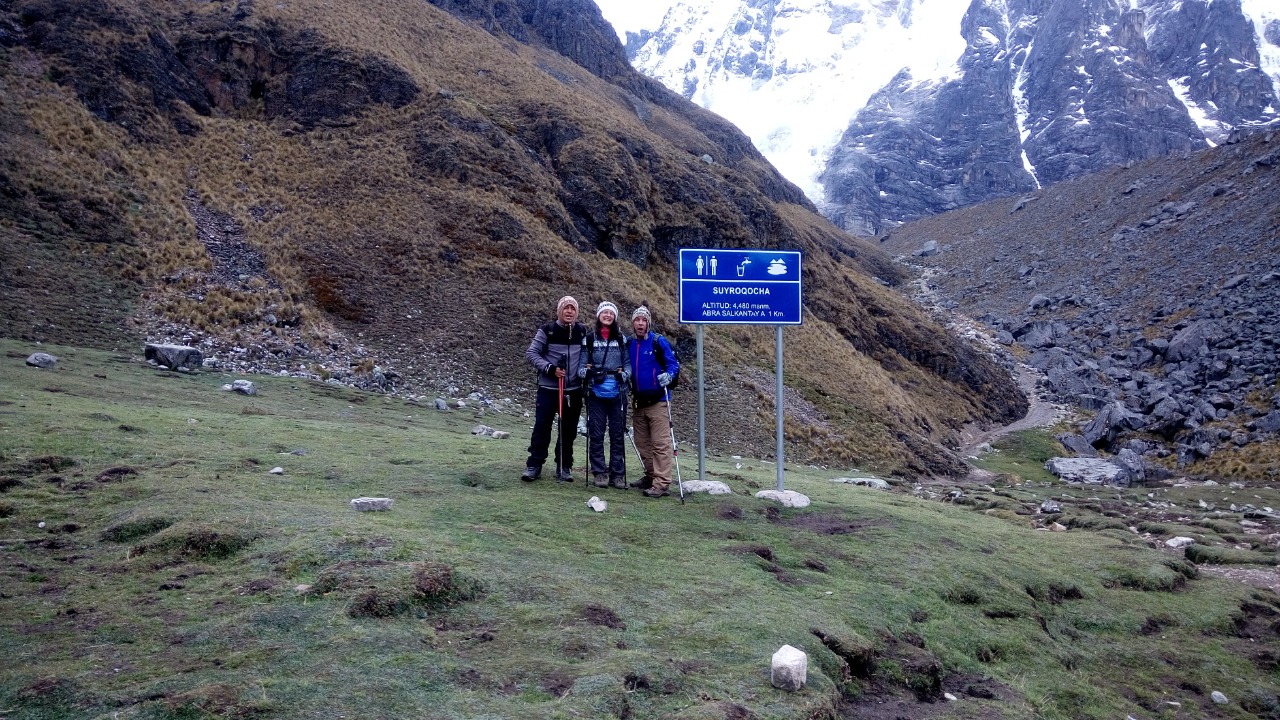
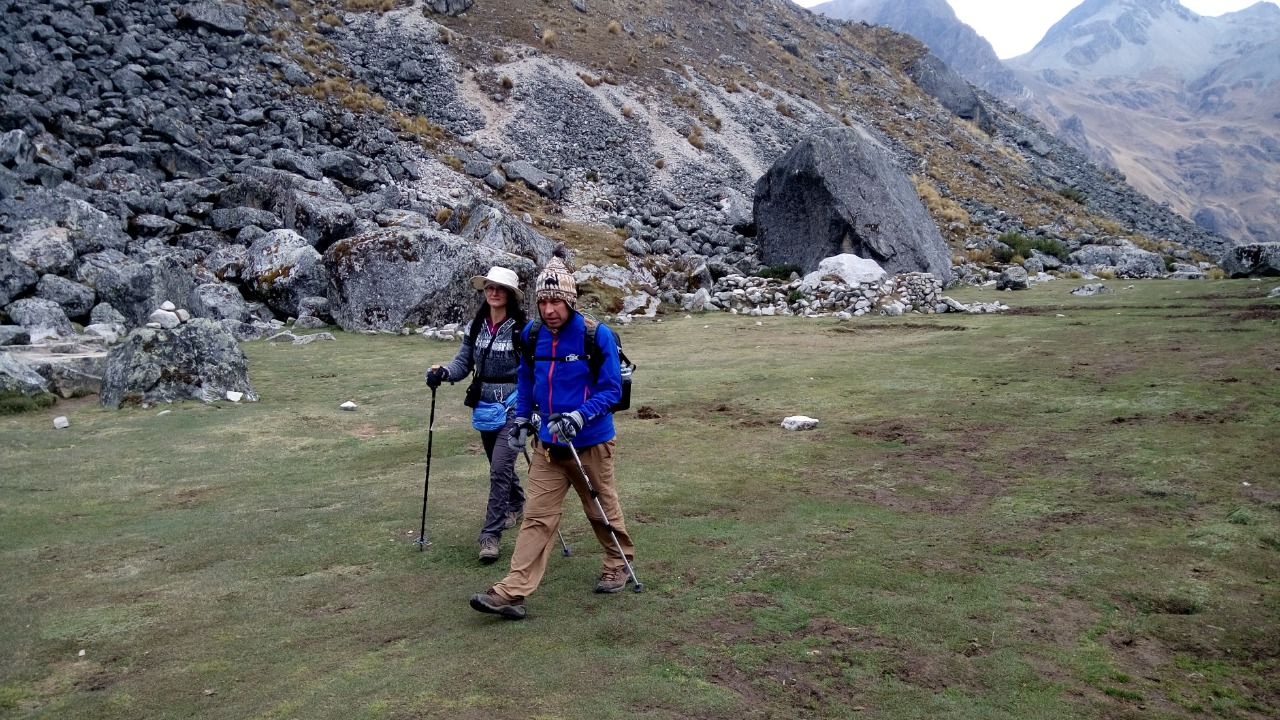
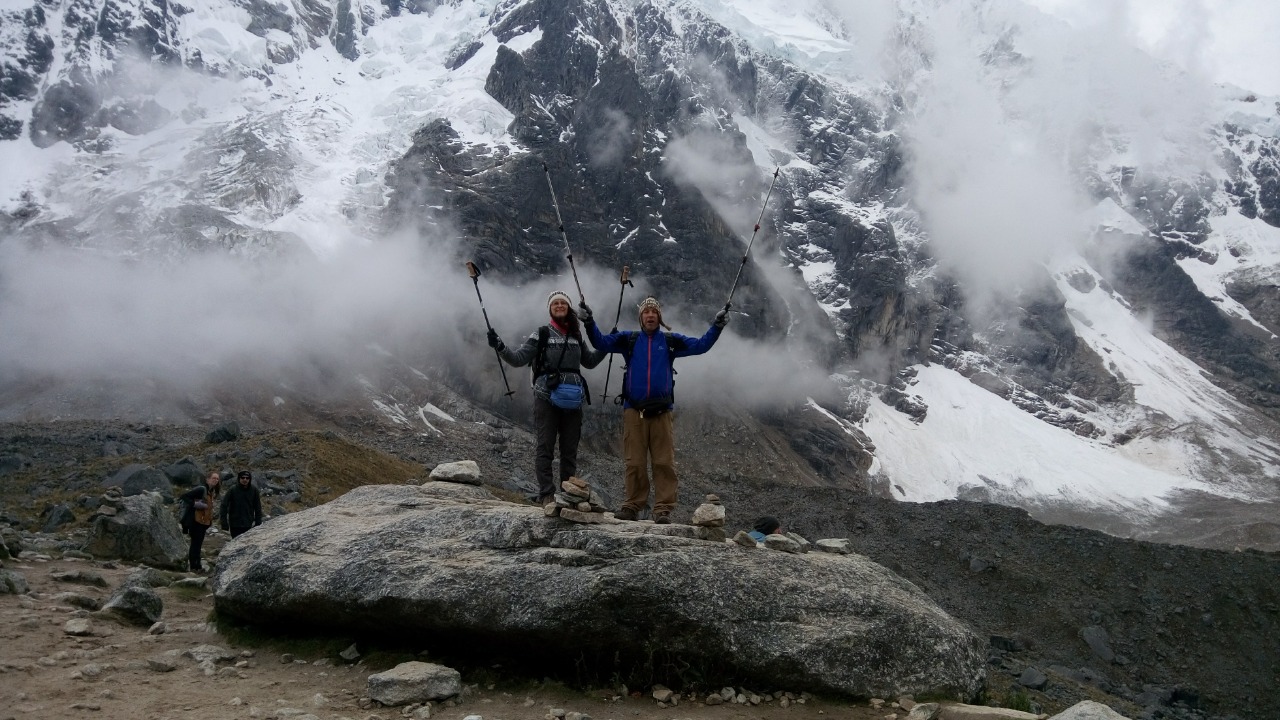
The first three hours are spent steadily climbing toward Soyrococha (4,200 m), where we'll have lunch with a view of Humantay (4,120 m / 13,500 ft) and Salkantay (6,271 m / 20,575 ft). After lunch, we'll keep going to the Salkantay Pass (4,600 m / 15,190 ft), which is the highest point. There, we'll have time to take amazing panoramic pictures of the Salkantay Glacier.
We will start our descent after our guide gives us a briefing. It will take about 3 hours to get to our campsite at Huayracmachay (3,800 m / 11,750 ft), which is the highest and coldest campsite on the trek.
Time to hike: 6 to 7 hours
The total distance is 16 km or 9.94 miles.
The campsite is 3,800 m (11,750 ft) above sea level.
After breakfast, we'll start the hardest part of the Salkantay Trek to Machu Picchu by hiking through Pampa Salkantay (4,000 m / 13,123 ft). Next, we'll turn left and head to the Humantay Glacier (4,200 m / 13,780 ft), which is next to the Salkantay Glacier (6,271 m / 20,575 ft). At noon, we'll be at the top of our hike, the Salkantay Humantay Pass, which is 4,600 meters (15,190 feet) high. We will spend some time exploring the glaciers and taking pictures before taking a break for an hour.
We'll eat lunch at Huayracmachay (4,200 m / 13,780 ft) after the break. After lunch, we'll keep hiking for four hours through the Selva Alta (Cloud Forest) and get to the village of Chaullay (2,900 m / 9,514 ft) by 4:00 PM.
You can either keep walking or take a car to our Majestic Ecolodge (2,900 m / 9,514 ft) in the Loreta La Plata area. We'll get there around 5:00 PM. Dinner will be at the lodge, and we'll sleep in a fancy geodesic dome.
Food: Breakfast, lunch, and dinner
Distance Hiked: 22 km / 13.67 mi
Starting Height: 3,900 m / 12,795 ft
Height of Accommodation: 2,900 m / 9,514 ft
Level of Difficulty: Hard
The highest point is 4,630 m / 15,190 ft.
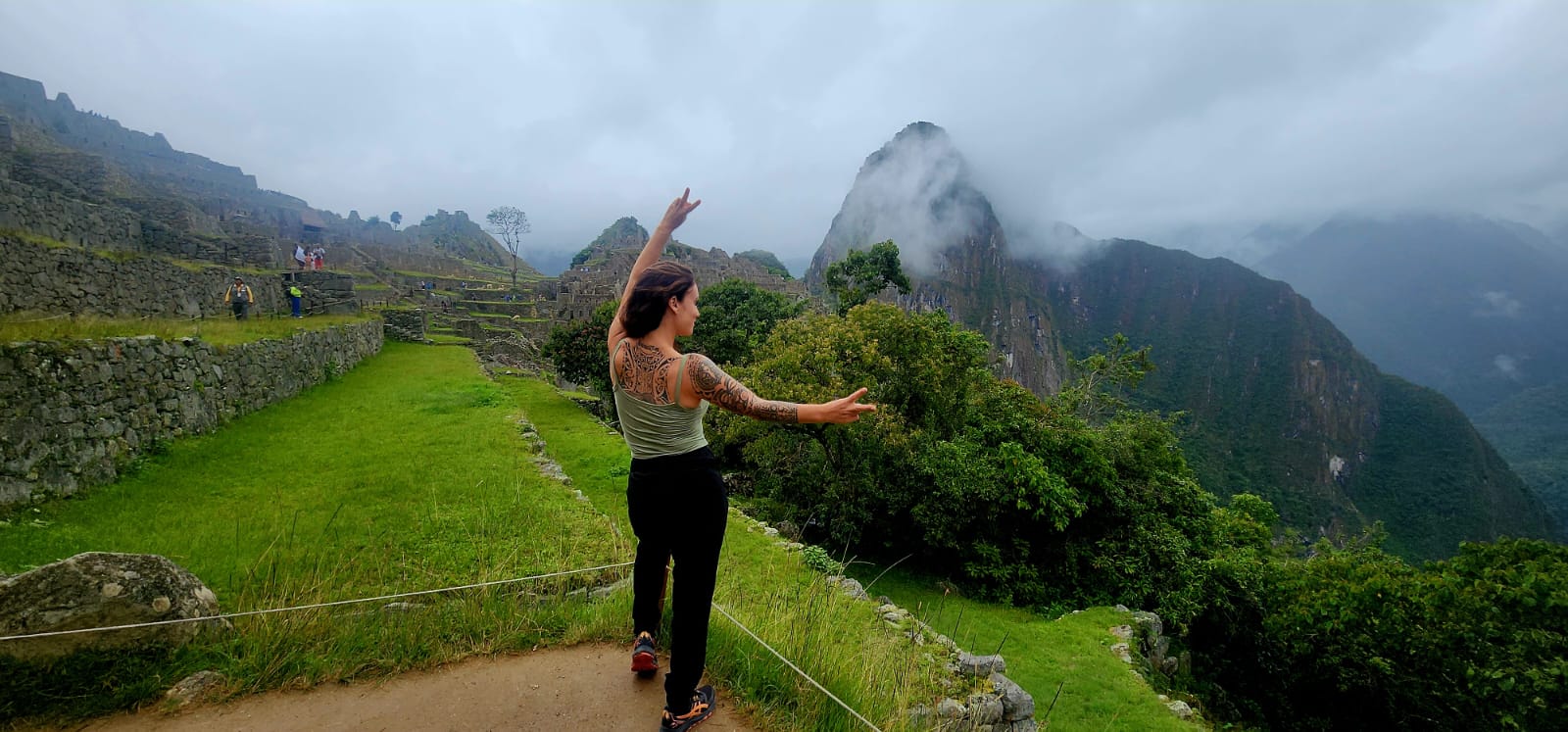
We'll take a two-hour guided tour of the Inca city of Machu Picchu (2,490 m / 8,169 ft) in the morning. We will go to important places like the Temple of the Sun, the Main Plaza, the Royal Rooms, the Temple of the Three Windows, and a few burial sites. After the tour, you'll have time to look around the ruins on your own or go to Huayna Picchu (2,693 m / 8,834 ft) if you booked this option in advance. You can also hike to the Sun Gate (2,720 m / 8,924 ft) for free. It's a pretty easy hike that takes about 1.5 hours round trip. You could also go to the Inca Bridge (2,500 m / 8,202 ft) for free. This trail is easier and takes about an hour.
We will eat lunch at a restaurant nearby. We'll take the train back to Ollantaytambo (2,792 m / 9,160 ft) in the afternoon or evening. When you get there, we'll take you by bus to the main square in Cusco (3,400 m / 11,155 ft).
Breakfast is the only meal.
Walking Distance: About Machu Picchu
Beginning Height: 2,720 m / 8,924 ft
Getting there: Train and private car back to Cusco
Level of Difficulty: Easy
For the trek, it's important to bring comfortable hiking boots, warm clothing for high-altitude conditions, rain gear, a hat and gloves for colder temperatures, sunscreen, sunglasses, a water bottle, snacks, personal medications, and a camera. Additionally, consider bringing a small backpack for day hikes and essentials.
The Salkantay Trek is considered challenging due to the high altitudes and steep climbs, especially when crossing the Salkantay Pass. It requires good physical fitness and acclimatization to handle the strenuous parts of the trek.
Altitude sickness can occur above 2,500 meters (8,200 feet). Symptoms include headaches, dizziness, and nausea. If you experience severe symptoms, it's crucial to descend to a lower altitude and seek medical assistance promptly.
Yes, porters can be hired to carry personal gear and equipment. It is recommended to arrange for porters in advance to ensure their availability and to help manage the weight of your load during the trek.

Confidence to our customers
Quality of service

Secure Payment
Ensure Safe & Secure Payment

Member Since 2023

Leave a review