
How to Visit Machu Picchu
in 2026: Everything You Need to Know
Tickets, entrance rules, best routes, ideal season, altitude tips, and insider advice — the most complete and up-to-date guide to visiting the Wonder of the World.
Machu Picchu remains one of the most awe-inspiring destinations on the planet — and in 2026, visiting it requires more planning than ever. New regulations, time-slot entry systems, and limited daily capacity mean that arriving without a booking is simply not an option. The good news: with the right preparation, your experience will be unforgettable.
This guide covers every practical detail you need, from buying the right ticket to choosing the best time of year, acclimatizing to the altitude, and selecting the trekking route that fits your fitness level and schedule. Consider this your definitive reference before you go.
What Is Machu Picchu? A Brief Context
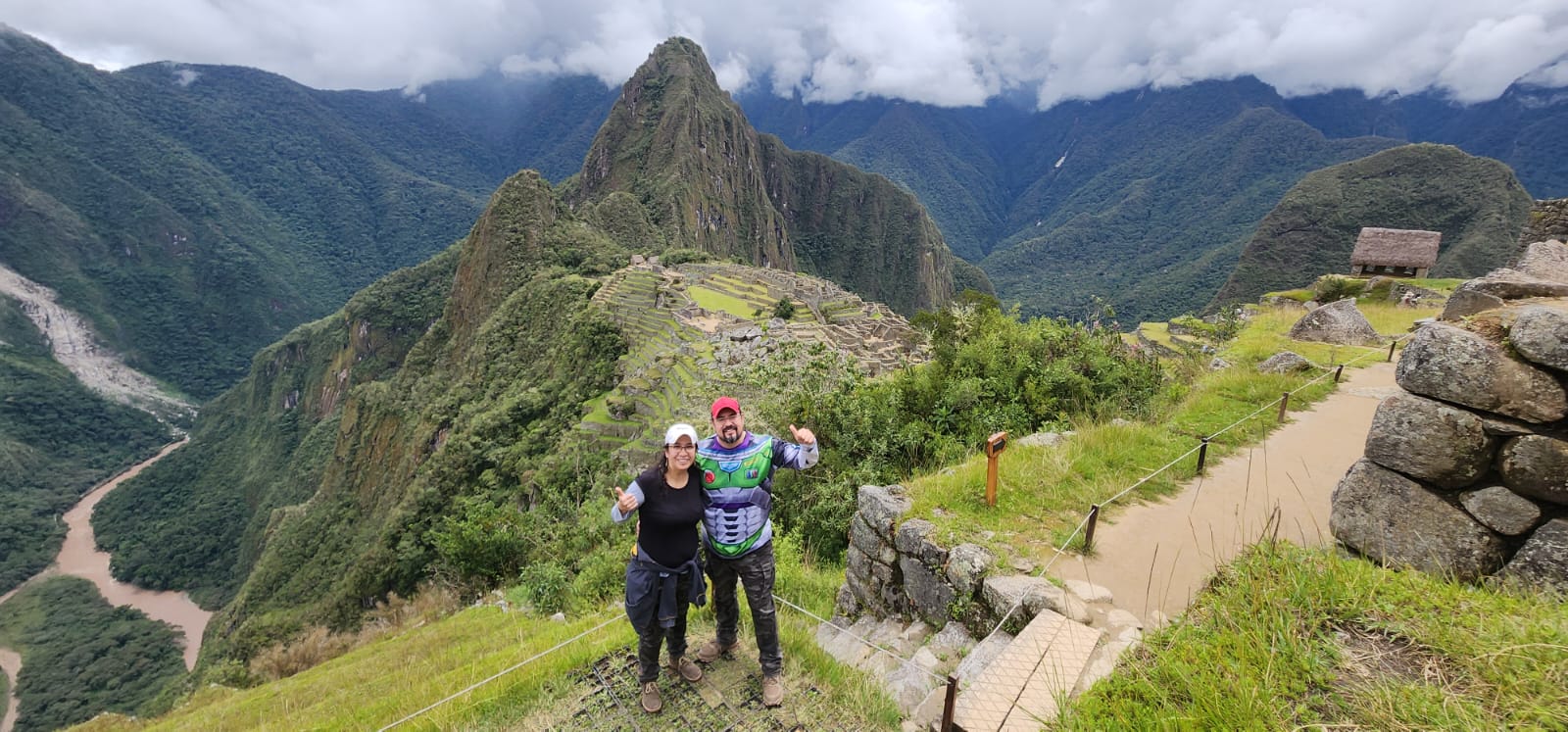
Built around 1450 during the height of the Inca Empire, Machu Picchu was likely a royal estate and ceremonial center for the Inca emperor Pachacutec. It sits at 2,450 meters (8,000 feet) above sea level in the Urubamba Valley, surrounded by cloud forest and dramatic Andean peaks. The Spanish never discovered it during the conquest — which is precisely why its stone temples, terraces, and plazas remain so remarkably intact.
In 1983, it was declared a UNESCO World Heritage Site, and in 2007 it was voted one of the New Seven Wonders of the World. Today it draws over a million visitors a year — which is exactly why strict access controls now apply.
The New Entry Rules in 2026: What Changed
Peru's Ministry of Culture has continued tightening access to the sanctuary in order to protect its structures. Here is what every traveler must understand before booking:
- Maximum 4,500 visitors per day are allowed inside Machu Picchu.
- Entry is divided into three time slots: morning (6:00–10:00), midday (10:00–14:00), and afternoon (14:00–17:30). Each slot grants you up to 4 hours inside.
- You must book your ticket in advance through the official platform or through an authorized tour operator. Walk-in entry does not exist.
- Your passport number is linked to your ticket — it cannot be transferred to another person.
- Children under 8 enter free with a paying adult; students and seniors have a discounted fare with valid ID.
- If you want to climb Huayna Picchu or Machu Picchu Mountain, you need a separate add-on ticket — these sell out weeks or even months in advance.
Tickets sell out far in advance during peak season (June–August). If you are planning to visit between May and September, book your entrance tickets at least 2 to 3 months ahead. For Inca Trail permits, the window extends to 5–6 months.
Machu Picchu Ticket Types Explained (2026)
Panoramic Circuit
Classic panoramic views from the upper terraces, including the famous postcard photo spot. Does NOT include access to the lower temples or main structures.
Classic Circuit — Most Complete
Best option for first-time visitors. Includes upper viewpoints and main archaeological areas: temples, terraces, and plazas. The most complete overall experience.
Lower Circuit + Mountain Hike
Focuses on the lower part of Machu Picchu, combined with Huayna Picchu (2,667 m) or Machu Picchu Mountain (2,795 m). Does NOT include the upper panoramic viewpoint.
Special Experiences
Additional options such as the Inca Bridge or Huchuy Picchu, subject to availability. Must be booked in advance with your main circuit ticket.
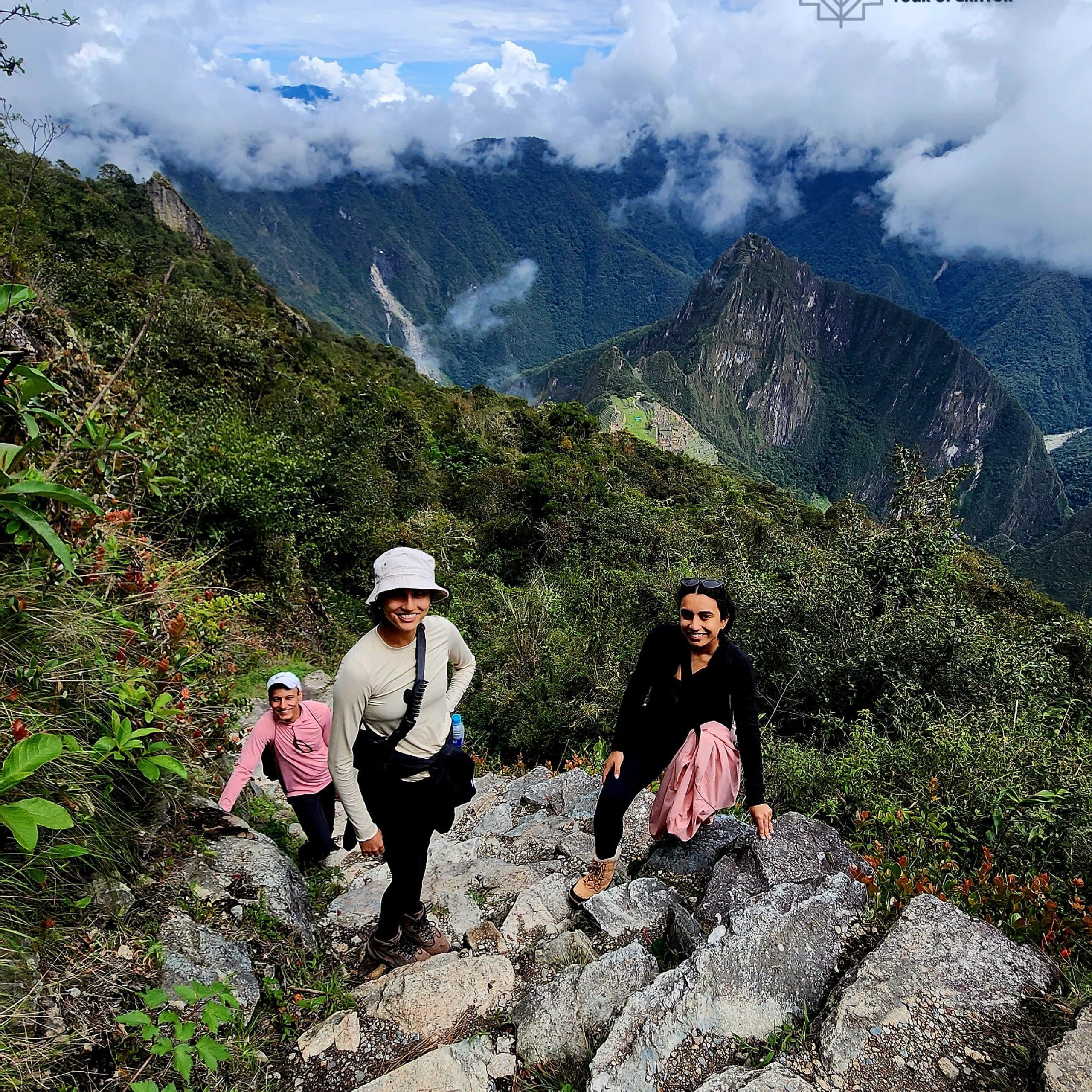
The dry season (May to September) is the classic window for visiting. Skies are clear, trekking conditions are excellent, and sunrise at the citadel is at its most spectacular. July is the single busiest month of the year — book everything well ahead. June 24 (Inti Raymi, the Inca Festival of the Sun) sees extraordinary demand in Cusco and Machu Picchu.
The rainy season (November to March) transforms the sanctuary into a lush, intensely green landscape shrouded in mist — hauntingly beautiful for photography. Fewer crowds, lower prices, and available last-minute tickets. The downside: trails can be muddy, visibility is unpredictable, and the Inca Trail closes entirely each February for maintenance.
April and October are the best shoulder months — lower crowds than peak summer, reasonable weather, and better ticket availability.
Altitude and Acclimatization: How to Prepare
At 2,450 meters, Machu Picchu itself is not dangerously high for most healthy adults. However, most travelers pass through Cusco (3,400 m) first — and that's where altitude sickness (soroche) most commonly strikes.
Key acclimatization tips
- Arrive in Cusco at least 2 full days before your Machu Picchu visit — do not rush this step.
- For the first 24 hours: rest, eat lightly, stay hydrated. Avoid alcohol on your first night.
- Drink coca leaf tea (mate de coca) — widely available and genuinely effective at easing altitude symptoms.
- Consider acetazolamide (Diamox) if you are prone to altitude sickness — consult your doctor before traveling.
- Symptoms to watch for: headache, nausea, dizziness, fatigue. If severe, descend to lower altitude immediately.
- The descent to Aguas Calientes (2,040 m) already provides some relief compared to Cusco.
Some travelers fly directly from Lima to Cusco and feel fine; others struggle significantly. There is no way to predict your response — so always build acclimatization days into your itinerary. It is the single biggest planning mistake first-time visitors make.
How to Get to Machu Picchu: Step by Step
Fly into Cusco (CUZ)
Most international visitors connect through Lima (LIM) and take a 1-hour domestic flight to Alejandro Velasco Astete Airport in Cusco. Flights run multiple times daily. Book early for the best fares.
Spend 1–2 days acclimatizing in Cusco
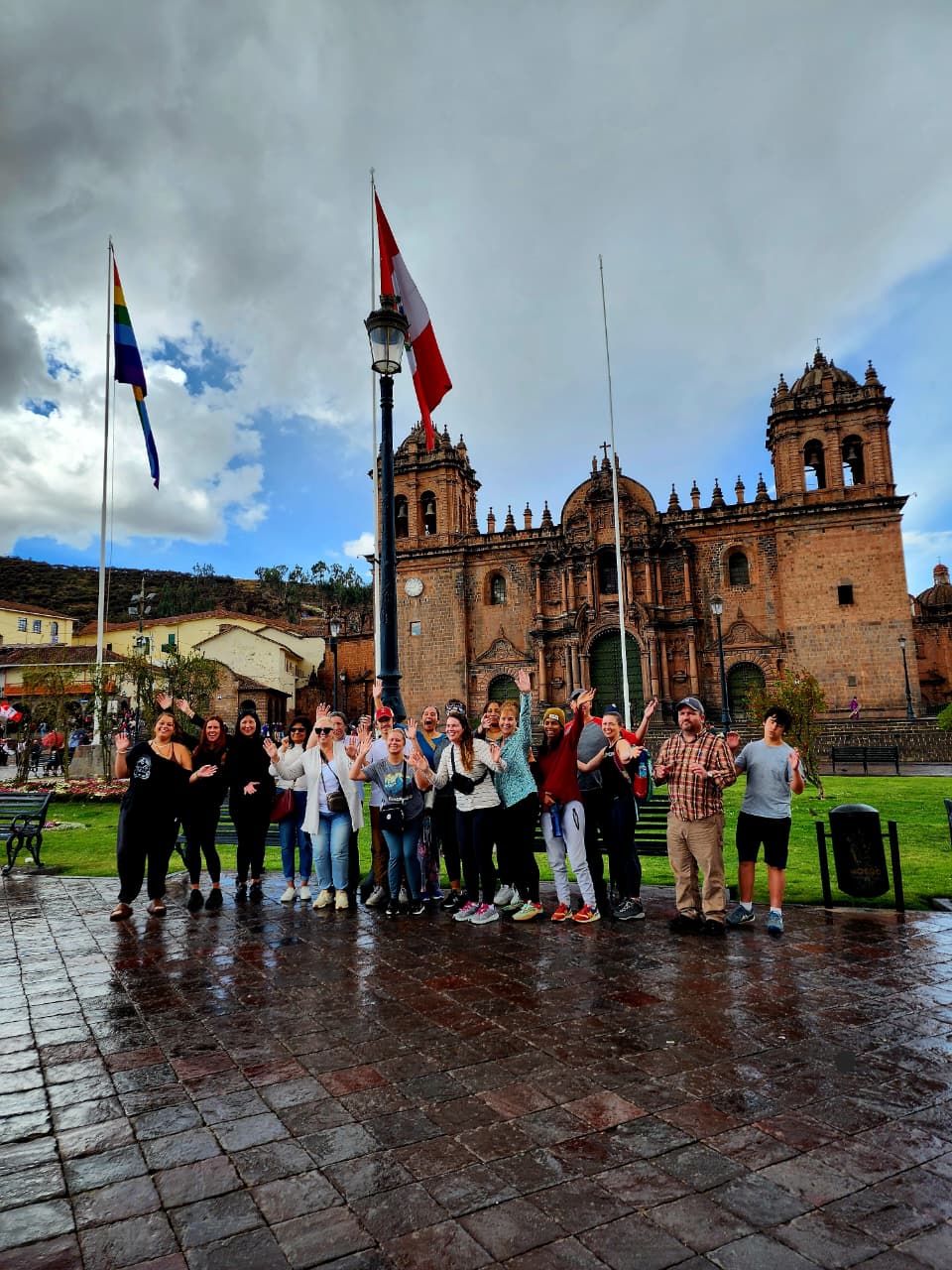
Explore the city, visit Sacsayhuamán fortress, walk the San Blas neighborhood, and let your body adapt. Do not skip this step. Most altitude-related problems happen when travelers rush straight to Machu Picchu.
Take the train to Aguas Calientes
The scenic train journey from Ollantaytambo (1.5 hours from Cusco by bus) or Poroy station (near Cusco) takes approximately 1.5–3.5 hours. Operators Peru Rail and Inca Rail offer various service classes. Book in advance.
Take the shuttle bus or walk up
From Aguas Calientes, Consettur buses depart every 5–10 minutes from 5:30 AM and take about 25 minutes to reach the entrance. Alternatively, the 40-minute walk up the steep stone staircase is free.
Enter with your timed ticket
Present your passport and printed or digital ticket at the entrance. Follow the circuit assigned to your ticket type. A licensed guide adds enormous value — the history and Inca engineering come alive with proper context.
Classic Inca Trail — 4 Days
The iconic pilgrimage route following original Inca stone paths. Passes through multiple archaeological sites, cloud forest, and mountain passes up to 4,200 m. Arrives at the Sun Gate at sunrise on the final morning.
Short Inca Trail — 2 Days
Covers the last 12 km of the classic route, starting at km 104. Crosses the spectacular Wiñay Wayna ruins before descending to the Sun Gate. Perfect for travelers with limited time.
Salkantay Trek — 5 Days
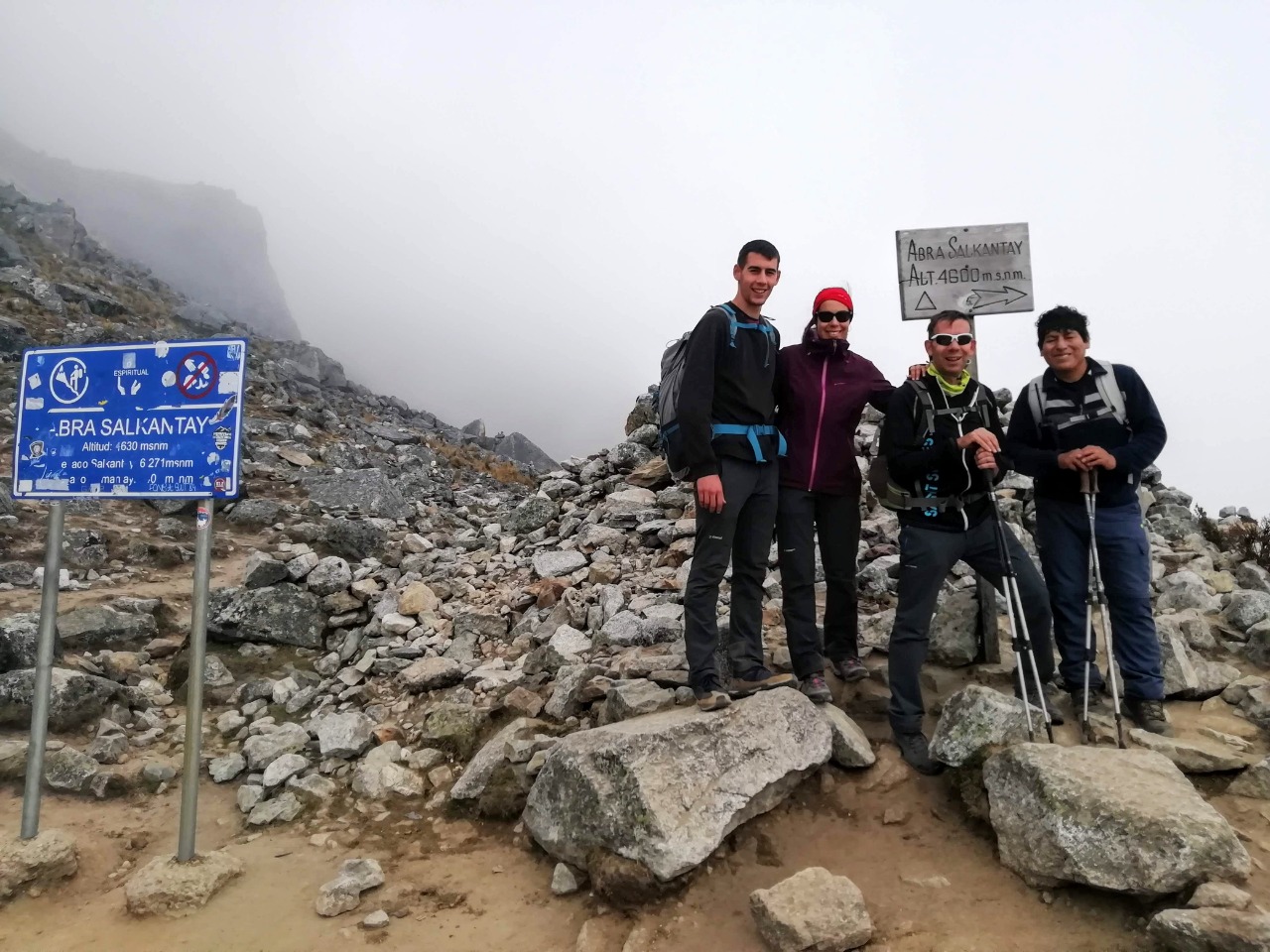
The most popular alternative to the Inca Trail. Passes beneath the majestic Salkantay glacier (6,271 m), through diverse ecosystems from high-altitude tundra to subtropical cloud forest.
By Train — 1 Day
The most comfortable option — a scenic train journey through the Sacred Valley directly to Aguas Calientes. Ideal for families, travelers with limited time, or those who prefer a relaxed approach.
What to Bring: Packing List for Machu Picchu
The microclimate at Machu Picchu can change dramatically within a single morning — from bright sunshine to dense cloud and light drizzle. Preparation is key.
- Layered clothing: a light base layer, a fleece or mid-layer, and a waterproof/windproof shell jacket. Mornings are cool; midday can feel warm.
- Comfortable hiking footwear with ankle support and good grip — the stone paths are uneven and can be slippery when wet.
- Rain poncho or compact umbrella — always, regardless of season.
- Sunscreen SPF 50+ — the UV radiation at altitude is intense, even on overcast days.
- 2 liters of water minimum — there are limited hydration points inside the citadel. Bring a reusable bottle; single-use plastic bottles are restricted.
- Snacks: energy bars, nuts, or fruit. There is no food inside the sanctuary — you must eat before entering or after exiting.
- Passport (original): required at the entrance. No passport, no entry — photocopies are not accepted.
- Walking poles: allowed (rubber tips required) and genuinely helpful on mountain circuit options.
- Camera: professional tripods are not permitted inside the citadel, but a small travel tripod or gorilla pod may be acceptable.
Inside Machu Picchu: The Key Sites
With only 4 hours inside the citadel, it helps to know which highlights to prioritize. The circuit system guides you through them, but knowing what you are looking at transforms the experience entirely.
Temple of the Sun
One of the finest examples of Inca stonework anywhere in the world. The curved tower was used as an astronomical observatory — during the winter solstice, sunlight passes through a specific window and illuminates a sacred stone in a breathtaking display of Inca engineering and astronomical knowledge.
Intihuatana Stone
Translating as "the place where the sun is tied," this carved granite ritual stone functions as a solar clock and calendar. It is one of the few intact examples remaining in the Inca world — most were deliberately destroyed by the Spanish during the colonial period.
Temple of the Three Windows
Three trapezoidal windows open onto the main plaza, framing extraordinary views of the mountains beyond. The size and precision of the fitted stone blocks — assembled without mortar — remain among the most remarkable feats of pre-Columbian construction in the Americas.
Agricultural Terraces
The vast system of stone terraces served both as productive farmland and as an engineering solution for managing the steep Andean terrain. They also functioned as a drainage system — an essential feature in a location that receives significant rainfall — preventing erosion and landslides around the citadel.
The Sun Gate (Inti Punku)
The ceremonial gateway through which the Inca Trail arrives at the citadel. Reaching Inti Punku rewards you with one of the most iconic views in all of South America: the full citadel spread below, framed by mountain peaks on all sides.
Book the first entry shift (6:00 AM) for the best light, fewer crowds, and the highest chance of catching the citadel partially shrouded in morning mist — the most photographed and atmospheric version of Machu Picchu. The mist typically clears by 9–10 AM.
Aguas Calientes: The Gateway Town
Officially called Machu Picchu Pueblo, Aguas Calientes is the base town at the foot of the mountain — accessible only by train or on foot. Despite its small size, it has a surprisingly good range of hotels, restaurants, and a lively market. Almost all trekkers spend at least one night here.
The town is named for its thermal baths (aguas calientes means "hot waters"), a short walk from the main square. After a long day of hiking, soaking in the natural hot springs is a perfectly local way to end the journey.
The central market offers fresh local produce, handicrafts, and affordable set-menu lunches. For dinner, the restaurants along the main avenue range from simple backpacker spots to reasonably comfortable sit-down restaurants serving both Peruvian classics and international options.
Frequently Asked Questions for 2026
Can I visit Machu Picchu without a guide?
Yes — independent entry is allowed. However, a licensed guide is strongly recommended for first-time visitors. The history, symbolism, and Inca engineering are far richer with expert commentary, and guides help you navigate the circuit efficiently within your time window.
Is Machu Picchu safe to visit?
Yes, it is one of Peru's safest and best-managed tourist destinations. The main risks are altitude sickness (manageable with proper acclimatization), sunburn at high altitude, and occasional slips on wet stone paths. Petty theft can occur in Aguas Calientes market — keep valuables secured.
How long does a visit take?
Entry is limited to 4 hours inside the citadel. Most visitors find this sufficient to walk the main circuit and spend quality time at each key site. If you add a mountain hike (Huayna Picchu or Machu Picchu Mountain), budget a full day and purchase the combined ticket.
Can I eat inside Machu Picchu?
No food or drinks (other than water and small snacks) are permitted inside the sanctuary. There is a café and restaurant area near the entrance, outside the main gate — have a full breakfast before entering and plan your lunch for after you exit.
What happens if it rains?
Machu Picchu remains open in rain. Wet stone can be slippery, so grip footwear is essential. The mist and cloud that come with rain often create uniquely atmospheric photographs. Entry tickets are generally non-refundable — always confirm the operator's change policy at the time of booking.
Explore Machu Picchu with INKANET ADVENTURE
Local expertise, seamless logistics, and certified guides — choose the route that fits your time and style.
Classic Inca Trail — 4 Days
The legendary stone path, ancient ruins, Andean mountain passes, and a sunrise arrival through the Sun Gate. The bucket-list experience of a lifetime.
View TourShort Inca Trail — 2 Days
The last stretch of the original Inca route — Wiñay Wayna ruins, cloud forest, and the iconic Sun Gate arrival, in just two days.
View TourMachu Picchu by Train — 1 Day
Scenic panoramic train through the Sacred Valley, guided citadel tour, and shuttle return — ideal for families and travelers with a flexible schedule.
View TourReady to Plan Your Visit to Machu Picchu?
Our local team in Cusco handles every detail — tickets, trains, acclimatization itinerary, certified guides, and more. Just tell us your dates and we take care of the rest.
Contact INKANET ADVENTURE
Comment (0)