The Andes and the Amazon in One Trip
Few places let you go from glaciers to rainforest by road in a single day, and Cusco is one of them. The road to Manu climbs over Andean passes, plunges through the cloud forest and ends on the banks of a jungle river. Here is how to fit Machu Picchu and the Amazon into one trip, how many days you need and what you will actually see.
Two ways to reach the Amazon from Cusco
- Manu by road: our tours leave Cusco by van and cross the Andes into the Manu region. The drive takes about seven hours with stops, and it is part of the experience: you pass Lake Huacarpay, the pre-Inca burial towers of Ninamarca, the colonial town of Paucartambo and the cloud forest before reaching the lowlands. You return to Cusco the same way.
- Tambopata by air: a short flight connects Cusco with Puerto Maldonado, the gateway to the Tambopata reserve. We do not run Tambopata tours, but it is a good option if you prefer to fly.
How many days you need
Plan at least 8 days for both regions, and 10 or more if you want a relaxed pace:
| Part of the trip | Days | Why |
|---|---|---|
| Arrival and acclimatization in Cusco | 1–2 | Your body needs time to adjust to 3,400 m |
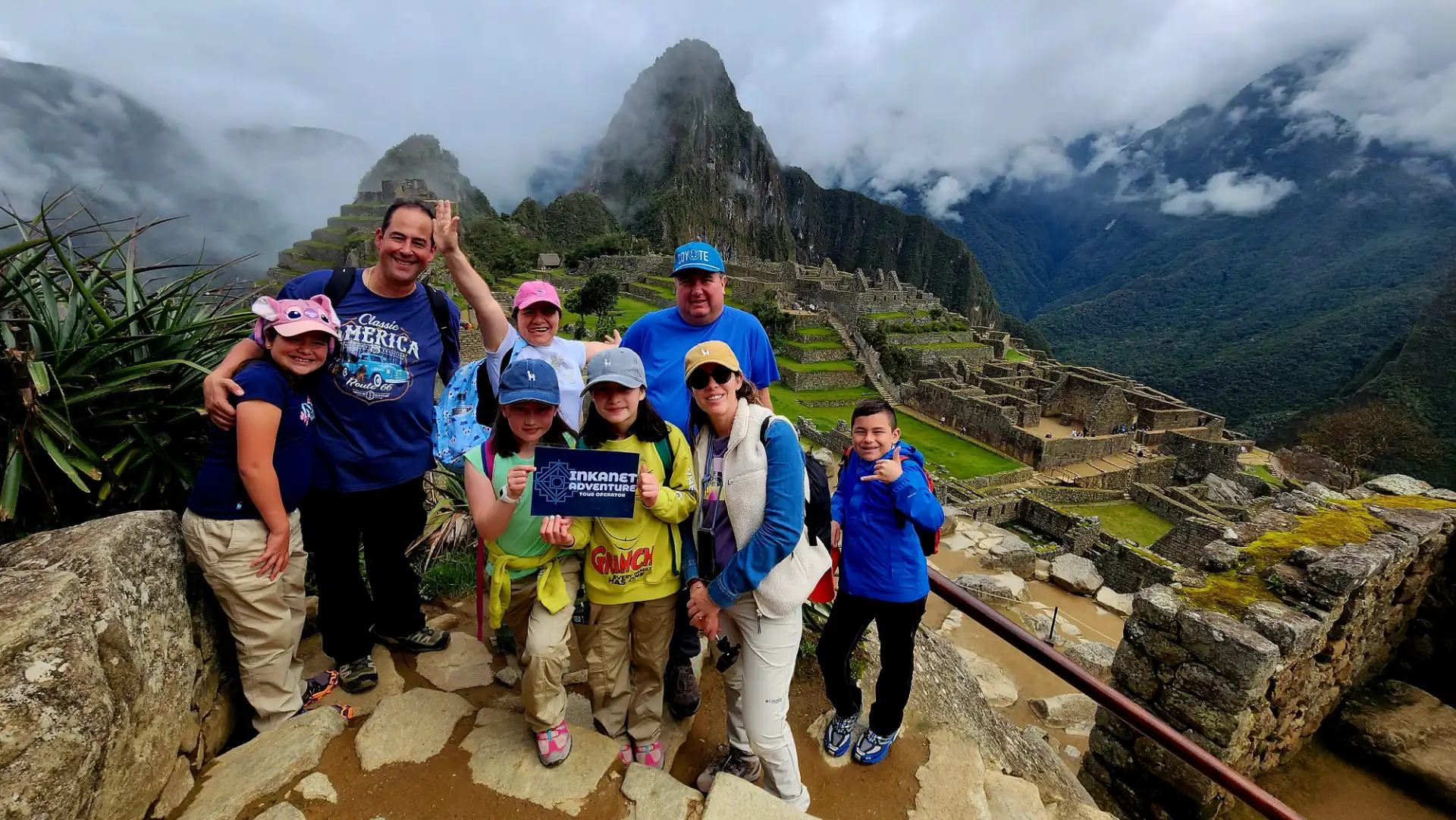
| Sacred Valley and Machu Picchu | 2 | The highlights of the Andes, with a night in Aguas Calientes |
| Manu | 3–4 | Two long travel days plus time in the forest |
| Spare day | 1 | Mountain roads and weather can cause delays |
Add the Amazon to your trip
Manu in 3 days from Cusco: cloud forest, the Madre de Dios River and a parrot clay lick — from US $390.
A sample 9-day itinerary
- Day 1: arrive in Cusco and rest.
- Day 2: Cusco city tour in the morning, free afternoon.
- Days 3–4: Sacred Valley and Machu Picchu in 2 days.
- Day 5: a free day in Cusco, or a day trip such as Humantay Lake.
- Days 6–8: Manu jungle in 3 days, back in Cusco at about 5:00 pm on day 8.
- Day 9: fly home or on to your next destination.
With one more day, choose the 4-day Manu tour for an extra day in the forest. For longer trips across Peru, see our 2-week itinerary.
What you will see in Manu
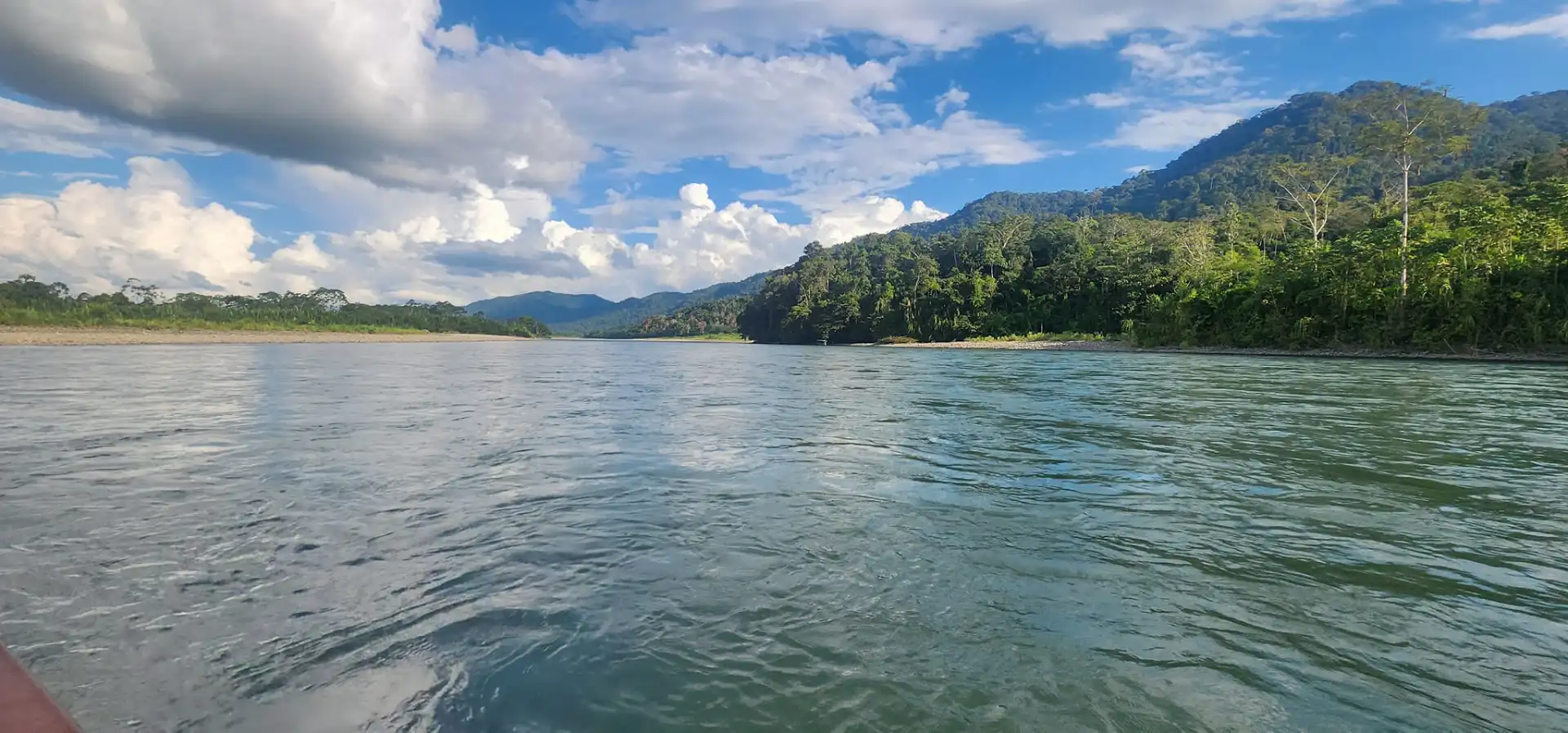
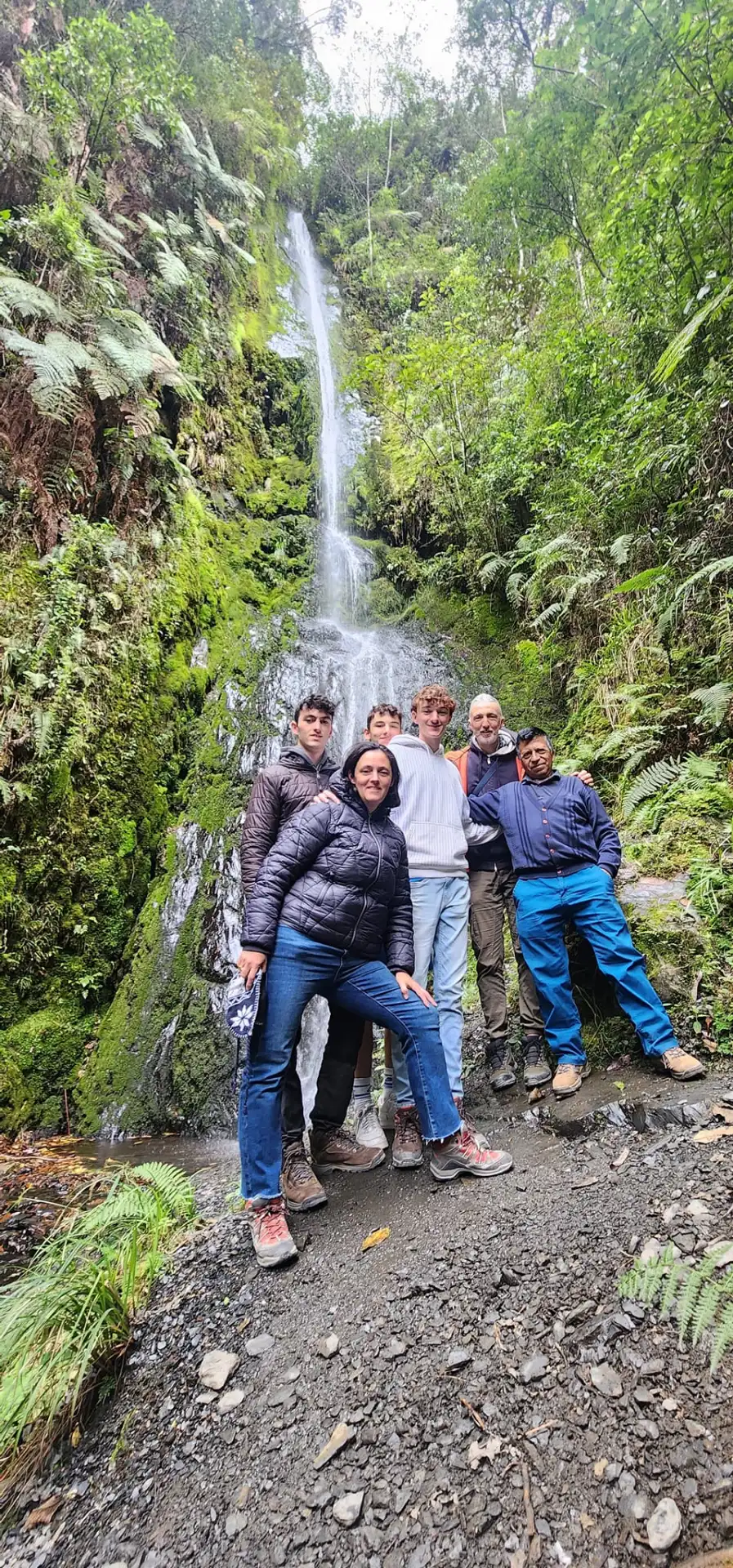
The journey itself shows the change in altitude: highland lakes and villages, then a cloud forest of orchids, ferns and waterfalls, home of the cock-of-the-rock, Peru’s national bird. In the lowlands, a boat on the Madre de Dios River takes you to Machuhuasi Lagoon, where hoatzins, capybaras, kingfishers and monkeys are often seen, and, on the 3-day tour, to a clay lick where parrots and macaws gather at dawn, weather permitting.
Be realistic about the big animals: giant otters, tapirs and jaguars live deep in the reserved zone of Manu, which short tours do not reach. Our Manu wildlife guide explains what you are likely to see.
Andes first or jungle first?
We usually recommend the Andes first. The road to Manu crosses high passes early on the first day, so it is easier once you are acclimatized, and the warm, slower days in the forest make a relaxing end to the trip. If your dates only work the other way round, it is possible, but give yourself an easy day in Cusco on your return before any high-altitude activity.
Practical tips
- Pack for two climates: warm layers for the Andes, light long-sleeved clothes for the jungle, a rain jacket for both.
- Insect repellent is essential in the lowlands.
- Health: ask your doctor about yellow fever vaccination, commonly recommended for the Peruvian Amazon.
- Season: the dry months (May to October) are the most comfortable in both regions; in the rainy season roads can be slower.
- Binoculars make a big difference for birds and monkeys.
Frequently asked questions
Yes. Cusco is the gateway to both: you can see Machu Picchu and then travel by road to Manu, or fly to Puerto Maldonado for Tambopata.
At least 8 days: 1–2 to acclimatize in Cusco, 2 for the Sacred Valley and Machu Picchu, 3–4 for Manu and a spare day.
About seven hours by road with stops, crossing the Andes and the cloud forest on the way.
Unlikely on a short tour. Jaguars and giant otters live in the reserved zone, which short tours do not reach. Birds, monkeys and capybaras are much more common.
The Andes first: the road to Manu crosses high passes, so it is easier once you are acclimatized, and the jungle makes a relaxing finale.