Manu wildlife: what you can see, and where
Manu is one of the most biodiverse places on Earth. Protected as a national park and a UNESCO World Heritage Site, it climbs from the lowland rainforest to the high Andes, and every altitude has its own animals. This guide explains what lives where, what you can realistically expect on a 3- or 4-day trip, and how to see more.
Manu zone by zone
| Zone | Approx. altitude | Wildlife highlights |
|---|---|---|
| Cloud forest | 1,500–3,000 m | Cock-of-the-rock, hummingbirds, tanagers, orchids |
| Lowland edge and cultural zone | 500–1,500 m | Parrots and macaws, monkeys, capybaras, caimans, hoatzins |
| Reserved zone | Lowland | Giant otters, tapirs, the rarest mammals |
The cloud forest
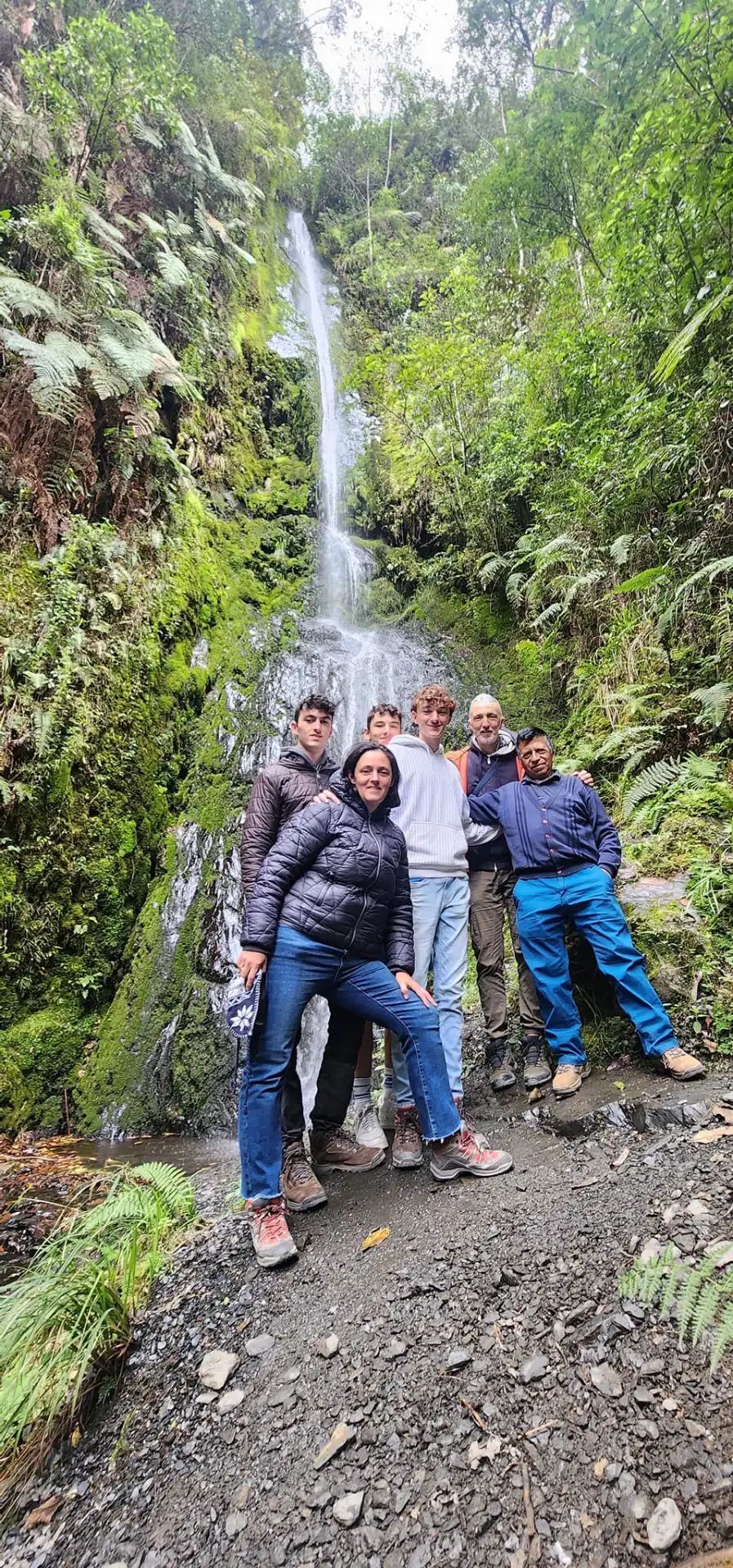
On the drive down from the Andes, the road passes through moss-covered cloud forest. This is the realm of the Andean cock-of-the-rock, Peru’s national bird, a brilliant orange bird often seen near the road, along with hummingbirds, tanagers and countless orchids and ferns. With luck, a spectacled bear may appear.
See Manu’s wildlife with a guide
Cloud forest, river trips and a parrot clay lick from Cusco, with lodge and guide — from US $390 for 3 days or US $420 for 4.
The lowland forest and rivers
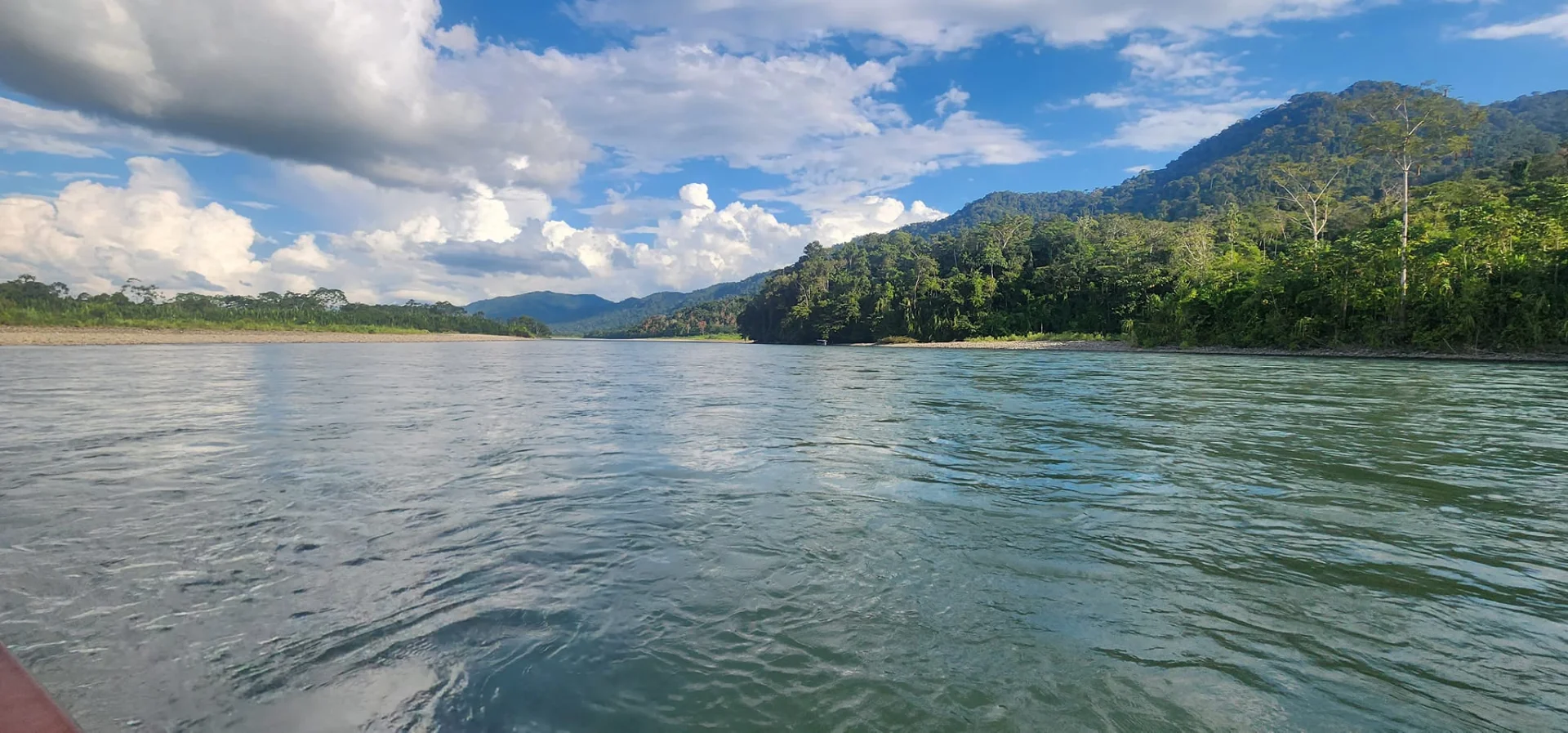
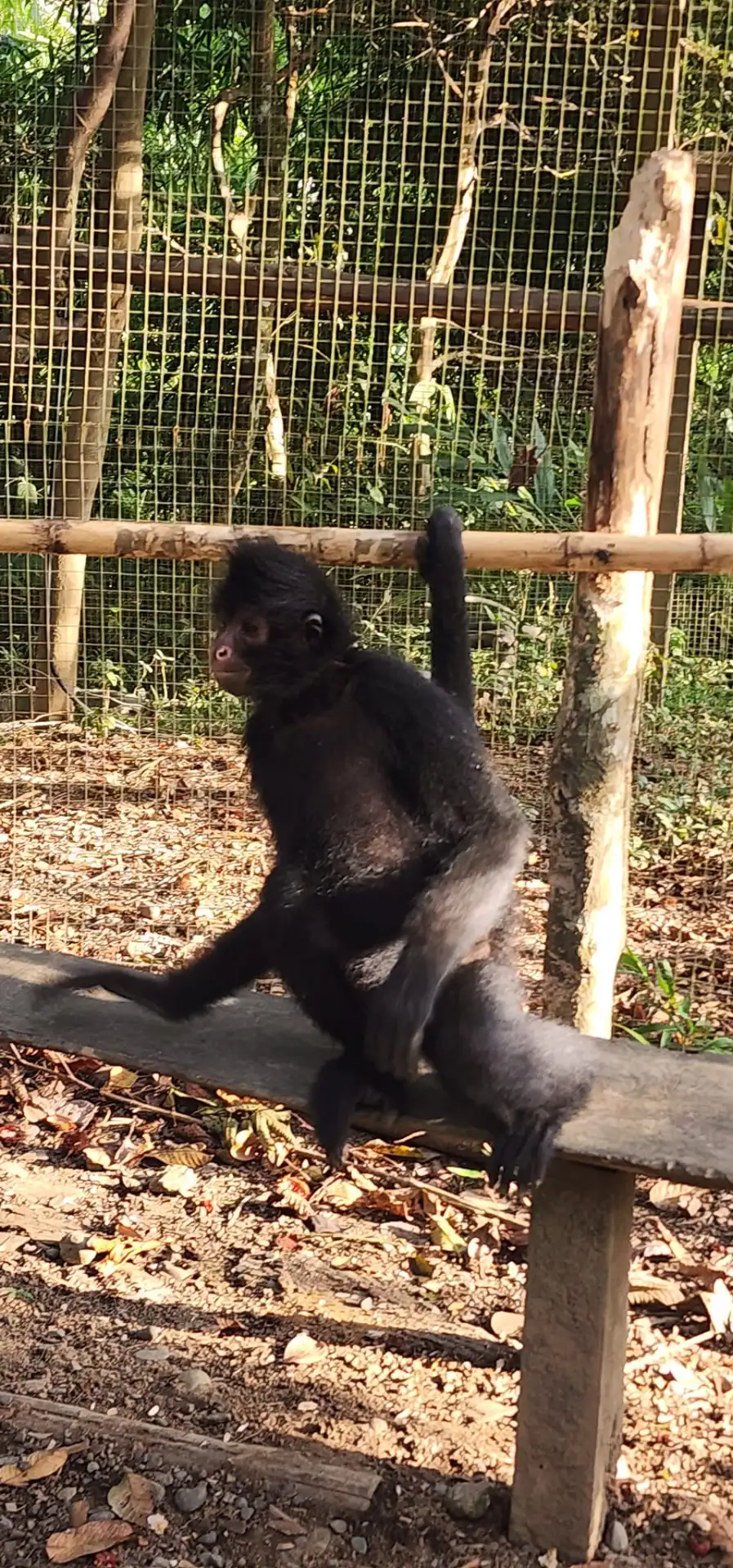
Lower down, around the Madre de Dios River, wildlife becomes more visible. Parrots and macaws gather at clay licks at dawn; capybaras, the world’s largest rodents, graze on riverbanks; hoatzins clamber in the vegetation around lagoons; and at night caimans show up as glowing eyes in the torchlight. Several species of monkeys live in the canopy and bamboo forest.
The forest at night
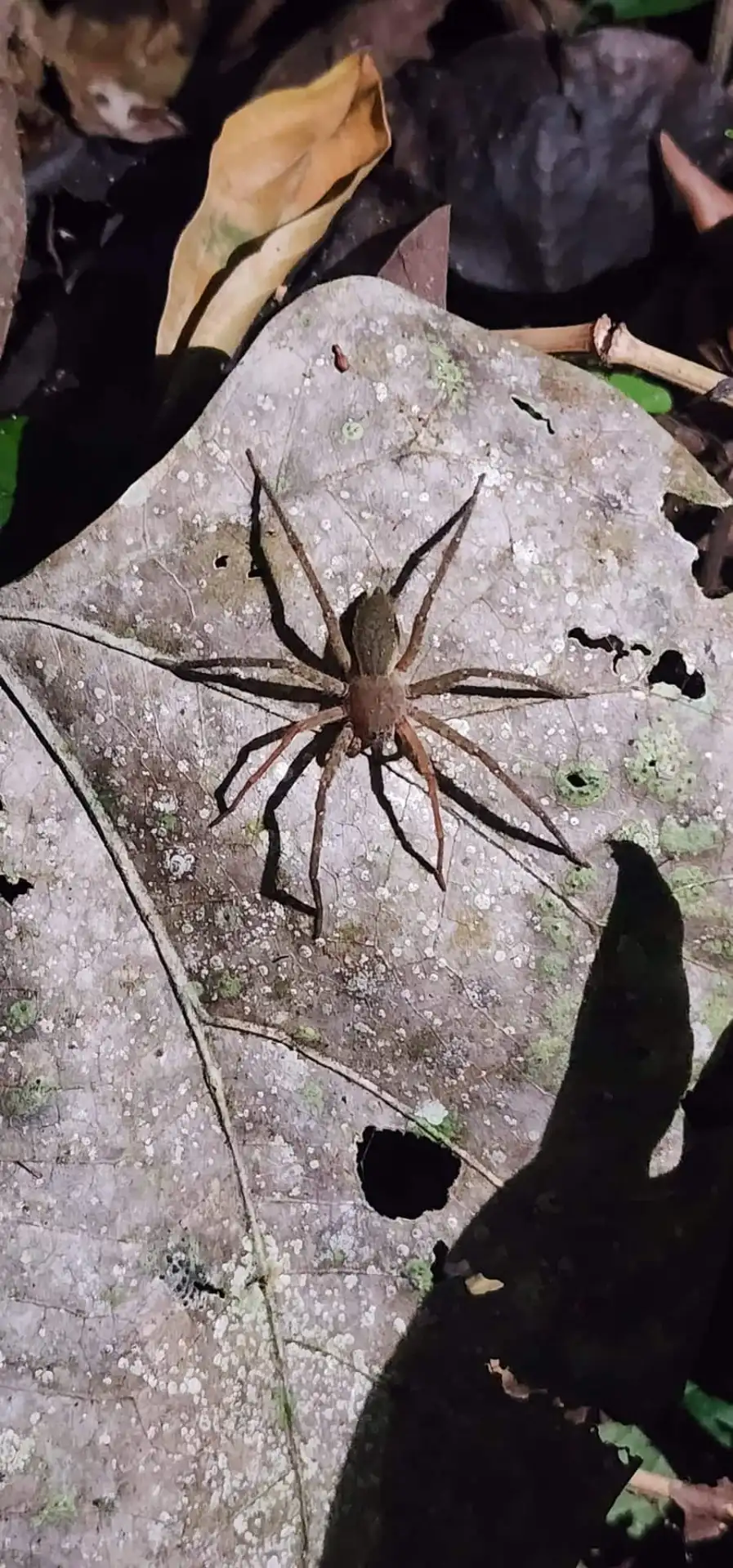
Night walks reveal a different world: frogs, stick insects, spiders, moths and sleeping birds. It is often the part of the trip that surprises travellers most, so bring a headlamp.
What to expect on our tours
Our 3-day and 4-day tours stay at Guadalupe Lodge (about 560 m) and cover the cloud forest, the Madre de Dios River, Machuhuasi Lagoon and a parrot clay lick. Typical sightings include the cock-of-the-rock, parrots and macaws, capybaras, hoatzins, monkeys and, on the 4-day tour’s night boat trip, caimans. Giant otters, tapirs and jaguars live mainly in the remote reserved zone, which requires longer expeditions; on short trips they are very unlikely.
How to see more
- Get up early: dawn is when the forest is most active and the clay lick busiest.
- Move slowly and quietly, and follow your guide’s eyes and ears; the guide carries a telescope.
- Bring binoculars and a camera with a zoom.
- Travel in the drier months, roughly May to October, when roads are easier and animals gather near water.
- Choose 4 days if you can: the extra day is all wildlife, with no extra driving.
Frequently asked questions
On a short trip: the cock-of-the-rock, parrots and macaws, capybaras, hoatzins, monkeys and caimans. Giant otters and tapirs need longer expeditions into the reserved zone.
Very unlikely. Jaguars are elusive, and sightings are rare even on long expeditions.
A riverbank where parrots and macaws gather, mostly at dawn, to eat mineral-rich clay. Activity depends on the weather on the day.
The drier months, roughly May to October, and always early in the morning.
It gives a good introduction. The 4-day tour adds a full day of wildlife activities around the lodge.