Manu Amazon in 4 days: the jungle tour from Cusco, day by day
Four days give the Amazon the time it deserves. Compared with the 3-day trip, this tour adds a full day in the Guadalupe reserve around the lodge — dawn birdwatching, a river swim, caves and bamboo forest, and a night search for caimans — before the river trip to Machuhuasi Lagoon and the parrot clay lick.
The tour at a glance
| Fact | Detail |
|---|---|
| Duration | 4 days, 3 nights at Guadalupe Lodge (about 560 m) |
| Highlights | Cloud forest, Guadalupe reserve, night caiman trip, Madre de Dios River, clay lick |
| Driving | About 7 hours each way, with stops |
| Price | From US $420 per person, shared group of 2–14 |
Day 1: Cusco to the cloud forest and the lodge
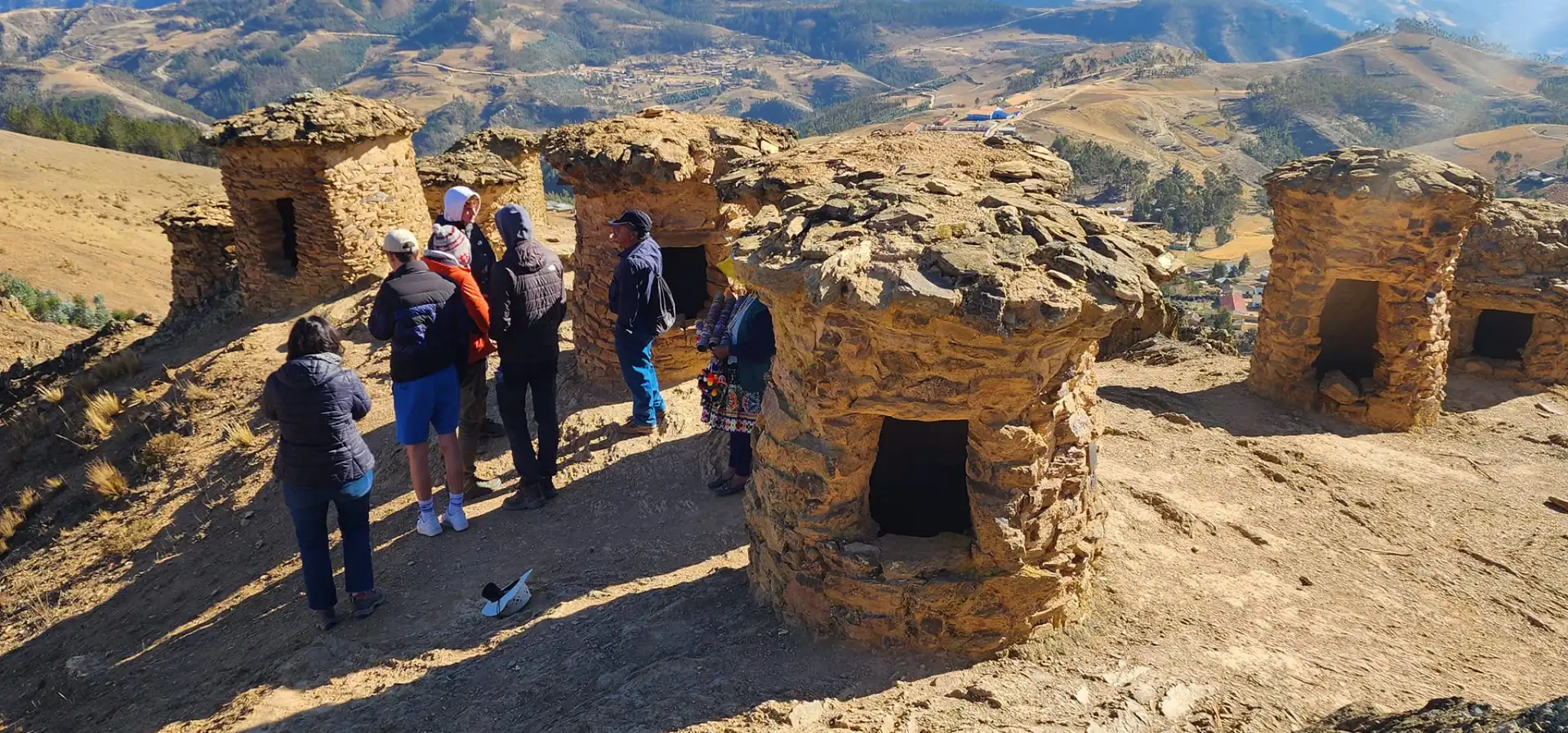
You leave Cusco at about 6:00 am, stopping at Lake Huacarpay, the pre-Inca burial towers of Ninamarca and the colonial town of Paucartambo, then cross the high passes and descend through the cloud forest, home of the cock-of-the-rock. In the evening you reach Guadalupe Lodge for dinner and a first night walk.
Four days in the Amazon
Cloud forest, a full day in the Guadalupe reserve, caimans, Machuhuasi Lagoon and a clay lick, with lodge, meals and guide — from US $420.
Day 2: a full day in the Guadalupe reserve
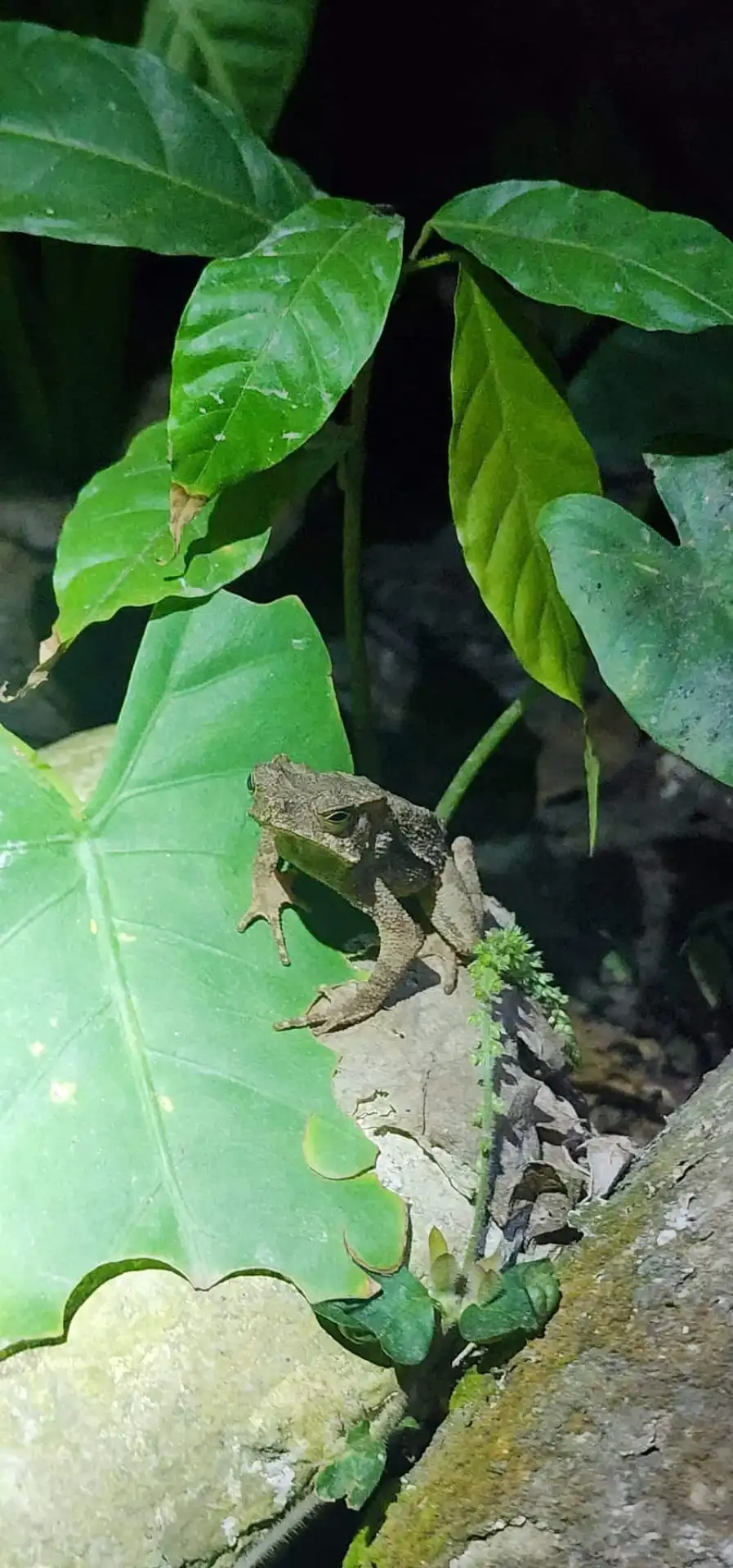
The extra day starts at dawn with a birdwatching walk through the palm forest, looking for macaws, parakeets and the elusive great potoo. After breakfast you can swim in the Guadalupe River. In the afternoon you explore canyons and caves home to bats and insects and walk through bamboo forest where monkeys are often seen. The day ends with a night boat trip to spot caimans by torchlight.
Day 3: the Madre de Dios River and Machuhuasi Lagoon
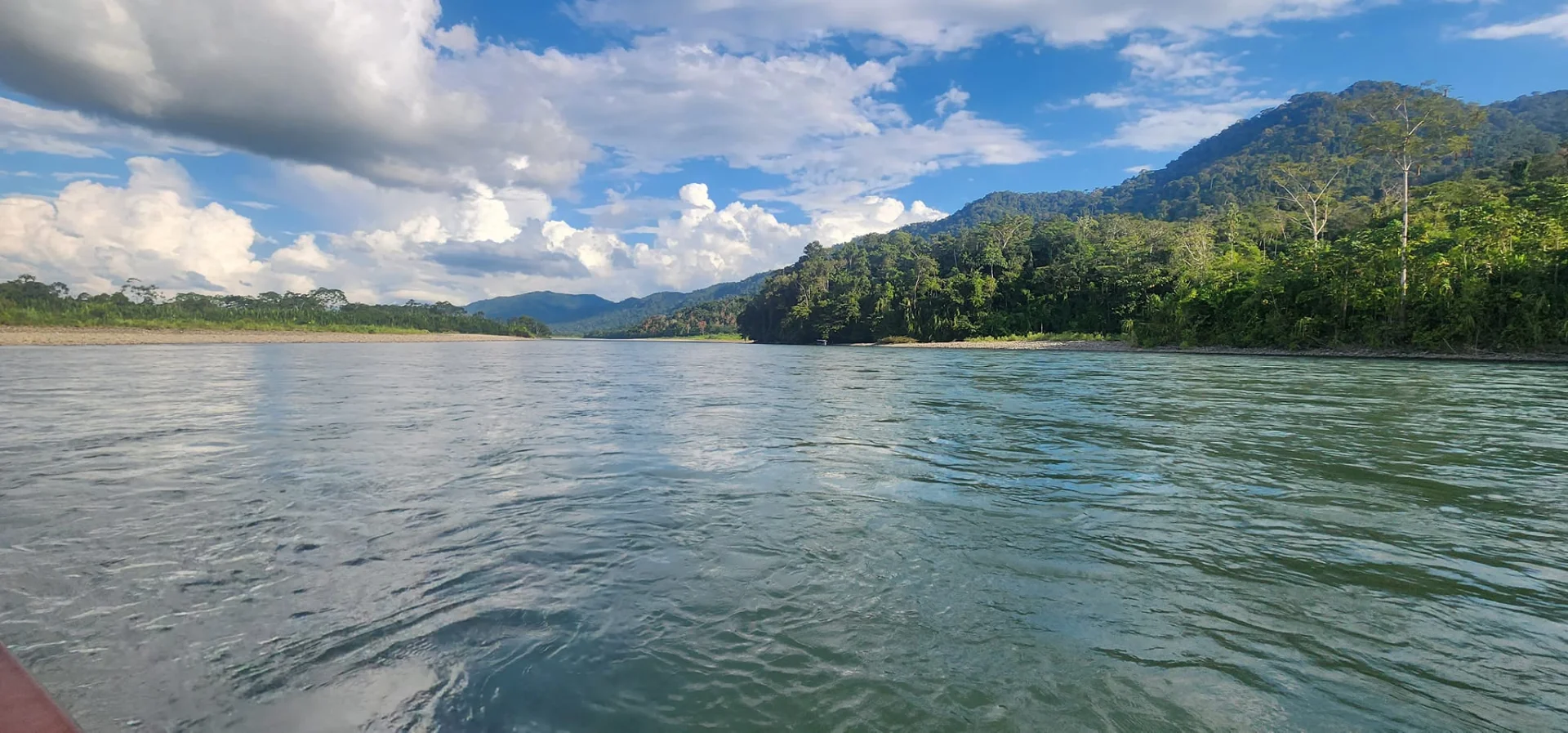
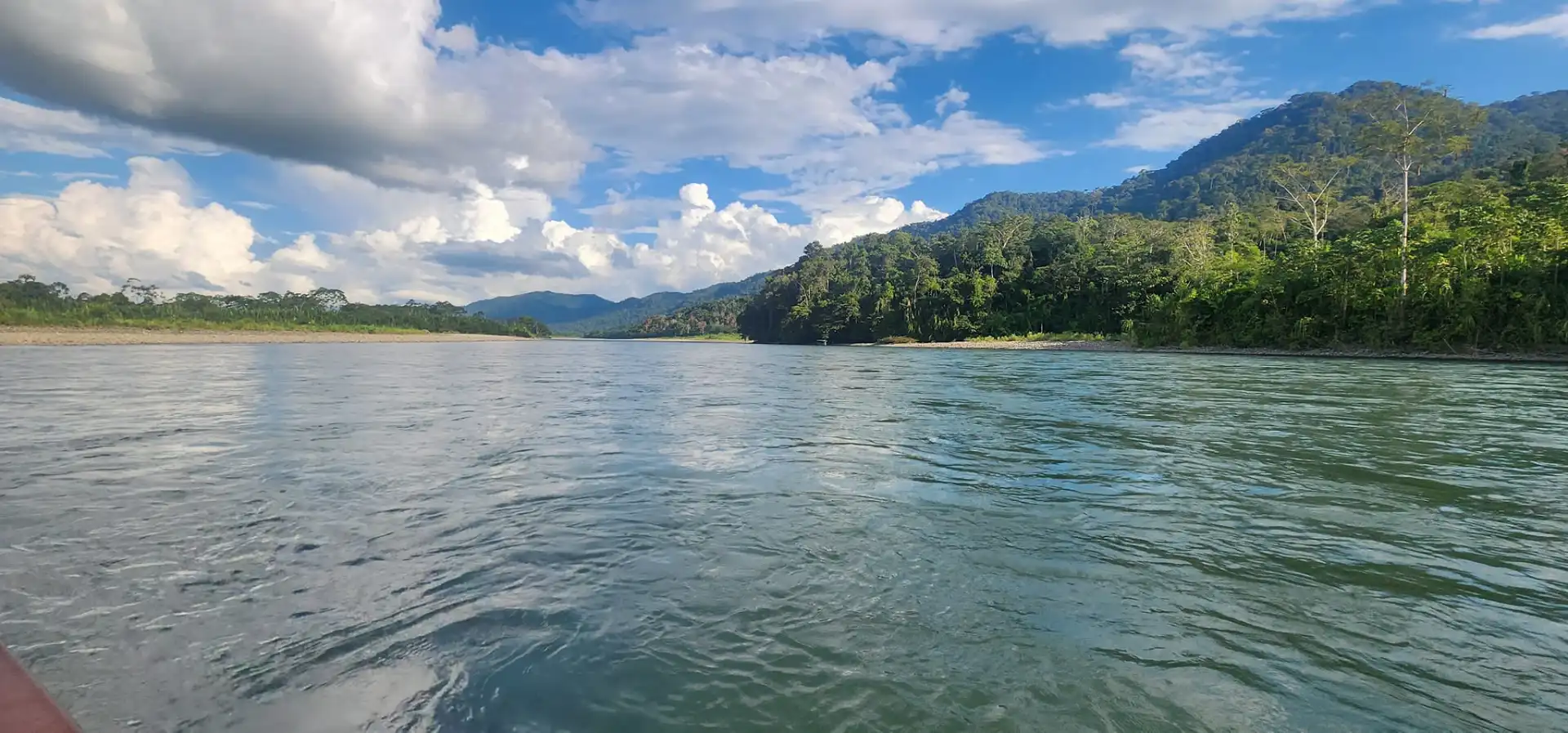
A drive through tropical plantations brings you to the port of Atalaya. A motorboat takes you down the Madre de Dios River (about an hour) to Machuhuasi Lagoon, where trails lead past hoatzins, capybaras, kingfishers and monkeys, and your guide explains the medicinal plants of the forest. Lunch is by the lagoon.
Day 4: the parrot clay lick and back to Cusco
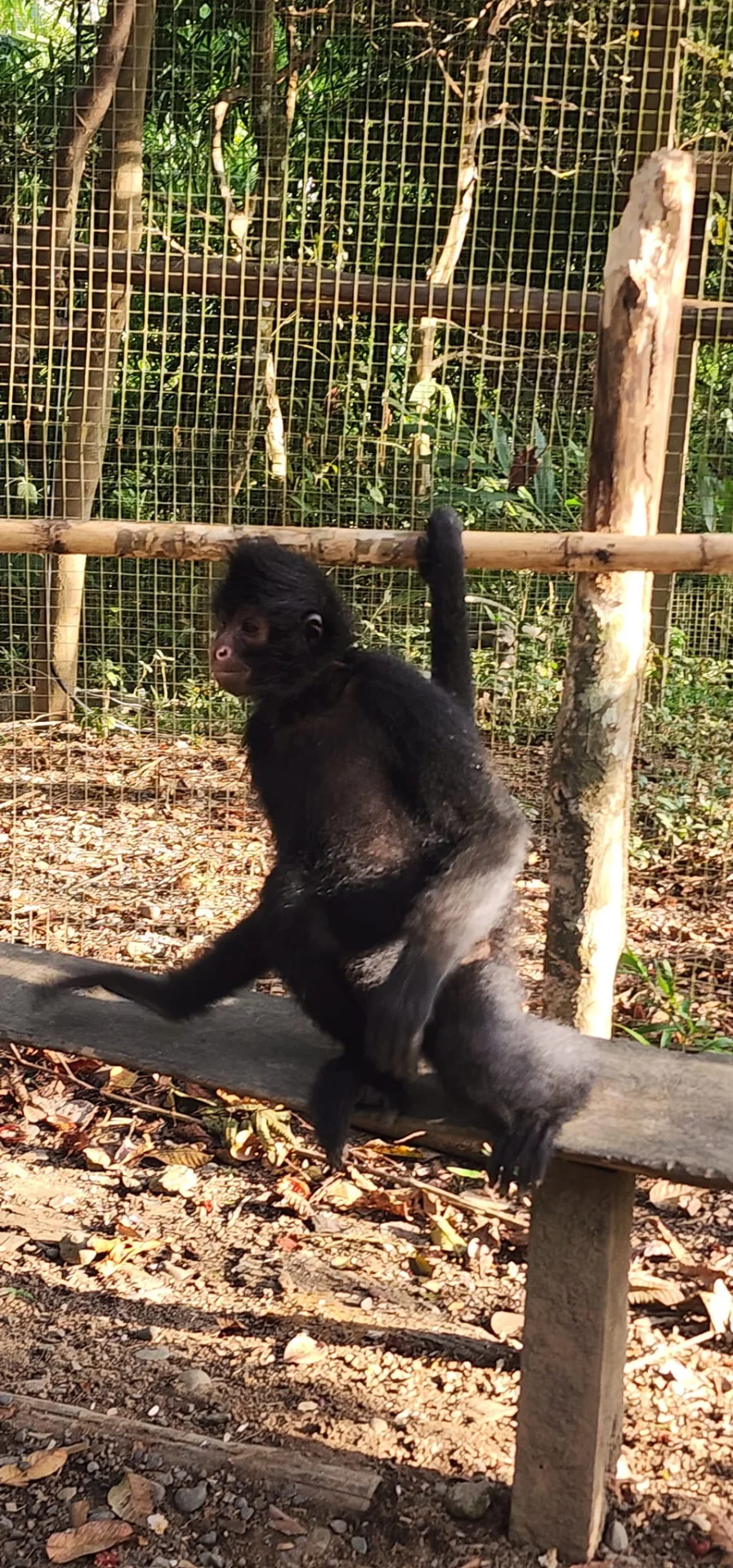
At dawn the boat takes you to a parrot clay lick, where, weather permitting, more than fifteen species of parrots and macaws gather on the riverbank. After breakfast and a visit to a family-run wildlife rescue centre, you drive back to Cusco, arriving at around 5:00 pm.
What is included
| Included | Not included |
|---|---|
| Transport from Cusco and back, and boat trips | Breakfast on day 1 and dinner on day 4 |
| English- and Spanish-speaking guide with a telescope | Alcoholic drinks and sodas |
| Private room with bathroom, hot shower and Wi-Fi at Guadalupe Lodge | Travel insurance |
| Meals as listed, mineral water and snacks | Tips and personal expenses |
| Excursions, entrances, rubber boots and a duffel bag | — |
3 days or 4?
The 3-day tour (from US $390) covers the drive, Machuhuasi Lagoon and the clay lick. For US $30 more, the 4-day tour adds a whole day of wildlife activities without extra driving — and since the road takes about seven hours each way, that extra day makes the trip far more rewarding. Our Manu wildlife guide shows what you might see.
How to prepare
- Two climates: warm layers for the Andean passes, light long-sleeved clothes for the jungle.
- Essentials: insect repellent, rain jacket, headlamp, swimsuit and binoculars.
- Health: ask your doctor about yellow fever vaccination, commonly recommended for the Peruvian Amazon.
- Season: the drier months, roughly May to October, mean easier roads and less rain.
Frequently asked questions
The 4-day tour adds a full day in the Guadalupe reserve: dawn birding, a river swim, caves, bamboo forest and a night caiman trip, for US $30 more.
From US $420 per person in a shared group, with transport, lodge, guide, boat trips and most meals.
At Guadalupe Lodge, at about 560 m, in a private room with bathroom, hot shower and Wi-Fi.
Very unlikely. Expect birds, monkeys, capybaras, caimans and the parrots at the clay lick; wildlife is never guaranteed.
About seven hours each way from Cusco, with stops on the way in.