Best time to visit Machu Picchu: a month-by-month guide
Machu Picchu is open every day of the year, but the experience changes a lot with the season. The dry months (May to September) bring blue skies and big crowds; the rainy season (November to March) brings green mountains, mist and far fewer people. This guide breaks down the year month by month so you can choose the timing that suits you — and explains why the time of day matters almost as much as the month.
The short answer
- Best weather: May to September, with June to August the driest — and busiest.
- Best balance: April, May, September and October: mostly dry and less crowded.
- Fewest people: November to March, with rain most afternoons.
- Avoid for the Classic Inca Trail: February, when the trail is closed for maintenance.
Dry season vs rainy season
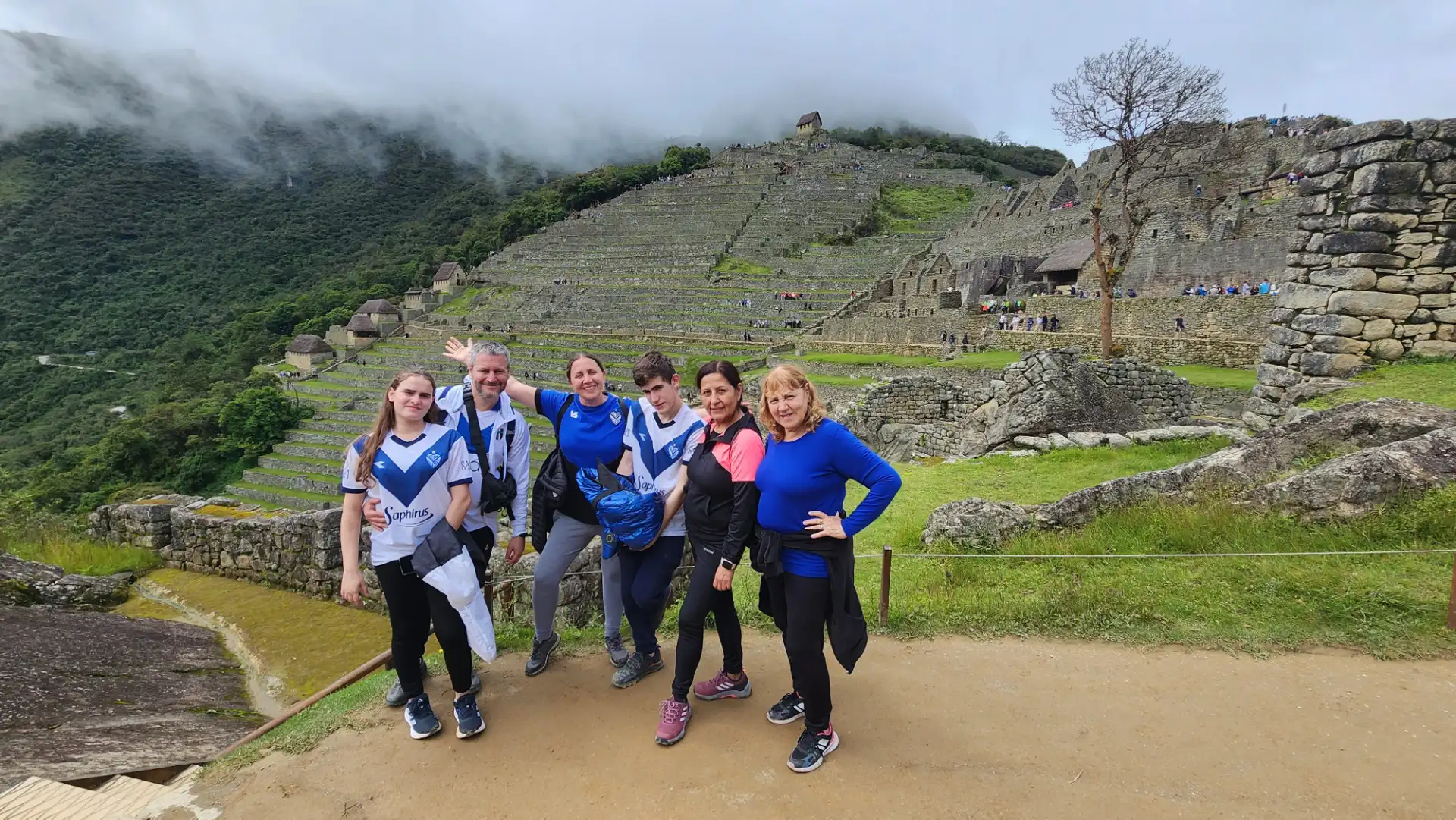
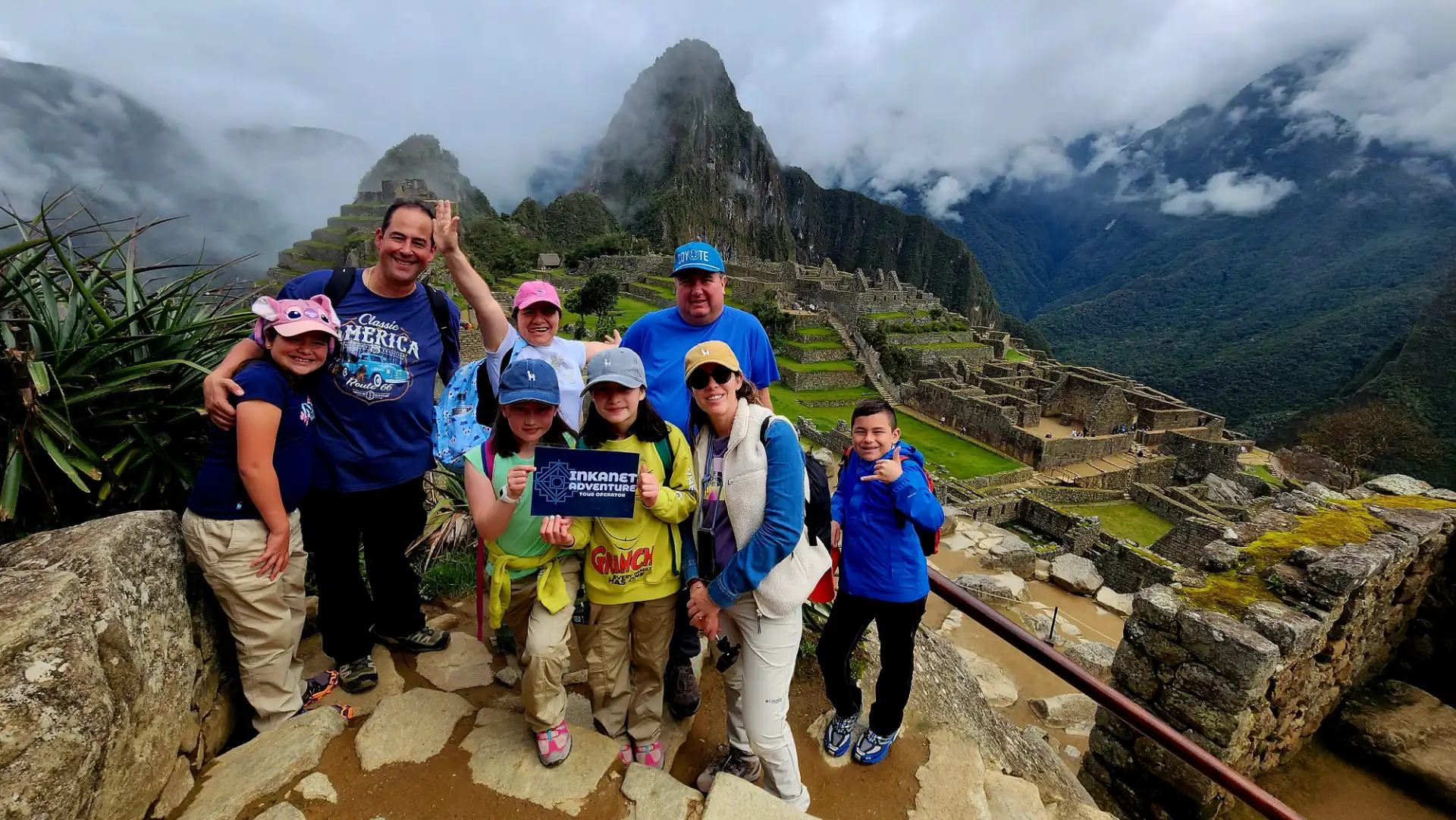
Machu Picchu sits at 2,430 m on the edge of the Amazon cloud forest, so it is warmer and more humid than Cusco: days are mild most of the year, around 20–25 °C. In the dry season mornings often start with mist that lifts by mid-morning, revealing the classic view; rain is rare. In the rainy season showers are frequent — usually in the afternoon — and clouds may drift across the ruins, which can be magical or frustrating depending on your luck. Trails are slippery, but the site never closes for rain.
Pick your dates for Machu Picchu
We book entrance, train, bus and guide for the best slot of your day.
Machu Picchu month by month
| Month | Weather | Crowds | Our note |
|---|---|---|---|
| January | Rainy, warm | Low | Lush and quiet; pack a rain jacket |
| February | Wettest month | Low | Classic Inca Trail closed; the site stays open |
| March | Rainy, improving | Low | Green landscapes, fewer people |
| April | Mostly dry | Medium | Excellent balance of weather and crowds |
| May | Dry, clear | Medium–high | One of the best months overall |
| June | Dry, cold nights | Very high | Inti Raymi festival on 24 June; book early |
| July | Dry, sunny | Very high | Peak season; tickets sell out |
| August | Dry, windy | Very high | Clear skies; book months ahead |
| September | Dry, warmer | High | Great weather, slightly fewer people |
| October | Mostly dry, some showers | Medium | Good value and pleasant temperatures |
| November | Showers begin | Low–medium | Quieter, flowers and green hills |
| December | Rainy | Medium (holidays) | Busy around Christmas and New Year |
The best time of day
Entry is by timed ticket, from early morning. The first slots offer cooler temperatures and the chance of watching the mist rise, but the view can be hidden for the first hour. Mid-morning usually gives the clearest light in the dry season and is the most popular time. Early afternoon is often quieter as day-trippers leave, with warmer light for photos. On a day tour from Cusco, your entry time is set by the train schedule; we choose the best available slot for your date.
Timing for the Inca Trail and other treks
For multi-day treks the dry season is the safest choice: firm trails, clear passes and cold but starry nights. Classic Inca Trail permits for May to August sell out months ahead, and the trail closes every February. The Salkantay and Lares treks run all year and have more availability, though high passes can be snowy or muddy in the rainy season. See the best time to hike the Inca Trail for details.
Festivals and busy dates
Inti Raymi, the Inca Festival of the Sun, fills Cusco on 24 June, and the whole region is busy around it. Peruvian national holidays at the end of July, Easter week, Christmas and New Year also bring more visitors and higher demand for trains. If you travel on these dates, book tickets and trains as early as possible. Read more in our guide to Inti Raymi and Cusco festivals.
Tips whatever the season
- Book early: entrance tickets are capped daily — see our tickets and circuits guide.
- Pack a rain jacket in every month; showers can happen even in July.
- Use insect repellent: sandflies are common, especially in the warmer, wetter months.
- Bring sun protection: the sun is strong even when it feels mild.
- Stay flexible: a spare day in Cusco helps if weather or trains change plans.
Frequently asked questions
May and September offer the best combination of dry weather and fewer crowds. June to August are the driest but also the busiest months.
Yes, every day of the year. Only the Classic Inca Trail closes, during February.
Yes, if you accept some rain. The mountains are green, there are fewer people, and showers usually come in the afternoon.
From November to March, apart from the Christmas and New Year holidays. Early afternoon entries are also quieter than mid-morning ones.
Two to three months ahead for entrance tickets and trains, and four to six months for the Classic Inca Trail.