Ausangate trek in 5 days: complete day-by-day guide
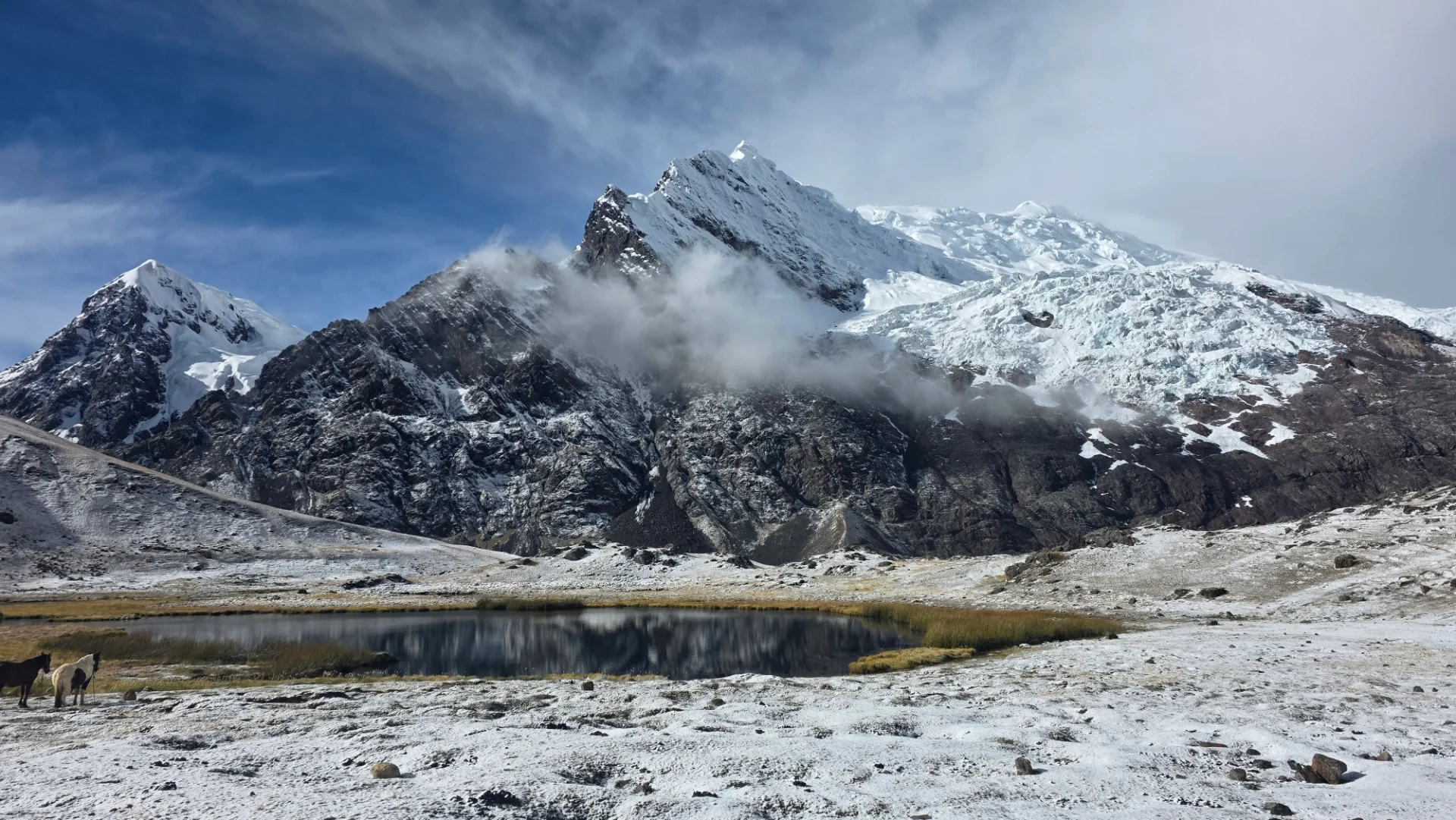
The Ausangate circuit is one of the great high-altitude treks of the Andes: five days around the sacred Ausangate (6,384 m), the highest mountain in the Cusco region, through glaciers, turquoise and red lagoons, herding communities and passes up to 5,200 m — finishing with a soak in natural hot springs. It is remote, demanding and unforgettable.
The trek at a glance
| Fact | Detail |
|---|---|
| Duration | 5 days, 4 nights camping |
| Highest point | Palomino Pass, 5,200 m |
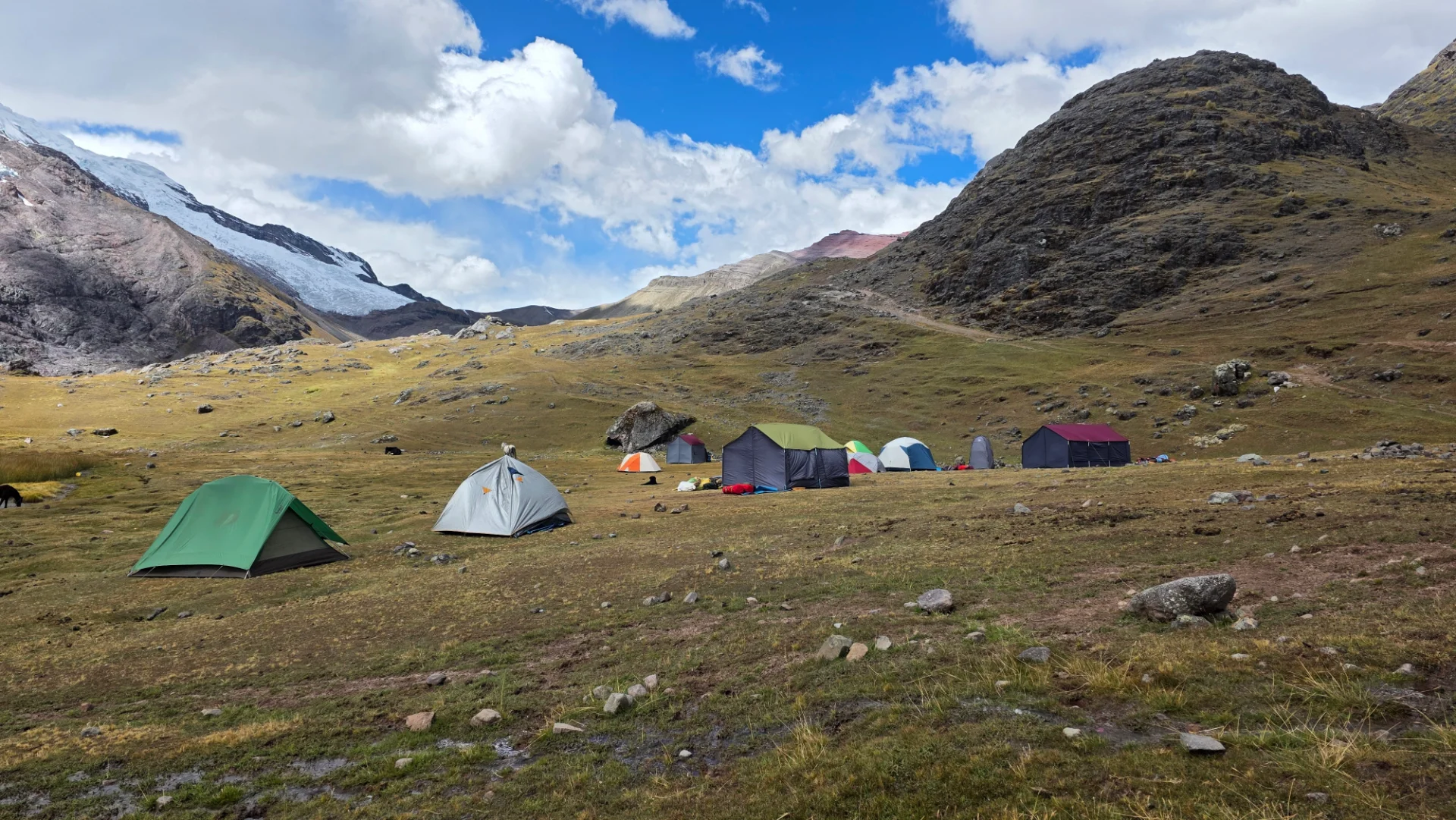
| Camps | Between about 4,100 m and 4,650 m |
| Difficulty | Challenging — for experienced, well-acclimatized hikers |
| Price with us | US $475 |
Day by day
| Day | Route | Highlights |
|---|---|---|
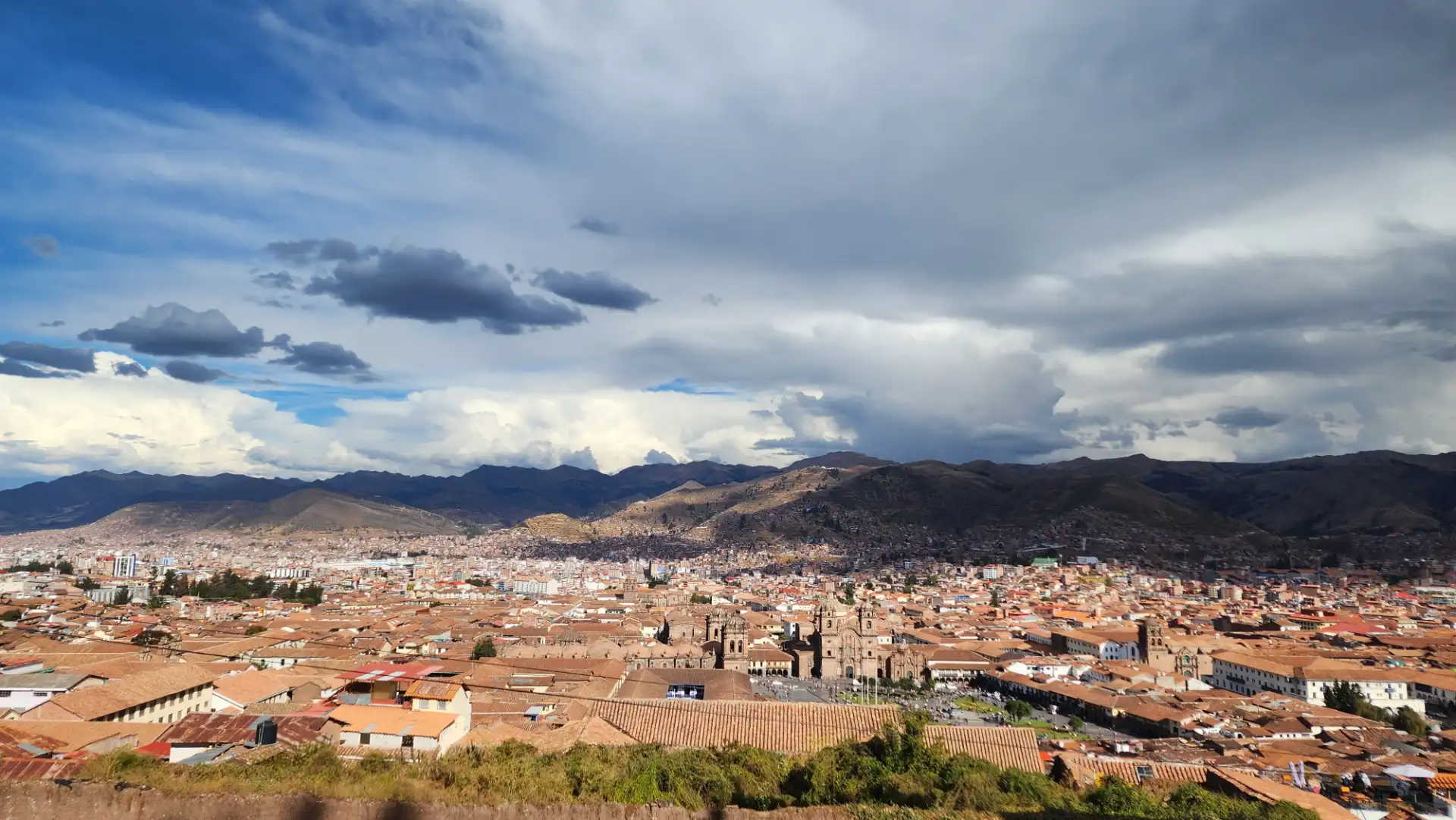
| 1 | Cusco – Tinki – Upis (about 12 km) | Drive via Urcos, meet the muleteers, camp at about 4,100 m |
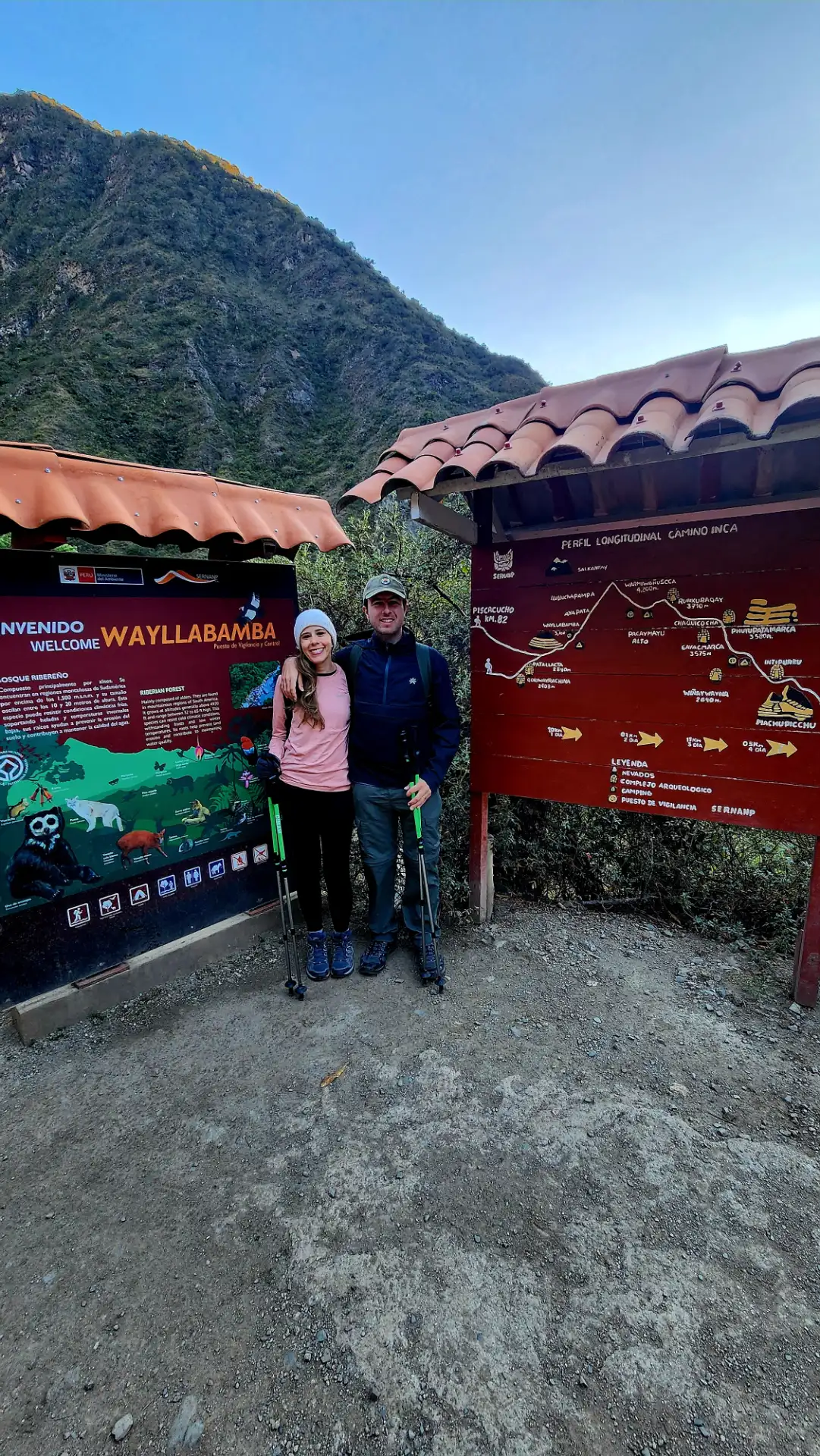
| 2 | Upis – Ausangate Cocha (about 14 km) | Arapa Pass (4,900 m), Queullacocha, Pucapunta Pass (5,000 m) |
| 3 | Ausangate Cocha – Hampa (about 15 km) | Palomino Pass (5,200 m) with views of the Vilcanota range |
| 4 | Hampa – Pacchanta (about 12 km) | Querococha lagoon and the Pacchanta hot springs |
| 5 | Pacchanta – Tinki – Cusco | Descent through pastures, about 3 hours’ drive to Cusco |
Circle the sacred Ausangate
Five days with guide, chef, horses, full camping gear and hot springs — US $475.
What makes it special
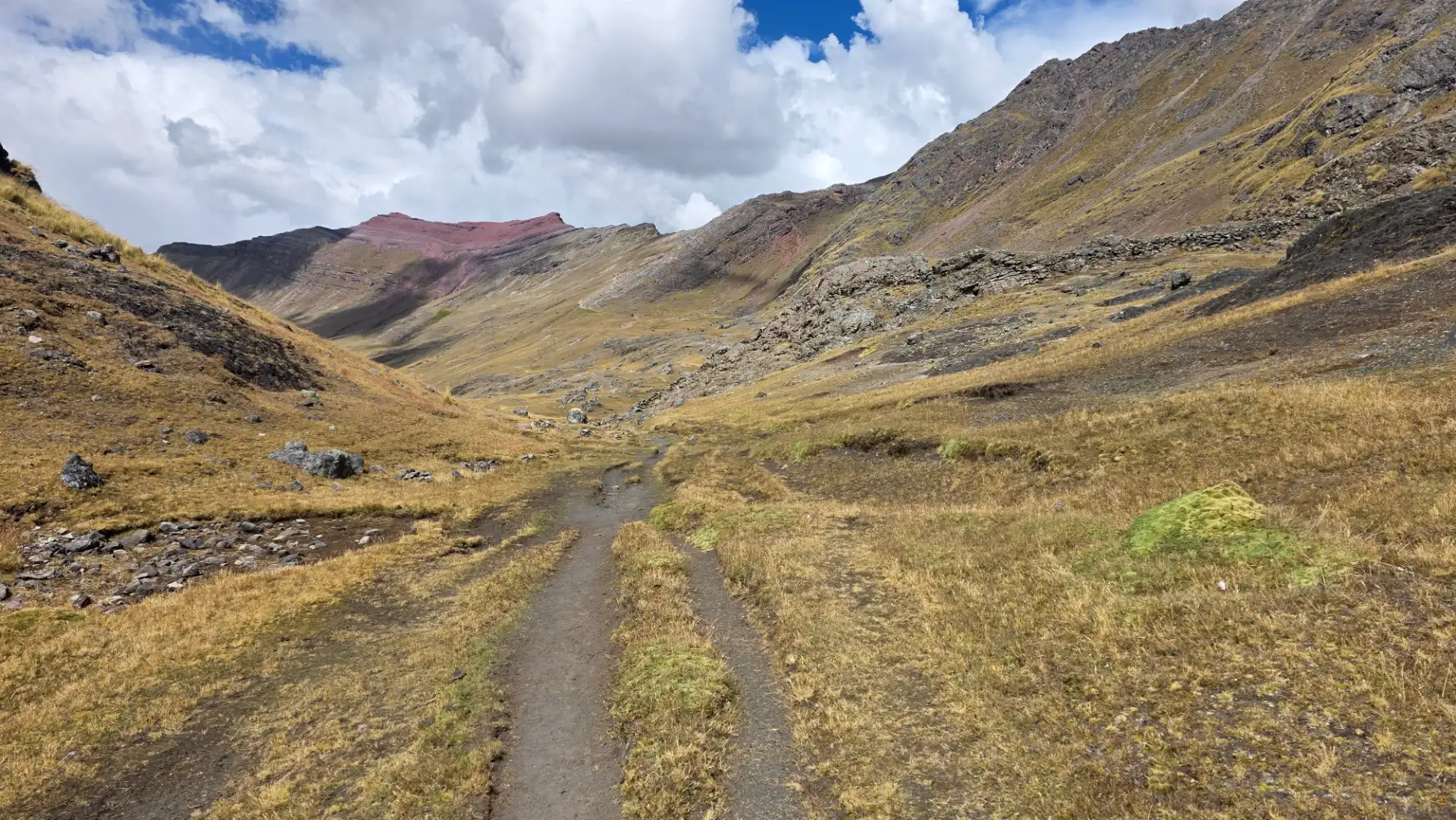
Few treks offer this much wilderness so close to Cusco. You walk beneath the glaciers of Ausangate, past lagoons of turquoise and red, among herds of llamas and alpacas and, with luck, vicuñas and viscachas. You also pass through herding communities where Andean life follows its own rhythm. On day four, the Pacchanta hot springs (around 38–42 °C) are the perfect reward.
How hard is it?
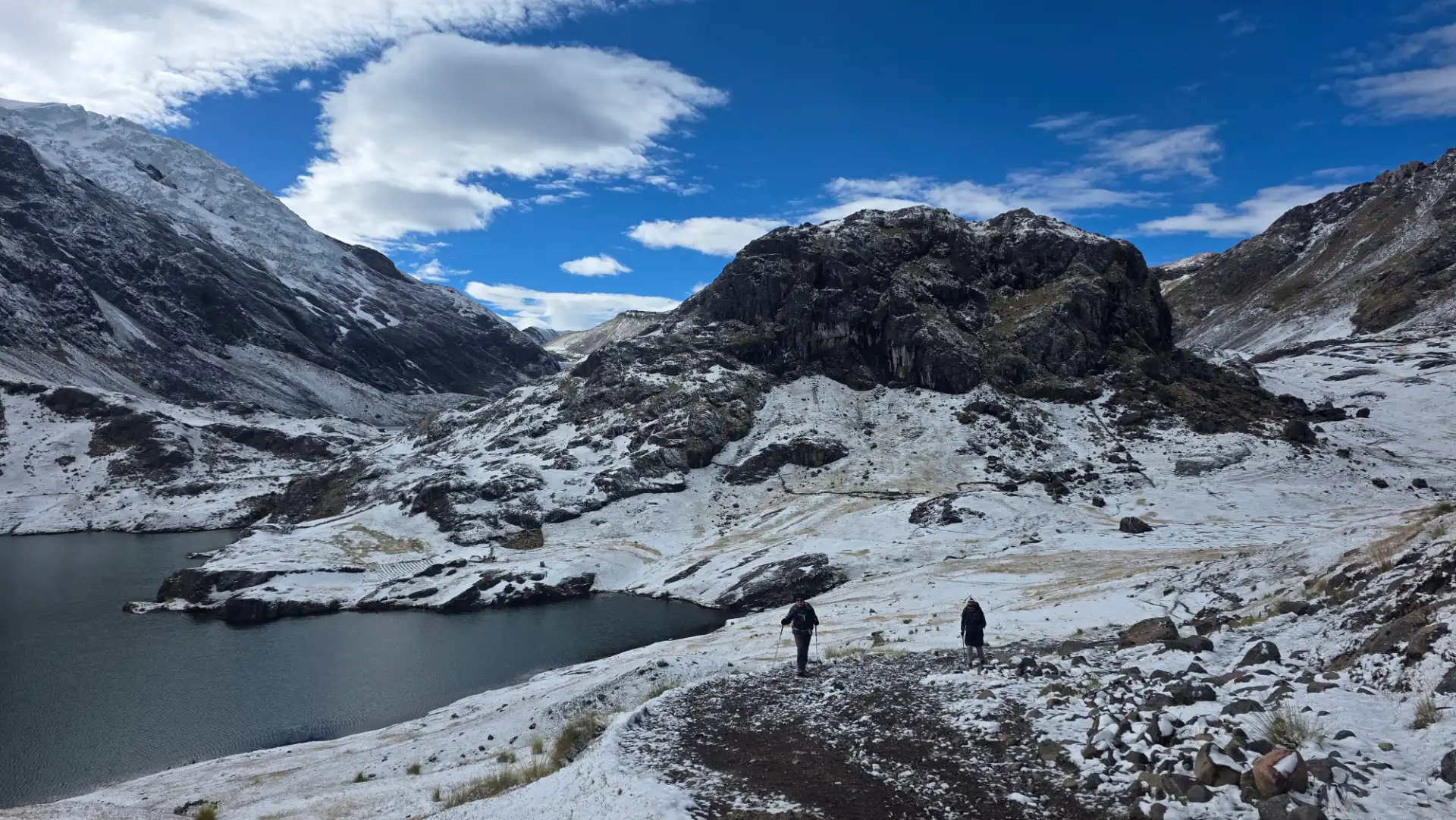
This is a serious high-altitude trek: three passes between 4,900 m and 5,200 m, long days and very cold nights, often below freezing. It is suitable for fit hikers with previous trekking experience. Spend at least three or four days in Cusco first, ideally with another high excursion such as Rainbow Mountain. An emergency horse and oxygen travel with the group. Read our altitude guide and Ausangate for first-timers.
What is included
| Included | Not included |
|---|---|
| Bilingual guide and pre-trek briefing | Sleeping bag (rent US $40) |
| Private transport to the trailhead and back | Trekking poles (rent US $15) |
| Full camping equipment, dining tent and portable toilet | Tips |
| Chef, meals as detailed and drinking water | — |
| Muleteer, horses and an emergency horse; oxygen and medical kit; entrance fees | — |
When to go
The dry season, from May to September, brings clear skies and the best conditions, with very cold nights. In the rainy season, snow and mud can make the passes much harder. If you only have one day, the 7 Lagoons of Ausangate is a superb taste of the area; to combine Ausangate with Rainbow Mountain, see the 4-day Ausangate and Rainbow Mountain guide.
Frequently asked questions
Challenging: three passes between 4,900 m and 5,200 m, long days and freezing nights. It suits fit, experienced and well-acclimatized hikers.
The Palomino Pass, at 5,200 m, on day three.
The mountain reaches 6,384 m; it is the highest peak in the Cusco region.
Yes, the natural hot springs of Pacchanta on day four.
The dry season, from May to September, has the clearest skies and safest conditions.