The Best Time to Hike the Inca Trail, Month by Month
The Inca Trail is open eleven months a year, and each month has something to offer. The dry season brings clear views from Dead Woman’s Pass and freezing nights at camp; the rainy season brings green slopes, mist over the ruins and mud on the stone steps. Here is what each month is really like, and how to choose.
Dry season or rainy season?
Around Cusco, the seasons are defined by rain, not by temperature. Days on the trail are mild all year; what changes is the sky and the nights.
| Dry season (May–September) | Rainy season (December–March) | |
|---|---|---|
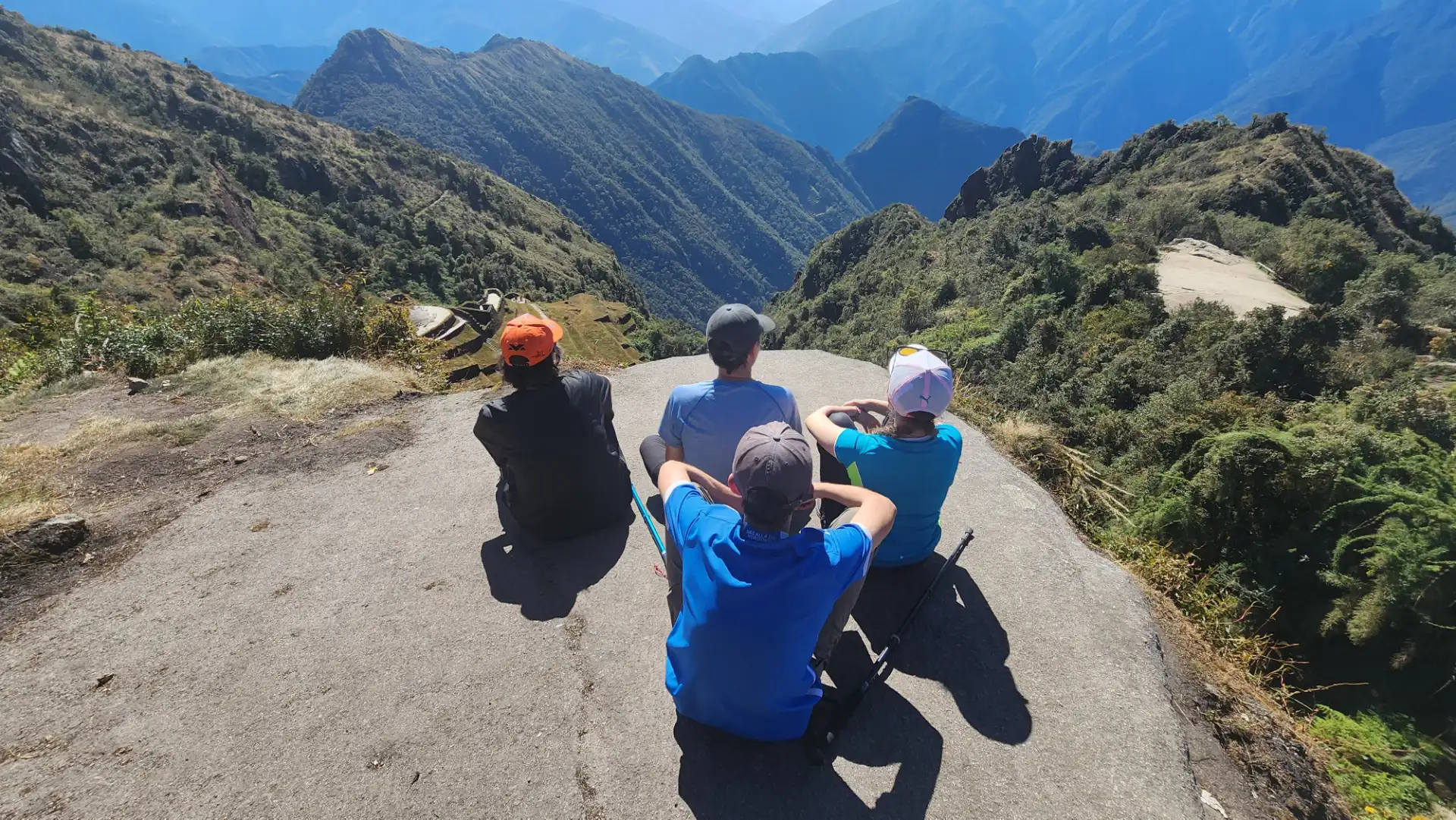
| Weather | Sunny days, clear skies | Showers on most days, usually in the afternoon |
| Nights at camp | Cold, below freezing at Pacaymayo (3,700 m) in June and July | Milder, but damp |
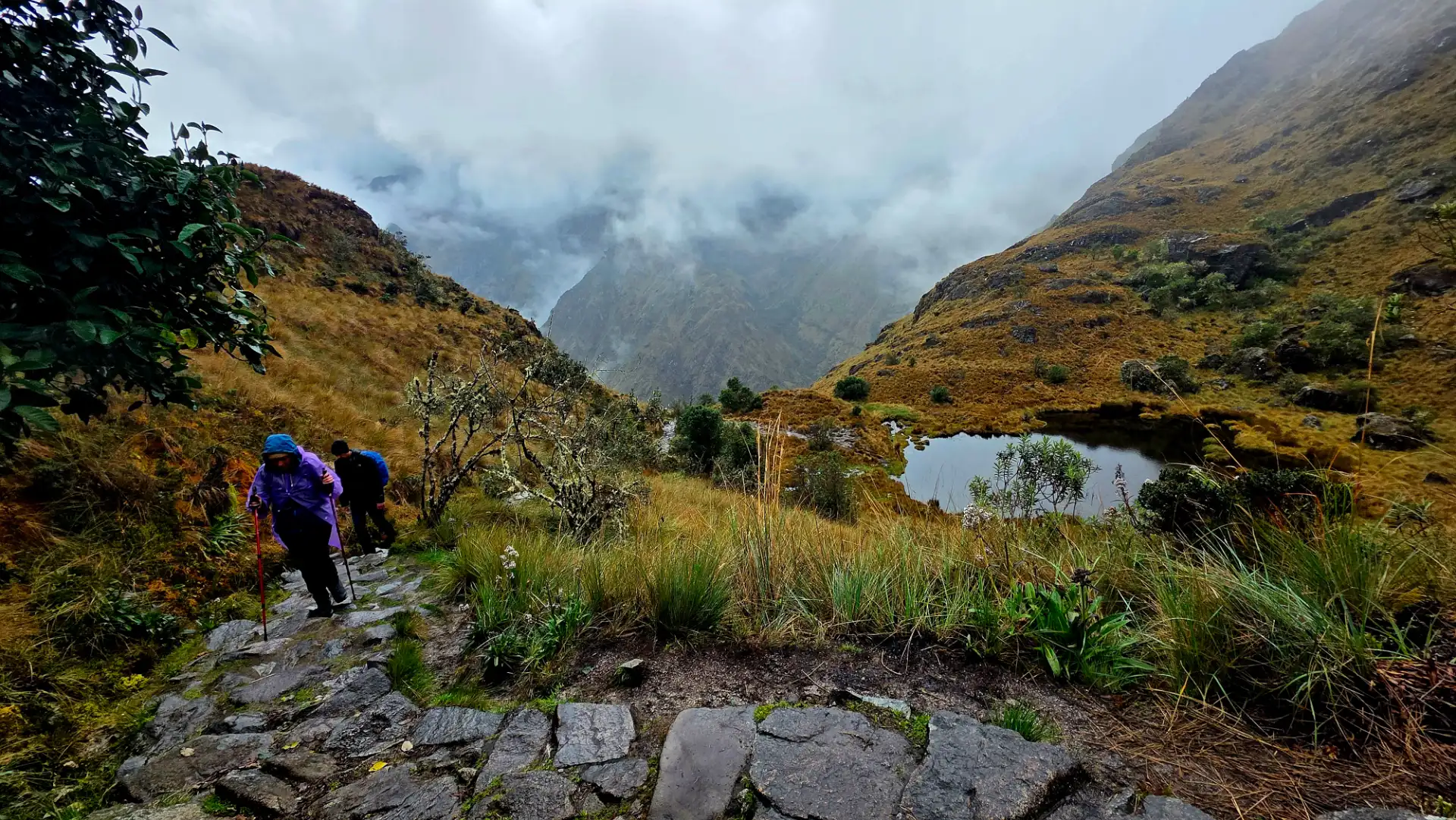
| Trail | Dry and firm | Wet, slippery stone steps |
| Views | Clear from the passes and the Sun Gate | Often misty; dramatic when it clears |
| Permits | Sell out months ahead | Easier to find |
Month by month
- January: one of the wettest months. Very green and quiet, with frequent rain and mud.
- February: the trail is closed for maintenance (see below).
- March: the trail reopens; still rainy, but the landscape is at its greenest and there are few hikers.
- April: the rains fade. Green valleys and more stable weather make it an excellent month.
- May: our favourite. The dry season begins, the slopes are still green and the peak crowds have not arrived.
- June to August: peak season. Blue skies, the clearest views and the coldest nights; permits sell out first.
- September: still dry, a little warmer, and slightly less busy.
- October: mostly dry days with the first afternoon showers. A good balance of weather and crowds.
- November: showers become more frequent, but many days are still fine and the trail is quieter.
- December: the rainy season settles in; holidays bring a short rush around Christmas and New Year.
Hike the Classic Inca Trail
Four days to Machu Picchu through the Sun Gate, with permit, guide, porters and meals — from US $820.
The February closure
Every February the Ministry of Culture closes the Inca Trail network for maintenance and to let the ecosystem recover. No Classic Inca Trail departs that month, and the short Inca Trail routes are closed as well. Machu Picchu itself stays open, so in February you can still reach the citadel by train, on the Machu Picchu day tour, or by an alternative trek such as Salkantay or Lares.
Hiking in the rainy season
Hiking from November to March is perfectly possible, and the trail is quieter and greener. Prepare for it: a good rain jacket and a poncho that covers your backpack, waterproof boots with grip for the wet stone steps, and a dry bag for your sleeping clothes and electronics. Rain usually falls in the afternoon, and the morning arrival at the Sun Gate can be clear, misty or both within an hour.
When to book your permit
Permits for the Classic Inca Trail are limited each day and personal, issued with your passport details. For May to September, book four to six months ahead; for April and October, two to three months; for the rainy season, one to two months is often enough, except around the holidays. Our guide to Inca Trail permits and booking explains the system, and you can check dates in the permit calendar.
Our recommendation
If you can choose freely, go in May, September or October: dry enough for comfortable hiking and wide views, with fewer people than in June to August. If you love photography and clear skies, choose June to August and bring a warm sleeping bag. If you prefer green landscapes and solitude, March, April and November are rewarding. Whatever the month, spend two or three days acclimatizing in Cusco first: the altitude, not the weather, is what most hikers find hardest. Read our complete Inca Trail guide and the packing list to prepare.
Frequently asked questions
May, September and October offer the best balance of dry weather and fewer hikers. June to August are the clearest months, but also the busiest and coldest at night.
Yes. The Inca Trail network closes every February for maintenance. Machu Picchu stays open and can be reached by train or by alternative treks.
Yes, from November to March except February. Expect afternoon rain, muddy steps and misty views, with greener scenery and fewer hikers.
In June and July temperatures at the highest camp, Pacaymayo (3,700 m), often drop below freezing. A warm sleeping bag is essential.
Four to six months for May to September, two to three months for April and October, and one to two months for the rainy season.