Choquequirao to Machu Picchu in 8 days: complete guide
This is one of the great expeditions of the Andes: eight days linking two Inca cities on foot. You descend into the Apurímac Canyon to remote Choquequirao, cross wild mountains past old mines and the village of Yanama, go over a 4,400 m pass beneath glaciers and finish at Machu Picchu. It is for experienced hikers who want true wilderness.
The trek at a glance
| Fact | Detail |
|---|---|
| Duration | 8 days: 6 nights camping, 1 night in a hotel |
| Highest point | La Puerta pass, about 4,400 m |
| Difficulty | Very challenging |
| Permit | Not needed; Choquequirao and Machu Picchu entrances included |
| Price with us | US $930 |
Day by day
| Day | Route | Camp / night |
|---|---|---|
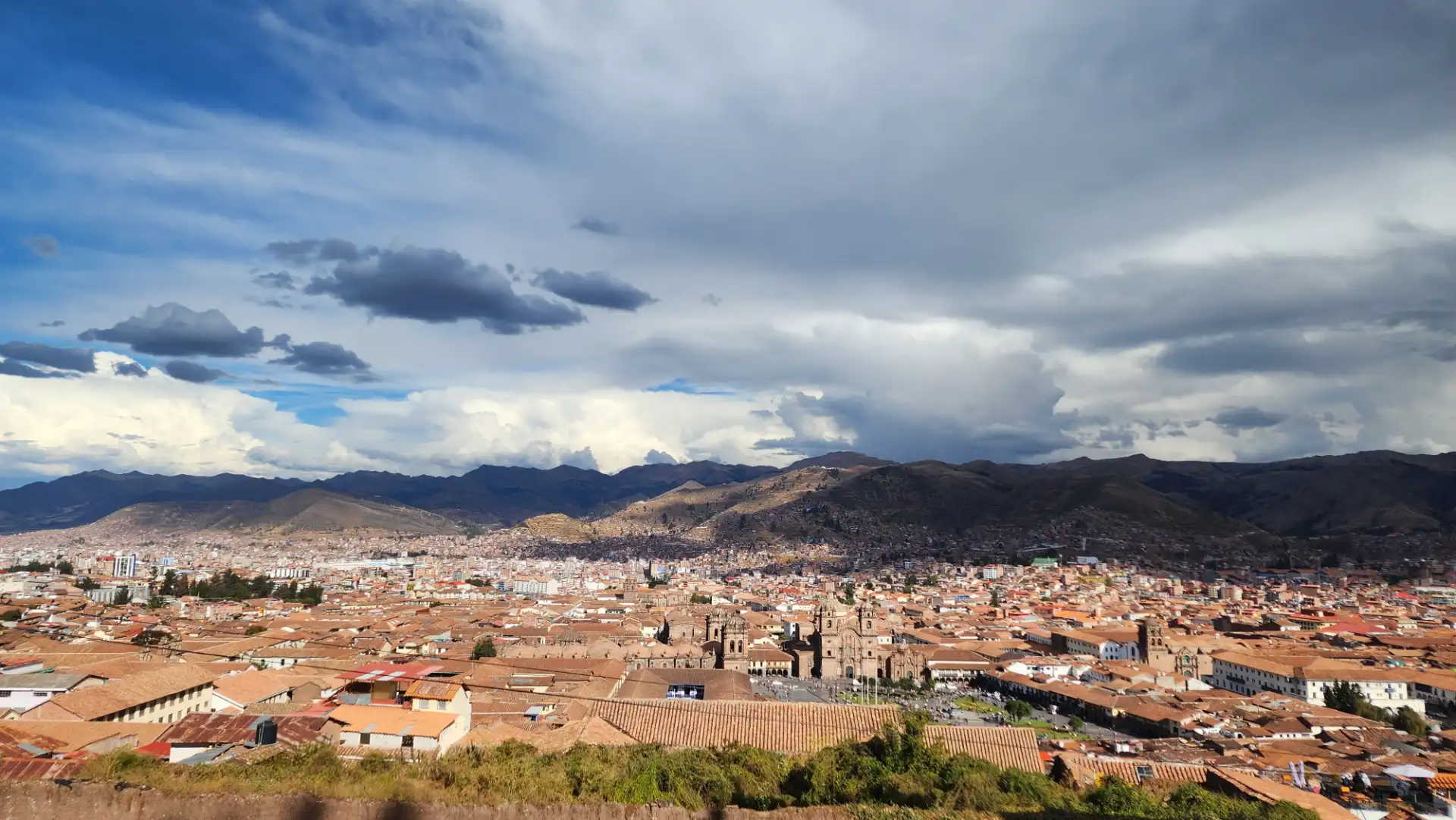
| 1 | Cusco – Cachora – Capulichayoc viewpoint – descent into the canyon | Chikisca, about 1,800 m |
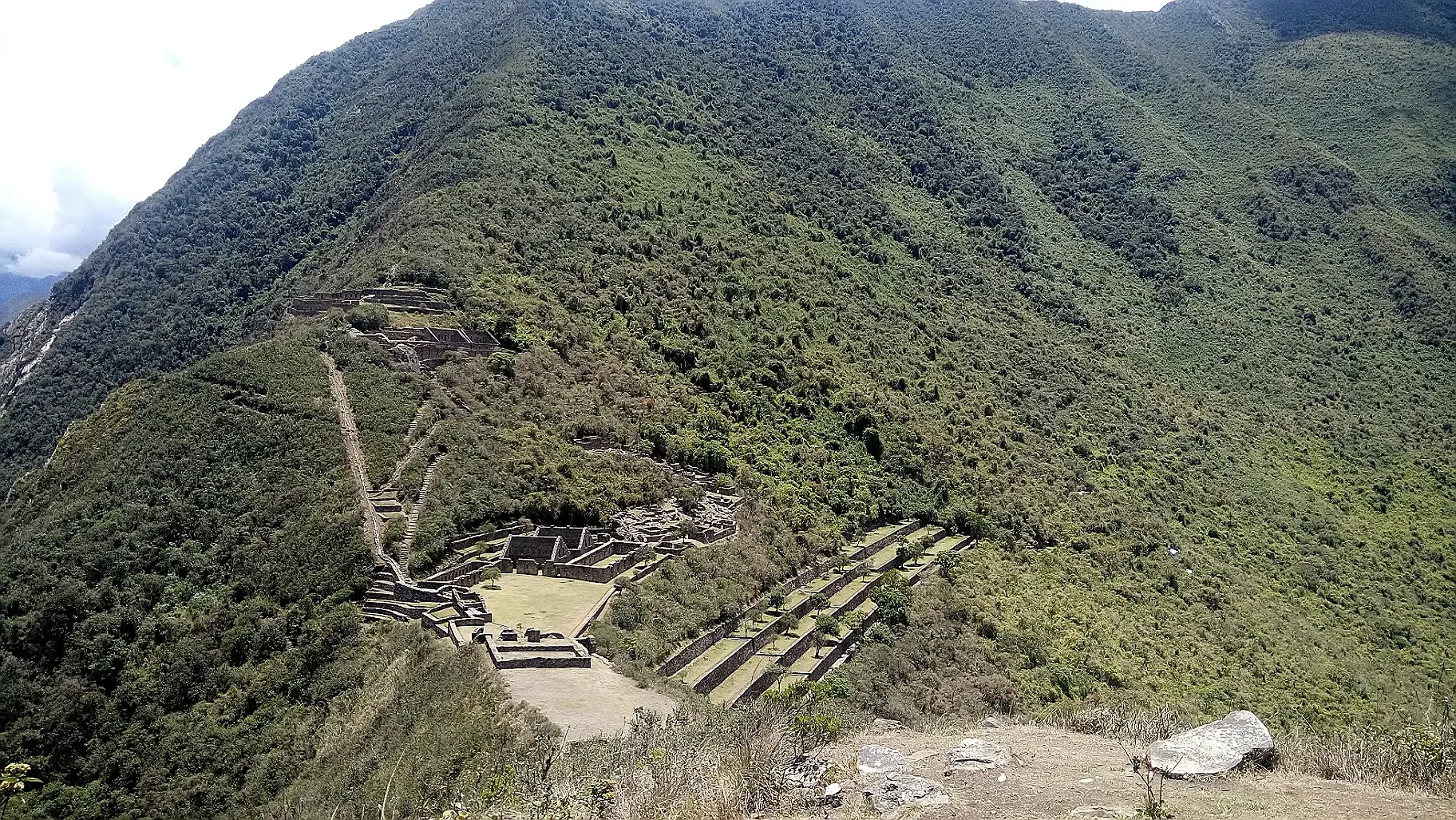
| 2 | Playa Rosalina – Marampata – Choquequirao | At the ruins, 3,033 m |
| 3 | Full guided tour of Choquequirao | At the ruins |
| 4 | Over the mountain past Qorihuayrachina and the Pincha Unuyoq terraces | Santa Rosa, about 2,200 m |
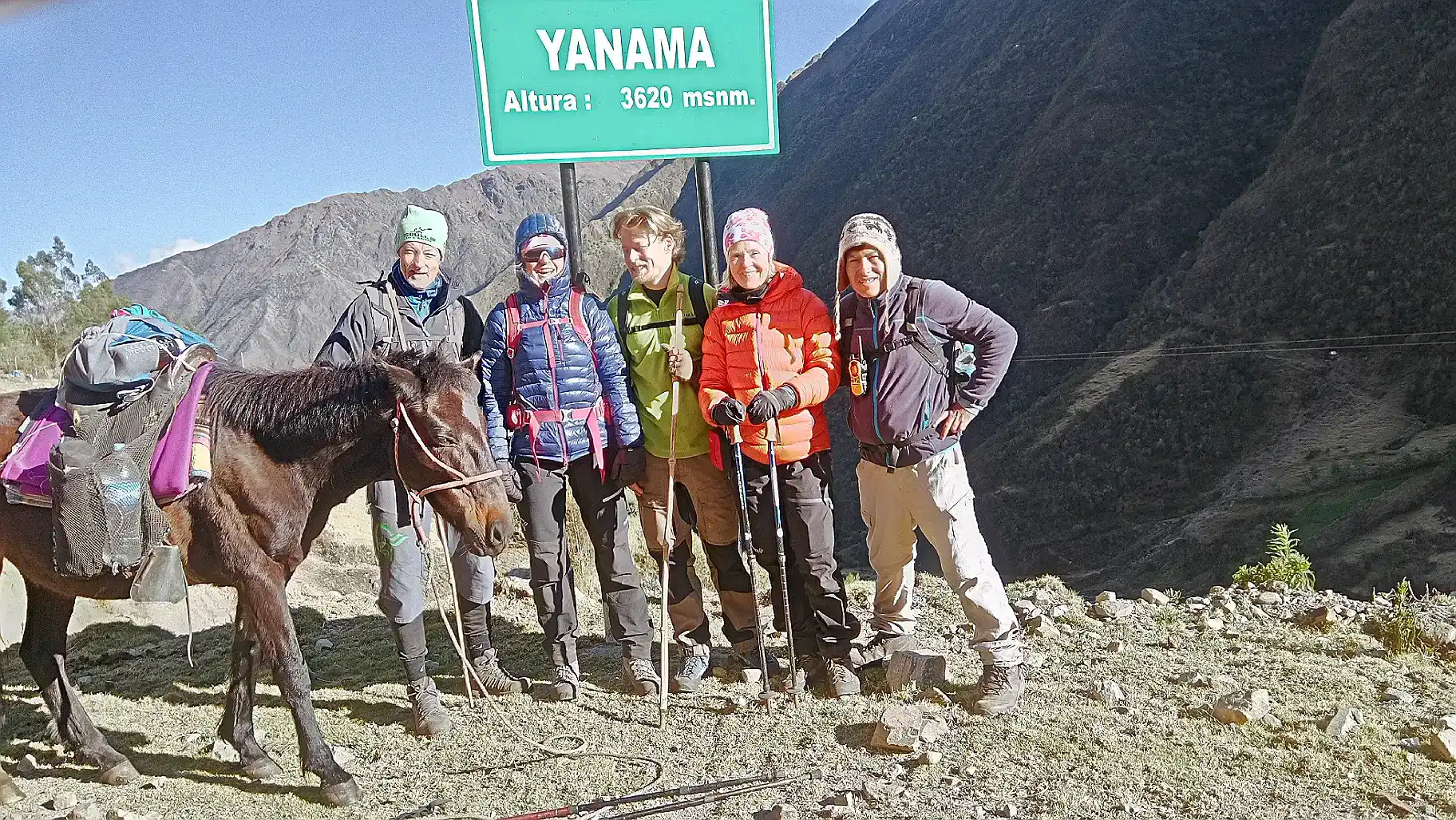
| 5 | Inca trails past old silver mines, close to 4,000 m | Yanama, about 3,520 m |
| 6 | La Puerta pass (about 4,400 m) among waterfalls and glaciers | La Playa, about 2,400 m |
| 7 | Inca trail to Llactapata, Hidroeléctrica, walk to Aguas Calientes | Hotel in Aguas Calientes |
| 8 | Guided tour of Machu Picchu, train and transfer to Cusco | — |
Link two Inca cities on foot
Eight days from Choquequirao to Machu Picchu with guide, chef, mules, hotel, train and entrances — US $930.
The highlights
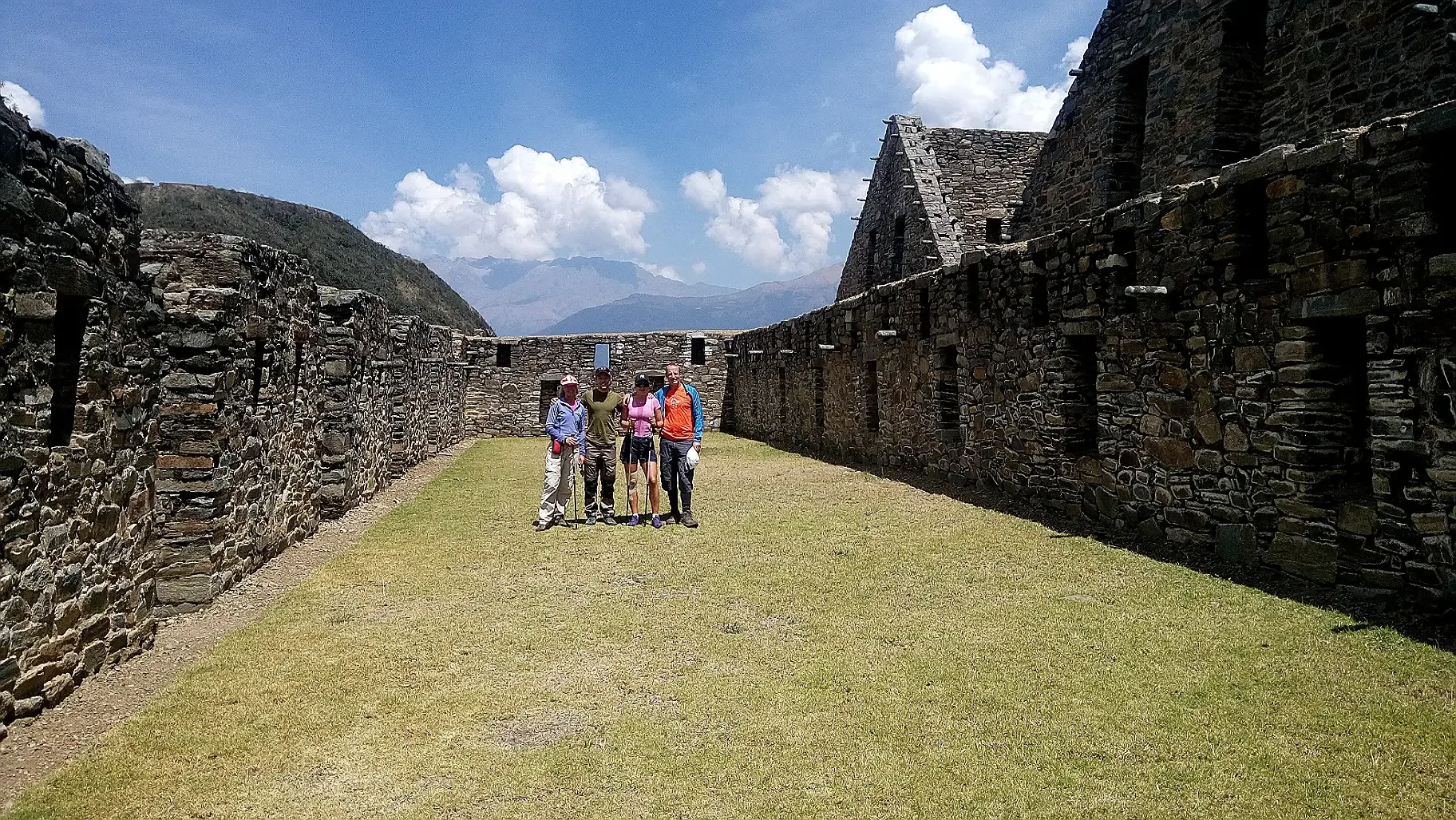
- Choquequirao, with a whole day to explore a huge Inca city, much of it still unexcavated, with condors over the canyon.
- Pincha Unuyoq and other little-visited Inca terraces on the way.
- Yanama, a remote Andean village, and the high pass beneath glaciers.
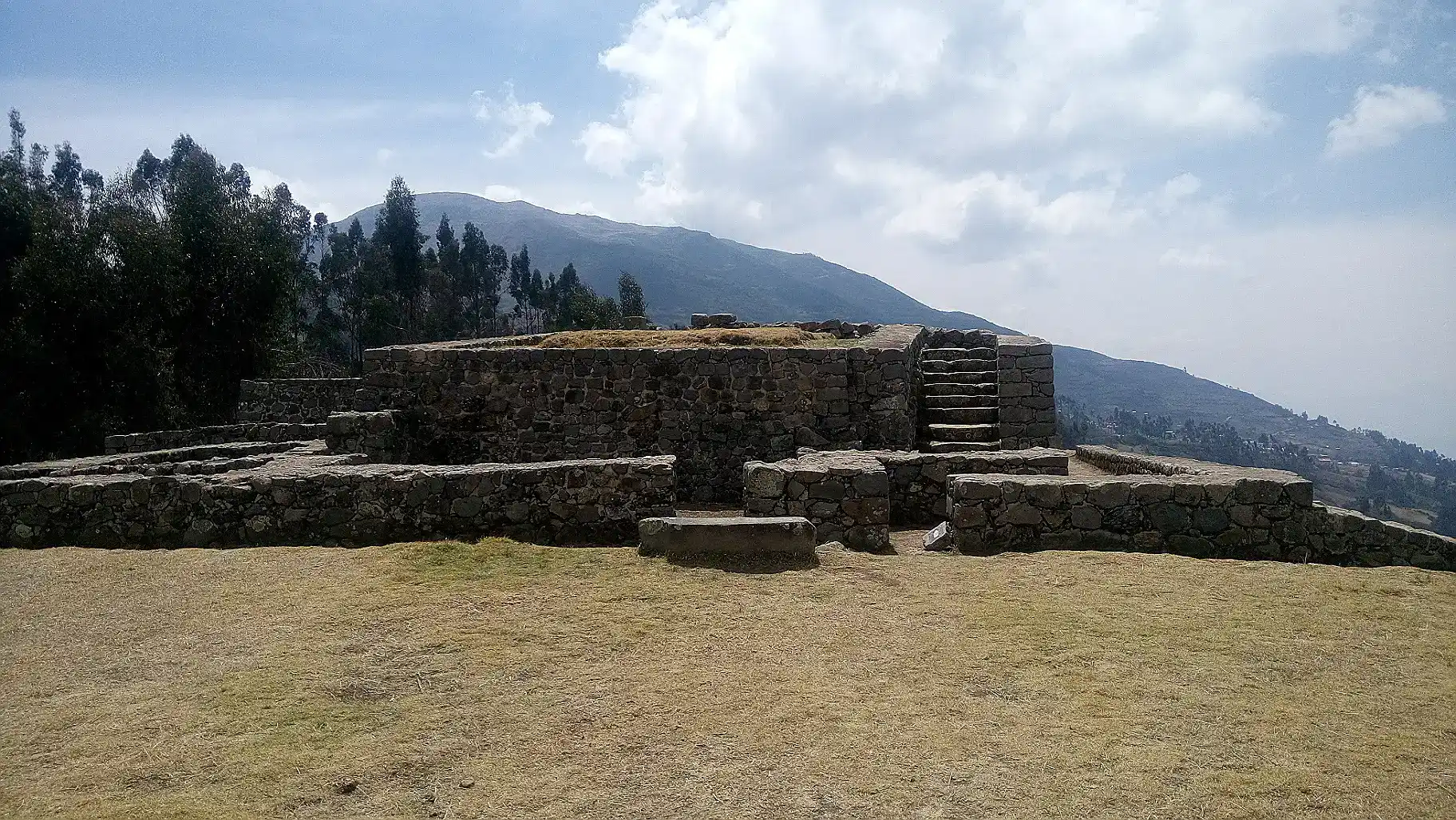
- Llactapata, an Inca site with a distant view of Machu Picchu, before the final day at the citadel.
How hard is it?
This is a true expedition: several days with elevation gains of more than 1,200 m, a descent into a hot canyon, a pass of about 4,400 m and long days on remote trails. It suits fit hikers with multi-day trekking experience. Acclimatize for at least two or three days in Cusco and train seriously on hills beforehand. Mules carry the camping gear and an experienced team cooks and sets up camp.
What is included
| Included | Not included |
|---|---|
| Hotel pickup and private transport to Cachora | Sleeping bag and trekking poles (rent in Cusco) |
| Bilingual guide, chef, full camping equipment, mules and muleteers | Huayna Picchu (optional) |
| Meals as detailed (vegetarian on request), oxygen and first-aid kit | Tips and personal expenses |
| Choquequirao and Machu Picchu entrances, guided tour of Machu Picchu | — |
| Hotel night in Aguas Calientes, return train and transfer to Cusco | — |
Other options
Short on time? The 4-day and 5-day Choquequirao treks return to Cusco. Want an even longer route through the Salkantay range? See the 9-day trek. The best time to go is the dry season, from May to September.
Frequently asked questions
Very challenging: big descents and climbs, a pass of about 4,400 m and long days in remote terrain. For experienced, well-acclimatized hikers.
No trekking permit is needed. The Choquequirao and Machu Picchu entrances are included in our tour.
Six nights camping, two of them at Choquequirao, and one night in a hotel in Aguas Calientes.
On day seven you hike from La Playa to Llactapata, descend to Hidroeléctrica and walk to Aguas Calientes.
The dry season, from May to September.