Inca Trail or train to Machu Picchu?
It's the first big decision of any Machu Picchu trip: walk there on the Inca Trail, or ride the scenic train? Neither is better — they're different experiences, and the right choice depends on your time, fitness and what you want the trip to feel like. Here's an honest comparison to help you decide.
The two options at a glance
Both end at the same place; how you get there shapes the whole trip.
| Factor | Inca Trail (trek) | Train |
|---|---|---|
| Time | 4 days (or 1–2 short) | Half a day each way |
| Fitness | Moderate–high | None required |
| Permit | Yes — sells out, closed Feb | No |
| Arrival | On foot through the Sun Gate | Bus up from Aguas Calientes |
| Scenery | Ruins, passes, cloud forest | Scenic valley by rail |
| Cost | Higher (guided package) | Variable by class |
When to choose the Inca Trail
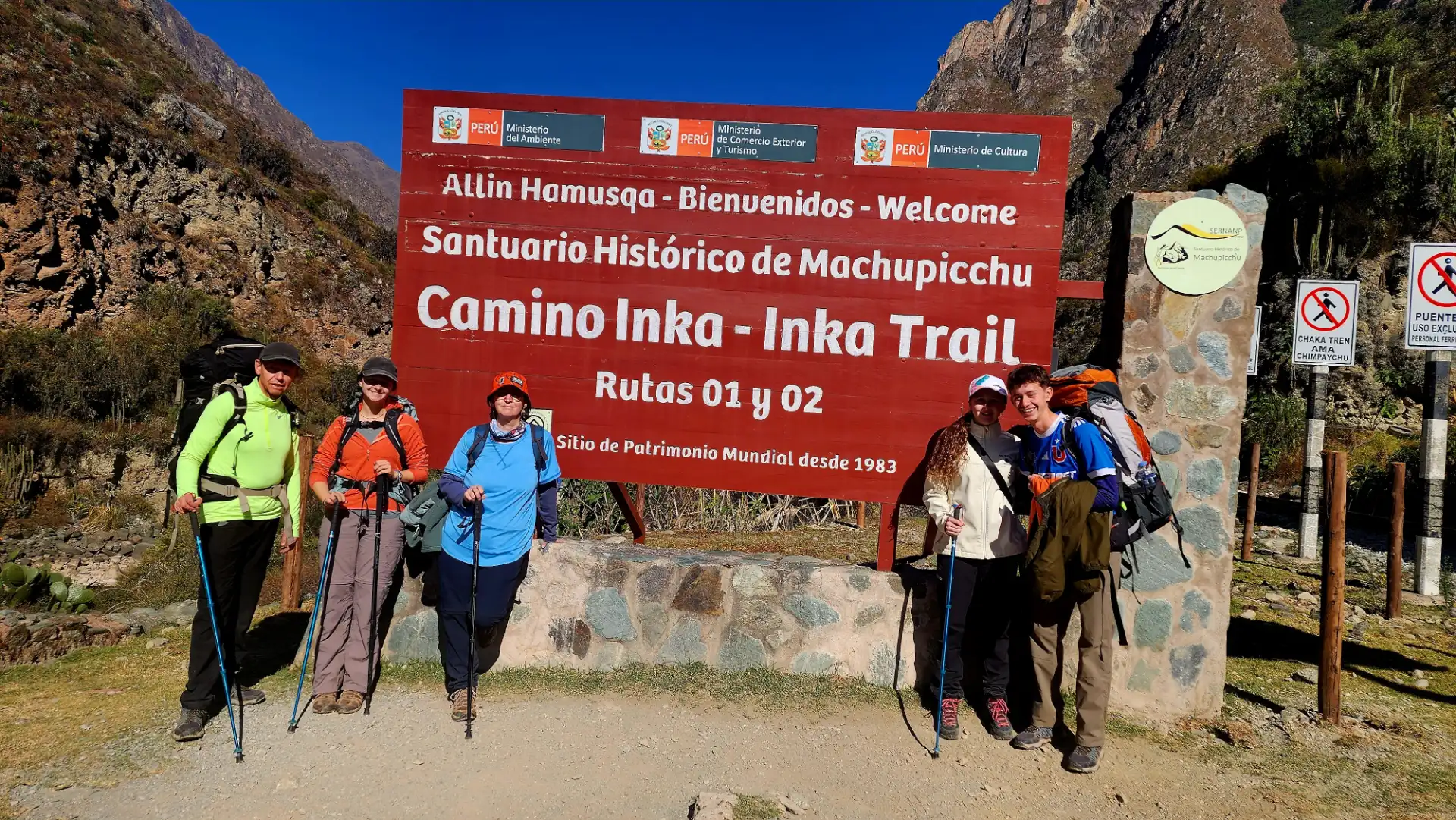
Choose the trek if you want the journey to be part of the destination. The Classic Inca Trail walks original Inca paths past ruins the train never sees, crosses high passes, and delivers you to Machu Picchu through the Sun Gate at dawn — one of travel's great arrivals. It rewards reasonable fitness and planning ahead for the scarce permit. If four days is too much, the Short Inca Trail gives the same finale in one or two days.
When to take the train
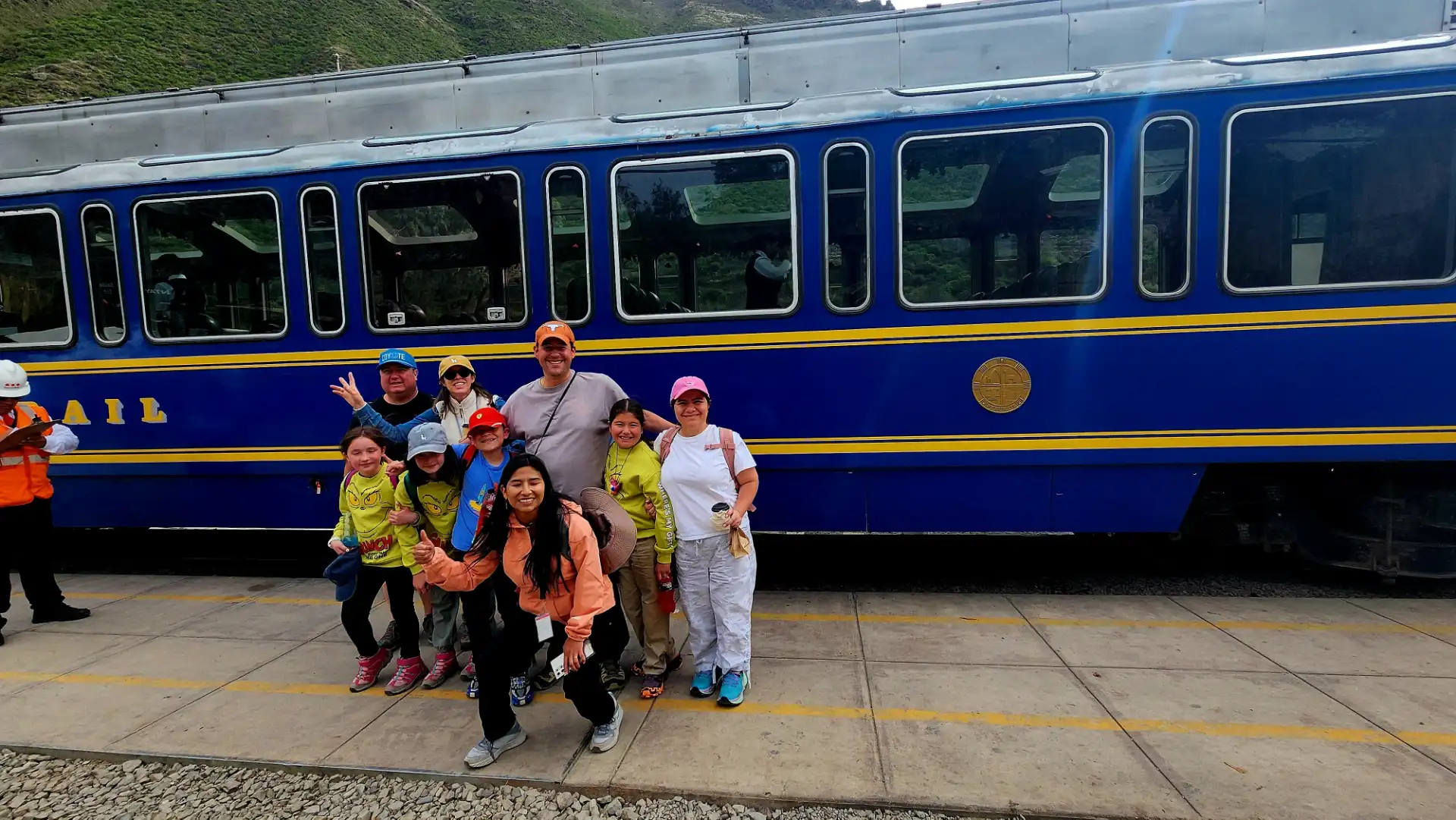
Take the train if you're short on time, prefer comfort, or aren't up for multi-day hiking. It's fast, scenic and reliable, reaching Aguas Calientes in a couple of hours from Ollantaytambo, with a shuttle bus up to the citadel. It's also the choice for families, older travelers and anyone who'd rather spend their energy exploring the ruins than reaching them. See how to reach Machu Picchu for all the train details.
The middle ground: other treks
If you love the idea of trekking but the Inca Trail's permits are gone, the permit-free alternatives — Salkantay, Lares — give you days on the trail and then finish with a train for the final leg. You get the journey and flexibility. See our three-trek comparison and alternative treks guide.
How to decide
Ask yourself three questions: How much time do I have? How fit am I, and do I want to hike for days? Is the arrival on foot a dream, or just a nice-to-have? If you have the days, the fitness and the desire, the trek is unforgettable — book the permit early. If not, the train gets you there comfortably so you can focus on Machu Picchu itself. Either way, pre-book your entrance ticket.
Still deciding?
Tell us your time and fitness and we'll recommend the best route to Machu Picchu.
Frequently asked questions
Neither is better — it depends on you. The Inca Trail offers an unforgettable journey on foot through the Sun Gate but needs time, fitness and a scarce permit. The train is fast, comfortable and needs no fitness, ideal if you're short on time.
No. Most visitors take the scenic train to Aguas Calientes and a shuttle bus up to the citadel. Hiking the Inca Trail or an alternative trek is a choice for those who want the journey to be part of the experience.
If you have the time, fitness and desire, yes — walking original Inca paths and arriving through the Sun Gate at dawn is a highlight in itself. If you're short on time or prefer comfort, the train is a perfectly good choice.
Take a permit-free alternative trek like Salkantay or Lares, which finish with a train for the final leg, or simply take the train. All reach the same Machu Picchu.