Classic Inca Trail in 4 days: the day-by-day guide
The Classic Inca Trail is one of the great walks of the world: four days on the original Inca road, past ruins that can only be reached on foot, over a 4,215 m pass and into Machu Picchu through the Sun Gate at sunrise. Here is exactly how our 4-day trek unfolds, what is included and how to prepare.
The trek at a glance
| Fact | Detail |
|---|---|
| Duration | 4 days, 3 nights camping |
| Distance | About 40–45 km from Km 82 |
| Highest point | Dead Woman’s Pass (Warmiwañusca), 4,215 m |
| Difficulty | Challenging |
| Permit | Required, personal and limited; trail closed in February |
| Price with us | US $820 |
Day 1: Km 82 to Wayllabamba
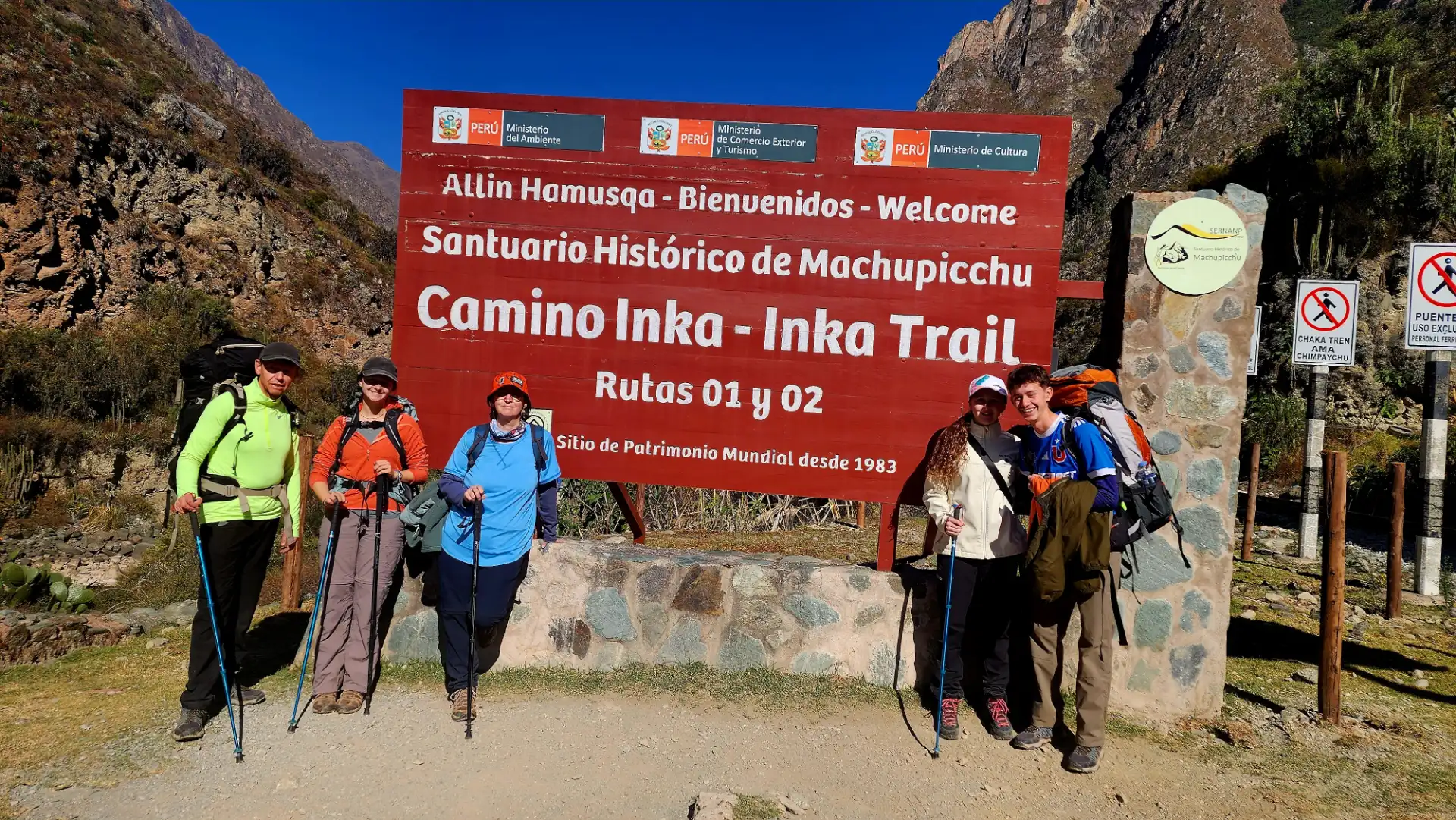
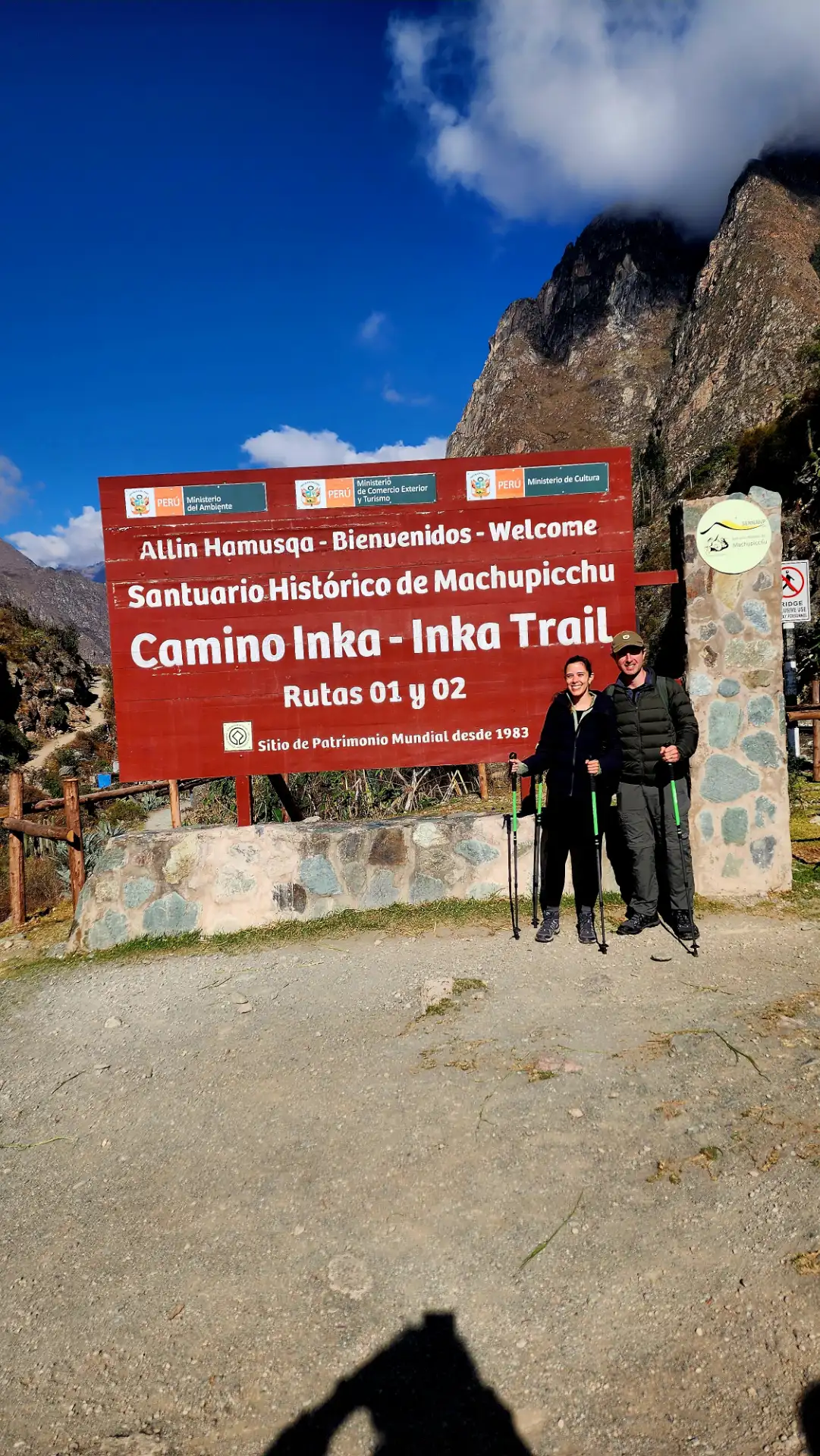
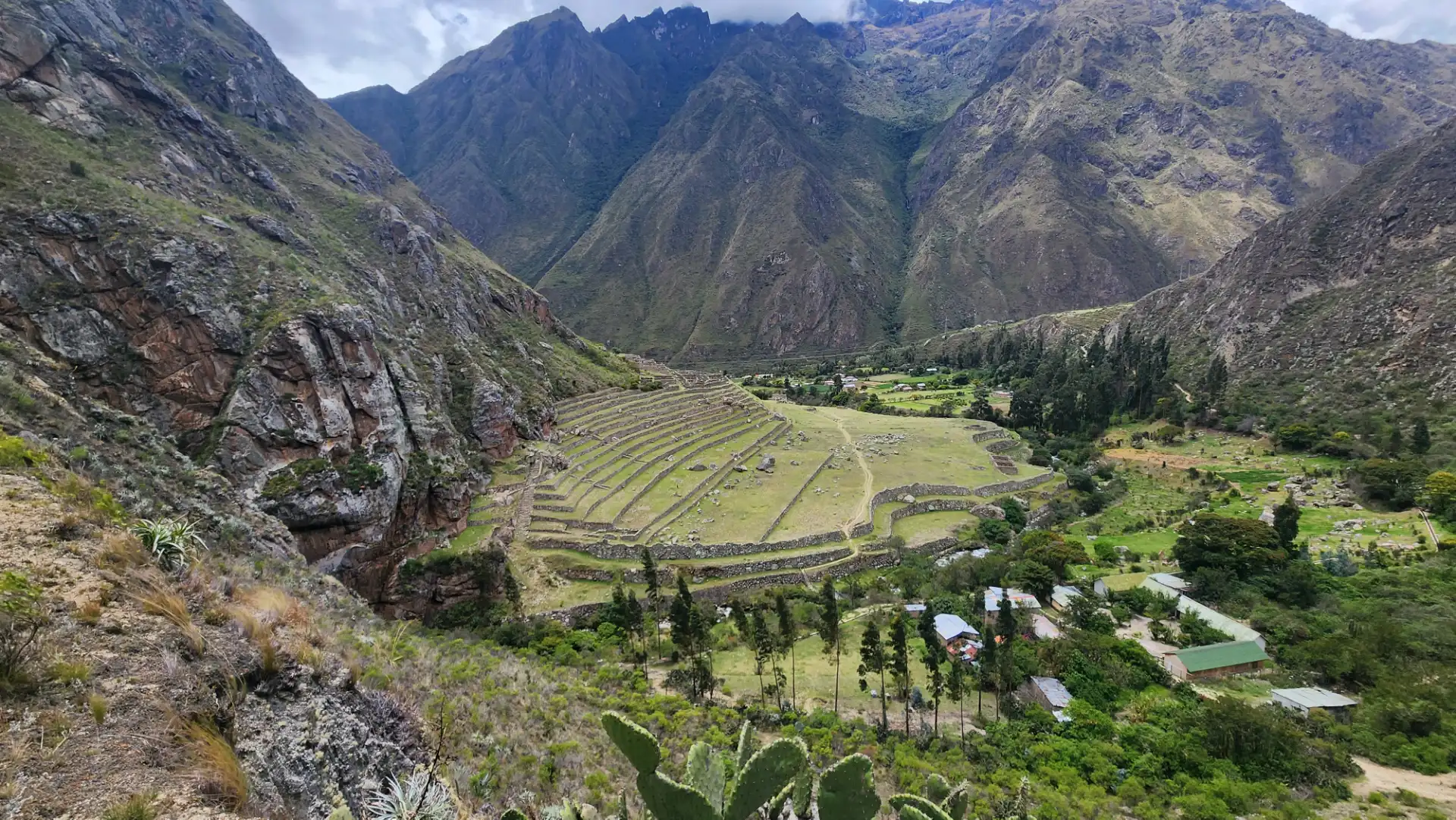
Pickup from your Cusco hotel between 5:30 and 6:00 am and a two-hour drive through the Sacred Valley to Km 82 (Piscacucho), the official start. After the checkpoint and the bridge over the Urubamba, an easy walk follows the valley to Llactapata, the first Inca site, and on to camp near Wayllabamba (about 3,000 m). A gentle first day of around 14 km.
Walk the Classic Inca Trail with us
Permits, guide, chef, porters, camping, Machu Picchu entrance and return train — US $820.
Day 2: Dead Woman’s Pass
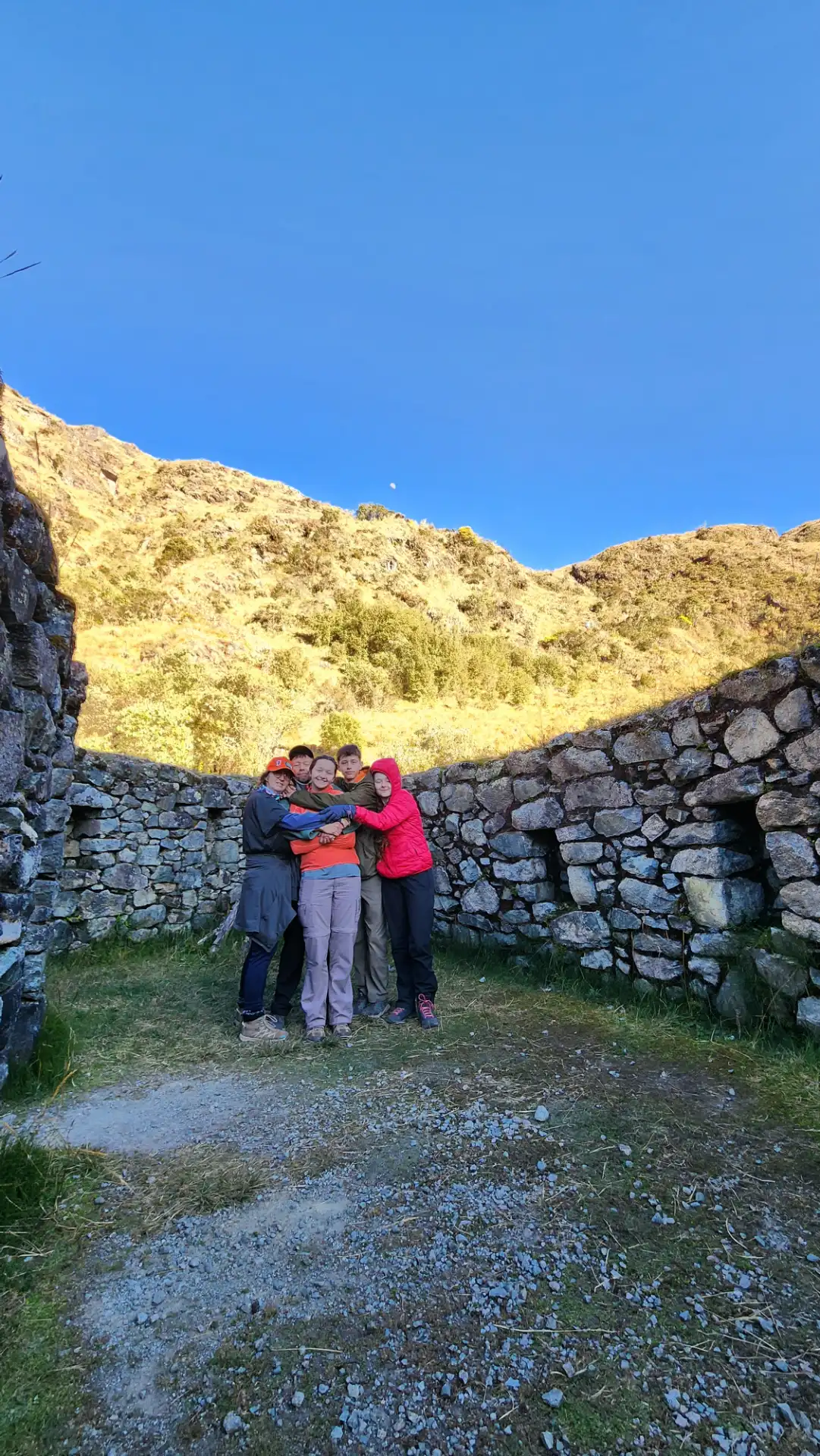
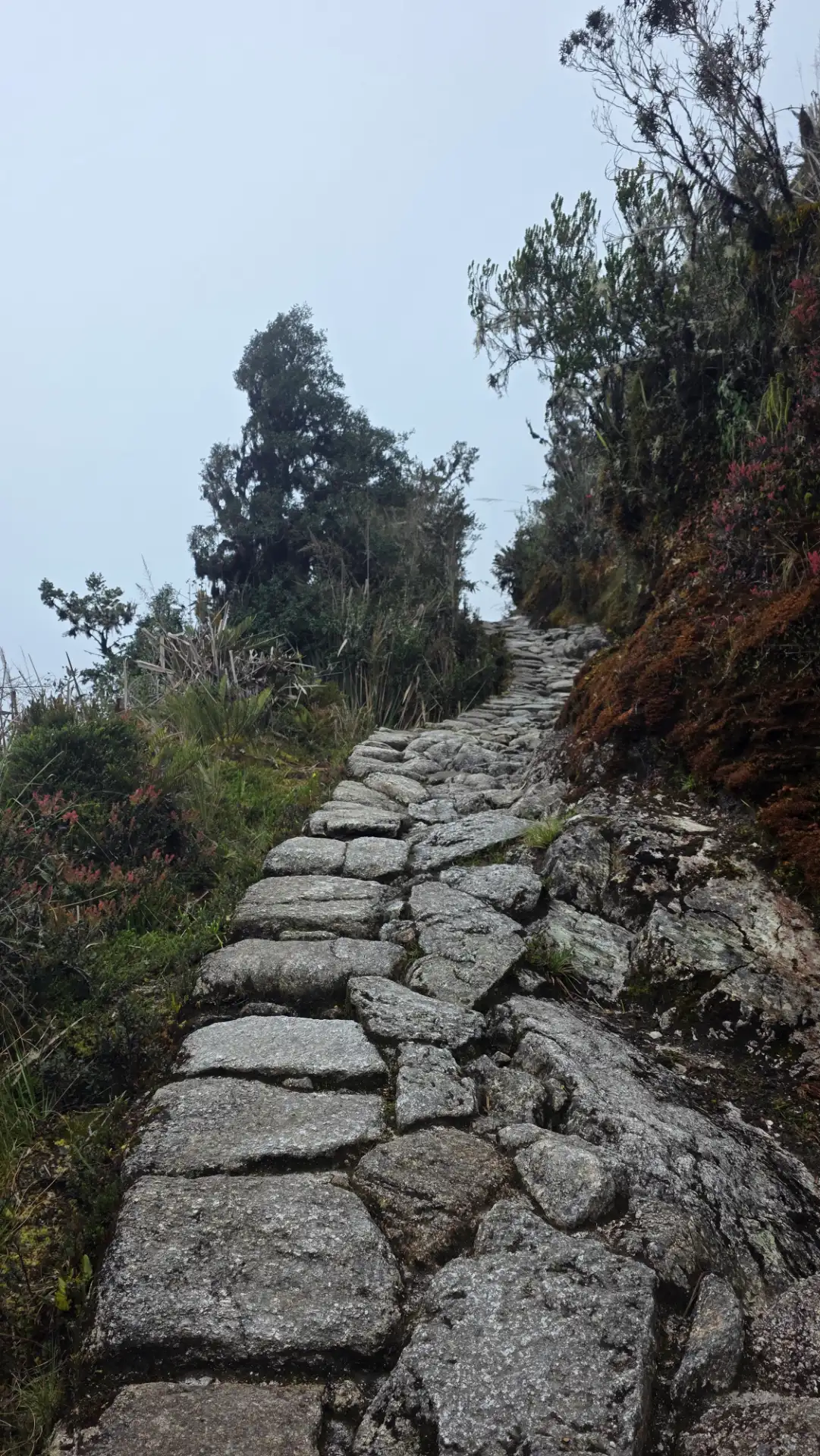
The hardest and most rewarding day. A steady climb leads to Warmiwañusca, Dead Woman’s Pass, at 4,215 m, the highest point of the trek. Then a long descent on stone steps into the Pacaymayo valley, passing the ruins of Runkurakay and Sayacmarca, to camp at Pacaymayo (about 3,700 m). Take it slowly and use trekking poles on the way down.
Day 3: the most beautiful section
A gentler, longer day through cloud forest, the richest in archaeology: Phuyupatamarca, the “town in the clouds”, streams, waterfalls and orchids, before descending to the last camp near Wiñay Wayna (about 2,600 m), one of the most beautiful sites of the whole trail.
Day 4: Sun Gate and Machu Picchu
A very early start for the short walk to Inti Punku, the Sun Gate, where you see Machu Picchu for the first time at sunrise. You then descend to the citadel for a complete guided tour and free time, take the bus down to Aguas Calientes for lunch and the train back towards Cusco.
What is included
| Included | Not included |
|---|---|
| Transport Cusco – Km 82 | Sleeping bag (rentable in Cusco) |
| Inca Trail permit and Machu Picchu entrance | Walking poles (rentable in Cusco) |
| Professional guide (plus assistant for larger groups) | Extra porter for personal luggage |
| Trail chef and meals; porters for tents, kitchen and mattresses | Tips for guide, chef and porters |
| First-aid kit, oxygen and radio; return train and transfer | — |
How to prepare
- Book early: permits sell out months ahead — see permits and booking.
- Acclimatize 2–3 days in Cusco or the Sacred Valley before the start.
- Train for long days on steps — see how to train.
- Pack light — see the Inca Trail packing list.
- Bring your original passport: it is checked at Km 82 and at Machu Picchu.
More background in our complete Inca Trail guide and the best time to hike the Inca Trail.
Frequently asked questions
Challenging but achievable for reasonably fit people. Day two, up to Dead Woman’s Pass at 4,215 m and down again, is the hardest.
About 40–45 km over four days, starting at Km 82.
In tents at official campsites; porters carry and set up the tents, kitchen and mattresses.
Yes. On day four you walk to the Sun Gate early to see Machu Picchu at sunrise, then enter the citadel for a guided tour.
Every February, for maintenance.