Inti Raymi and the Festivals of Cusco
Cusco celebrates all year, but June is its great festival month, crowned on 24 June by Inti Raymi, the Inca Festival of the Sun. Hundreds of performers in Inca dress fill the Temple of the Sun, the main square and the esplanade of Sacsayhuamán. Here is how the day unfolds, which other festivals are worth planning around, and how to book.
Inti Raymi: the Festival of the Sun
In Inca times, Inti Raymi marked the winter solstice, when the sun is at its lowest and the new agricultural cycle begins. The festival was banned after the Spanish conquest and revived in Cusco in 1944, based on the colonial chronicles. Today it is a grand theatrical ceremony performed in Quechua every 24 June, with the Inca, his court, priests and hundreds of dancers.
| Stage | Place | How to watch |
|---|---|---|
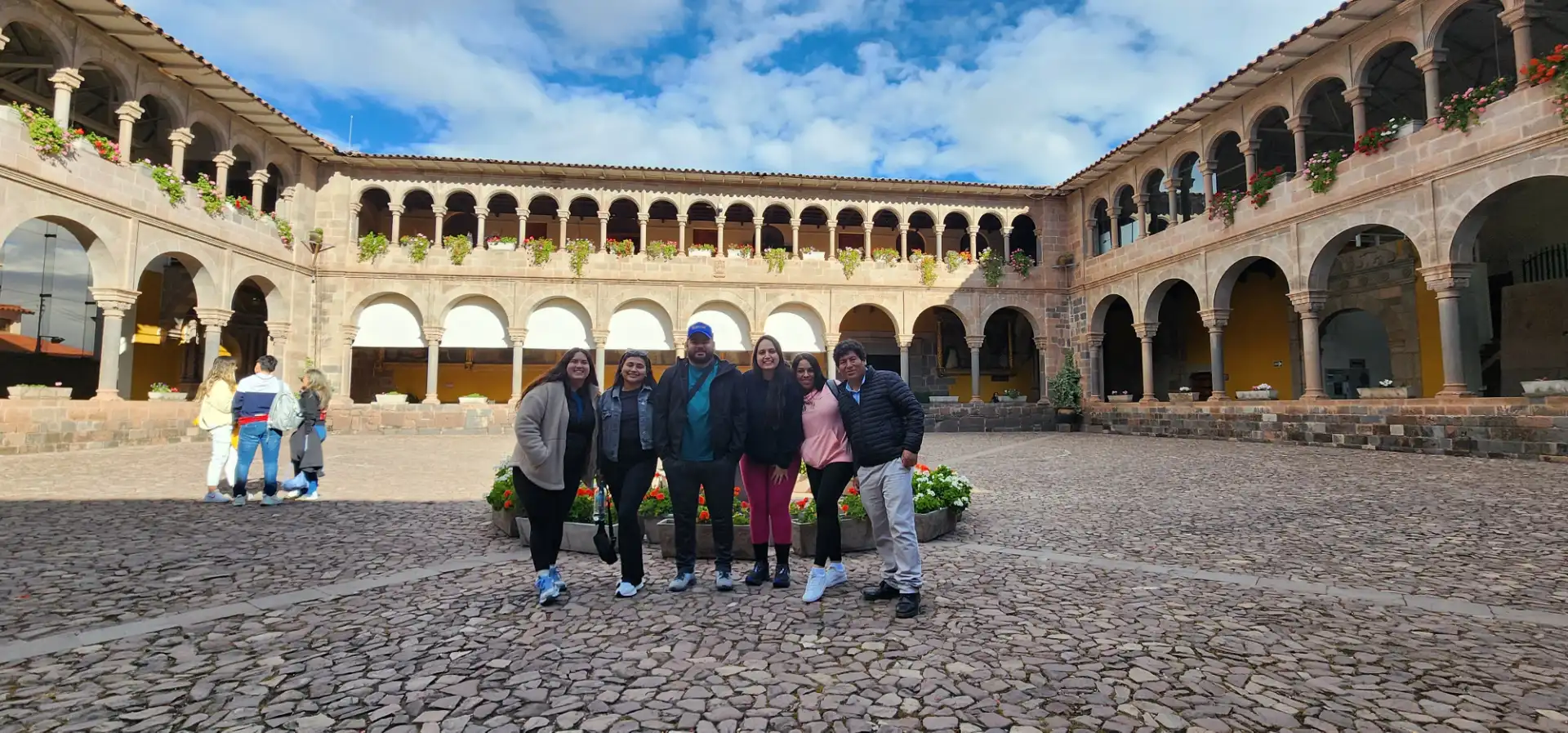
| Opening ceremony | Qorikancha, the Temple of the Sun | Free, from the gardens and streets around it |
| Procession | Plaza de Armas | Free, arrive early for a good spot |
| Main ceremony | Esplanade of Sacsayhuamán | Paid grandstand seats, or free from the surrounding slopes |
Watching the main ceremony
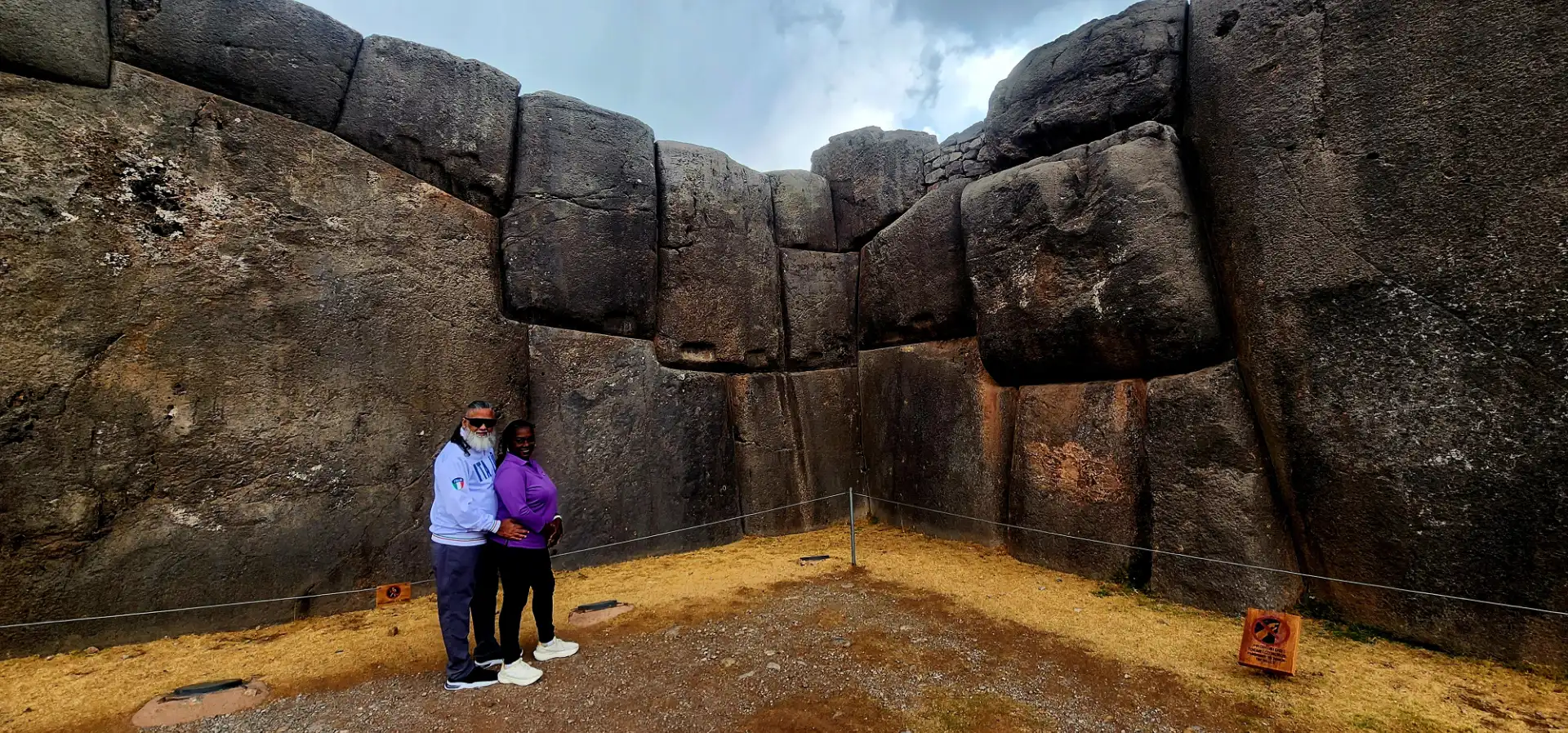
The ceremony at Sacsayhuamán is the heart of the day. Grandstand seats are sold in advance and give the best view; they are expensive and sell out, so book early if you want one. Thousands of people also watch for free from the hills around the esplanade: if you choose this, go very early, bring sun protection, water and something to sit on, and keep an eye on your belongings in the crowd. Read our Sacsayhuamán guide and Qorikancha guide to understand the places where the festival happens.
Explore the Inca heart of Cusco
Qorikancha, Sacsayhuamán and the sites around the city with a certified guide — from US $15 per person.
Cusco’s festival calendar
| Festival | When | What it is |
|---|---|---|
| Carnival | February or March | Water fights, music and dancing in the streets |
| Señor de los Temblores | Holy Monday | Procession of Cusco’s patron, the Lord of the Earthquakes |
| Qoyllur Rit’i | Late May or June, before Corpus Christi | A pilgrimage of thousands to a glacier sanctuary near Ausangate |
| Corpus Christi | Late May or June | Saints from Cusco’s parishes gather at the cathedral; people eat chiri uchu |
| Q’eswachaka bridge renewal | June | Four communities rebuild the last Inca rope bridge by hand |
| Inti Raymi | 24 June | The Inca Festival of the Sun |
| Virgen del Carmen | Mid-July | Masked dances in the town of Paucartambo |
| Fiestas Patrias | 28–29 July | Peru’s independence days, with parades |
| Santurantikuy | 24 December | A huge Christmas craft market in the Plaza de Armas |
Why June is special
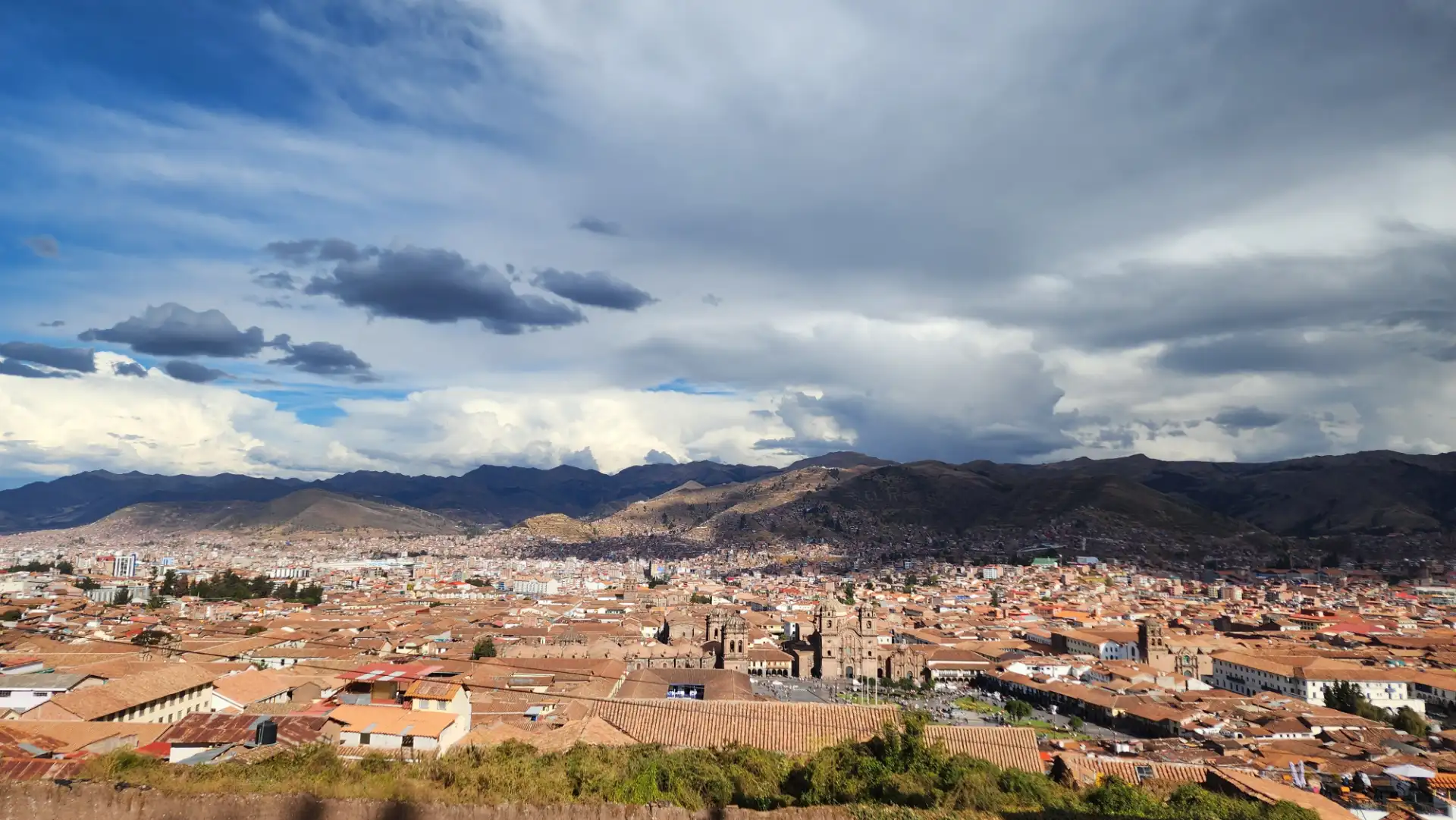
June combines the festivals with the heart of the dry season: clear skies, sunny days and cold nights. The whole month in Cusco is full of parades, school dances and concerts in the run-up to Inti Raymi. It is also the busiest time of year, so hotels, trains, Machu Picchu tickets and Inca Trail permits sell out early. Our guide to Cusco in June has the details.
How to plan around the festivals
- Book early: for the second half of June, reserve your hotel and Machu Picchu tickets months ahead; check availability.
- Arrive a few days before to acclimatize and enjoy the build-up in the streets.
- Keep 24 June free of other tours: the day is long, and traffic around the city is heavy.
- Add a city tour on another day to understand the Inca places behind the festival — see our Cusco city tour guide.
- Dress in layers: June days are sunny and the nights close to freezing; see our Cusco weather guide.
Frequently asked questions
Every year on 24 June. The ceremony starts at Qorikancha in the morning, continues in the Plaza de Armas and ends at Sacsayhuamán in the afternoon.
Only for the grandstand seats at Sacsayhuamán, which sell out. The ceremonies at Qorikancha and the Plaza de Armas can be watched for free, and many people watch the main ceremony from the surrounding hills.
It is a revival, first staged in 1944 and based on colonial chronicles of the Inca festival of the winter solstice.
Corpus Christi, the Qoyllur Rit’i pilgrimage, the renewal of the Q’eswachaka bridge and many parades during Cusco’s festival month.
Yes: it is dry and festive. The downside is crowds and higher prices, so book early.