The best Inca sites in Cusco: 12 places you must see
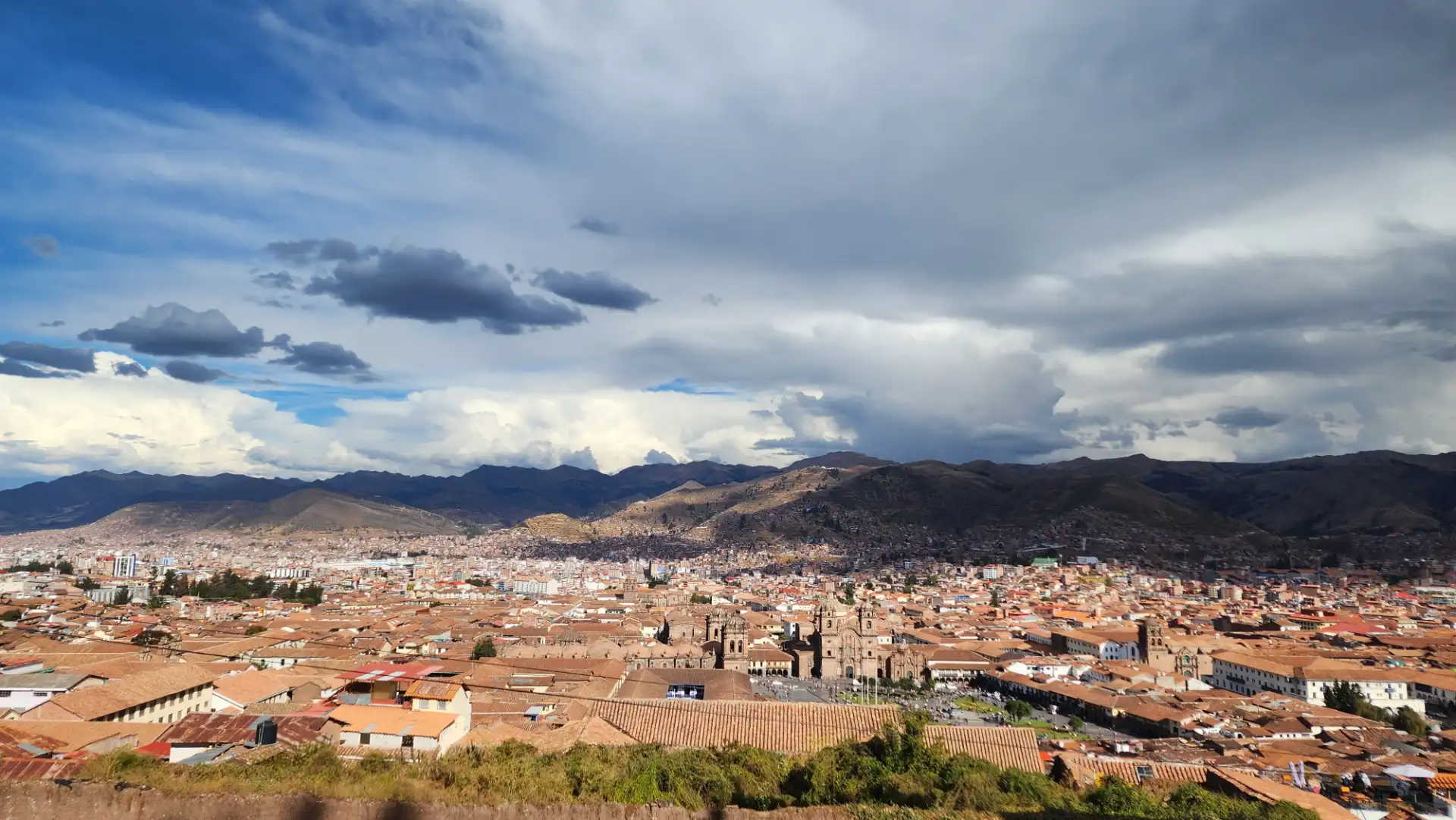
Cusco was the capital of the Inca Empire, and its stones still tell that story. Inside the city, on the hills above it and in the nearby valleys, you will find temples, fortresses and terraces that rival Machu Picchu in craftsmanship. These are the sites we recommend, with tickets and how to visit each one.
In the city
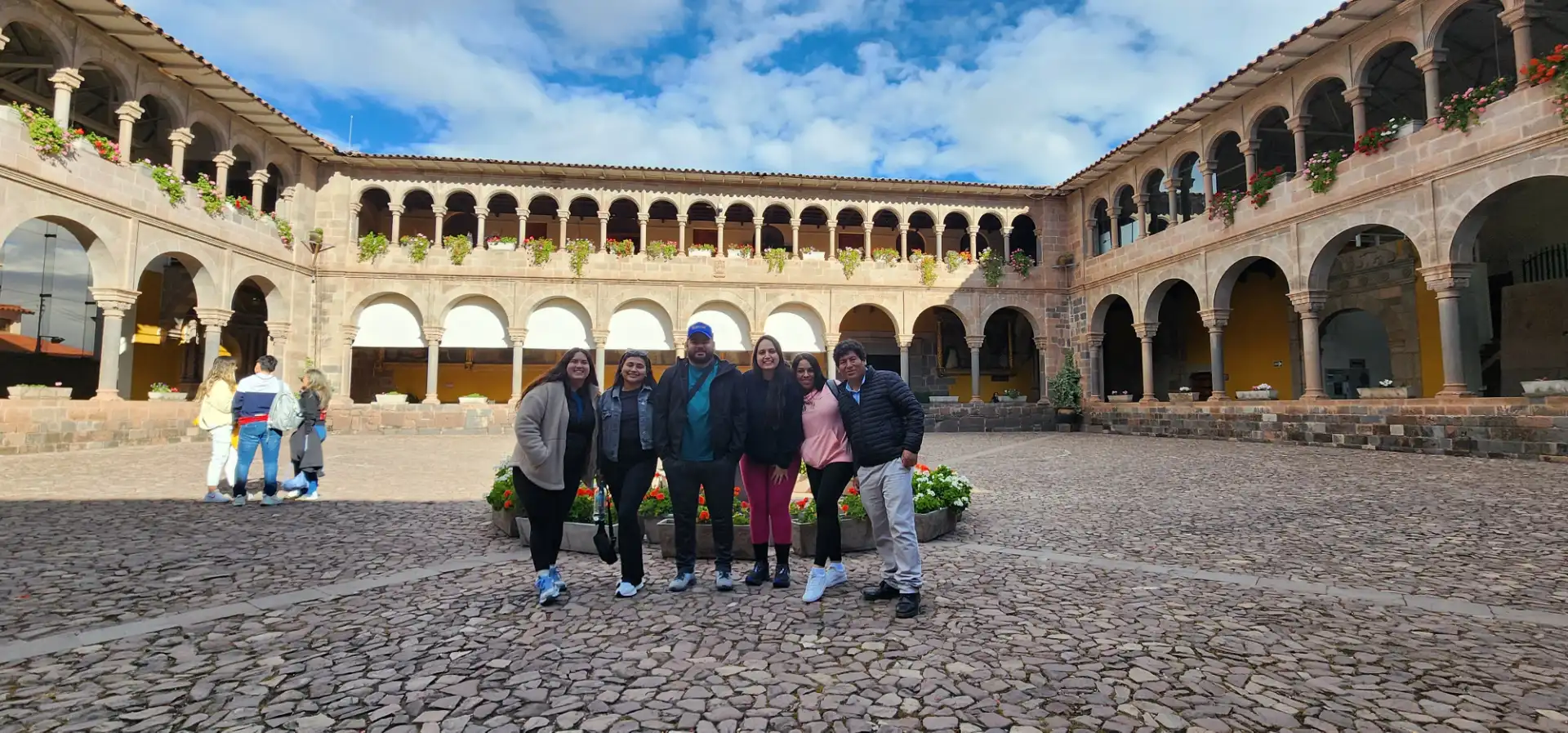
- Qorikancha: the Temple of the Sun, the empire’s most sacred temple, with the convent of Santo Domingo built on top.
- Hatun Rumiyoc and the twelve-angled stone: a street wall from an Inca palace, famous for a perfectly fitted stone with twelve angles.
- Plaza de Armas and the old streets: colonial churches and houses built on Inca walls, best explored on foot.
Above the city
| Site | What it is |
|---|---|
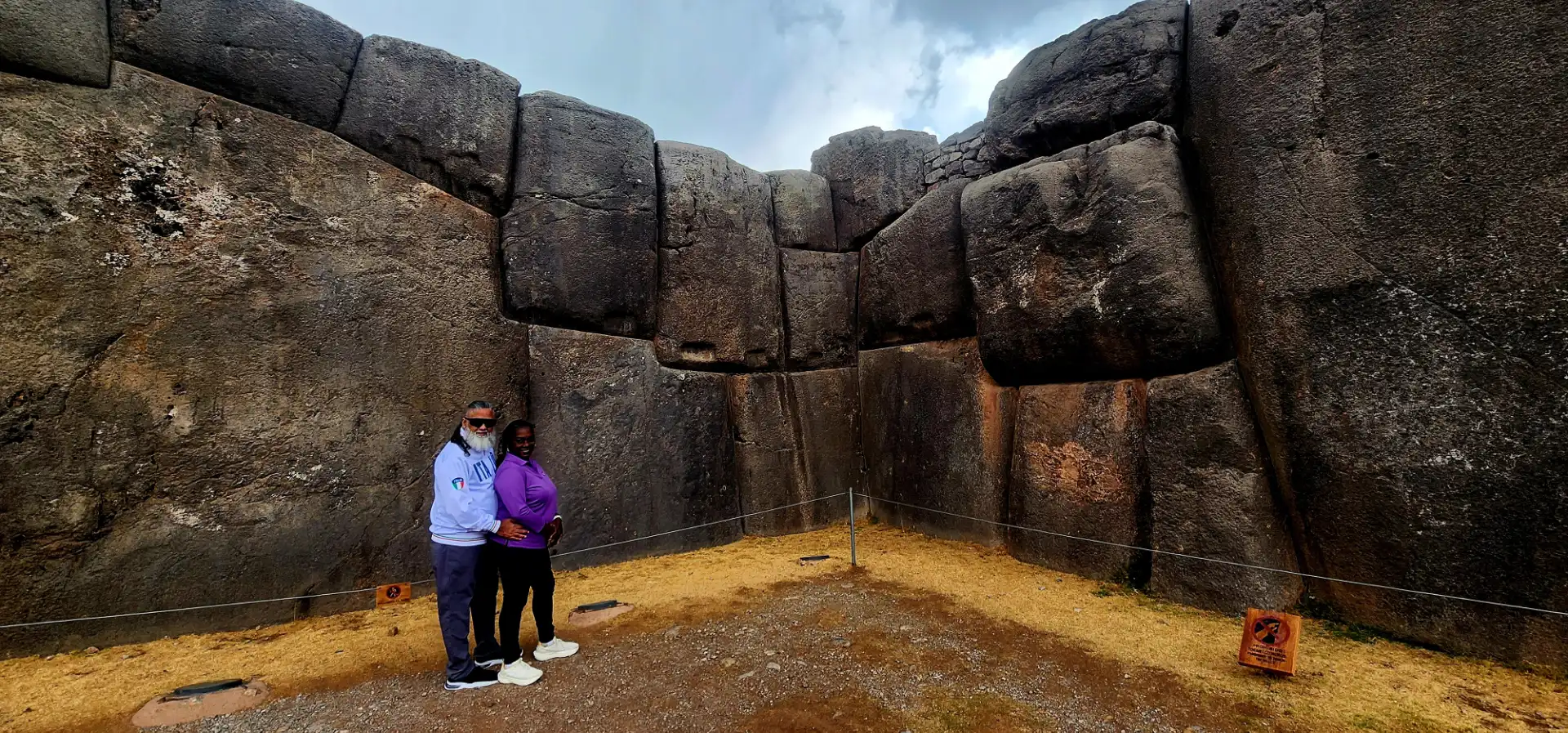
| Sacsayhuamán | A great ceremonial complex with zigzag walls of giant stones |
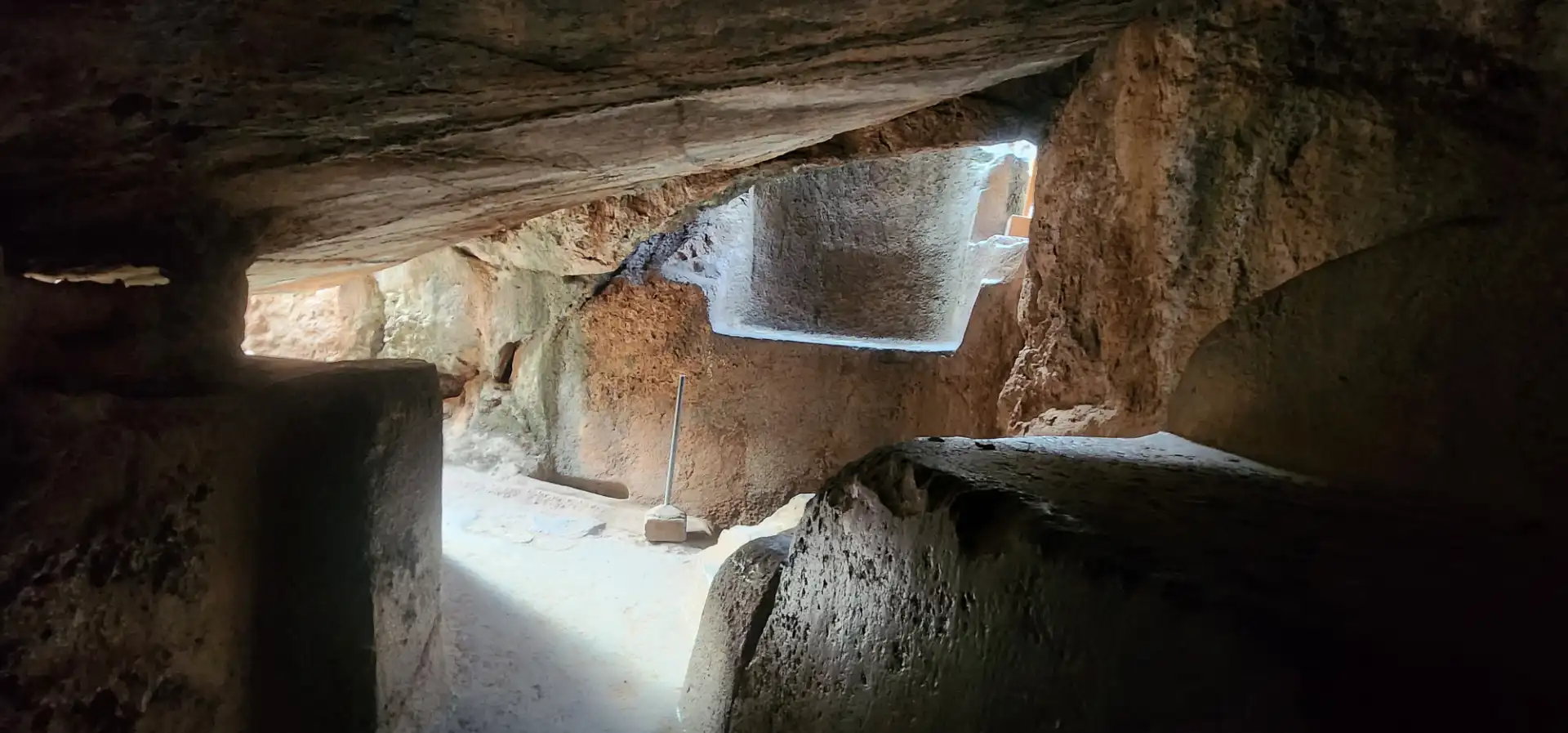
| Qenqo | A carved rock shrine with channels, niches and an underground chamber |
| Puca Pucara | A small control post on the Inca road |
| Tambomachay | Ceremonial fountains, the “Inca baths” |
All four are included in the Boleto Turístico, and our Cusco City Tour (US $15) covers them in a morning together with the Qorikancha, entrance included.
Explore Inca Cusco with a local guide
Qorikancha, Sacsayhuamán, Qenqo, Puca Pucara and Tambomachay in one morning.
In the Sacred Valley
- Pisac: a hilltop citadel with spectacular terraces and a famous market below.
- Ollantaytambo: a temple-fortress of colossal stones above a town still lived in on its Inca plan.
- Moray: mysterious circular terraces, probably an agricultural laboratory.
- Chinchero: Inca walls and terraces around a colonial church, and a living weaving tradition.
Our Sacred Valley tour (US $35) visits all four, plus the Maras salt mines, in one day.
In the South Valley
Southeast of Cusco, Tipón amazes with its terraces and water channels still flowing after five centuries, and Pikillacta is a vast city of the Wari culture, older than the Incas. Nearby, the church of Andahuaylillas is known as the “Sistine Chapel of the Andes”. See our South Valley guide and the South Valley tour.
How to read Inca stonework
Look closely and you will see different styles: finely cut, perfectly fitted blocks for temples and palaces (Qorikancha, the Temple of the Sun in Ollantaytambo), huge polygonal stones for monumental walls (Sacsayhuamán) and simpler fieldstone for terraces and houses. Trapezoidal doorways and niches, slightly inward-leaning walls and stones fitted without mortar helped the buildings resist earthquakes — which is why so many still stand.
Tickets
Most of these sites are included in the Cusco Tourist Ticket (Boleto Turístico). The Qorikancha and the Maras salt mines have their own separate tickets, and Machu Picchu is booked on its own. See our Boleto Turístico guide and, for the crown jewel, our Machu Picchu guide.
Frequently asked questions
In the city, the Qorikancha; above it, Sacsayhuamán, Qenqo, Puca Pucara and Tambomachay; and in the Sacred Valley, Pisac, Ollantaytambo, Moray and Chinchero.
The city sites and the four above Cusco fit in a morning on a city tour. The Sacred Valley sites need a separate full day.
Sacsayhuamán, Qenqo, Puca Pucara, Tambomachay, Pisac, Ollantaytambo, Chinchero, Moray, Tipón and Pikillacta, among others. The Qorikancha and Maras are separate.
It is not compulsory at most sites, but a guide explains the history and details you would otherwise miss.
The Qorikancha, Sacsayhuamán and the Sacred Valley: they help you acclimatize and give context for Machu Picchu.