Pisac: guide to the Inca ruins, terraces and market
Pisac is the Sacred Valley’s perfect double act: a hilltop Inca citadel with some of the most beautiful terraces in Peru, and a colourful artisan market in the town below. It is the first stop for most travellers entering the valley from Cusco — here is how to see both well.
Pisac at a glance
| Fact | Detail |
|---|---|
| Location | Eastern end of the Sacred Valley, about 1 hour from Cusco by road |
| Altitude | Town about 2,970 m; the citadel sits several hundred metres higher |
| Entrance to the ruins | Cusco Tourist Ticket (Boleto Turístico) |
| Market | Daily, busiest on Sundays; free to visit |
| Time needed | 2–3 hours for the ruins, about 1 hour for the market |
The Inca citadel and its terraces
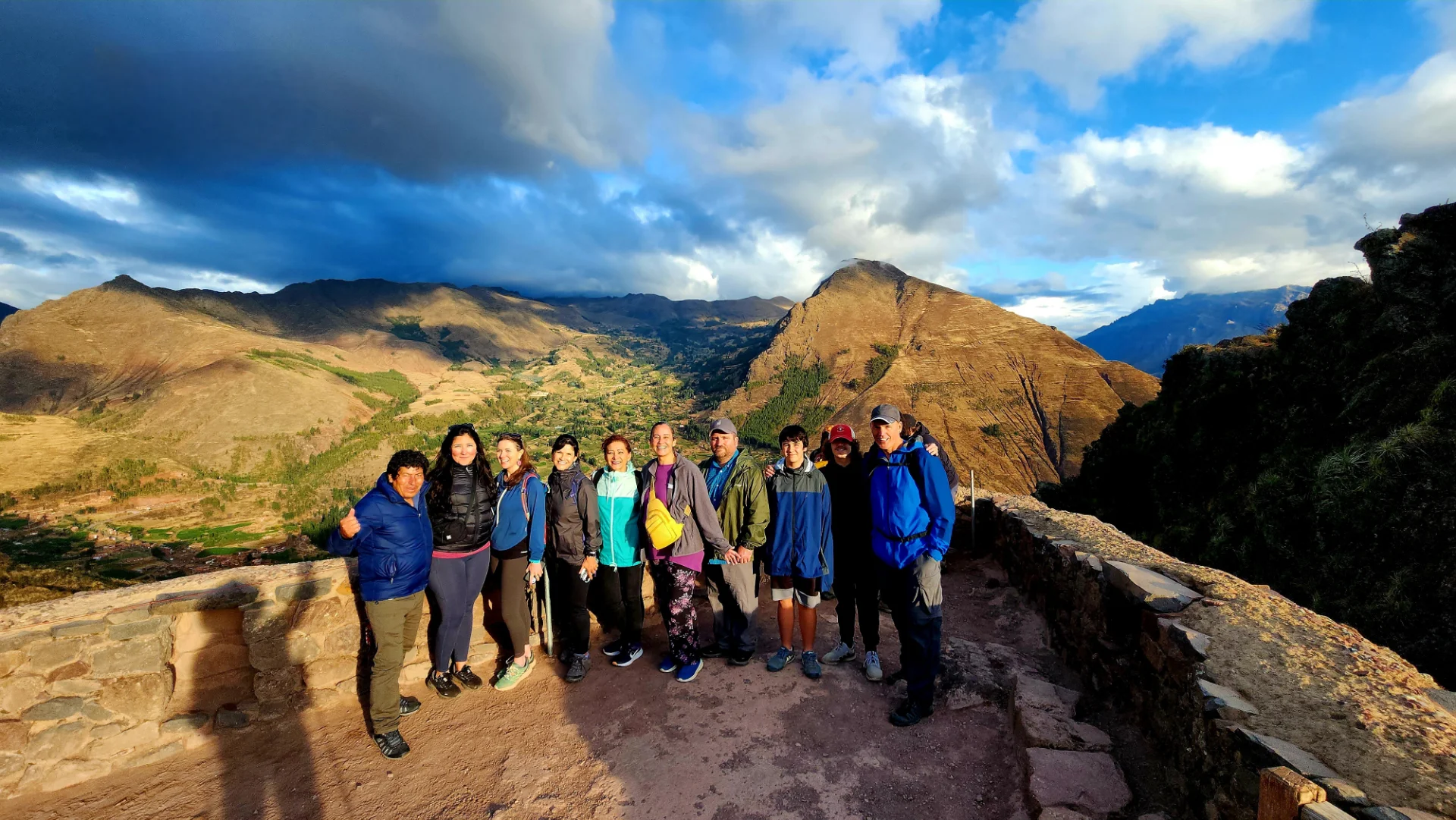
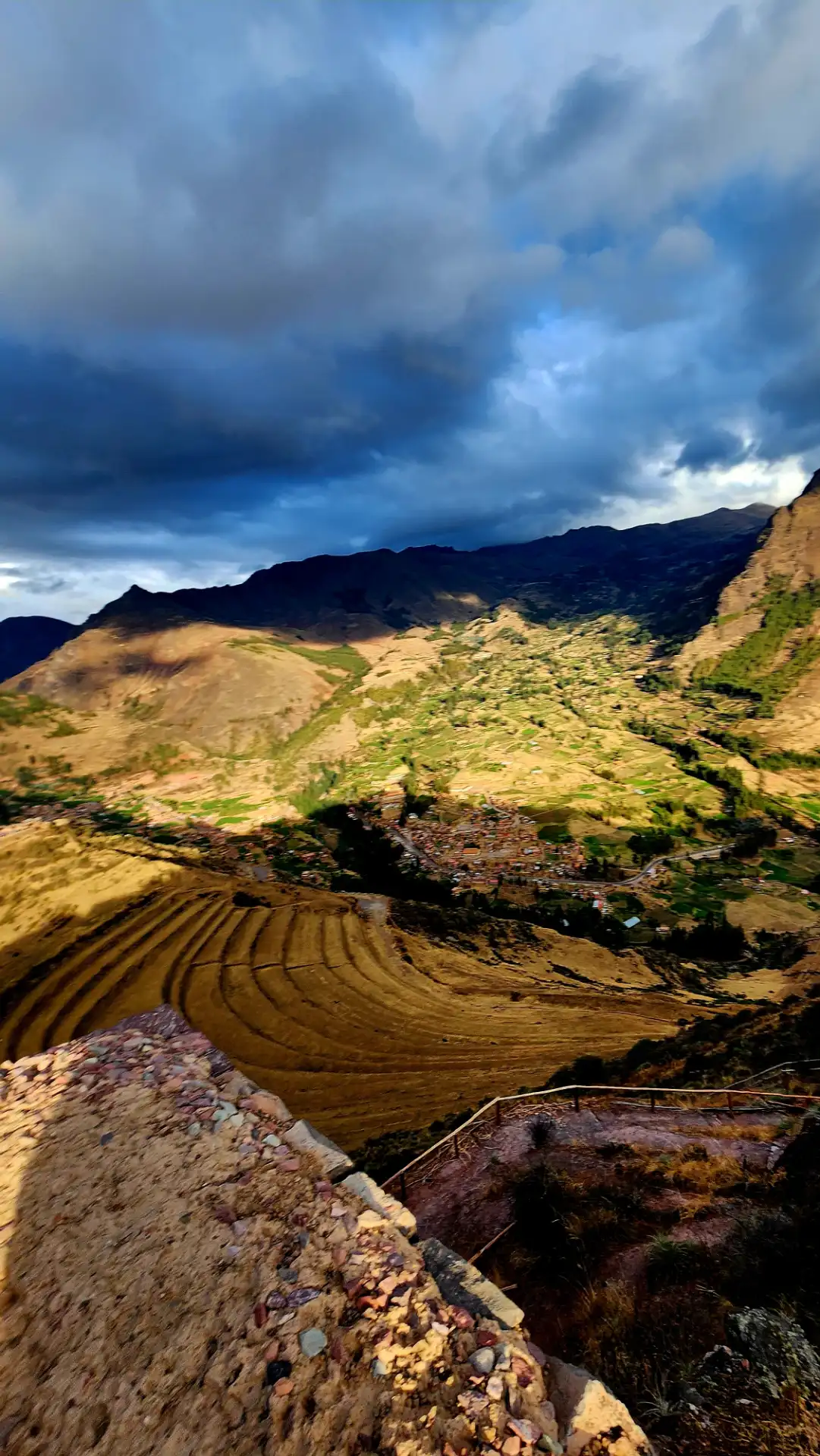
High above the town, the archaeological park of Pisac stretches along a mountain ridge, with residential, military, religious and farming sectors. The terraces are the showpiece: wide curved platforms that follow the shape of the mountain, built to create farmland, control erosion and take advantage of different microclimates.
At the top, the religious sector around the Intihuatana has some of the finest Inca stonework outside Cusco. On the cliffs opposite, the holes you see are ancient tombs, part of one of the largest Inca cemeteries known. Take your time on the paths: the views over the Urubamba River are superb.
See Pisac with a local guide
Pisac, Ollantaytambo, Moray, Maras and Chinchero in one day, with lunch included.
The Pisac market
The market around the main square is one of the best known in the Andes: alpaca and wool textiles, ceramics, silver jewellery, hats, musical instruments and Andean crafts. It runs every day and is at its busiest on Sundays, when people from nearby communities also come to trade produce. Bargain politely, carry small notes in soles and try the bread from the traditional clay ovens. For more markets, see the best markets in Cusco and the Sacred Valley.
How to combine ruins and market
The classic plan is to go up to the ruins first, while it is cooler and quieter, and finish in the market in the town below. On a guided tour, transport takes you up to the archaeological park and back down to the town. Independent travellers often take a taxi up and walk down through the terraces, a steep path of about an hour and a half — only worth it if you are already acclimatized and have good shoes.
How to get to Pisac
- On a tour: our Sacred Valley tour (US $35) visits Pisac together with Chinchero, Moray, Maras and Ollantaytambo in one day, with guide, transport and buffet lunch.
- By public transport: shared vans leave Cusco for Pisac regularly; the trip takes about an hour.
- By taxi: convenient if you want to go at your own pace.
Tips for your visit
- Bring sunscreen, a hat and water: there is little shade on the terraces.
- Wear comfortable shoes; the Inca steps are uneven.
- Pisac is lower than Cusco, so it is a good visit for your first days.
- Keep your Boleto Turístico at hand: it is checked at the entrance.
Continue exploring with our guides to Ollantaytambo and the 5 Sacred Valley sites you must see.
Frequently asked questions
Yes. Its terraces are among the most beautiful in Peru, the citadel has fine Inca stonework and the market is one of the liveliest in the Andes.
Yes, entry is with the Cusco Tourist Ticket (Boleto Turístico). The market in town is free.
It is open every day; Sunday is the busiest and most traditional day.
About one hour by road, which makes it the usual first stop on a Sacred Valley tour.
Two to three hours for the ruins and about an hour for the market, so half a day for both.