The Sacred Valley of the Incas: the five sites you must see
Between Cusco and Machu Picchu, the Urubamba River flows through a fertile valley that the Incas filled with terraces, temples and royal estates. Today the Sacred Valley is one of the most rewarding regions of Peru — and, at a lower altitude than Cusco, the perfect place to start your trip. Here are the five sites that matter most, what to look for at each, and how to see them all.
The five sites at a glance
| Site | What it is | Ticket |
|---|---|---|
| Pisac | Inca citadel above dramatic terraces, plus a colourful market in town | Cusco Tourist Ticket |
| Ollantaytambo | Fortress-temple and a town still laid out on its Inca plan | Cusco Tourist Ticket |
| Moray | Circular terraces up to 30 m deep | Cusco Tourist Ticket |
| Maras salt mines | More than 3,000 salt pools on a hillside | Paid locally |
| Chinchero | Andean village with a colonial church and weaving traditions | Cusco Tourist Ticket |
Pisac: terraces in the sky
High above the town of Pisac, an Inca citadel spreads along a ridge, with temples, ritual baths, watchtowers and one of the largest cliff-side cemeteries in the Andes. The sweeping agricultural terraces below are one of the iconic images of the valley. Back in town, the Pisac market is a lively place for textiles, ceramics and silver.
Explore the Sacred Valley
Pisac, Ollantaytambo, Maras, Moray and Chinchero in one day — from US $35.
Ollantaytambo: the living Inca town
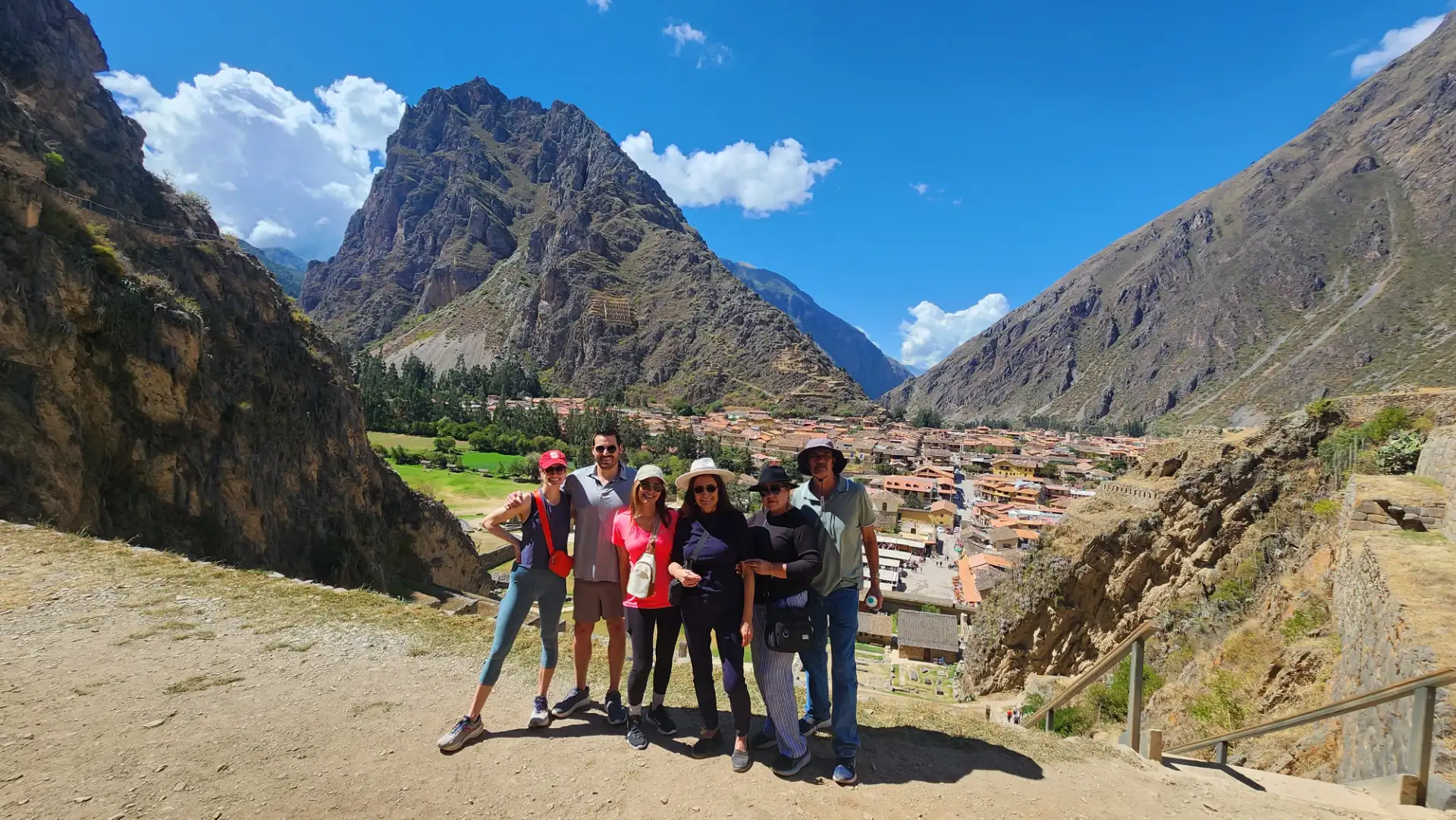
Ollantaytambo was a royal estate and, during the Spanish conquest, the site of one of the few Inca victories. Its fortress-temple climbs a steep hillside in giant terraces, crowned by six enormous pink granite monoliths. Below, the town still follows its Inca street grid, with water channels running beside the stone walls. It is also the station for the train to Machu Picchu.
Moray: the Inca agricultural laboratory
At Moray, three great depressions in the land were shaped into concentric circular terraces, the deepest about 30 m. The temperature changes from the rim to the bottom, and many researchers believe the Incas used them to test crops at different conditions. Walking around the rim gives the best view of the geometry.
Maras salt mines: a hillside of white and pink
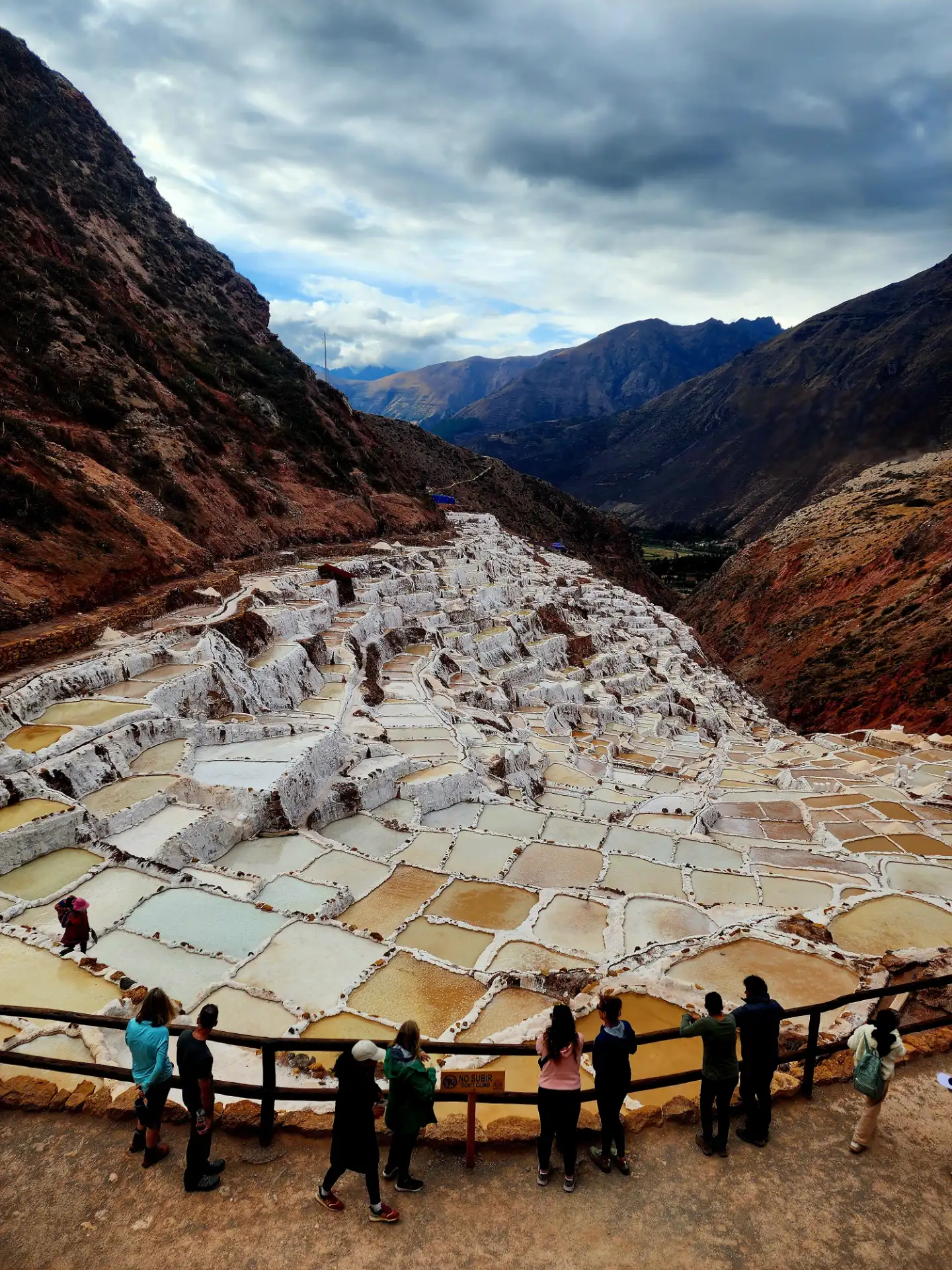
Since before the Incas, salty spring water has been channelled into more than 3,000 small pools on the slope of Maras. As the water evaporates, families harvest the salt by hand, as they have for generations. The view of the terraced pools, white or pinkish depending on the season, is unforgettable. Entry is paid locally and is not part of the tourist ticket.
Chinchero: weavers and the high plateau
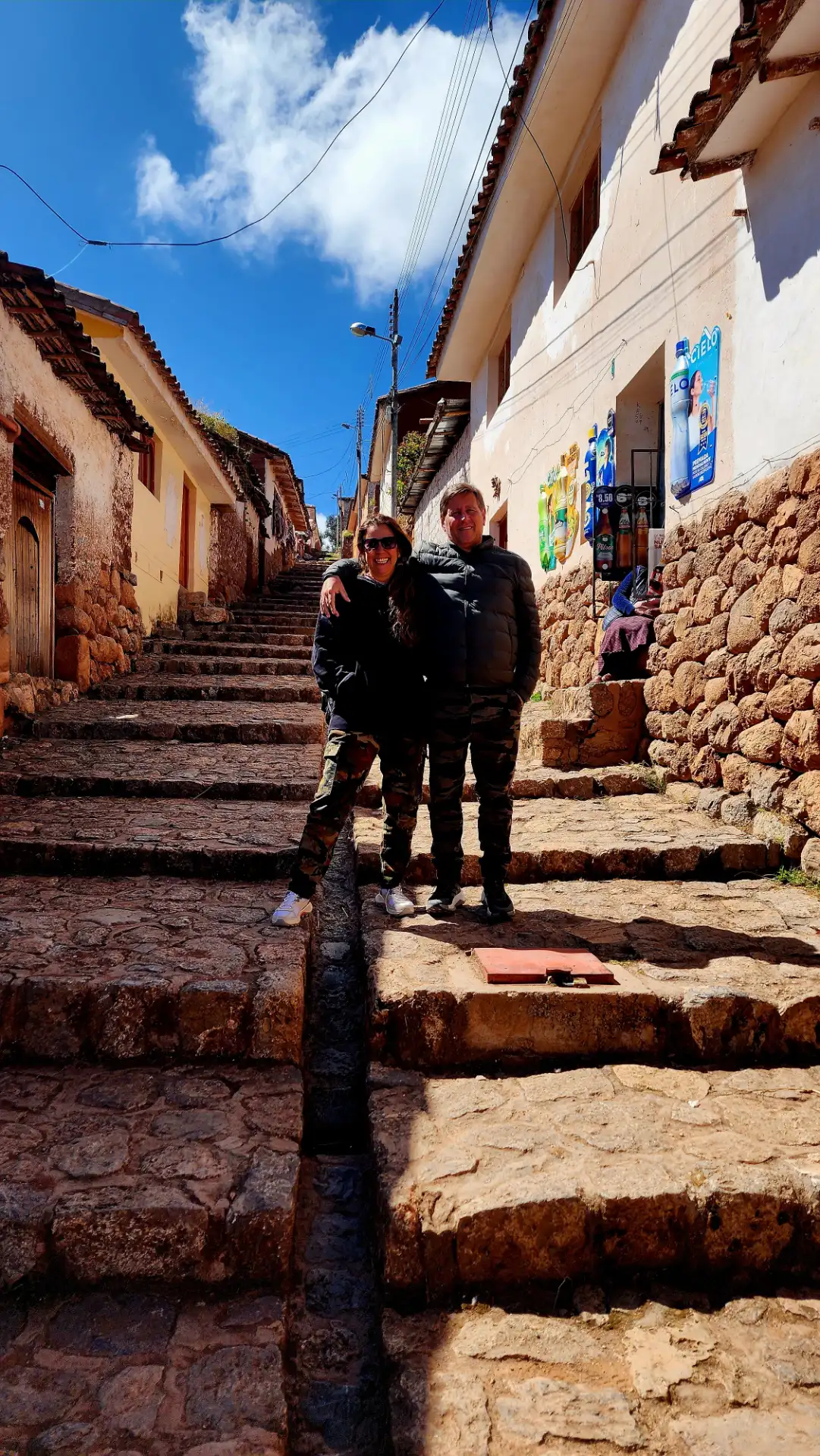
On a plateau at about 3,760 m, Chinchero combines Inca terraces and walls with a colonial church built on Inca foundations. It is known for its weaving cooperatives, where women show how wool is cleaned with a natural root, dyed with plants and insects and woven on backstrap looms. On clear days the views reach the snow peaks of the Urubamba range.
Tickets: the Cusco Tourist Ticket
Pisac, Ollantaytambo, Moray and Chinchero are included in the Boleto Turístico del Cusco, which you buy once and use for several sites; the Maras salt mines have their own small fee. On our tour these entrances are not included in the price, so you can buy the ticket that suits your plans — our guide explains the options. Read our Cusco Tourist Ticket guide before you go.
How to see it all in one day
Our Sacred Valley tour (from US $35) covers all five sites in one well-paced day: 6:00 AM pickup, Pisac, Ollantaytambo, buffet lunch in the valley, Maras, Moray and Chinchero, back in Cusco around 7:00 PM. Short on time? The half-day Maras & Moray tour (from US $30) focuses on the two most photogenic sites. If you are heading to Machu Picchu, the Sacred Valley + Machu Picchu 2-day tour combines both.
Tips for your visit
- Do it early in your trip: the valley sits around 2,800–2,900 m, lower than Cusco, so it helps you acclimatize.
- Dress in layers: warm in the valley at midday, cool in Chinchero and at dusk.
- Carry soles in cash for the Maras entrance, markets and toilets.
- Wear comfortable shoes: Pisac and Ollantaytambo have many stone steps.
See also our one day in the Sacred Valley itinerary.
Frequently asked questions
Pisac, Ollantaytambo, Moray, the Maras salt mines and Chinchero.
Yes. Our full-day tour visits all five main sites, leaving Cusco at 6:00 AM and returning around 7:00 PM.
Yes for Pisac, Ollantaytambo, Moray and Chinchero. The Maras salt mines have a separate fee paid on site.
No. Most of the valley floor is around 2,800–2,900 m, several hundred metres lower than Cusco, although Chinchero is higher at about 3,760 m.
Yes, it is a good idea: it helps you acclimatize and gives context to the Inca history you will see at Machu Picchu.