What makes the Lares trek so special?
If the Inca Trail is about Inca stone, the Lares trek is about living people. It crosses Andean valleys where families still herd llamas and weave by hand, passes turquoise glacial lakes and climbs to a high pass — with far fewer hikers, no permit pressure and a soak in hot springs on the first day.
Living Andean culture
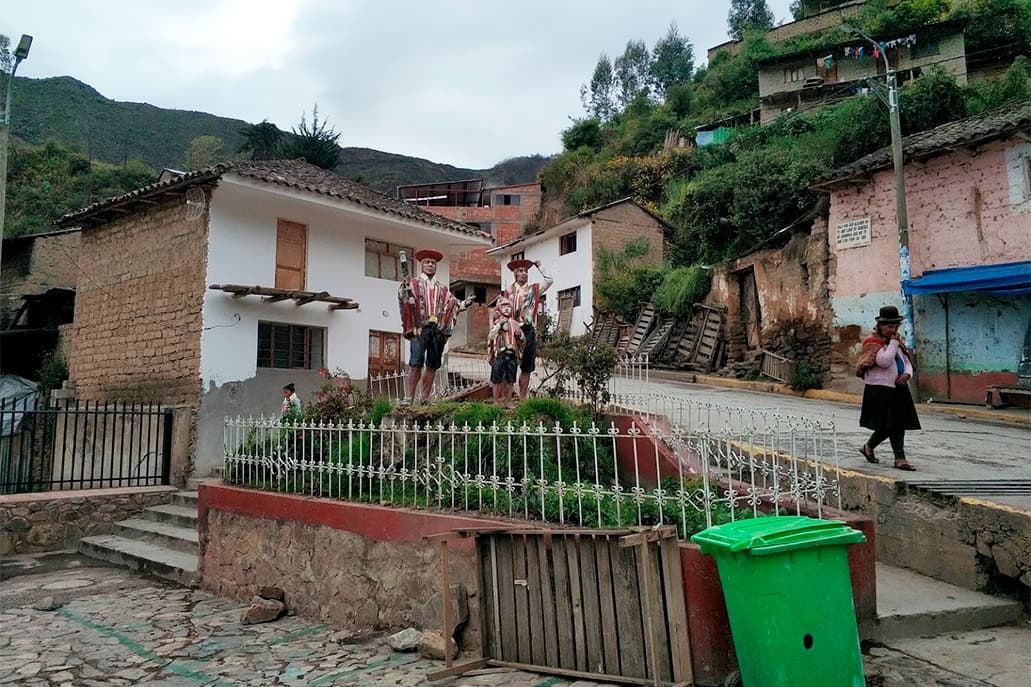
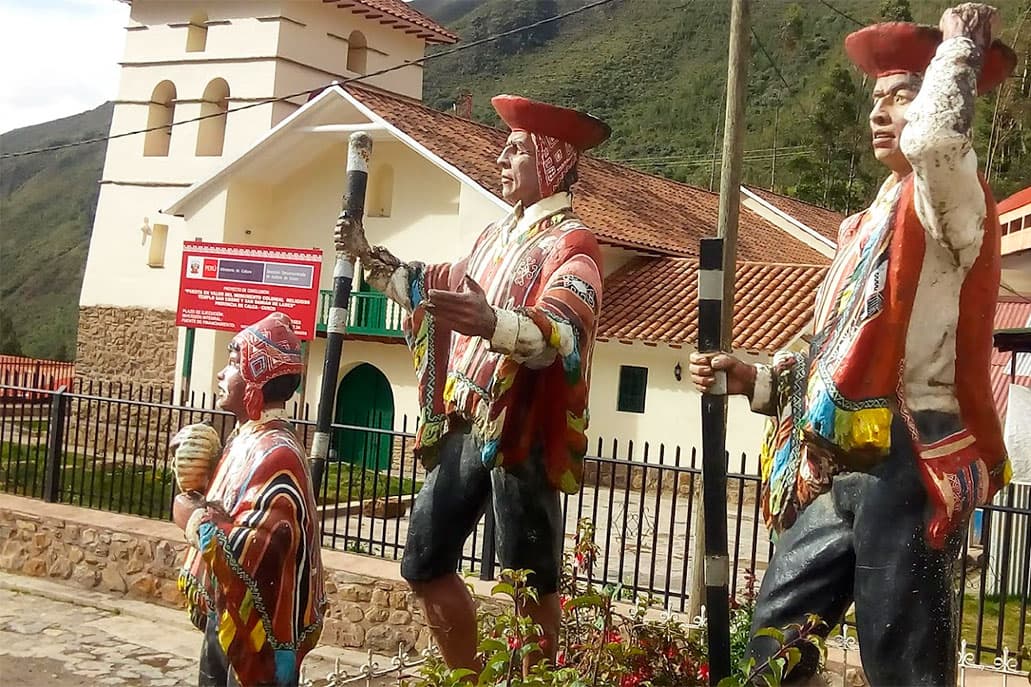
The Lares valley is one of the strongholds of traditional Quechua life. On the trail you walk through small villages, meet weavers who still use natural dyes and backstrap looms, and see daily life in the high Andes up close. It is the most cultural of the routes to Machu Picchu — a human landscape as much as a natural one.
Hot springs, lakes and a high pass
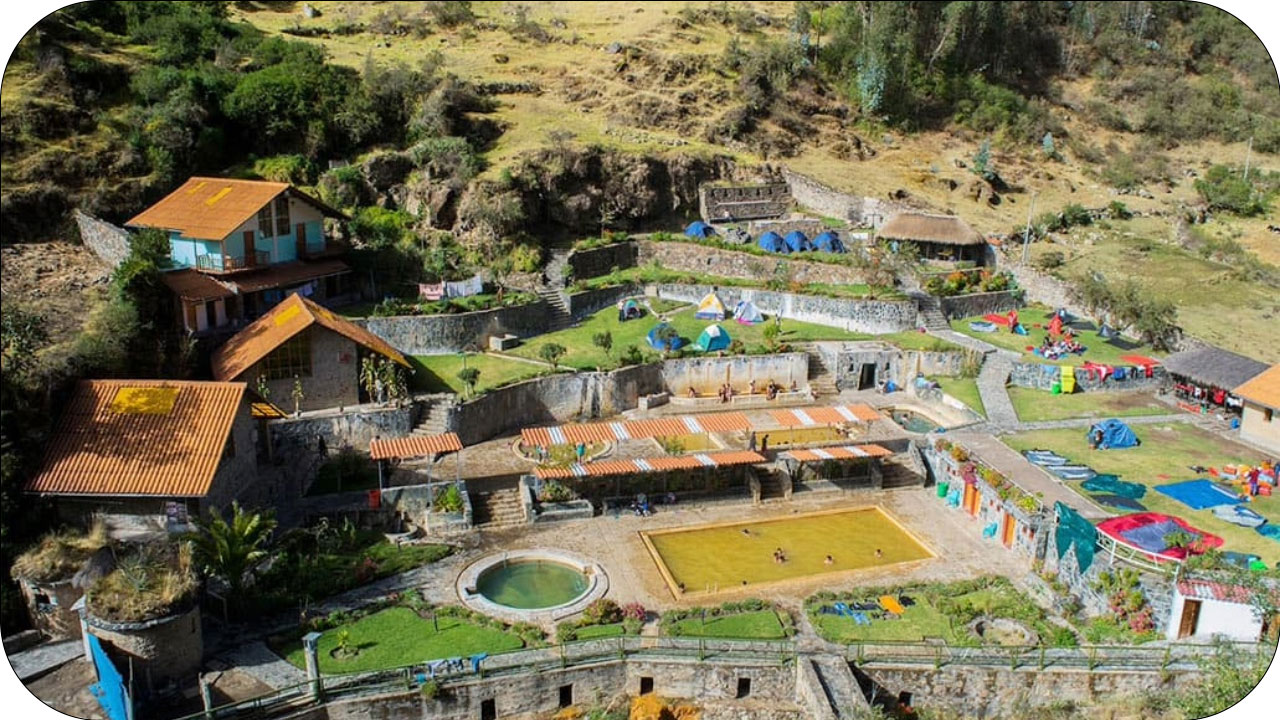
The trek starts in the village of Lares, at about 3,100 m, with a visit to its hot springs. On the second day you climb to the Sacsallaully Pass at 4,646 m, with views of snow peaks and glacial lakes such as Aruray Cocha, and often llamas, alpacas and vicuñas along the way. The altitude is real, so acclimatize in Cusco for at least two days before starting.
Walk the Lares valley to Machu Picchu
Four days with hot springs, weaving villages, a high pass, train and Machu Picchu entrance — US $490.
The route day by day
| Day | Route |
|---|---|
| 1 | Cusco, Calca market, Lares and its hot springs, walk to the camp at Wacahuasi |
| 2 | Climb to the Sacsallaully Pass (4,646 m), glacial lakes, descent to Mantanay |
| 3 | Easy descent to Yanahuara, Ollantaytambo and the train to Aguas Calientes |
| 4 | Guided tour of Machu Picchu and return to Cusco |
Lares compared with the other routes
- Versus the Inca Trail: fewer ruins on the way, but no permit to chase and many fewer people.
- Versus Salkantay: a similar altitude, with less glacier drama but far more culture and calm.
- Want both? The Lares + Inca Trail trek combines the Lares valley with the Short Inca Trail to the Sun Gate.
See the full comparison in Inca Trail vs Salkantay vs Lares and our Lares to Machu Picchu guide.
Who it suits
Lares is perfect for travellers who want a real trek with fewer crowds, who are interested in Andean culture, or who could not get Inca Trail permits. It is moderate in difficulty but high in altitude, so good acclimatization matters more than athletic fitness. Bring some cash in soles to buy textiles directly from the weavers.
Frequently asked questions
Yes, especially if you value Andean culture, quiet trails and mountain scenery, or if Inca Trail permits are sold out.
Moderate in effort but high in altitude: the Sacsallaully Pass is at 4,646 m. Acclimatize in Cusco for at least two days first.
No trekking permit is needed, only the Machu Picchu entrance ticket, which is included in our tour.
Salkantay offers more dramatic glacier scenery; Lares offers more culture, hot springs and fewer people.
Yes. Our trek visits the Lares hot springs on the first day.