Lares trek to Machu Picchu in 4 days: day-by-day guide
The Lares trek is the cultural route to Machu Picchu: remote villages famous for their weaving, glacial lakes and llamas, a high pass and a soak in the Lares hot springs, ending with a sunrise visit to the citadel. No permit is needed. Here is the day-by-day plan of our 4-day trek.
The trek at a glance
| Fact | Detail |
|---|---|
| Duration | 4 days: 2 nights camping, 1 night in a hotel |
| Highest point | Sacsallaully Pass, 4,646 m |
| Difficulty | Moderate, at high altitude |
| Permit | Not needed (only the Machu Picchu ticket, included) |
| Price with us | US $490 |
Day 1: Calca, Lares and Wacahuasi
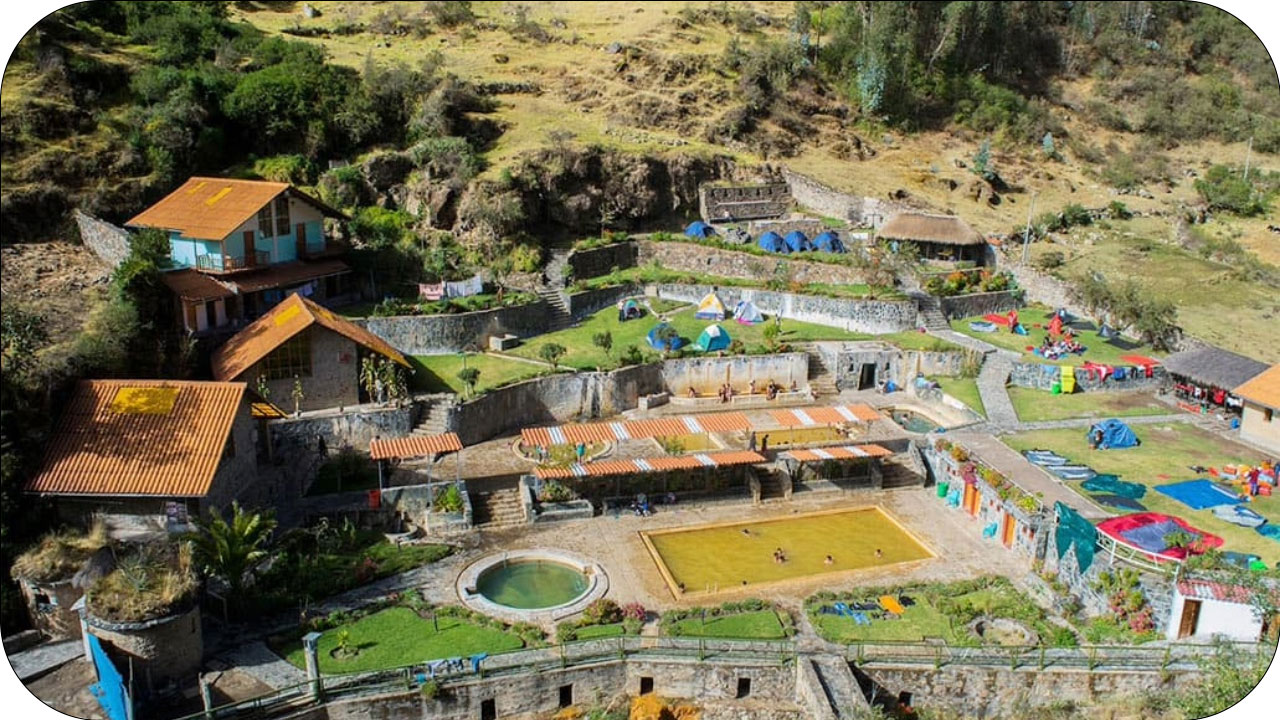
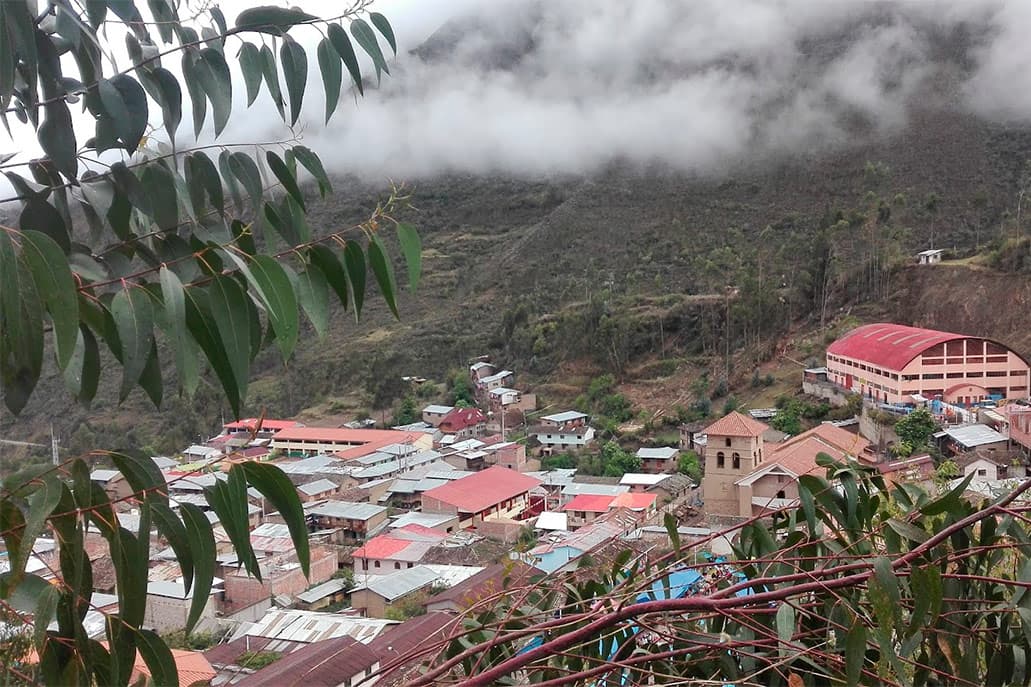
A 5:30 am start with a Sacred Valley viewpoint and the Calca market, then on to Lares (about 3,100 m) and its hot springs. A gentle two-hour walk reaches the Vilcabamba bridge for lunch, then three hours to camp at Wacahuasi (about 3,750 m) among welcoming villagers. About 11 km.
Trek the Lares valley to Machu Picchu
Four days with hot springs, weaving villages, a high pass, train, hotel and Machu Picchu — US $490.
Day 2: Sacsallaully Pass and Mantanay
The big day: a climb of about three hours to the Sacsallaully Pass at 4,646 m, with views over valleys, snow peaks and the Aruray Cocha lake, and Andean wildlife along the way. You descend past glacial lakes and queuña forest to camp at Mantanay (about 3,850 m). About 15 km and 6–7 hours.
Day 3: Ollantaytambo and Aguas Calientes
The easiest day: about an hour down to Yanahuara, then a short drive to Ollantaytambo, the living Inca town. After lunch, the early-afternoon train takes you to Aguas Calientes for a hotel night and a final briefing. Read our Ollantaytambo guide.
Day 4: Machu Picchu at sunrise
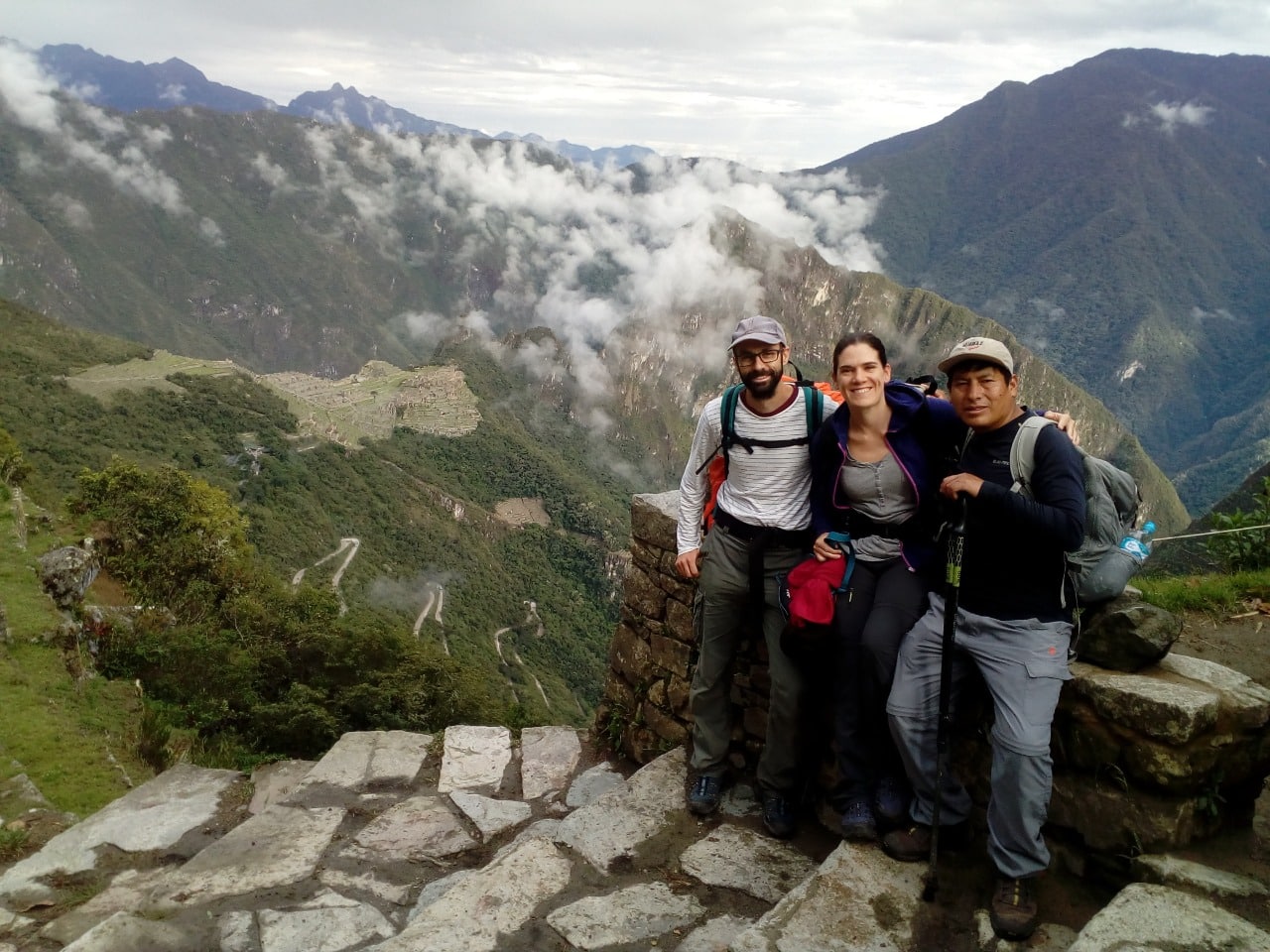
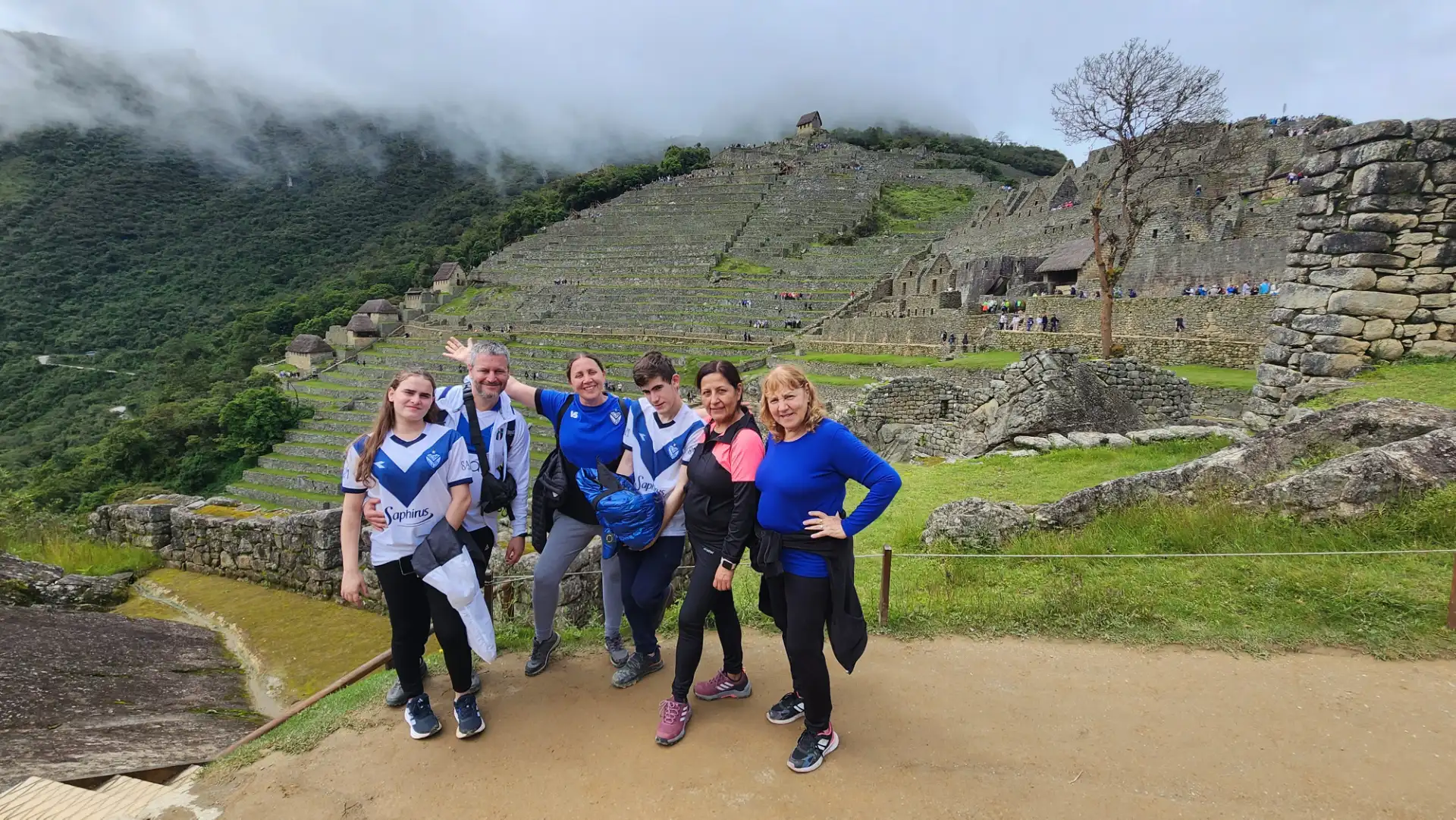
An early hike up at 5:00 am lets you enter Machu Picchu among the first visitors for the sunrise and a two-hour guided tour; Huayna Picchu is optional. Then the train to Ollantaytambo and the transfer to Cusco, arriving around 8:00 pm.
What is included
| Included | Not included |
|---|---|
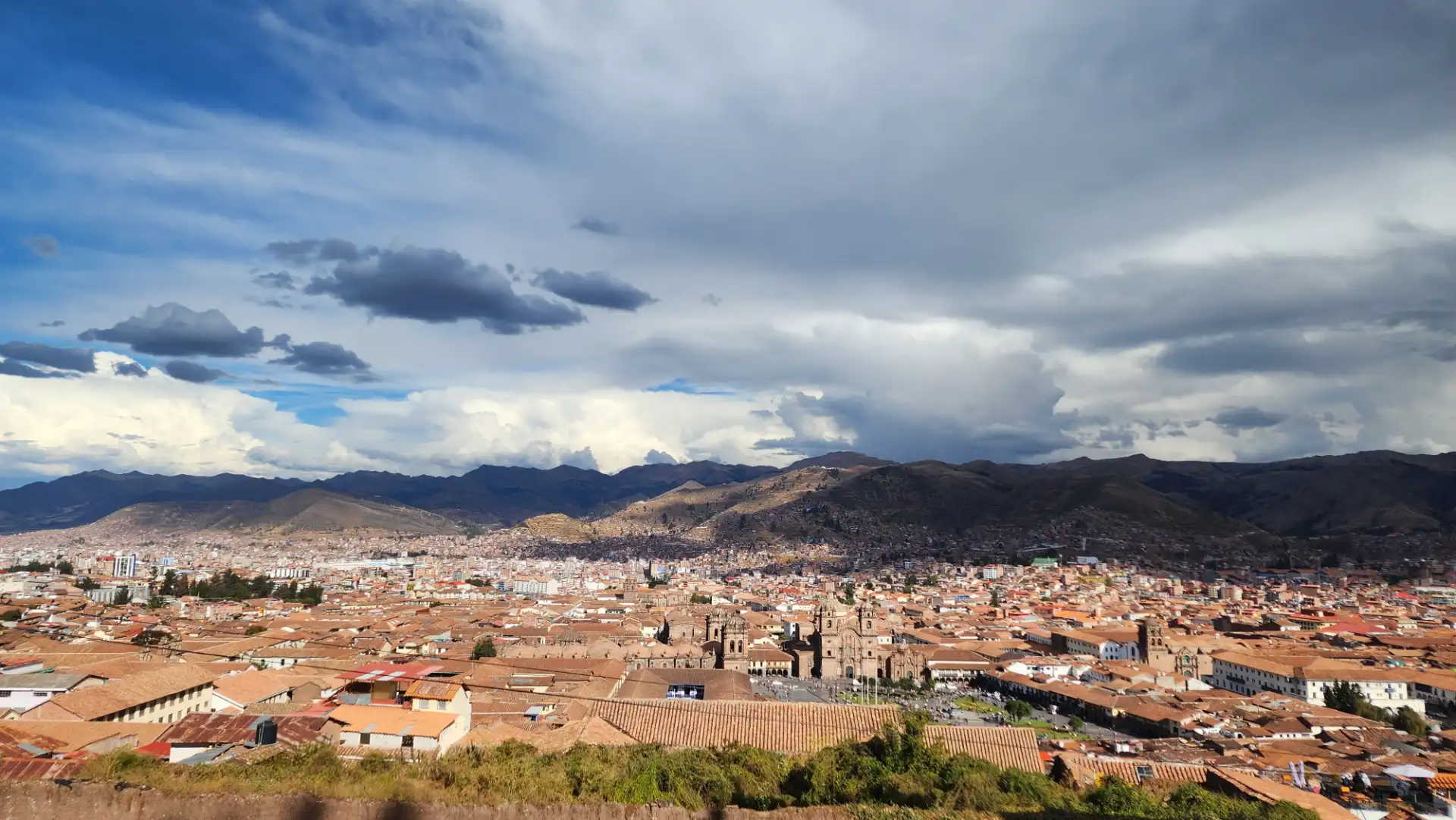
| Hotel pickup and private transport to Lares | Sleeping bag and poles (rent in Cusco) |
| Bilingual guide, chef and cooking equipment | Huayna Picchu (optional) |
| 3 breakfasts, 3 lunches, 3 dinners; horses and muleteers | Tips |
| Train Ollantaytambo – Aguas Calientes and back; one hotel night | — |
| Machu Picchu entrance and guided tour; oxygen and first-aid kit; return to Cusco | — |
How to prepare
- Acclimatize for at least two days in Cusco or the Sacred Valley.
- Nights at camp are cold: bring warm layers and a good sleeping bag.
- Bring cash in soles to buy textiles directly from the weavers.
- Carry your original passport for Machu Picchu.
Why choose Lares? Read what makes the Lares trek special and compare it in Inca Trail vs Salkantay vs Lares.
Frequently asked questions
Moderate in effort but high in altitude: the Sacsallaully Pass is at 4,646 m. Good acclimatization matters more than fitness.
No trekking permit is needed; the Machu Picchu entrance is included in our tour.
Two nights camping in the Lares valley and one night in a hotel in Aguas Calientes.
Yes, you visit the Lares hot springs on the first day.
Around 8:00 pm on the fourth day, after Machu Picchu and the train.