
4 Days
Daily Tour
16 people
English, Espanol, Portuguese

Your trip on the Inca Trail starts with a pick-up from your hotel in Cusco between 5:30 and 6:00 am. Then, you'll take a beautiful two-hour drive through the Sacred Valley to Kilometer 82 (Piscacucho), where the trek officially begins.
Once you cross the Urubamba River checkpoint, your easy hike through the valley will begin. The Inca Trail has amazing views of the snow-capped Andes peaks, lush vegetation, and small farming communities. Llactapata, the first Inca archaeological site on the route, offers a fascinating glimpse into the culture of the ancient Andes.
As you continue along the trail, you'll gradually ascend toward Wayllabamba, your first campsite at an altitude of 3,000 meters (10,830 feet). This is the perfect place to relax, enjoy the quiet surroundings, and prepare for the next stage of your Inca Trail trek.
Total Distance: 14 km / 8.7 miles (about 6–7 hours)
Campsite Altitude: 3,000 m / 10,830 ft
Difficulty: Moderate – good for acclimatization
Meals Included: Breakfast, Lunch, Dinner
Accommodation: Comfortable tented camping
Weather: Warm during the day, cooler at night
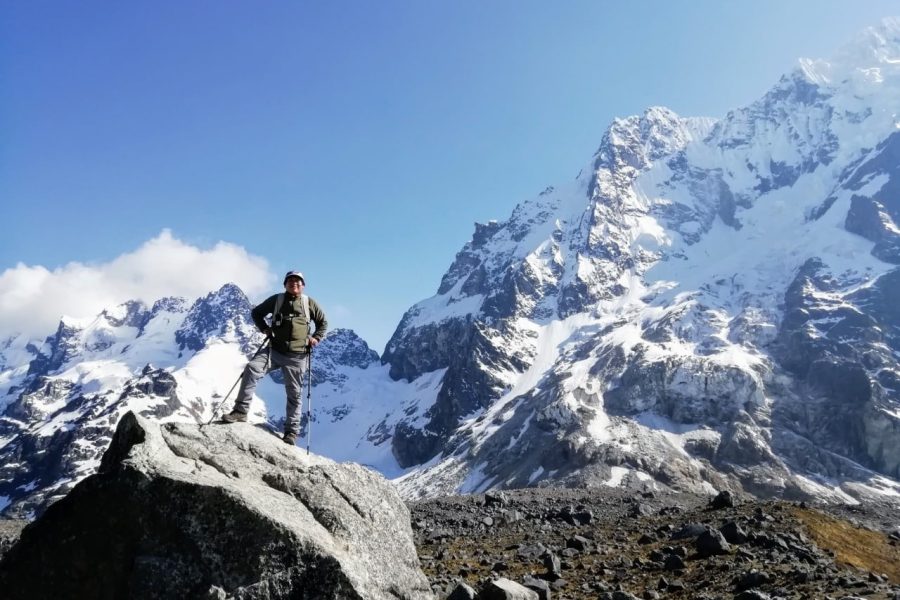
The hardest part of the Inca Trail comes on the second day. This challenging section includes a steep climb to Dead Woman's Pass (Warmiwañusca Pass), which rises to an impressive 4,215 meters (13,780 feet) above sea level. The ascent is demanding, but the panoramic views of the Andes from the top are truly unforgettable.
After reaching the highest point on the Inca Trail, the trek continues with a descent into the Pacaymayo Valley. Along the way, you’ll encounter breathtaking Andean landscapes, lush cloud forests, and remarkable Inca ruins such as Runkurakay and Sayacmarca, which showcase the incredible engineering skills of the Inca civilization.
By late afternoon, you’ll arrive at the Pacaymayo campsite (3,700 m / 12,139 ft), where you can relax, enjoy a hearty dinner, and prepare for the next day’s journey.
Hiking Distance: 10 km / 6.2 miles (6–7 hours)
Campsite Altitude: 3,700 m / 12,139 ft
Difficulty Level: Toughest day of the Inca Trail trek
Terrain: High Andes & Cloud Forest
Meals Included: Breakfast, Lunch, and Dinner
Accommodation: Comfortable tent camping
Weather: Cold, with possible rain at higher altitudes
The third day of the Inca Trail is much easier than the second, as most of the hike descends gradually toward Wiñay Wayna, the last campsite before reaching Machu Picchu. This section is one of the most archaeologically rich parts of the Inca Trail, with fascinating ruins such as Phuyupatamarca, also known as the “Town in the Clouds.”
As you continue, you’ll walk through lush cloud forests, crossing clear streams and passing by stunning waterfalls. The trail allows for plenty of stops to admire the natural beauty and capture incredible photos.
During this day, you’ll experience both uphill and downhill sections, crossing the second highest point of the Inca Trail before descending into the forest. By late afternoon, you’ll arrive at Wiñay Wayna (2,600 m / 8,530 ft), where you’ll set up camp and rest before the grand finale at Machu Picchu.
Hiking Distance: 16 km / 9.9 miles (7–8 hours)
Campsite Altitude: 2,600 m / 8,530 ft
Difficulty: Moderate, with both ascents and descents
Terrain: High Cloud Forest with archaeological sites
Meals Included: Breakfast, Lunch, and Dinner
Accommodation: Comfortable tent camping
Weather: Warm and humid during the day, cooler at night
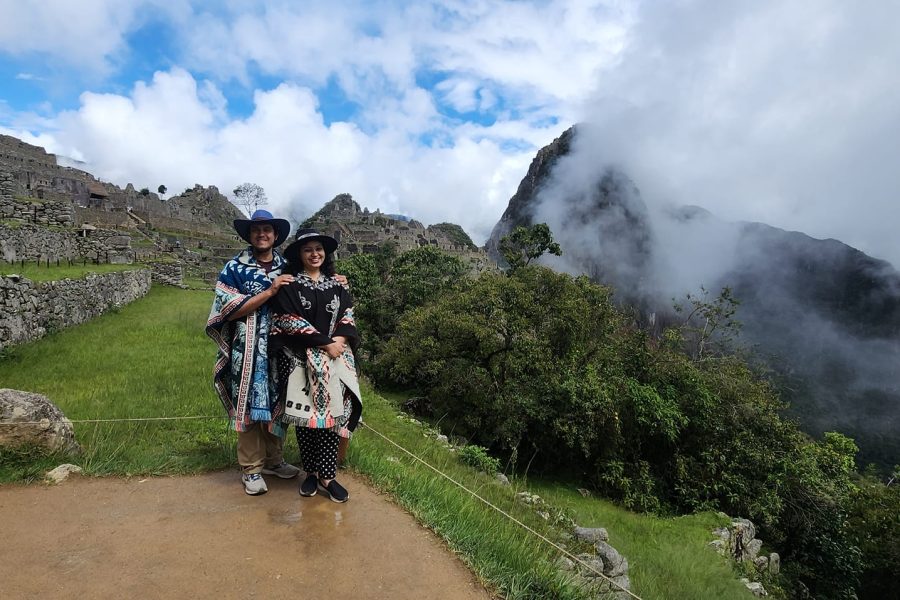
The last day of the Inca Trail is the most rewarding, as you finally reach the majestic Machu Picchu, the Lost City of the Incas. You’ll wake up very early for a short hike to the famous Inti Punku (Sun Gate), where you’ll witness the unforgettable sunrise over the citadel. From this viewpoint, the first panoramic sight of Machu Picchu is truly magical.
After taking in the breathtaking views, you’ll descend into the citadel for a guided tour of Machu Picchu. Explore its incredible Inca architecture, temples, and terraces, while learning about the history and significance of this wonder. You’ll then have free time to wander around and take photos at your own pace.
By midday, you’ll take the bus down to Aguas Calientes for lunch. In the afternoon, you’ll board the train to Ollantaytambo, followed by a private transfer back to Cusco.
Morning: Sunrise at the Sun Gate (Inti Punku)
Guided Visit: Full exploration of Machu Picchu
Afternoon: Bus to Aguas Calientes, lunch, then train to Ollantaytambo
Train Schedule: Departure at 14:30 or 14:55 (ticket included)
Transfer: 1.5–2 hour drive back to Cusco (included)
Return: Arrival in Cusco around 6:30 pm
Meals Included: Breakfast and Lunch
Terrain: High Cloud Forest and subtropical zones
Weather: Warm and humid — stay hydrated
Bus: Ticket from Machu Picchu to Aguas Calientes included
This final day is the highlight of the Inca Trail to Machu Picchu, a once-in-a-lifetime experience filled with history, culture, and stunning landscapes.
The Inca Trail is a famous trekking route in Peru that leads to the ancient citadel of Machu Picchu. It's known for its stunning scenery and historical significance.
Yes, a permit is required to trek the Inca Trail, including the 4-day route. Permits are limited and should be booked well in advance through authorized tour operators.
The highest point on the 4-day Inca Trail trek is Warmiwañusca, also known as Dead Woman's Pass, at an altitude of 4,215 meters (13,828 feet) above sea level.
Essential items include sturdy hiking boots, weather-appropriate clothing (layers), a daypack, sunscreen, insect repellent, a reusable water bottle, and personal toiletries.
Yes, altitude sickness can be a concern, especially at higher elevations. It's recommended to acclimatize in Cusco or the Sacred Valley before starting the trek and to stay hydrated throughout.
Yes, there are basic toilet facilities at designated campsites along the Inca Trail. Some sites may have flush toilets, while others have simple pit toilets.
The weather can vary significantly. Days can be warm and sunny, while nights are cold. Be prepared for rain, especially during the wet season (November to March).
Yes, many tour operators provide porters who carry camping equipment and a portion of your personal belongings. This allows you to trek with a lighter pack.

Confidence to our customers
Quality of service

Secure Payment
Ensure Safe & Secure Payment

Member Since 2023



Leave a review