Chinchero: weaving, ruins and the complete guide
Often called the birthplace of the rainbow in Inca myth, Chinchero is a high Andean town where weaving traditions run deepest, Inca terraces frame the plaza, and a beautiful colonial church sits on Inca foundations. Less rushed than other valley stops, it's where you'll best understand Andean textile culture. Here's what to see.
The home of Andean weaving
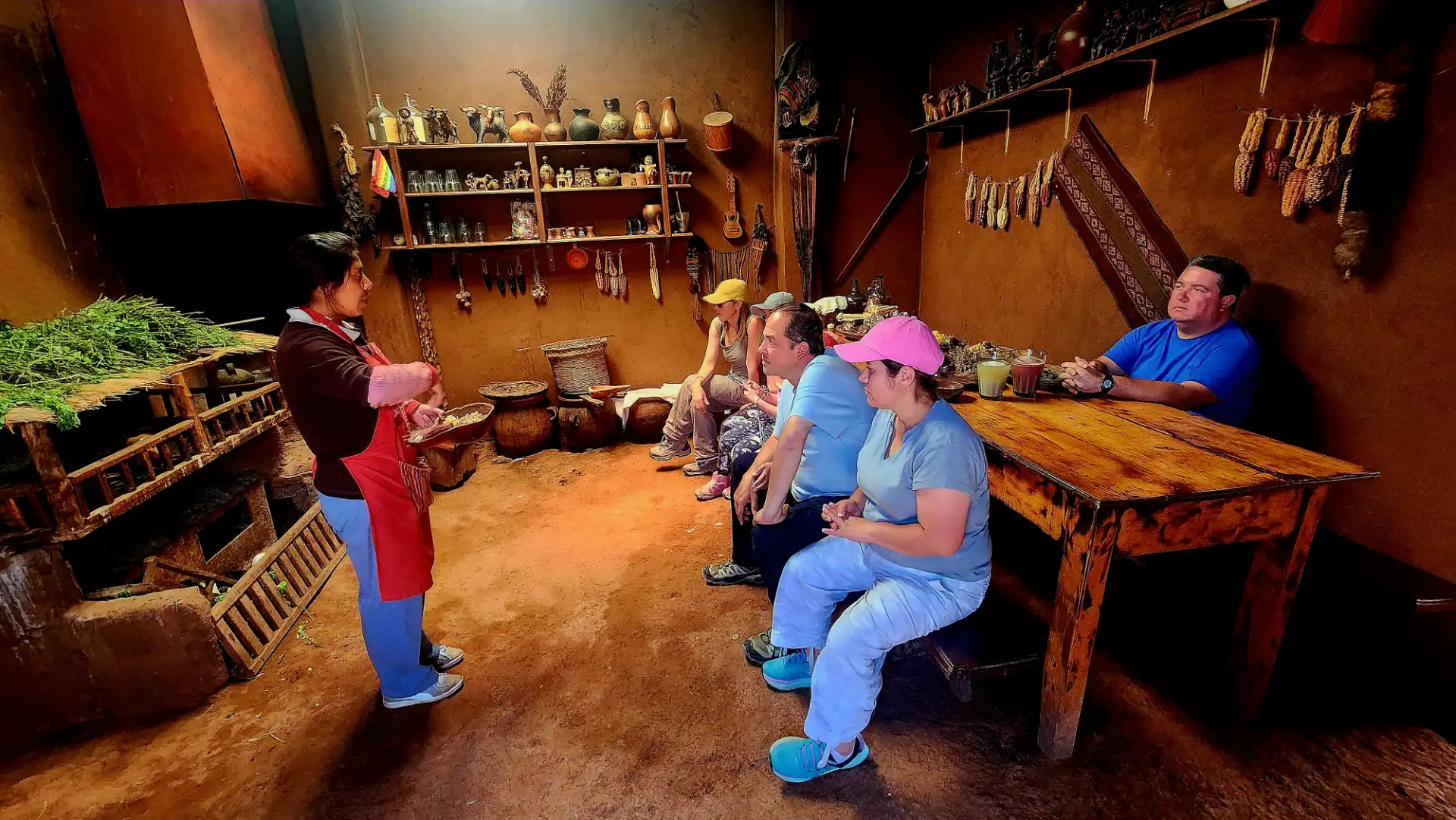
Chinchero is renowned as a centre of traditional Andean weaving. At the town's weaving cooperatives, local women demonstrate the whole process — washing raw alpaca wool with a natural root soap, dyeing it with plants, cochineal and minerals, and weaving intricate patterns on backstrap looms. Each motif carries meaning, passed down through generations. It's one of the most authentic cultural experiences in the valley, and buying directly supports the weavers.
Inca terraces and the colonial church
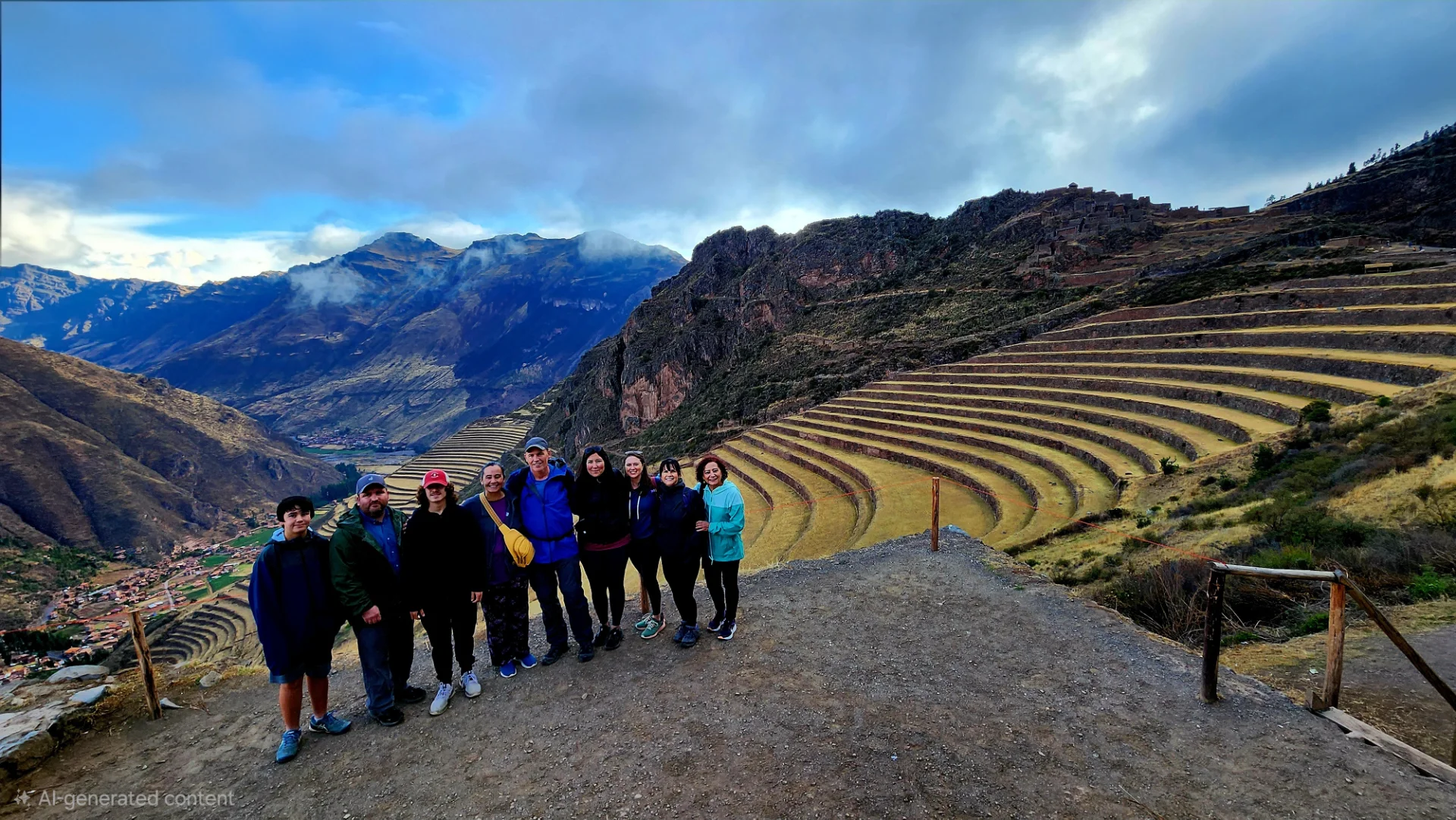
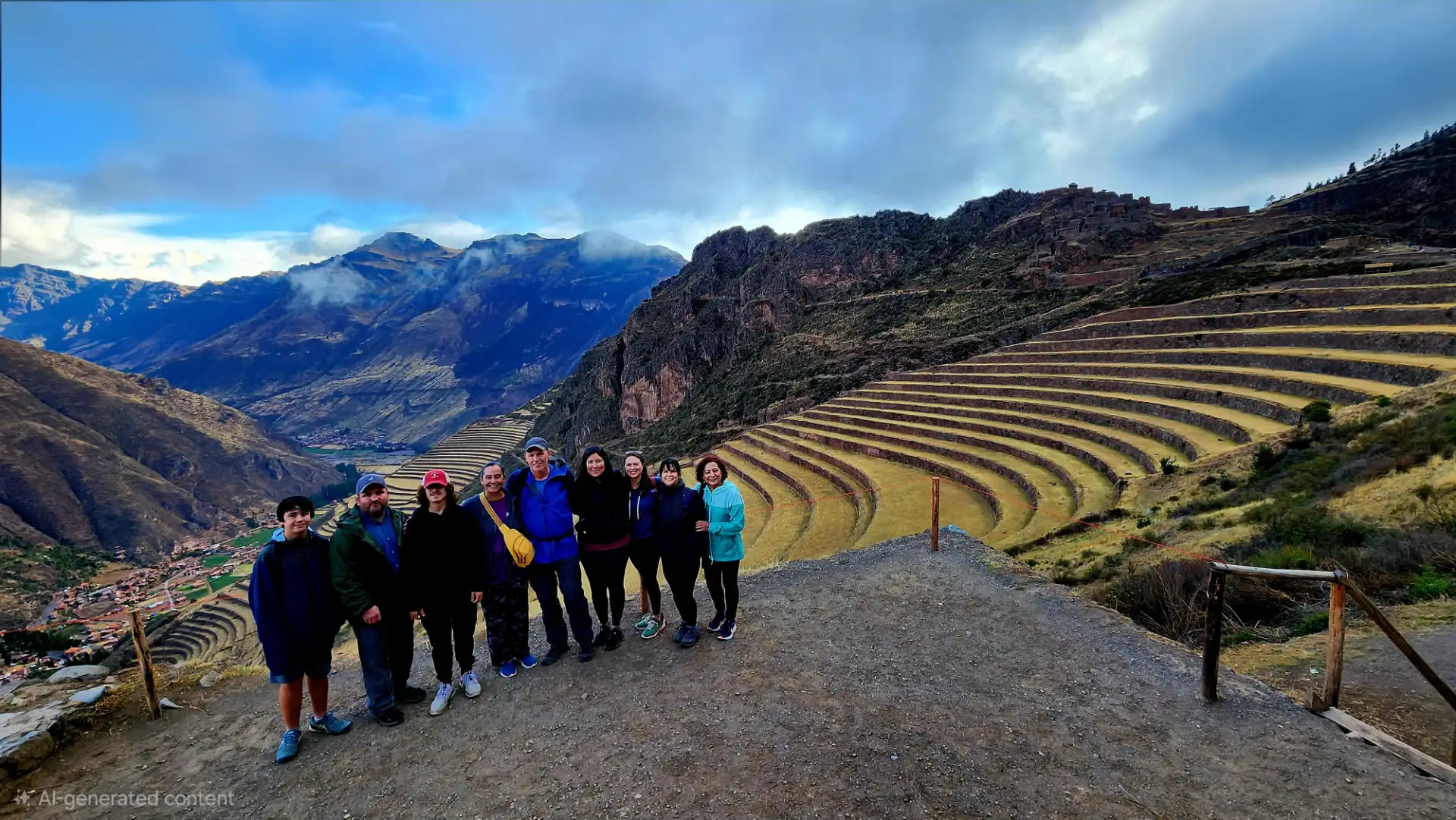
Chinchero was an important Inca town — said to be an estate of the ruler Túpac Yupanqui — and fine Inca terraces and walls still frame the main square. On the plaza stands a lovely colonial adobe church, built on Inca foundations and decorated inside with vivid murals. The contrast of Inca stonework and Andean-baroque art makes the square one of the valley's most atmospheric.
Chinchero's market
Chinchero holds a traditional market, busiest on Sunday, where you'll find textiles and crafts with a more local, less touristy feel than some valley markets. It's a good place to buy weavings close to their source.
How to visit Chinchero
Chinchero sits on the high plateau between Cusco and the valley at around 3,760 m — higher than Cusco, so don't visit on your very first day. Entry to the ruins and church is covered by the Cusco Tourist Ticket (Boleto Turístico). It's often combined with Maras and Moray, or visited en route into the Sacred Valley. Bring warm layers (it's breezy and high) and cash for the weavers. See the wider Sacred Valley sites guide.
Experience the Sacred Valley
Chinchero, Pisac, Ollantaytambo and more with a local guide.
Frequently asked questions
Chinchero is known as a centre of traditional Andean weaving, where cooperatives demonstrate natural dyeing and backstrap-loom techniques. It also has fine Inca terraces and a colonial church built on Inca foundations.
Yes. It offers the valley's most authentic weaving experience, atmospheric Inca-and-colonial architecture on the main square, and a more local feel than busier stops.
Chinchero sits at around 3,760 m, higher than Cusco, so it's best visited after you've begun to acclimatize rather than on your first day. Bring warm layers, as it's high and breezy.
Yes, entry to the Chinchero ruins and church is covered by the Cusco Tourist Ticket (Boleto Turístico). The weaving demonstrations are run by local cooperatives.