Climbing Huayna Picchu: tickets, difficulty and tips
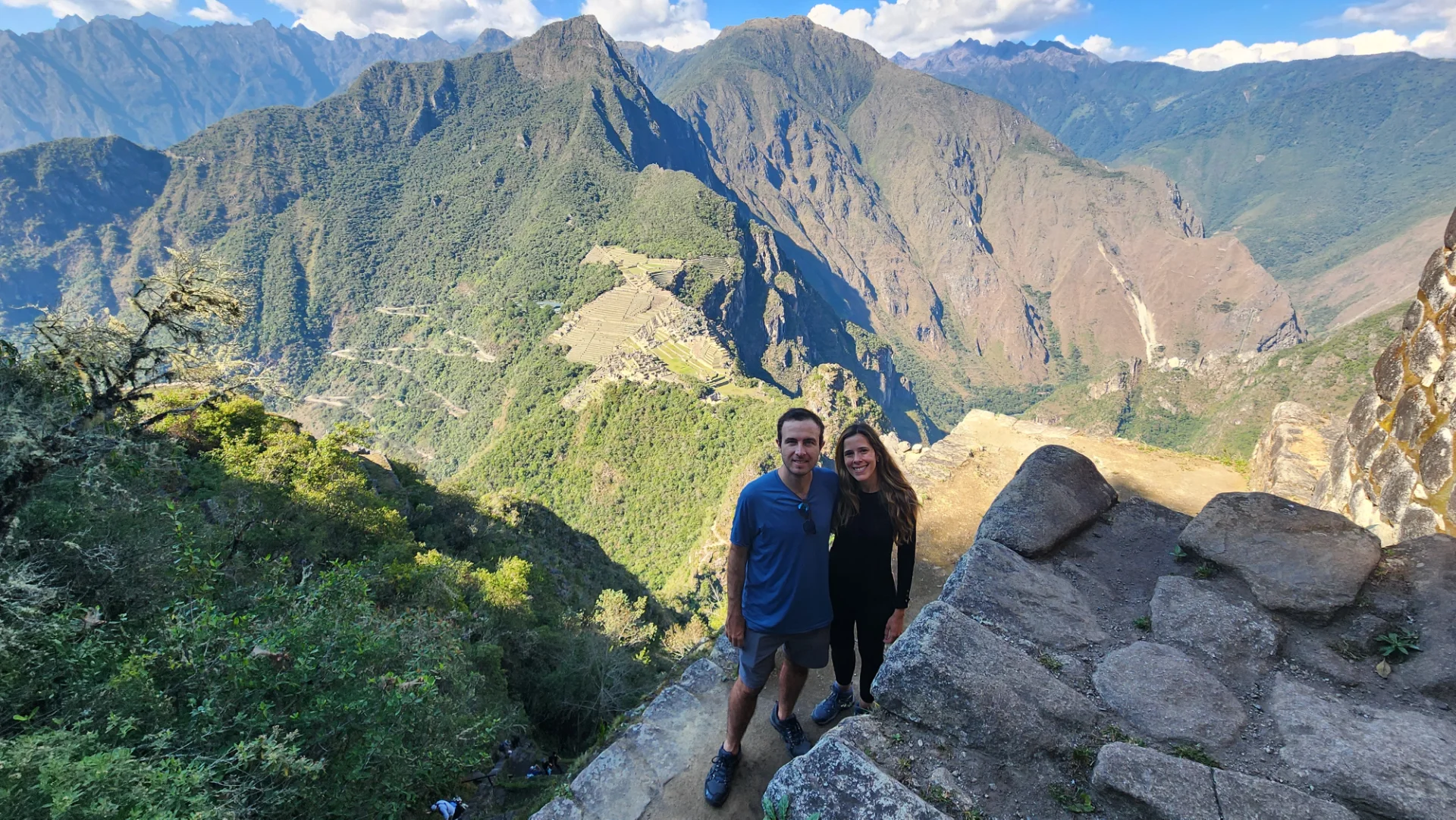
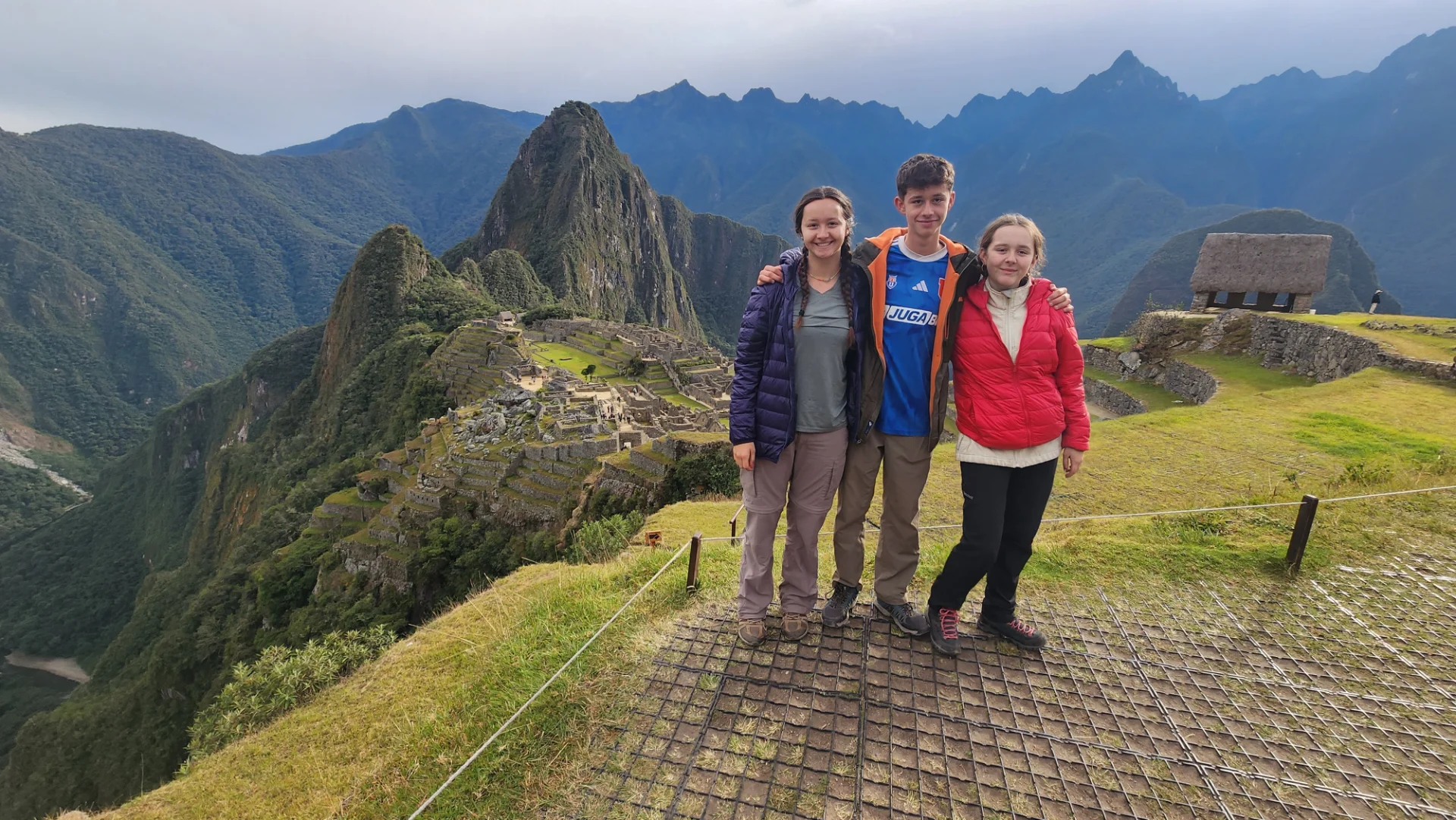
Huayna Picchu is the steep peak that rises behind Machu Picchu in every classic photo — and you can climb it. From the top, the citadel lies spread out below you like a map. Tickets are limited and the stairs are steep, so it pays to plan. Here is everything you need to know.
Huayna Picchu at a glance
| Fact | Detail |
|---|---|
| Summit altitude | About 2,720 m |
| Climb | About 300 m of ascent, roughly 1 hour up and 1 hour down |
| Ticket | Circuit 3, route 3-A “Huayna Picchu” |
| Price | About S/211 for a foreign adult, including the S/11 surcharge |
| Difficulty | Steep and exposed, but short |
How to get Huayna Picchu tickets
Huayna Picchu is not an add-on you can decide on the day. You need a specific ticket — route 3-A — with a fixed entry time, and daily places are limited. In the dry season and on holidays it sells out weeks or even months ahead, so book it first and build the rest of your trip around it. Tickets are sold on the official website of the Ministry of Culture or through a licensed operator. Our guide to tickets and circuits explains every route, and ticket availability explains how to check dates.
Machu Picchu + Huayna Picchu, all arranged
Train, bus, entrance with Huayna Picchu and guide in one booking — from US $450 in one day.
How hard is the climb?
The trail climbs narrow Inca stairways carved into the rock, with handrails and cables in places and some sections where the drop is very steep. It is short but demanding: take it slowly, use your hands where needed and let faster people pass. If you are reasonably fit and do not suffer from vertigo, you will be fine. If heights make you very uncomfortable, choose Machu Picchu Mountain instead, which is longer but feels less exposed.
After the climb, route 3-A continues through the lower part of the citadel. The Temple of the Moon and the Great Cavern are on a different route (3-C), so they are not part of this climb.
Choosing your time slot
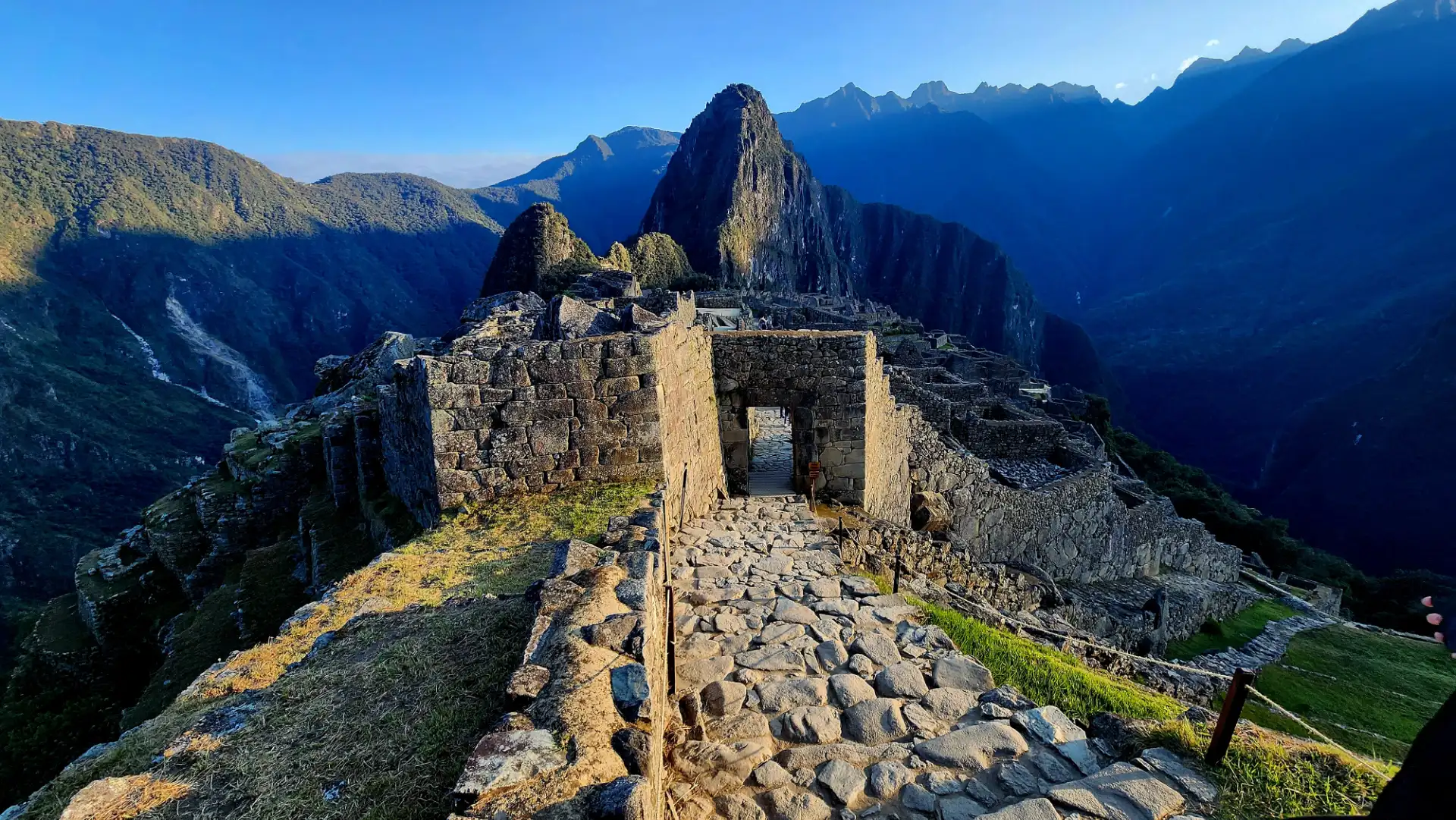
Early slots usually bring cooler air and the chance to see the clouds lift from the valley — magical, but sometimes the summit is still in mist. Later morning slots tend to have clearer views and more sun. In the rainy season (December to March) the stones can be slippery, so allow extra time and wear shoes with good grip.
What to bring
- Shoes with good grip — this matters more than anything else.
- Water and a small snack; there are no shops on the trail.
- A light rain jacket and sun protection.
- Your original passport, checked with your ticket.
- A small daypack only; keep your hands free for the stairs.
See also what to wear to Machu Picchu.
Who should skip it
Skip Huayna Picchu if you have a strong fear of heights, knee problems, little time, or are travelling with young children — the classic circuit is already a complete visit. Everyone else will remember the view for a lifetime.
Frequently asked questions
It is safe if you take care and follow the rules, but the steps are steep and narrow with exposed sections. It is not recommended if you suffer from vertigo.
About one hour up and one hour down, plus time at the summit.
As early as possible: in the dry season it often sells out weeks or months ahead.
Yes. Route 3-A combines the climb with a visit to the lower sector of the citadel.
Huayna Picchu is shorter, steeper and more exposed, with a close view of the citadel; Machu Picchu Mountain is longer and higher but feels safer.