The best photo spots at Machu Picchu (and which circuit to book)
Machu Picchu is one of the most photographed places on Earth, but the best pictures are not a matter of luck. Since the circuit system, where you can stand depends on the ticket you buy. Here are the great viewpoints, the route that reaches each one and the light to look for.
The viewpoints and the route you need
| Photo | Where | Route |
|---|---|---|
| The classic postcard | Upper terraces, citadel with Huayna Picchu behind | 1-B Upper Terrace or 2-A Classic |
| The citadel from above | Summit of Machu Picchu Mountain | 1-A Machu Picchu Mountain |
| Bird’s-eye close-up | Summit of Huayna Picchu | 3-A Huayna Picchu |
| The arrival view of the Inca Trail | Sun Gate (Inti Punku) | 1-C Sun Gate |
| Inside the city | Temples, stonework, llamas | 2-A Classic and circuit 3 routes |
The classic postcard view
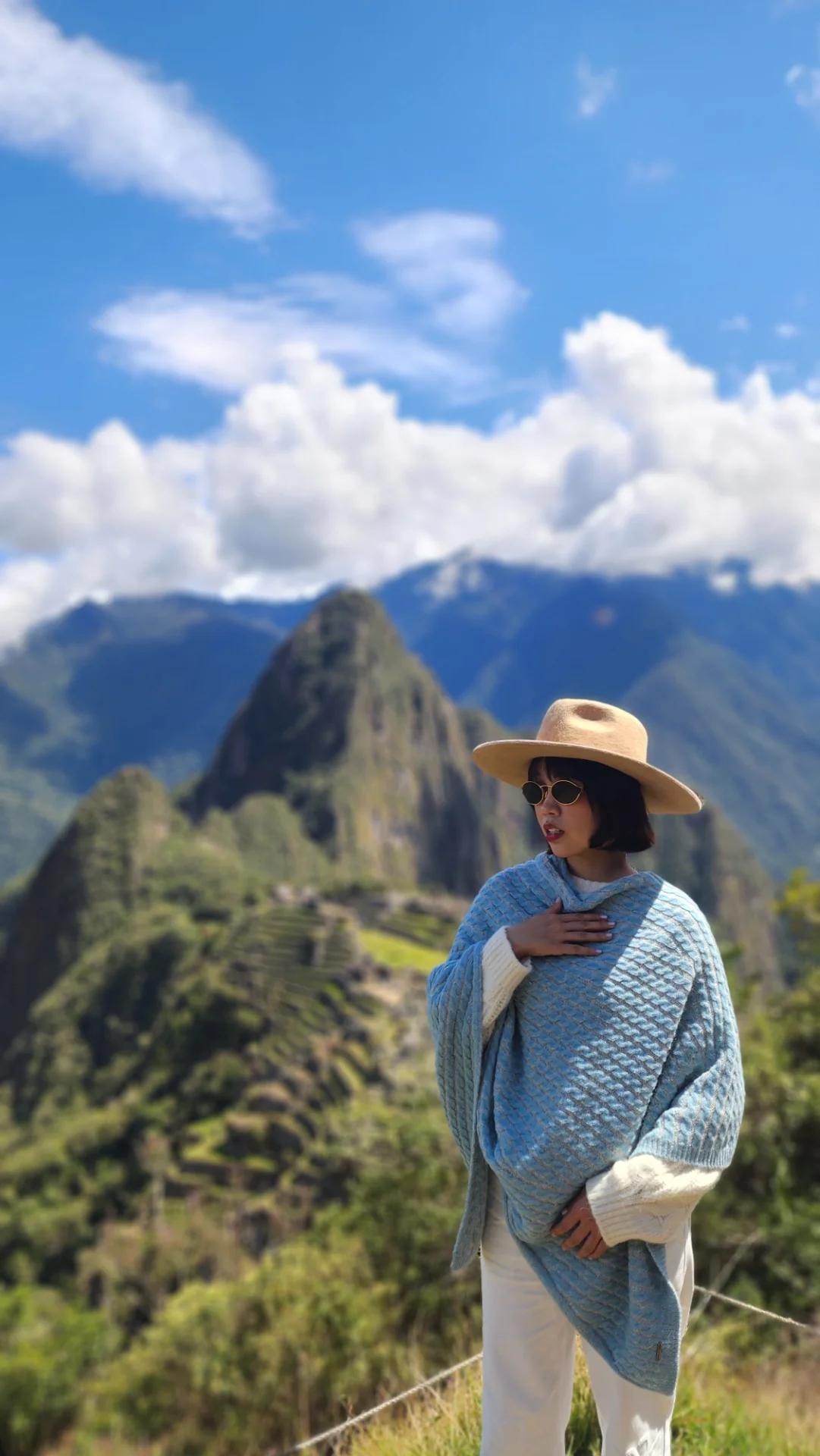
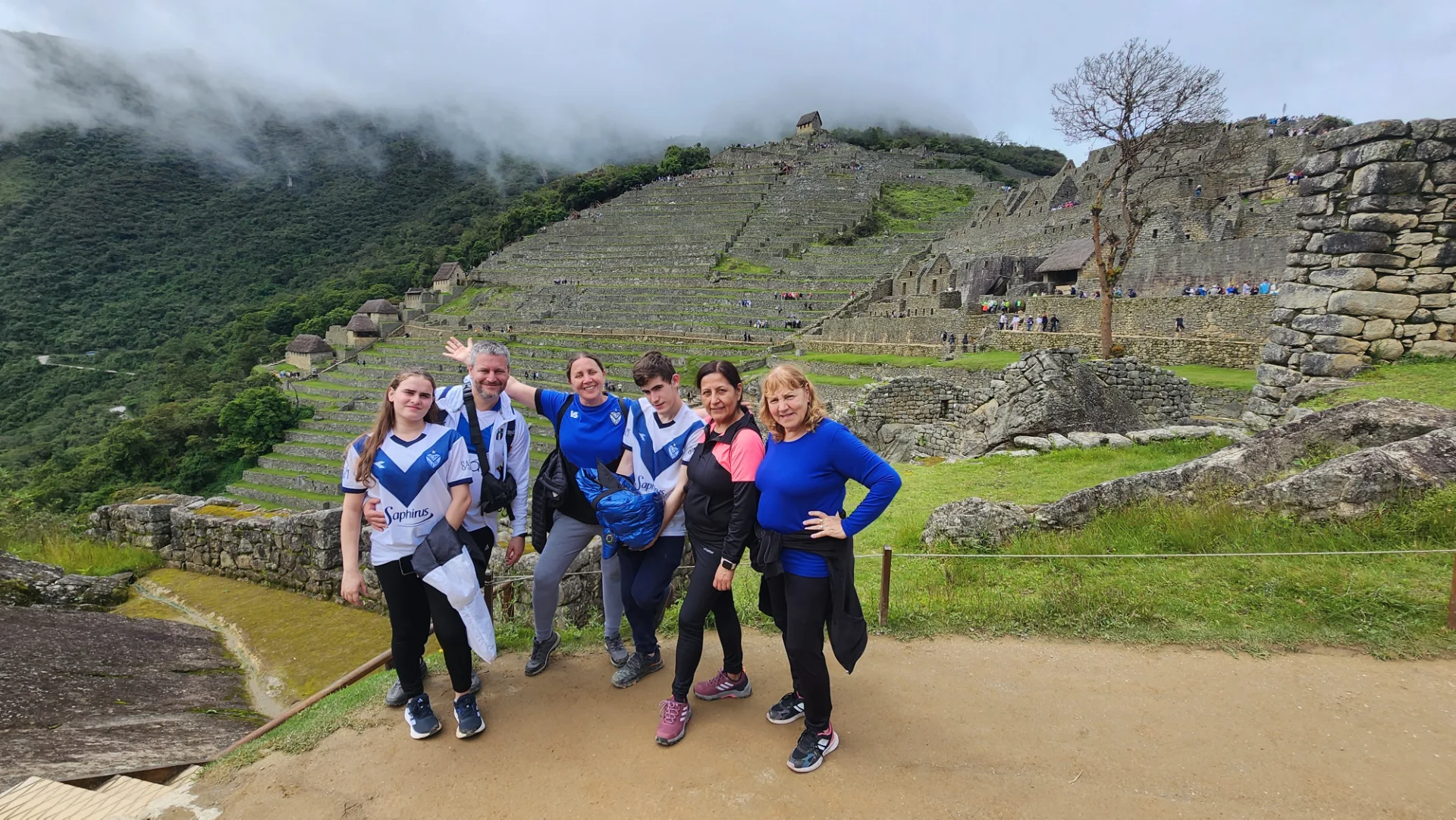
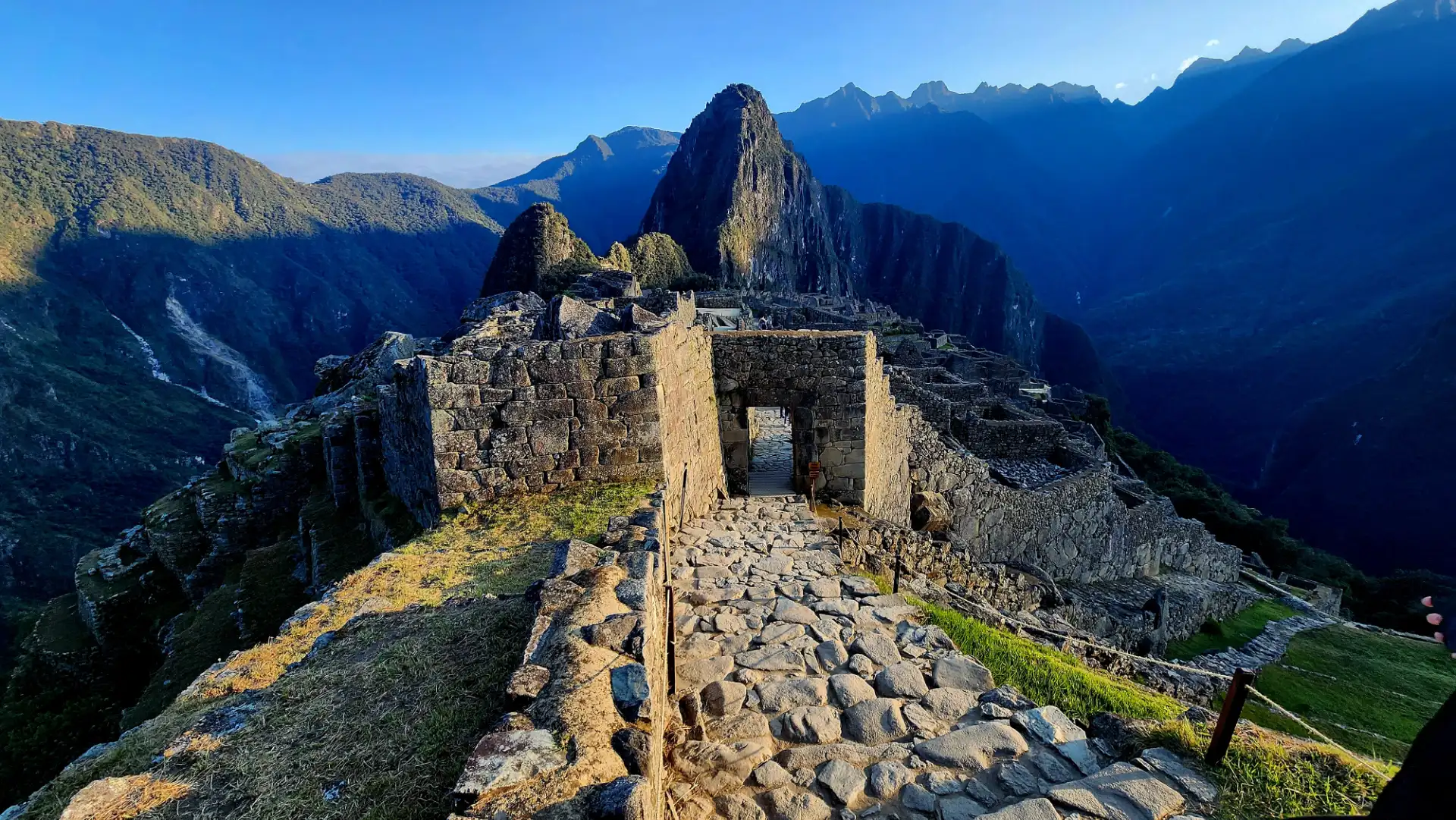
The picture everyone imagines — the whole city below you with Huayna Picchu rising behind — is taken from the upper terraces near the Guardhouse. Routes 1-B and 2-A reach it; routes that only visit the lower sector do not. If this photo matters to you, check your route before you buy, because tickets cannot be changed.
The right ticket for the photo you want
We book the route with the postcard view and a guide who knows the best angles — from US $375.
From the summits
For a view that few people get, climb a mountain. From Machu Picchu Mountain the citadel looks tiny, framed by the whole Urubamba valley; from Huayna Picchu you look straight down onto the city. Both need their own ticket and good legs — compare them in Huayna Picchu vs Machu Picchu Mountain.
Llamas, stonework and details
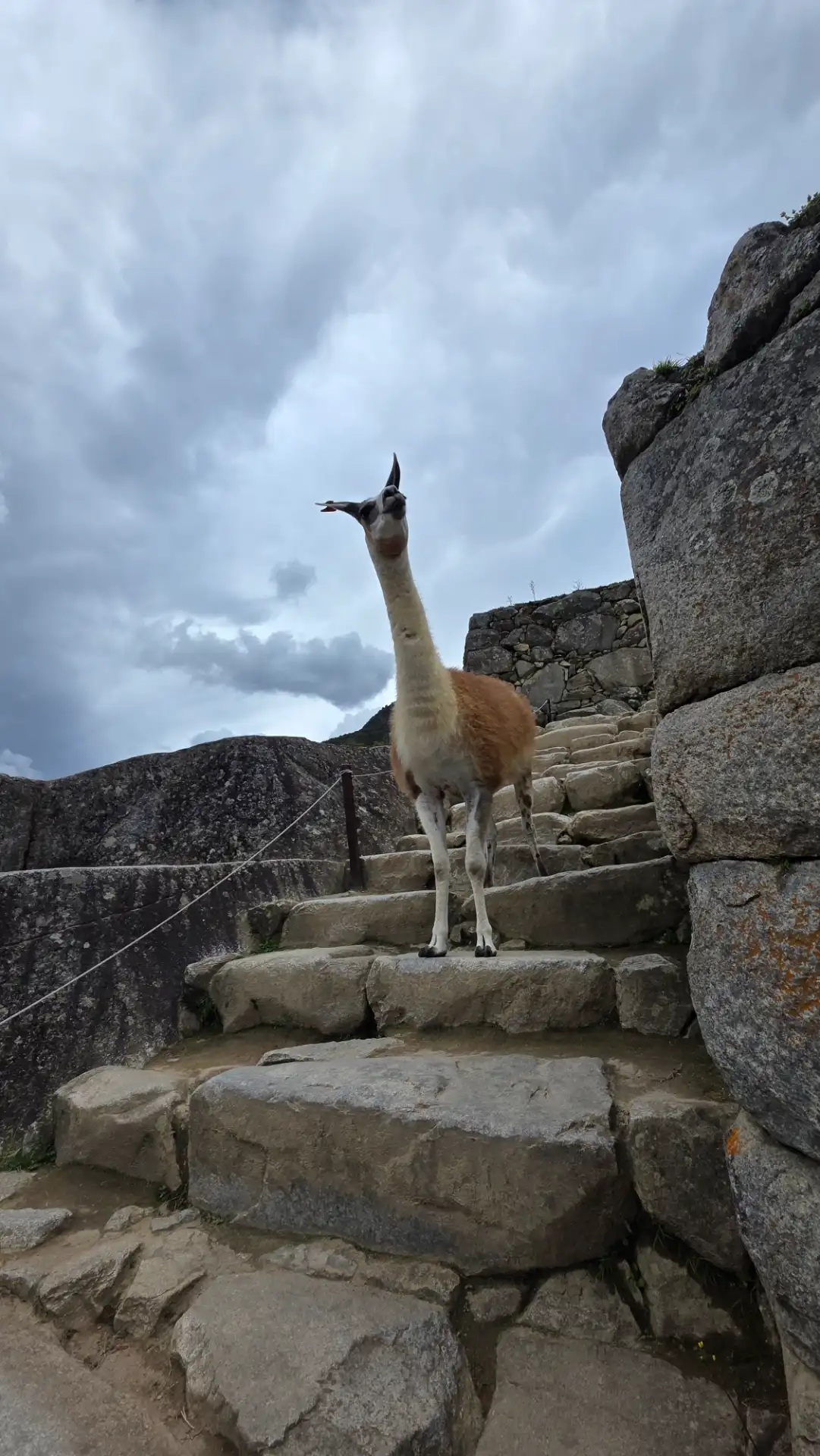
Llamas graze on the terraces and are a favourite subject — keep a respectful distance and never feed them. Inside the city, look for the curved wall of the Temple of the Sun, the trapezoidal windows and doorways, and the play of light and shadow on the stone. Our Machu Picchu facts help you know what you are photographing.
Light and time of day
- Early morning: mist often drifts through the peaks before burning off — dramatic and atmospheric.
- Mid-morning: the clouds usually lift and the views open up.
- Midday: harsh light and more people; better for details than panoramas.
- Afternoon: softer light and often fewer people.
The dry season (May to September) brings clearer skies; the rainy season brings moodier clouds and greener terraces. See the best time to visit Machu Picchu.
Camera rules
- Drones, tripods and selfie sticks are not allowed.
- Routes are one-way: you cannot go back for a second shot, so take your time at each viewpoint.
- Do not climb walls or step off the paths for a photo.
- Bring a spare battery and memory card — there are no shops inside.
Frequently asked questions
From the upper terraces near the Guardhouse, reached on routes 1-B (Upper Terrace) and 2-A (Classic).
Route 2-A for the classic view plus the city, or 1-B for the postcard view with less walking. For views from above, 1-A (Machu Picchu Mountain) or 3-A (Huayna Picchu).
No. Drones, tripods and selfie sticks are not allowed.
Early morning for mist and atmosphere, mid-morning for clear views, and afternoon for softer light.
No. Routes are one-way, so take your photos when you reach each viewpoint.