15 fascinating facts about Machu Picchu
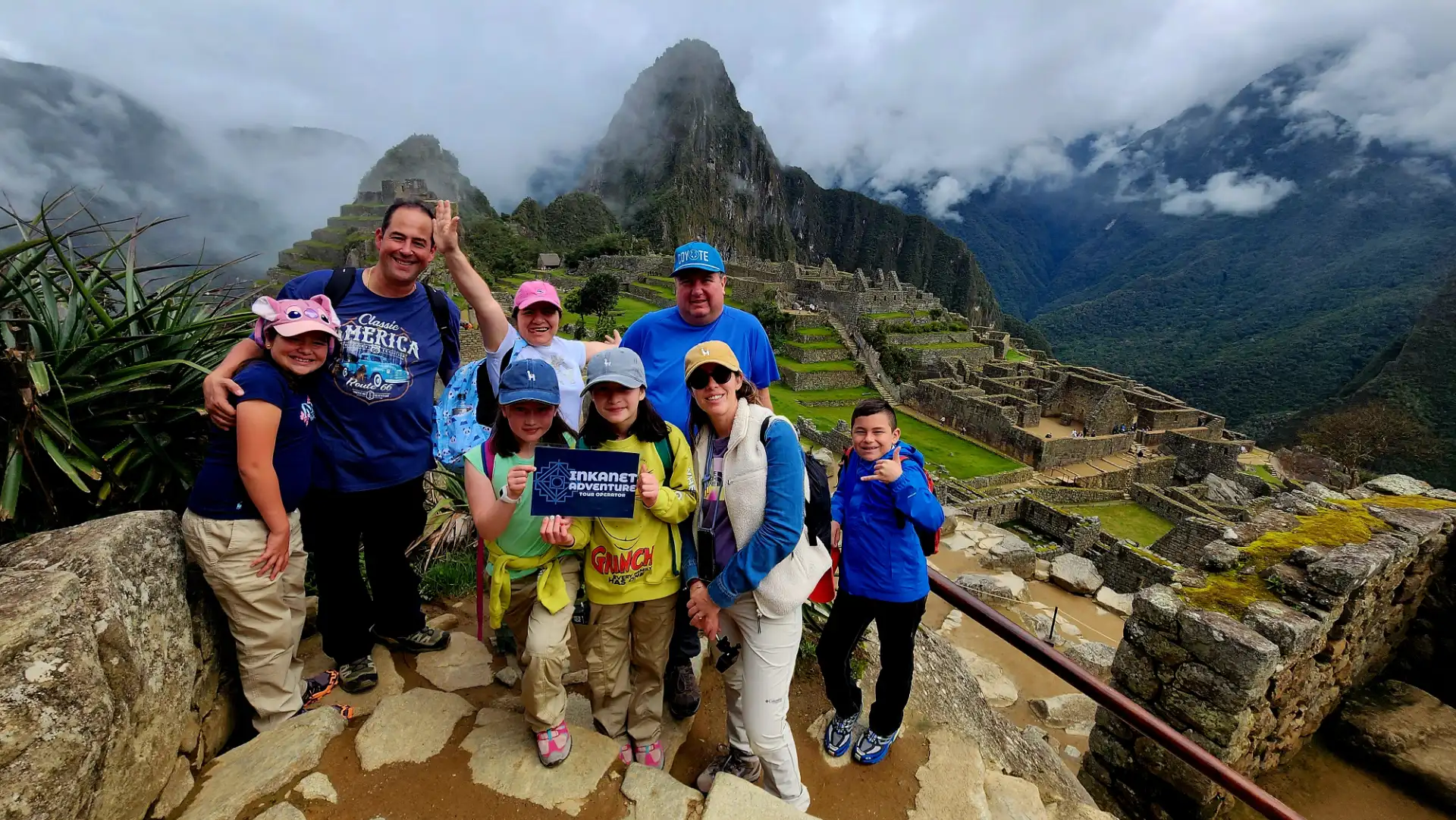
Everyone knows the photo, but Machu Picchu is far more surprising than the postcard suggests. These are the facts our guides love to share — from how it was built to why the Spanish never found it.
History
- It was built in the 15th century, at the height of the Inca Empire, most likely as a royal estate of the emperor Pachacuti.
- It was used for less than a century. The site was abandoned around the time of the Spanish conquest.
- The Spanish never found it. That is one of the reasons it survived so complete, while most Inca temples were dismantled.
- It was never truly “lost”. Local farming families knew it well; in 1911 they guided the American explorer Hiram Bingham, who made it known to the world.
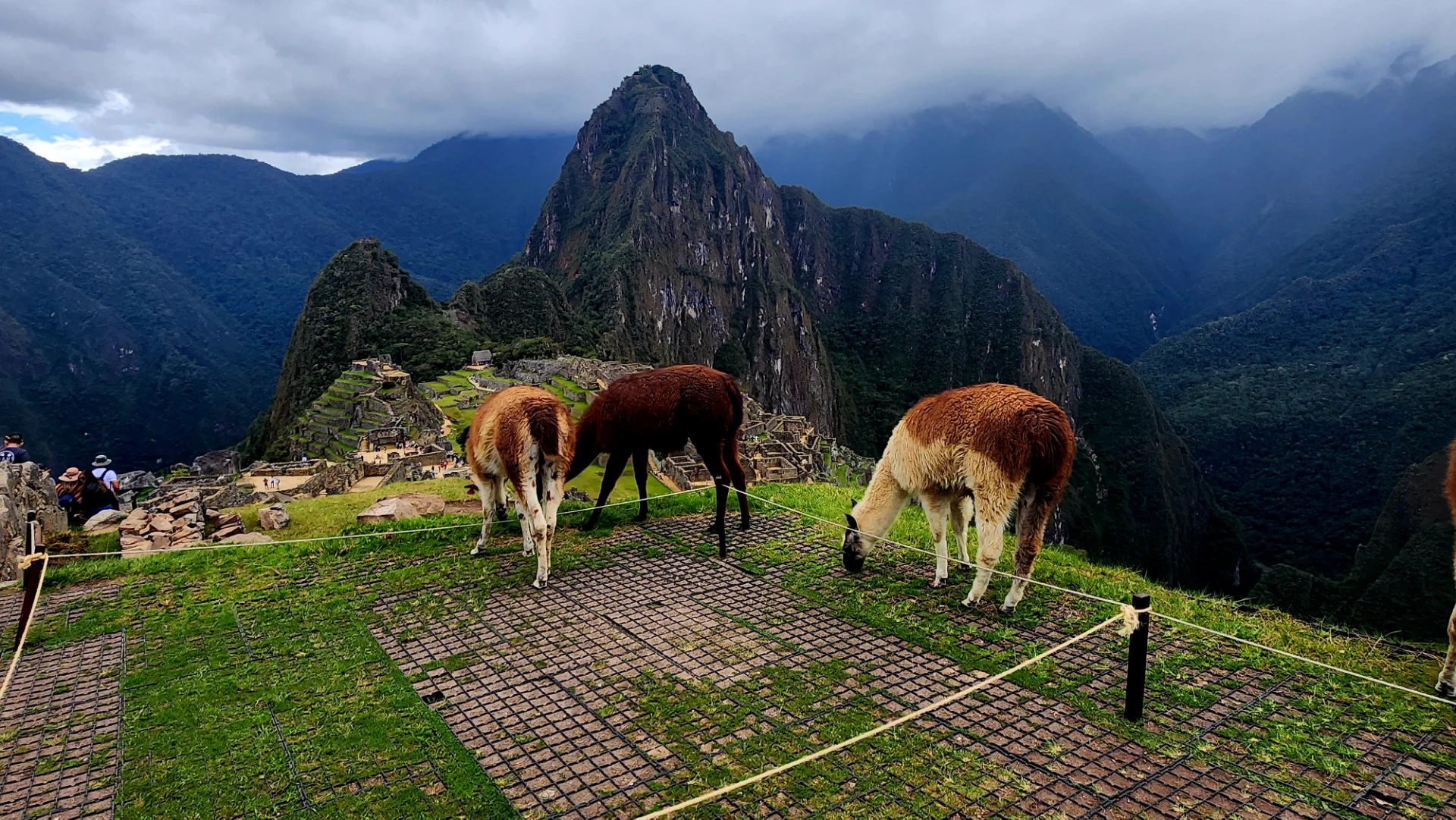
- Its name means “old mountain” in Quechua, and Huayna Picchu means “young mountain”.
Engineering
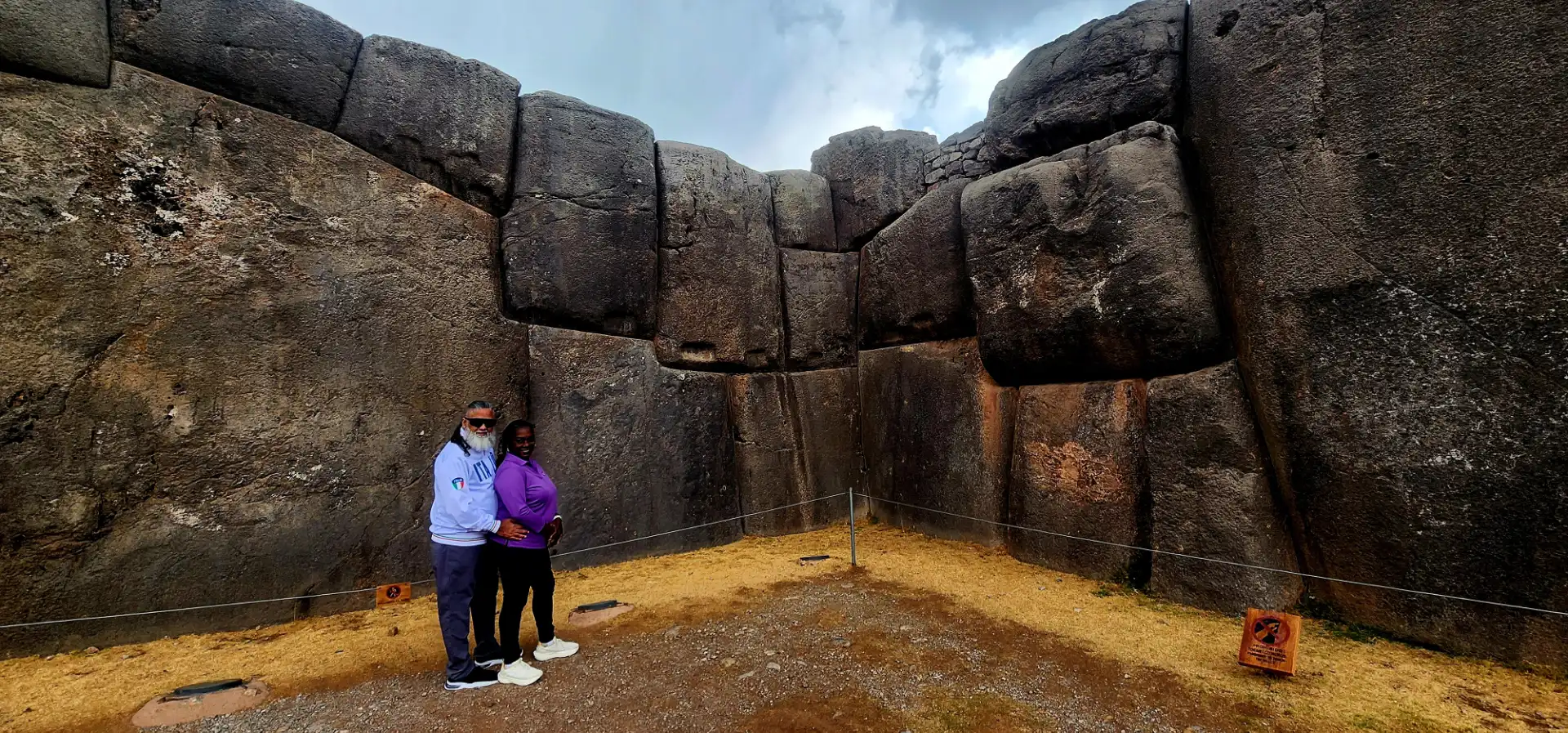
- No mortar was used in its finest walls: the stones are cut so precisely that they fit together on their own.
- It was built to withstand earthquakes. Trapezoidal doors and niches and slightly inward-leaning walls help the buildings resist tremors.
- A great deal of the work is hidden. Deep foundations, gravel layers and drainage channels below the surface keep the city stable on a steep, rainy ridge.
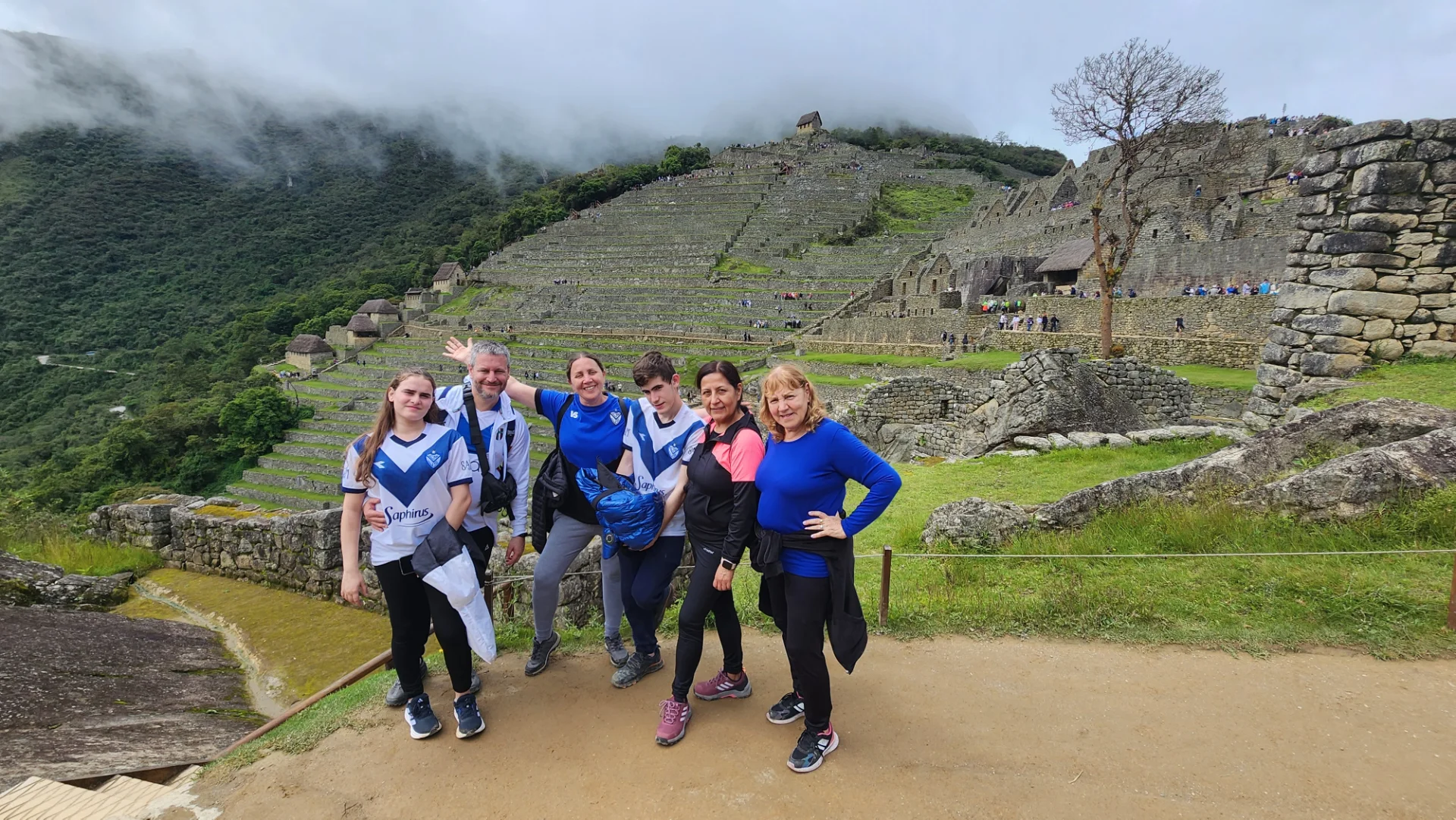
- The terraces were for farming and stability, preventing landslides while creating land to grow crops.
- Water arrived by canal from a spring on the mountain, feeding a chain of stone fountains through the city.
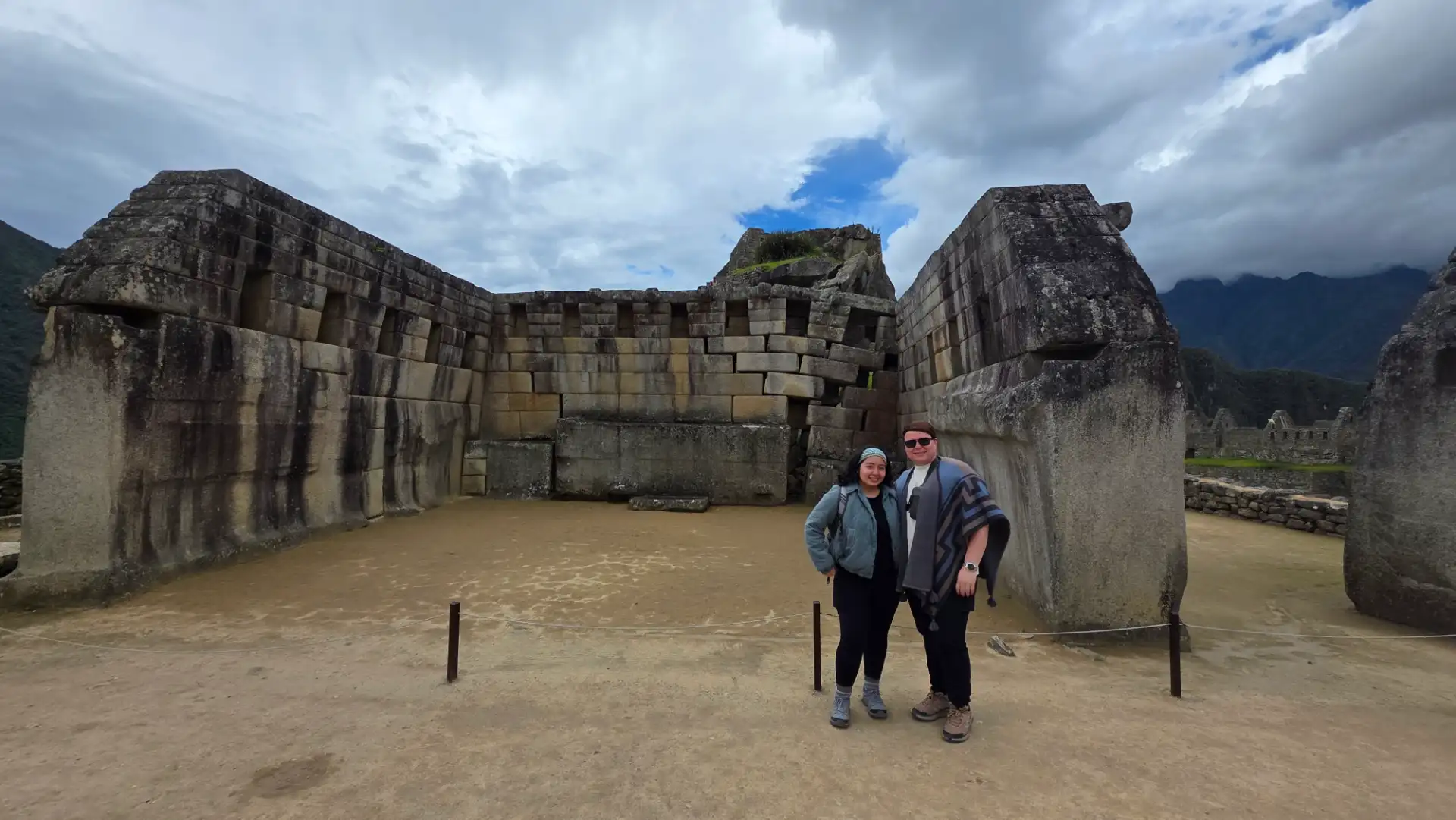
See these details with your own eyes
A licensed guide brings the stones, the history and the astronomy to life — Machu Picchu from US $375.
Astronomy and religion
- The Temple of the Sun has a window aligned with the sunrise at the June solstice.
- The Intihuatana, a carved stone in the highest part of the city, is linked to the observation of the sun.
Machu Picchu today
- It is a UNESCO World Heritage Site (since 1983) for both its culture and its nature, and was voted one of the New Seven Wonders of the World in 2007.
- It sits at about 2,430 m — lower than Cusco — in a cloud forest rich in orchids and birds.
- Visits follow fixed circuits with timed entry to protect the site. Read our guide to tickets and circuits.
Want the full picture before you go? Start with our complete Machu Picchu guide and is Machu Picchu worth it?
Frequently asked questions
The Incas, in the 15th century, most likely as a royal estate of the emperor Pachacuti.
It was remote, hidden on a ridge above the Urubamba valley and abandoned around the time of the conquest, so it stayed off the colonial records.
Local families always knew it. In 1911 they guided Hiram Bingham, who made it known internationally.
It was built in the mid-15th century, so it is more than 550 years old.
“Old mountain” in Quechua.