The Huchuy Qosqo Day Trek: Route, Difficulty and Tips
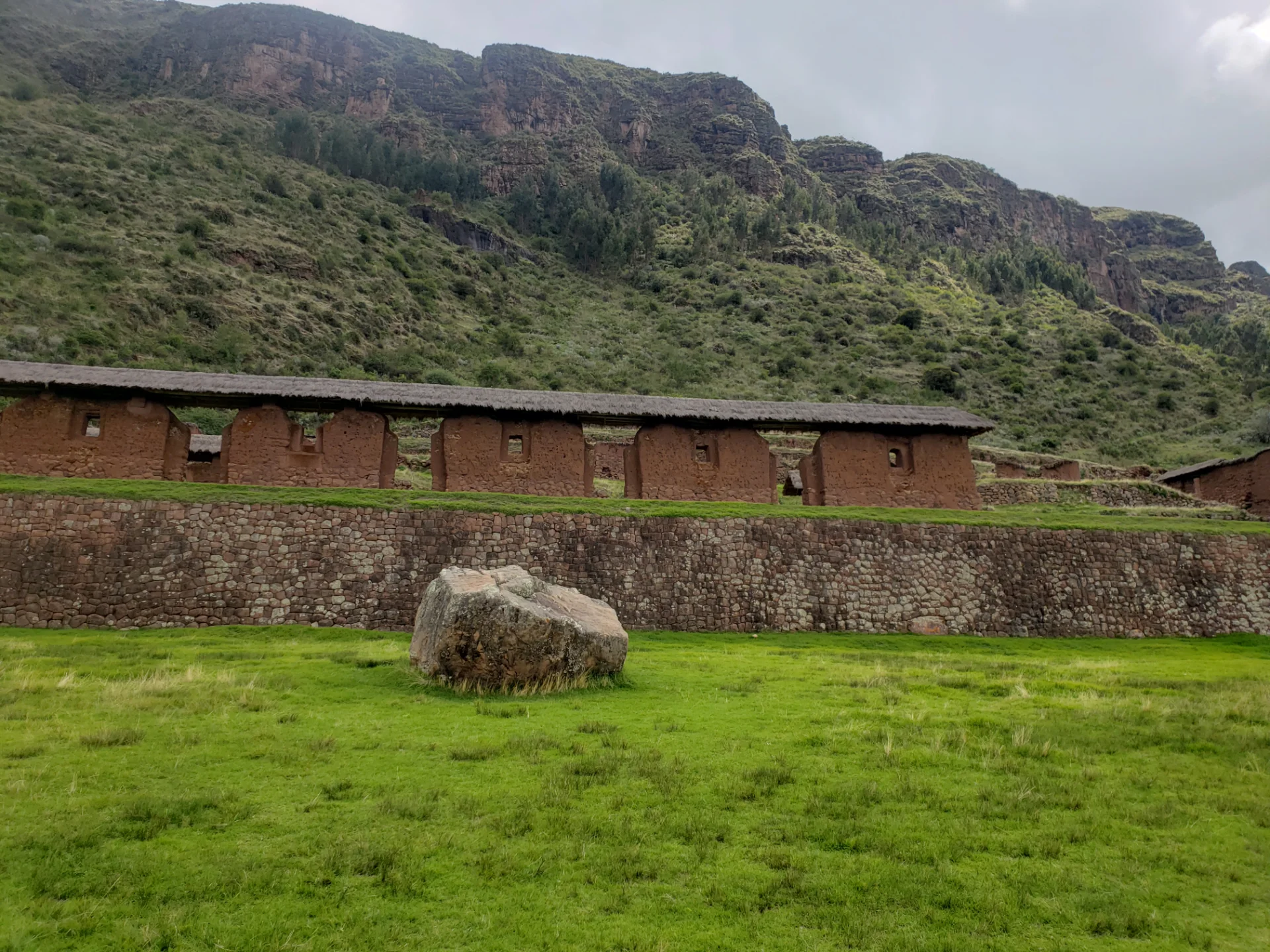
If you want a real Andean hike but only have one day, this is it. You cross a 4,393 m pass with views of the snow peaks of the Urubamba range, follow stretches of original Inca trail, and arrive at Huchuy Qosqo, the royal estate known as “Little Cusco”, high above the Sacred Valley. It is quiet, varied and reached only on foot.
The trek at a glance
| Fact | Detail |
|---|---|
| Start | Tauca (3,762 m), near Chinchero, about 1 hour by road from Cusco |
| Highest point | Pucajasa pass, 4,393 m |
| Huchuy Qosqo | 3,688 m |
| Finish | Lamay (2,938 m), in the Sacred Valley |
| Distance and time | 12 km, about 8 hours including breaks, lunch and the guided visit |
| Difficulty | Moderate to hard |
The route step by step
Early morning: pickup at your hotel and a drive of about an hour past the fields of Chinchero and the shore of Piuray Lake to the village of Tauca, where the walk begins.
Mid-morning: a steady climb on a dirt track to the Pucajasa pass (4,393 m). On a clear day the whole Urubamba range is in front of you, including the glaciers of Chicón and Verónica. You cross three ecological zones on the way, from farmland to open highland grass.
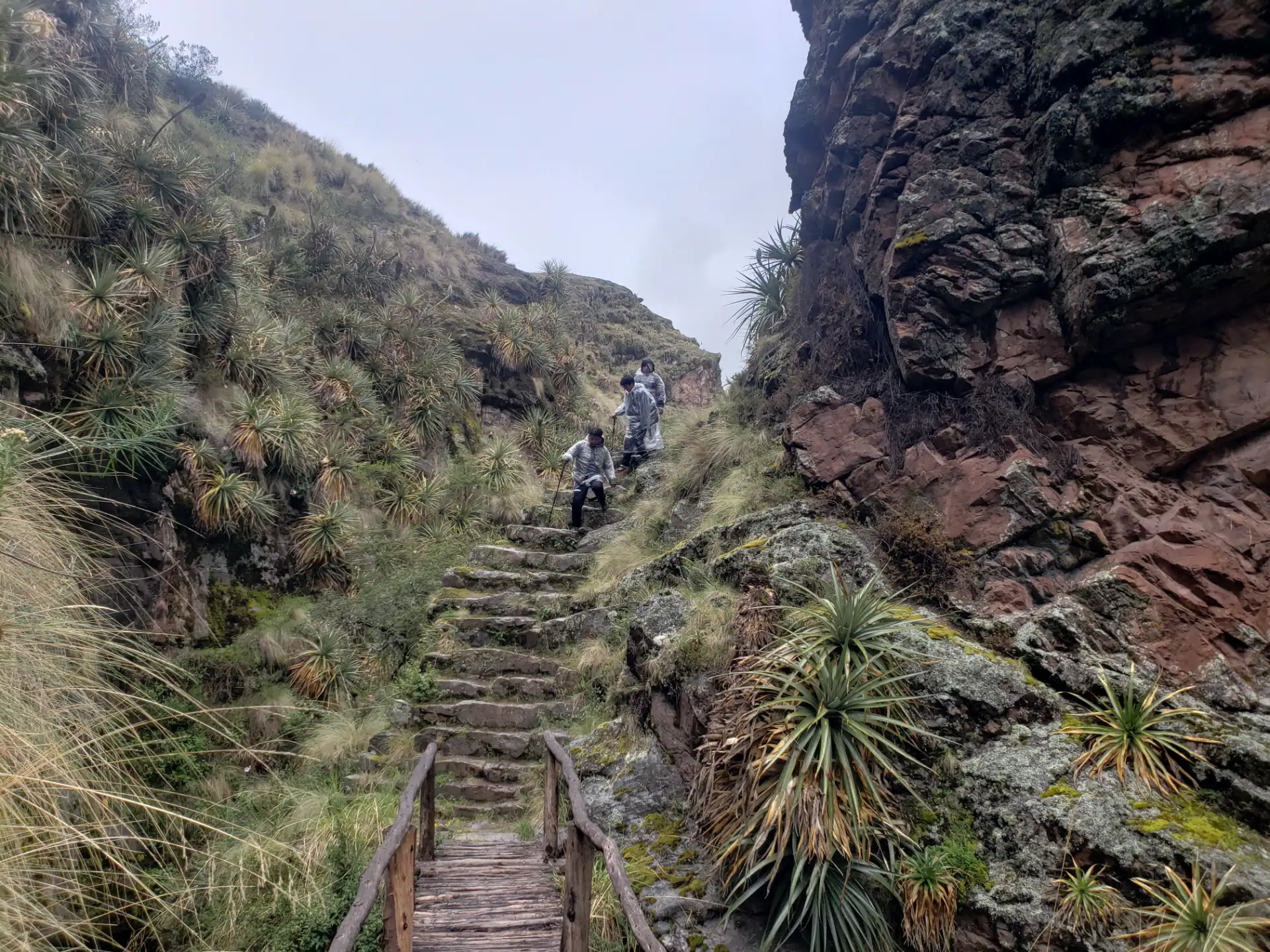
Midday: the descent follows stretches of original Inca trail, with stone steps cut into a narrow ravine, down to Huchuy Qosqo. There you have a box lunch and a guided tour of the site.
Afternoon: a long, steep descent of about 750 m to the village of Lamay, on the floor of the Sacred Valley, where private transport takes you back to Cusco by late afternoon.
Hike to Little Cusco in a day
Pucajasa pass, original Inca trail and the ruins of Huchuy Qosqo, with guide, transport, entrance and box lunch — from US $130.
What you see at Huchuy Qosqo
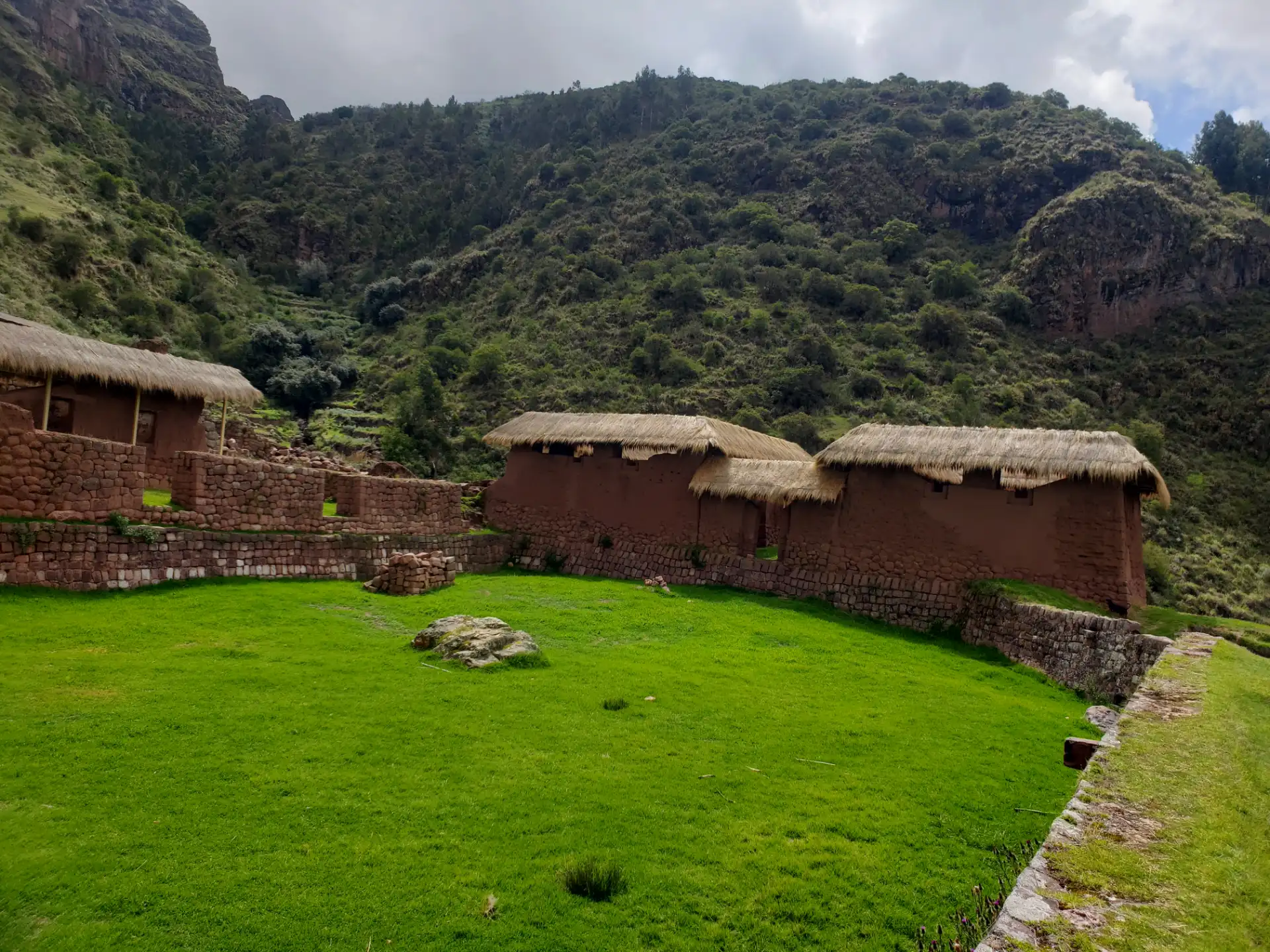
Huchuy Qosqo was the country estate of the Inca Wiracocha, built on a natural terrace that overlooks the valley. The highlights are a great hall (kallanka) about 40 metres long, buildings with fine stone foundations and adobe upper walls, agricultural terraces and the remains of an irrigation system. Because there is no road, you will share it with very few people. Our history of Huchuy Qosqo tells its story.
How hard is it?
The walk is not technical, but it is a full mountain day. The climb to the pass is gradual, and the effort comes from the altitude: at 4,393 m you will breathe hard on every slope. The descent is the real test for the legs — almost 1,500 m down from the pass to Lamay, much of it on steep steps and loose ground. If your knees are sensitive, use walking poles (you can rent them at our office for US $10).
Do not do this trek on your first day in Cusco: spend at least two days acclimatizing first. Our altitude guide explains how.
What is included
| Included | Not included |
|---|---|
| Hotel pickup in Cusco | Extra food and drinks |
| Bilingual professional guide | Walking poles (US $10 to rent) |
| Private transport to Tauca and from Lamay to Cusco | Tips |
| Huchuy Qosqo entrance | — |
| Box lunch, oxygen and first-aid kit | — |
Tips and best time
- Best season: May to September, for dry paths and clear views of the snow peaks. In the rainy season the trail is greener but muddy, and clouds often hide the mountains.
- Layers: it is cold and windy at the pass and warm in the valley, so bring a fleece, a windproof jacket and sun protection.
- Water: carry at least 1.5 litres; there are no shops on the trail.
- Good boots with grip for the Inca steps on the way down.
- Want more? The Huchuy Qosqo to Machu Picchu trek takes a different route over the mountains and continues to the citadel, and our best day trips from Cusco lists other one-day hikes.
Frequently asked questions
About 12 km and 8 hours, including breaks, lunch and the guided visit of the site.
The highest point is the Pucajasa pass at 4,393 m. Huchuy Qosqo itself lies at 3,688 m.
It is moderate to hard: not technical, but the pass is high and the long descent to Lamay is tough on the knees.
No. Unlike the Inca Trail, no permit is needed. The site entrance is included in our tour.
Yes. Our 3-day Huchuy Qosqo to Machu Picchu trek follows another route to the site and continues by train to Machu Picchu.