Porter welfare on the Inca Trail: what travellers should know
Behind every good trek to Machu Picchu is a team you will come to admire: the porters. They carry the tents, the kitchen and the food over the same passes you climb — often faster, and with a smile. How a company treats them tells you a lot about that company. Here is what you should know.
Who the porters are
Most porters come from Quechua-speaking farming communities in the highlands around Cusco. Portering is seasonal work that helps support their families, and many combine it with farming for the rest of the year. They set off before you in the morning and are often already setting up camp when you arrive. They are not background staff: they are the reason the trek works.
How porters are protected
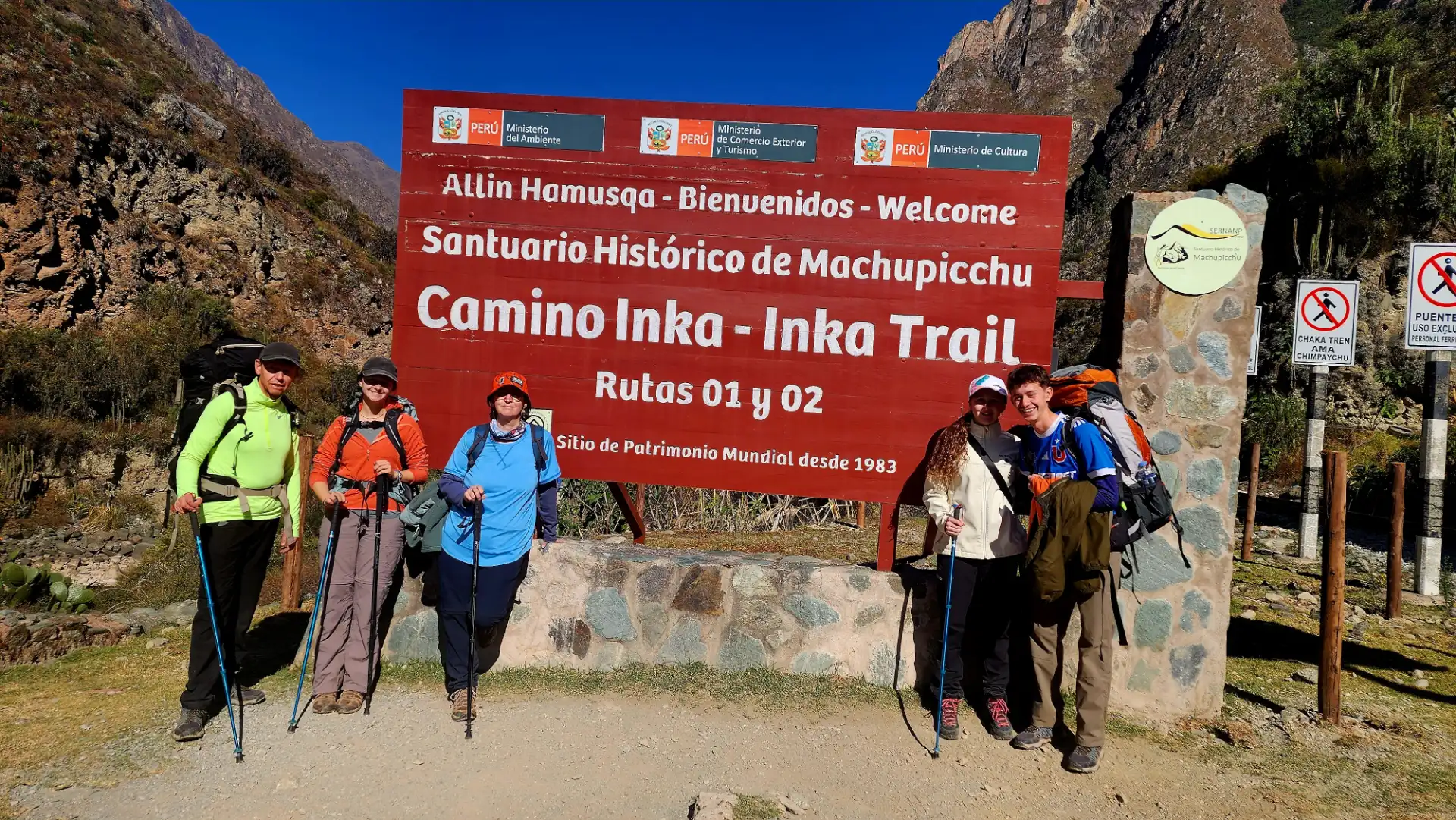
Peru has a law that sets out basic rights for porters, and on the Inca Trail the rules are checked by the authorities. The best known is the maximum load: each porter’s pack is weighed at the checkpoint at the start of the trail, so nobody is overloaded. Responsible operators go further than the minimum.
| Fair treatment means | Why it matters |
|---|---|
| Fair pay, paid on time | Portering supports whole families |
| Loads within the legal limit | Protects backs and knees on steep stone steps |
| Proper gear: boots, rain clothes, sleeping bags | Nights at camp are cold and wet |
| Good meals and a dry place to sleep | They work harder than anyone on the trail |
| Respect from the whole team | A happy crew makes a better trek for everyone |
Trek with a team that cares
Classic Inca Trail with permits, guide, cook and porters — US $820.
How to choose a responsible operator
- Ask how porters are equipped and where they sleep and eat.
- Be wary of prices far below the market: someone usually pays the difference, often the crew.
- Read reviews that mention the porters, not only the guide.
- Check that the company is based in Cusco and works with the same team year after year.
On our Classic Inca Trail, porters carry the camping gear, tents and mattresses, and travel with the group as part of the team.
How you can help
- Pack light: if you hire an extra porter for your personal luggage, stay within the weight you are given.
- Learn a few words: a simple sulpayki (“thank you” in Quechua) is always appreciated.
- Tip personally: tips are optional but an important part of porters’ income. The group usually gives them on the last evening or morning, ideally directly to each porter.
- Bring cash in soles for tips — see money in Peru.
Plan your trek
Read our complete Inca Trail guide, check permits and booking and prepare with how to train for the Inca Trail.
Frequently asked questions
The tents, kitchen, food and camping gear. You can also hire an extra porter to carry part of your personal luggage.
Yes. Peruvian rules set a maximum load, and porters’ packs are weighed at the checkpoint at the start of the trail.
Tips are optional but very important for porters. The group usually gives them on the last evening or morning, ideally directly to each porter.
Ask about their gear, food and sleeping arrangements, read reviews that mention the porters and be wary of prices far below the market.
Mostly from Quechua-speaking farming communities in the highlands around Cusco.