Salkantay trek in 3 days: the fast route to Machu Picchu
Short on time but want to walk to Machu Picchu? The 3-day Salkantay trek packs the essentials of the famous route — the 4,600 m pass beneath the Salkantay glacier, the descent into the cloud forest and a guided visit to Machu Picchu — into one day less. The price is a tougher first day. Here is how it works and whether it is right for you.
The 3-day itinerary
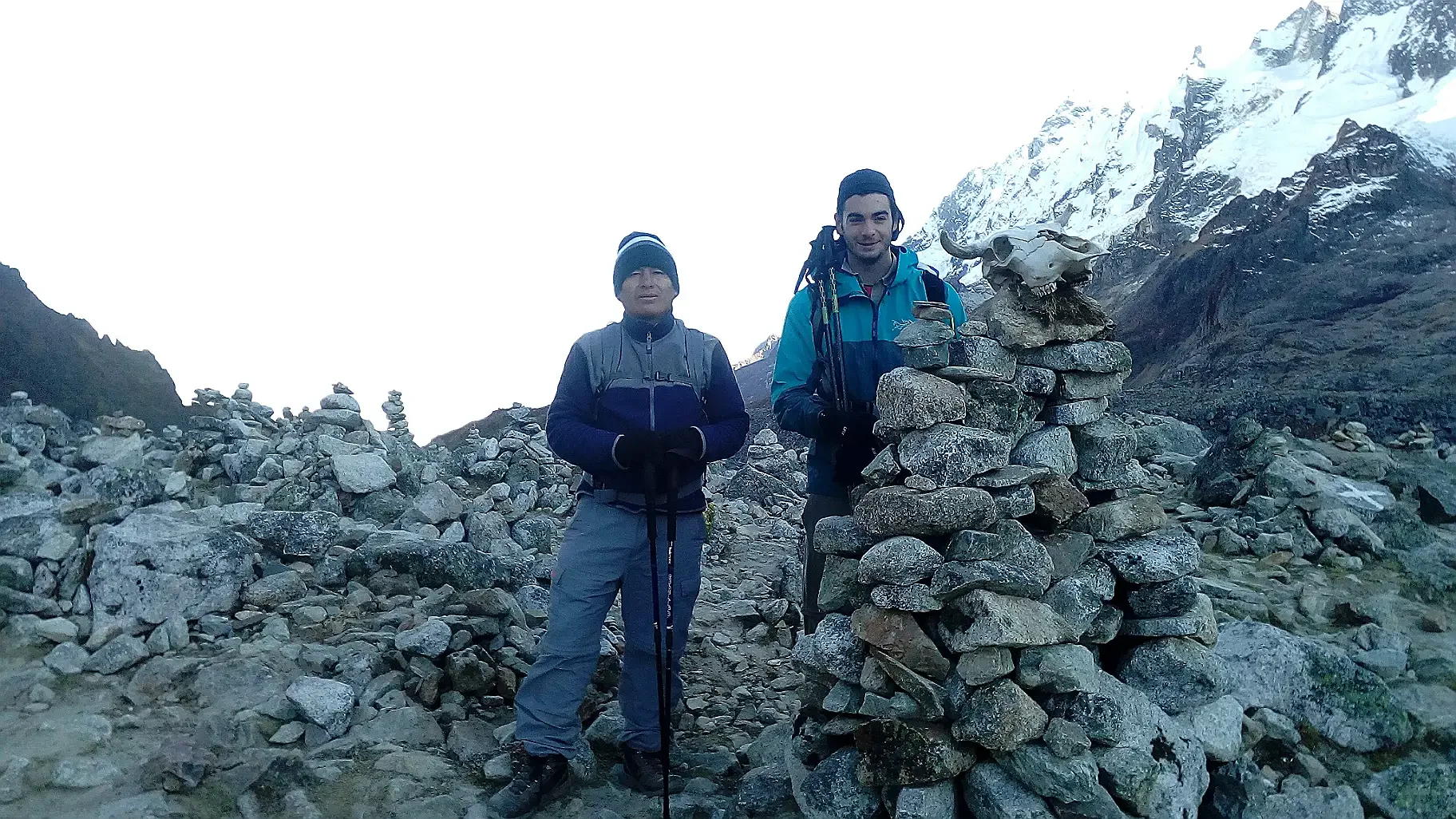
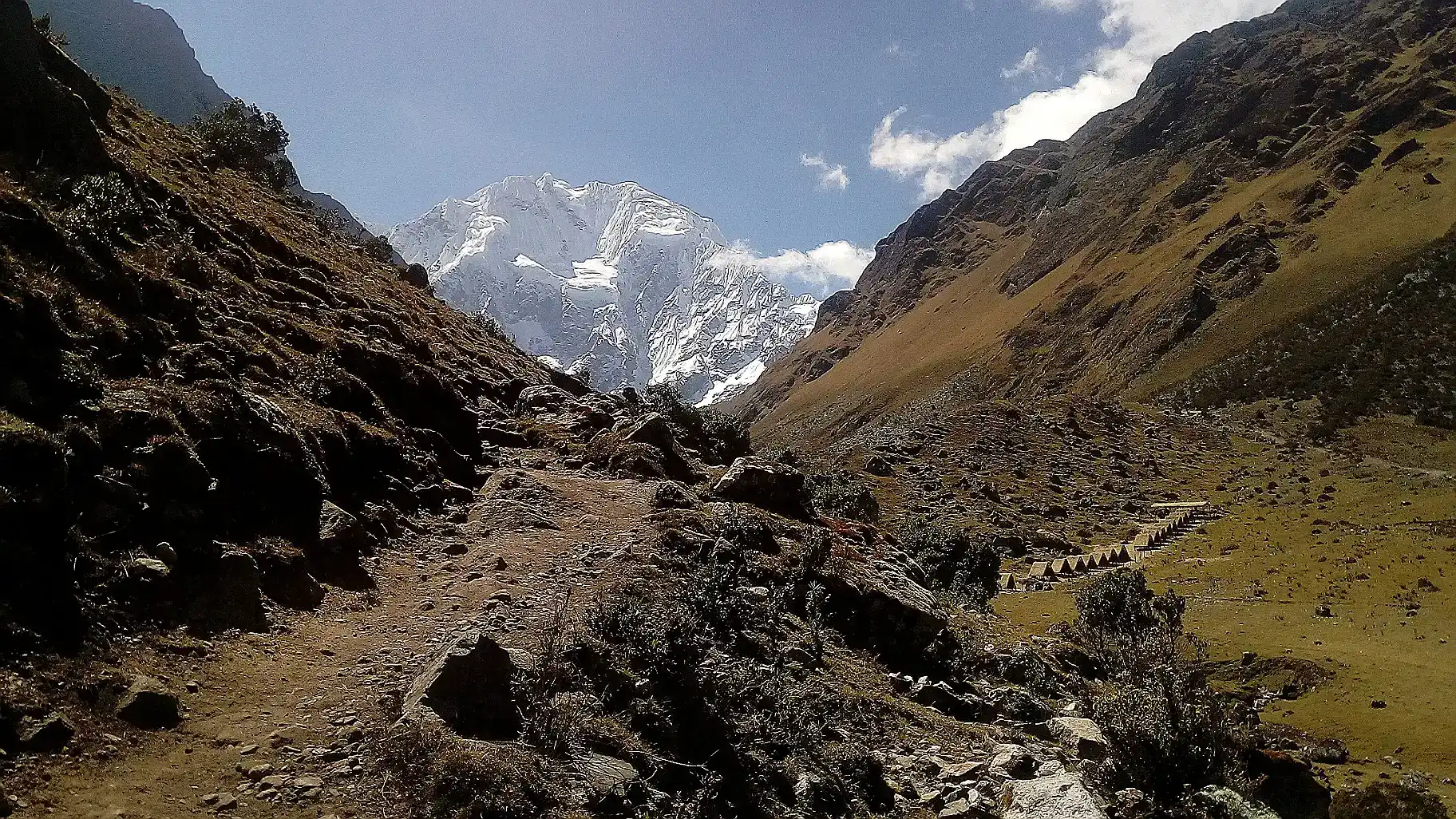
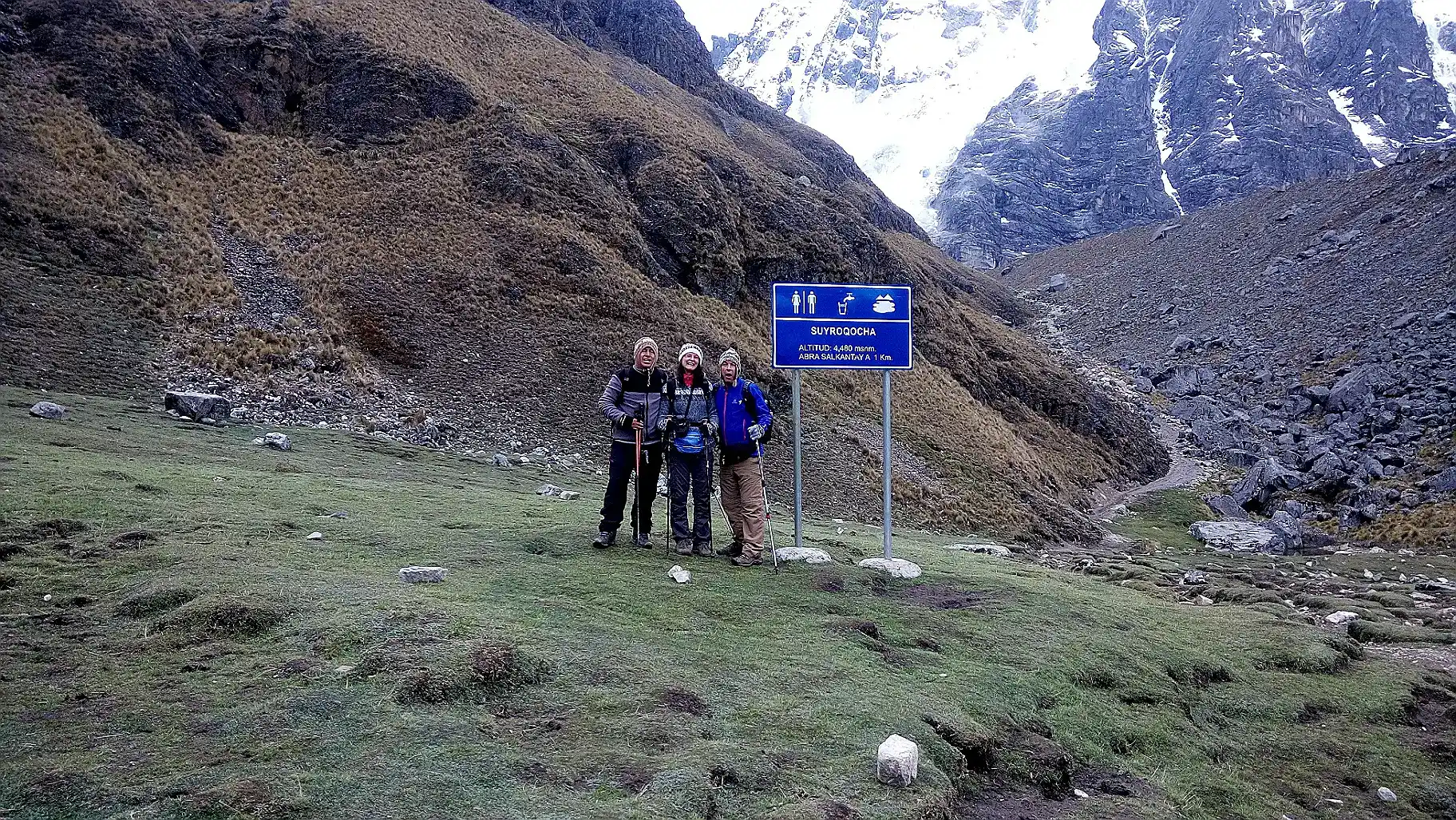
- Day 1 — Soraypampa, Salkantay Pass and Huayracmachay (16 km): 4:00 AM transfer to Soraypampa (3,850 m) for breakfast, a steady climb with views of Humantay and Salkantay (6,271 m), the pass at 4,600 m and about three hours down to camp at Huayracmachay (3,800 m).
- Day 2 — Cloud forest to Aguas Calientes (22 km): a long descent through lush cloud forest to Chaullay, a transfer towards the hydroelectric station and a walk beside the railway to Aguas Calientes, with a hotel night.
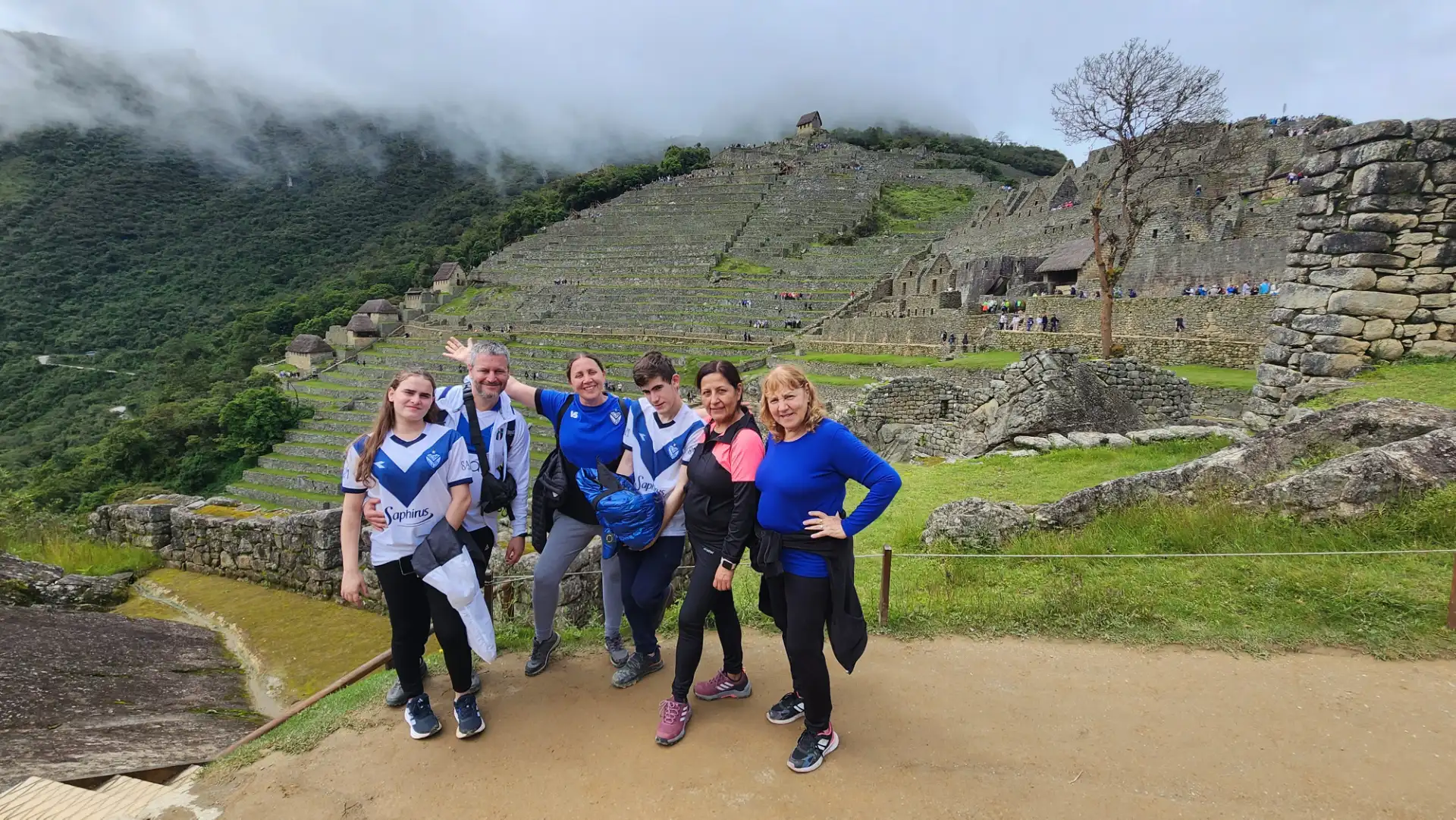
- Day 3 — Machu Picchu: guided tour of the citadel, free time, then the afternoon train to Ollantaytambo and transfer to Cusco.
3 days or 4 days?
| 3 days | 4 days | |
|---|---|---|
| Humantay Lake | Not included | Day 1 (optional hike) |
| Salkantay Pass (4,600 m) | Day 1 | Day 2 |
| Longest day | Day 2: 22 km | Day 2: 22 km |
| Coffee farm | No | Yes, day 3 |
| Nights | Camp + hotel | Cabins + dome + hotel |
| Best for | Fit hikers short on time | Most travellers |
The big difference is the start: on the 3-day trek you go from Cusco to the highest point of the route on the first day, with no warm-up at Soraypampa and no Humantay Lake. If you can spare one more day, the 4-day Salkantay trek is more comfortable and more complete.
Walk to Machu Picchu in 3 days
Salkantay Pass, cloud forest and Machu Picchu — from US $470.
Who should choose the 3-day version
- Hikers who are already well acclimatized — for example, after several days in Cusco or another trek.
- Travellers with a tight schedule who still want to arrive at Machu Picchu on foot.
- People who have already visited Humantay Lake on a day trip.
If this is your first high-altitude trek, or you arrive in Cusco only a day or two before, choose the 4-day version.
How hard is it?
It is demanding. Day 1 climbs from 3,850 m to 4,600 m and descends again, 16 km in total, and day 2 adds 22 km of descent that tests the knees. Walking poles help a lot. Your gear travels by horse, so you carry only a daypack. Spend at least two or three days in Cusco first and read our altitude guide.
When to go
April to October is the best period, with clearer skies over the pass and drier trails; nights at camp are very cold in June and July. The trek runs all year, but from December to March expect rain and mud.
Price and booking
Our Salkantay trek in 3 days starts at US $470 and includes transport, guide, meals during the trek, horses for your gear, a hotel night in Aguas Calientes, the Machu Picchu entrance and guided tour, and the return train with transfer to Cusco. Remember your original passport for Machu Picchu.
Frequently asked questions
Yes. You reach the 4,600 m pass on the first day, without the acclimatization day at Soraypampa, so you need to be well acclimatized beforehand.
No. Humantay Lake is part of the 4-day trek. You can visit it on a separate day trip from Cusco.
About 16 km on day 1 and 22 km on day 2, plus the visit to Machu Picchu on day 3.
One night camping at Huayracmachay and one night in a hotel in Aguas Calientes.
No permit is needed for Salkantay. The Machu Picchu entrance, which is included, is booked in your name.