Salkantay trek in 4 days: the complete guide to Machu Picchu
The Salkantay trek is the great alternative to the Inca Trail — and for many hikers, the more spectacular one. In four days you go from the turquoise Humantay Lake to a 4,600 m pass beneath the glacier of Salkantay (6,271 m), then down through cloud forest and coffee farms to Aguas Calientes and Machu Picchu. No permits are needed, so it is also the best option when the Inca Trail is sold out.
The route day by day
| Day | Route | Distance | Highest point / night |
|---|---|---|---|
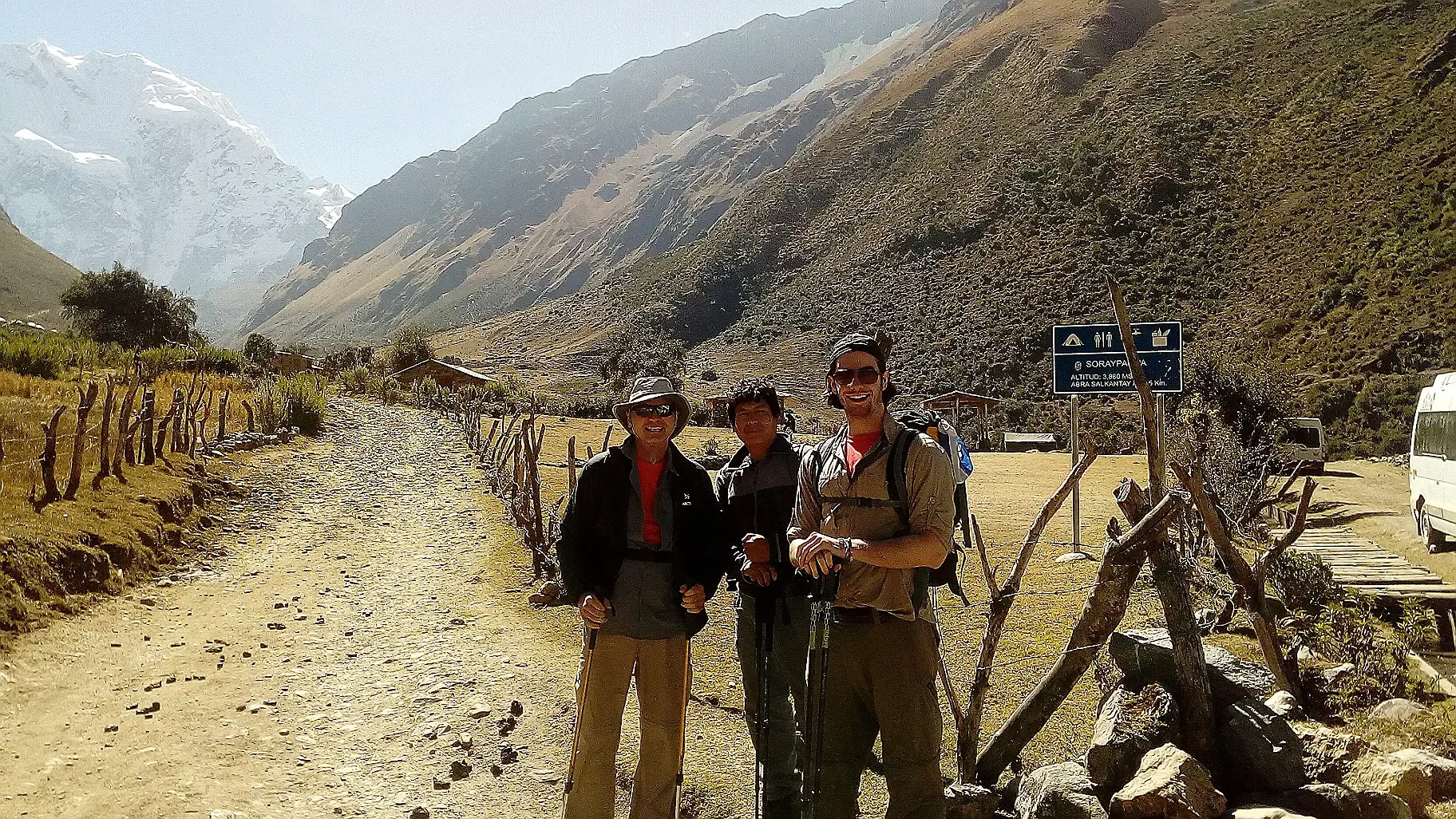
| 1 | Mollepata → Soraypampa (+ Humantay Lake) | 10 km | 4,200 m at the lake · cabins at Soraypampa |
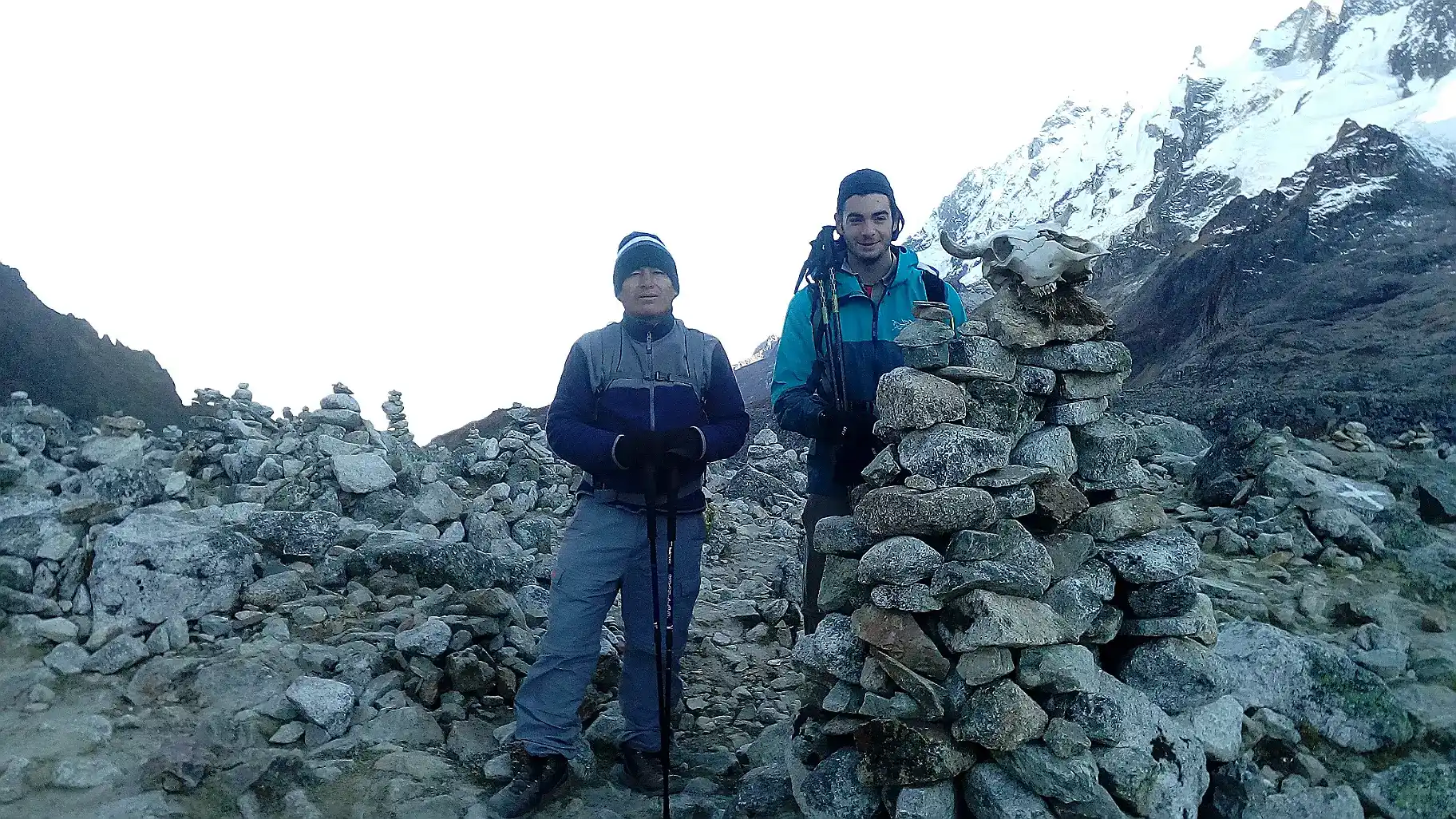
| 2 | Soraypampa → Salkantay Pass → Loreta Playa | 22 km | 4,600 m · geodesic dome at 2,900 m |
| 3 | Coffee farm → Hidroeléctrica → Aguas Calientes | 10 km | Hotel in Aguas Calientes, 2,040 m |
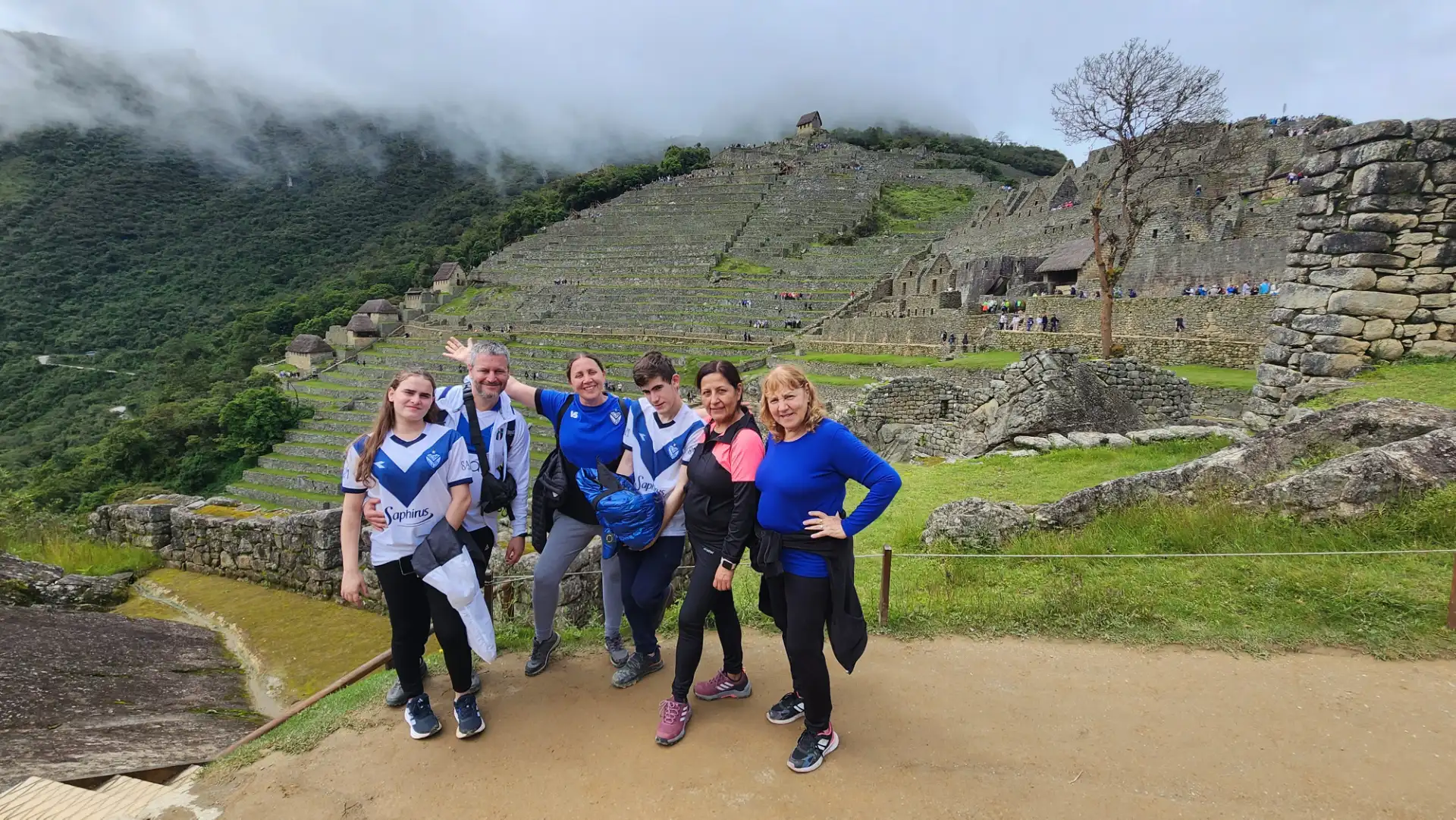
| 4 | Machu Picchu guided visit → train to Cusco | — | Machu Picchu, 2,430 m |
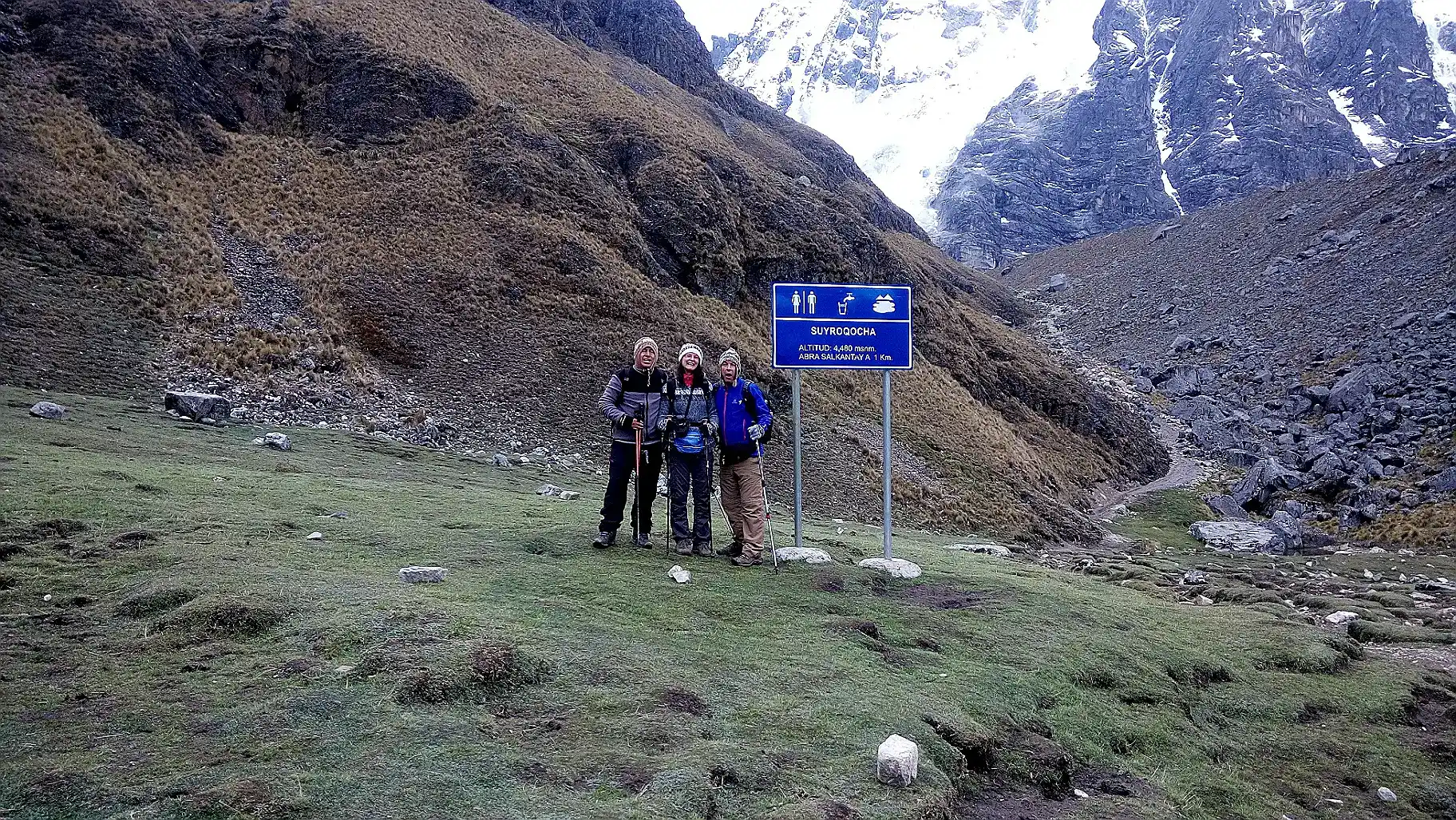
Day 2 is the big one: an early climb to the Salkantay Pass, the highest point of the trek, followed by a long descent of more than 1,700 m into the subtropical valley. Day 3 is relaxed, with a visit to a coffee farm before the walk along the railway to Aguas Calientes.
How hard is the Salkantay trek?
It is a demanding trek, mainly because of altitude and the long second day: 22 km, a climb to 4,600 m and a steep descent. The trail is not technical and horses carry your gear (up to 7 kg per person), so you only carry a daypack. With two or three days of acclimatization in Cusco and regular walking before the trip, most fit travellers complete it comfortably. If you are unsure, the first day — with Humantay Lake — is a good test of how you handle the altitude.
Trek Salkantay to Machu Picchu
Four days, glacier pass, Humantay Lake and Machu Picchu — from US $470.
Why hikers love it
- Huge variety: glaciers, high Andean grassland, cloud forest and tropical valleys in four days.
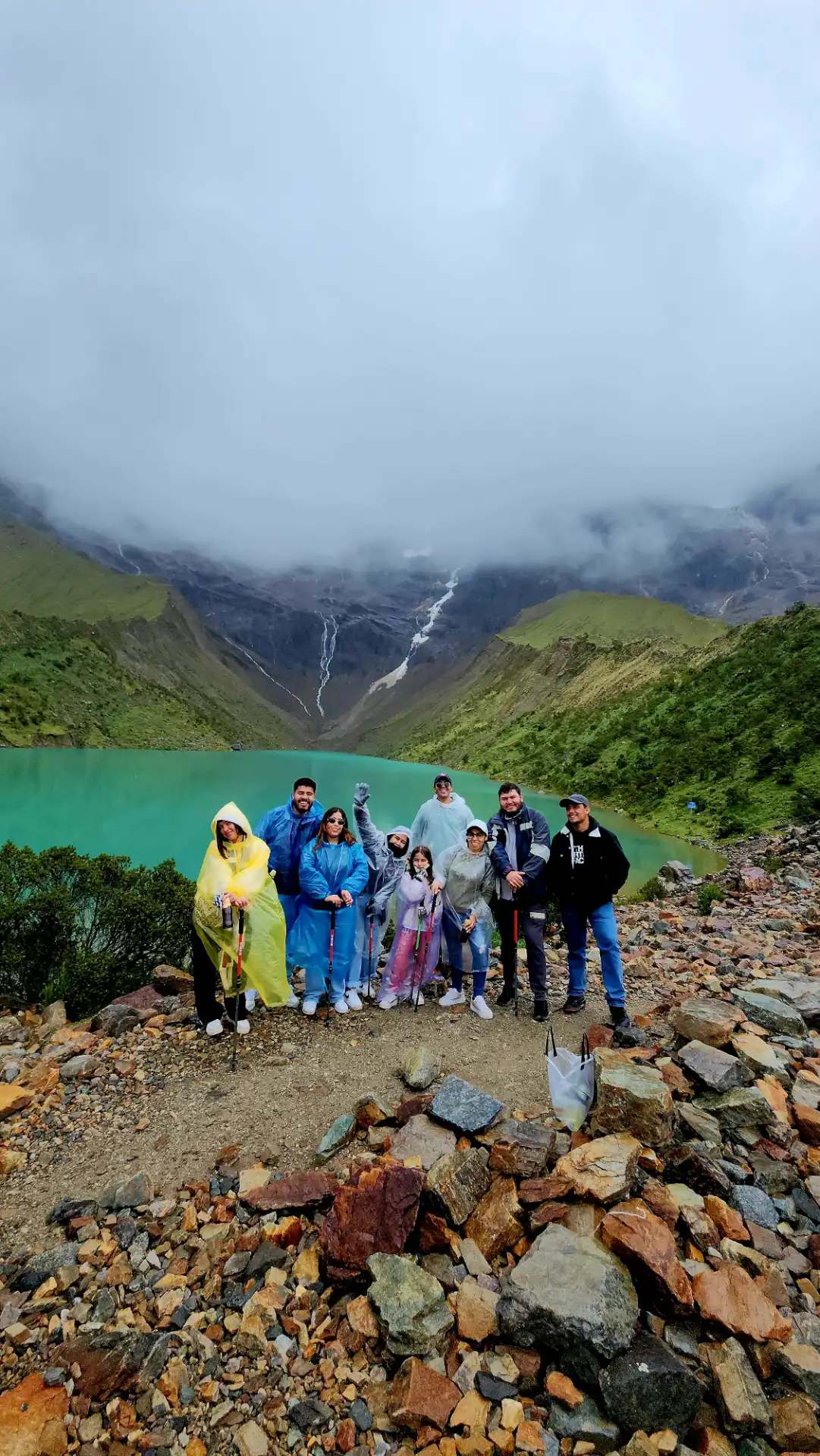
- Humantay Lake: one of the most beautiful glacier lakes in Peru, on day 1.
- Fewer people than on the Inca Trail, and no permit limits.
- Comfortable nights: cabins at Soraypampa, a geodesic dome at Loreta Playa and a hotel in Aguas Calientes.
- Local flavour: a coffee farm, fruit orchards and villages along the way.
What is included
Our Salkantay trek in 4 days (from US $470) includes hotel pickup, transport to the trailhead, a bilingual guide, the Salkantay route and Humantay entrance, Machu Picchu entrance with a guided tour, horses and muleteers, all meals cooked by a trek chef except the last lunch, oxygen and first-aid kit, the accommodation described and the return train with transfer to Cusco. Bring or rent a sleeping bag and trekking poles.
Best time to do the Salkantay trek
From April to October the weather is drier and the pass is usually clear, with very cold nights at Soraypampa in June and July. From November to March expect rain, mud and clouds on the pass, though the cloud forest is at its greenest. The trek runs all year — unlike the Inca Trail, it does not close in February.
Salkantay or Inca Trail?
The Inca Trail is about history: original Inca paving, ruins along the way and the arrival through the Sun Gate. Salkantay is about scenery and variety, with a higher pass and more comfortable nights, and it is easier to book at short notice. Read the full comparison in Inca Trail vs Salkantay vs Lares, or see the shorter Salkantay trek in 3 days.
Packing tips
- Warm layers and a down jacket for the cold nights at Soraypampa.
- Light, breathable clothes and insect repellent for the jungle section.
- Rain jacket, sun hat, sunglasses and sunscreen.
- Broken-in hiking boots and sandals for the evenings.
- Your original passport for Machu Picchu.
Prepare for the altitude with our altitude sickness guide.
Frequently asked questions
Demanding but not technical. The hardest part is day 2, with 22 km and the climb to the Salkantay Pass at 4,600 m. Acclimatize in Cusco for two or three days first.
About 4,600 m above sea level, beneath the Salkantay glacier (6,271 m).
No. Unlike the Inca Trail, Salkantay has no permit limit, so it can usually be booked at shorter notice. You still need a Machu Picchu entrance ticket, which our tour includes.
It is different: Salkantay has more varied landscapes and fewer people; the Inca Trail has more Inca ruins and the Sun Gate arrival.
Only a daypack. Horses carry up to 7 kg of your gear per person.
In cabins at Soraypampa, a geodesic dome at Loreta Playa and a hotel in Aguas Calientes.