Cusco weather by month: temperatures, rain and the best time to go
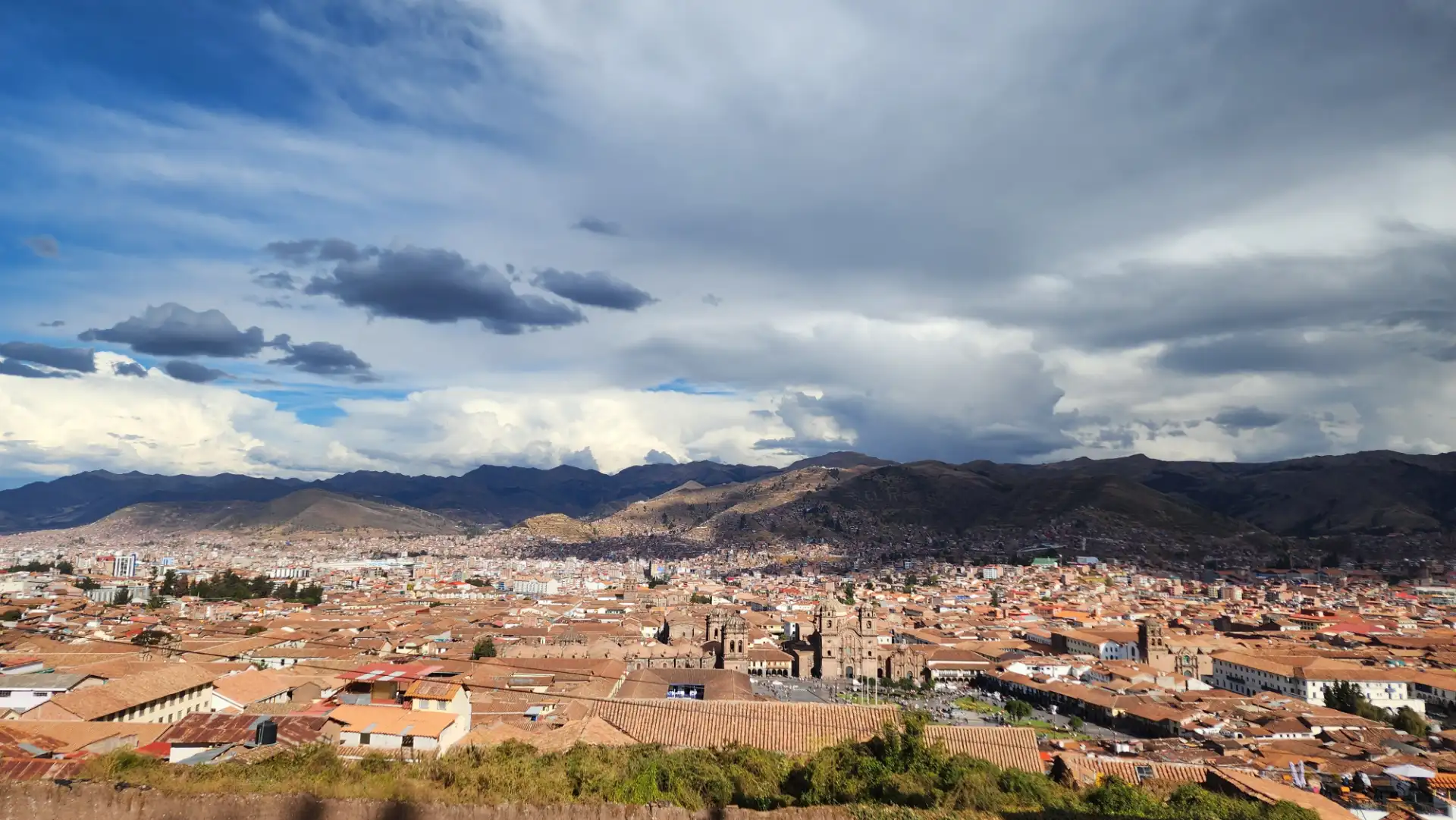
At 3,400 m, Cusco has a mountain climate with a twist: days are mild and sunny almost all year, nights are cold, and the calendar is divided into a dry season (May to September) and a rainy season (December to March). Knowing what each month brings helps you pack well and choose the right time for Machu Picchu, Rainbow Mountain and the treks.
Cusco climate month by month
| Month | Day (°C) | Night (°C) | Rain |
|---|---|---|---|
| January | ~19 | ~7 | Frequent |
| February | ~19 | ~7 | Frequent |
| March | ~19 | ~6 | Frequent |
| April | ~20 | ~4 | Some showers |
| May | ~20 | ~1 | Rare |
| June | ~19 | ~0 | Rare |
| July | ~19 | ~0 | Rare |
| August | ~20 | ~1 | Rare |
| September | ~21 | ~3 | Rare |
| October | ~21 | ~5 | Some showers |
| November | ~21 | ~6 | Some showers |
| December | ~20 | ~6 | Frequent |
The big difference between seasons is not the daytime temperature, which stays around 19–21 °C, but the nights — close to or below freezing in June and July — and the rain, concentrated from December to March.
Dry season (May to September)
Clear blue skies, strong sunshine and almost no rain: the best conditions for Machu Picchu views, Rainbow Mountain and high treks. The price is cold nights, especially in June and July, when frost is common at dawn, and the biggest crowds of the year. Book tickets, trains and permits early.
Plan your Cusco tours by season
Day tours run all year — we tell you what to expect for your dates.
Rainy season (December to March)
Warmer nights and green landscapes, but rain on most days, usually in the afternoon. Mountain views can be cloudy, trails muddy and the colours of Rainbow Mountain sometimes hidden by snow. The Classic Inca Trail closes in February. On the plus side, there are far fewer visitors.
Shoulder months (April, October and November)
Our favourite compromise: mostly dry days, milder nights than in mid-winter and fewer people. In April the valleys are still green after the rains; in October and November the first showers usually arrive in the afternoon.
Weather at the main excursions
- Sacred Valley (≈2,870 m): a few degrees warmer than Cusco by day and night — pleasant all year.
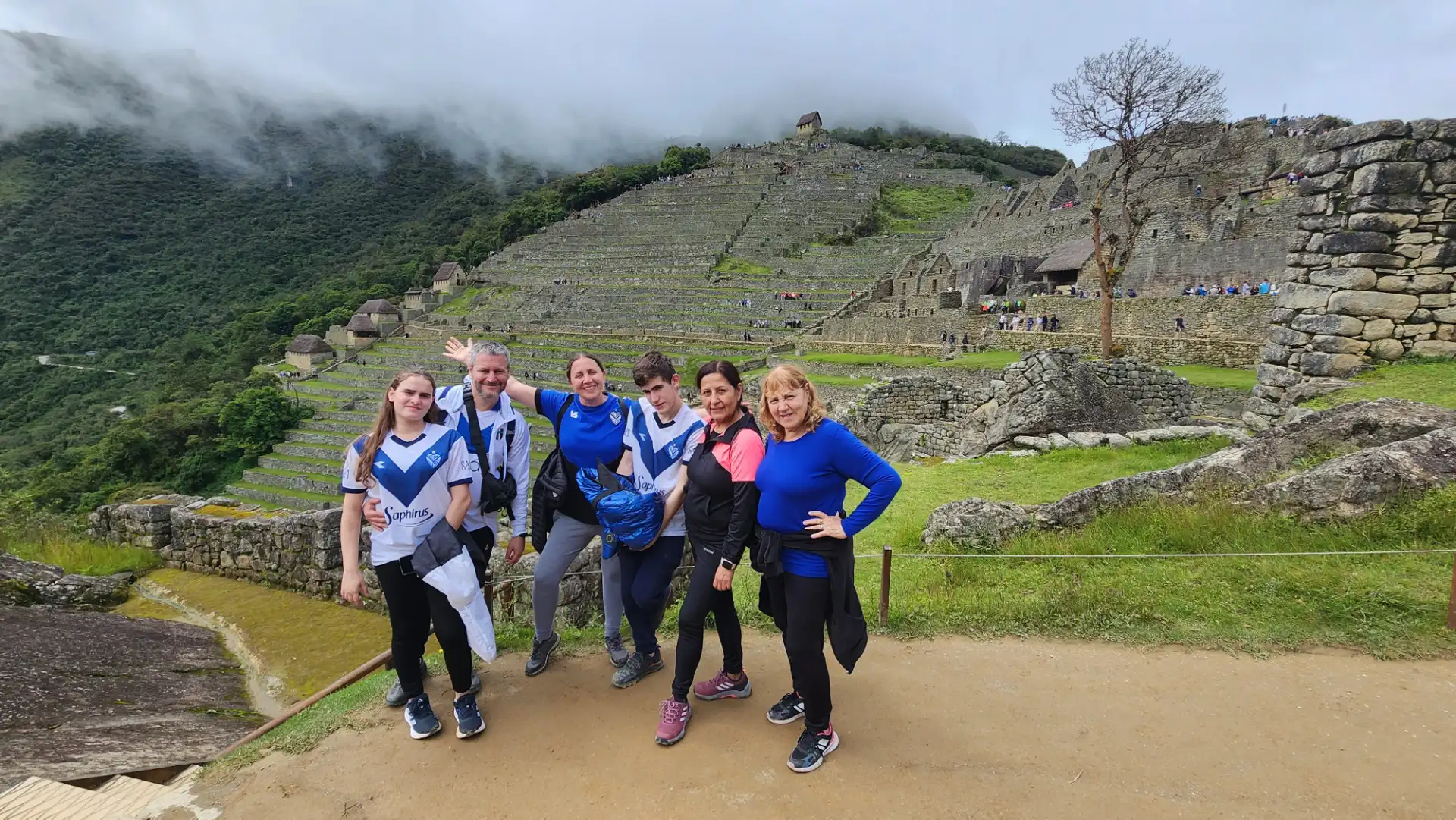
- Machu Picchu (2,430 m): on the edge of the cloud forest, warm and humid, with morning mist and frequent afternoon showers in the rainy season.
- Humantay Lake (≈4,200 m) and Palcoyo (≈4,900 m): cold at dawn and windy; frost is common from May to August.
- Rainbow Mountain (5,030 m): the coldest place you will visit — often below zero early in the morning, with possible snow from December to March.
That is why the same day can mean a down jacket at 5:00 AM and sunscreen at noon. Dress in layers you can take off and put back on.
What to pack in any season
- Layers: a T-shirt for the midday sun and a warm fleece or down jacket for the evening.
- Rain jacket all year; essential from November to March.
- Sun protection: SPF 50+, sunglasses and a hat — UV is very strong at this altitude.
- Warm hat and gloves for early-morning tours, from June to August above all.
Full list in our Cusco packing list.
Best time for each plan
- Machu Picchu: May to September for clear skies; April and October for fewer people. See the best time to visit Machu Picchu.
- Rainbow Mountain and Humantay: April to October, early in the morning.
- Inca Trail and treks: May to September; never February for the Classic Inca Trail.
- Festivals: June, with Inti Raymi on 24 June — read about Cusco festivals.
Frequently asked questions
May and September combine dry weather with fewer crowds than June to August. April and October are also excellent.
Mainly from December to March, with January and February the wettest months. Showers usually fall in the afternoon.
In June and July nights can drop to around 0 °C or slightly below. In the rainy season nights are milder, around 6–7 °C.
Rarely in the city, but snow is common on high mountains such as Rainbow Mountain and the Salkantay Pass, especially in the rainy season.
Days are mild, around 19–21 °C, but the sun at 3,400 m is very strong, so it can feel hot in direct sunlight.