Lake Titicaca in 2 days: the Uros, a homestay on Amantani and Taquile
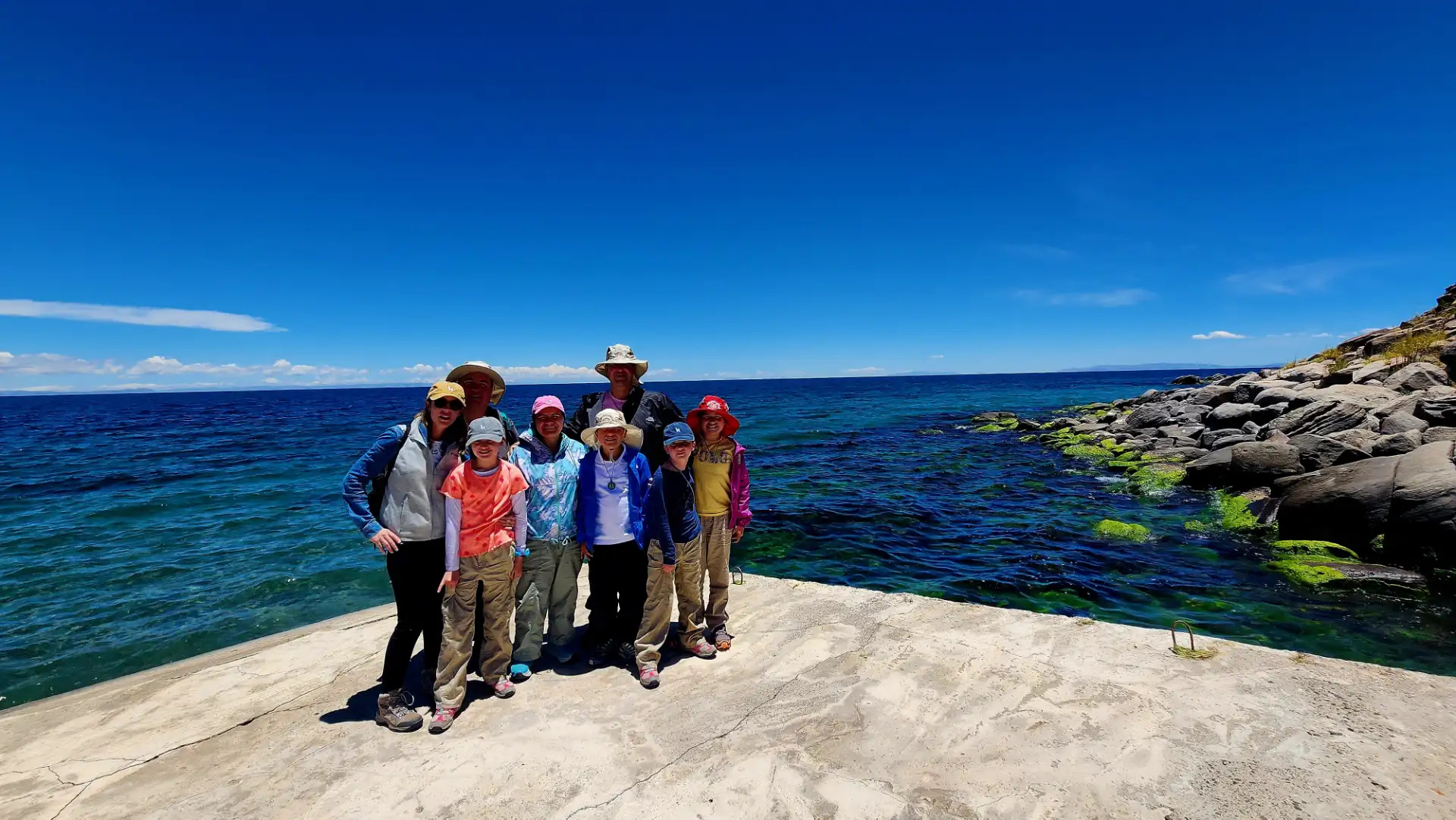
A day trip shows you Lake Titicaca; two days let you live it. On this tour you visit the Uros floating islands, then spend the night with a local family on Amantani, watching the sun set from a hilltop temple, before sailing on to Taquile the next morning. For many travellers it is the most memorable night of their trip to Peru.
The tour at a glance
| Fact | Detail |
|---|---|
| Duration | 2 days, 1 night with a family on Amantani |
| Islands | Uros, Amantani and Taquile |
| Altitude | Around 3,800 m; short uphill walks on Amantani and Taquile |
| Meals | Lunch and dinner on day 1, breakfast and lunch on day 2 |
| Price | From US $95 per person, shared group of 2–14 |
Day 1: the Uros and a night on Amantani
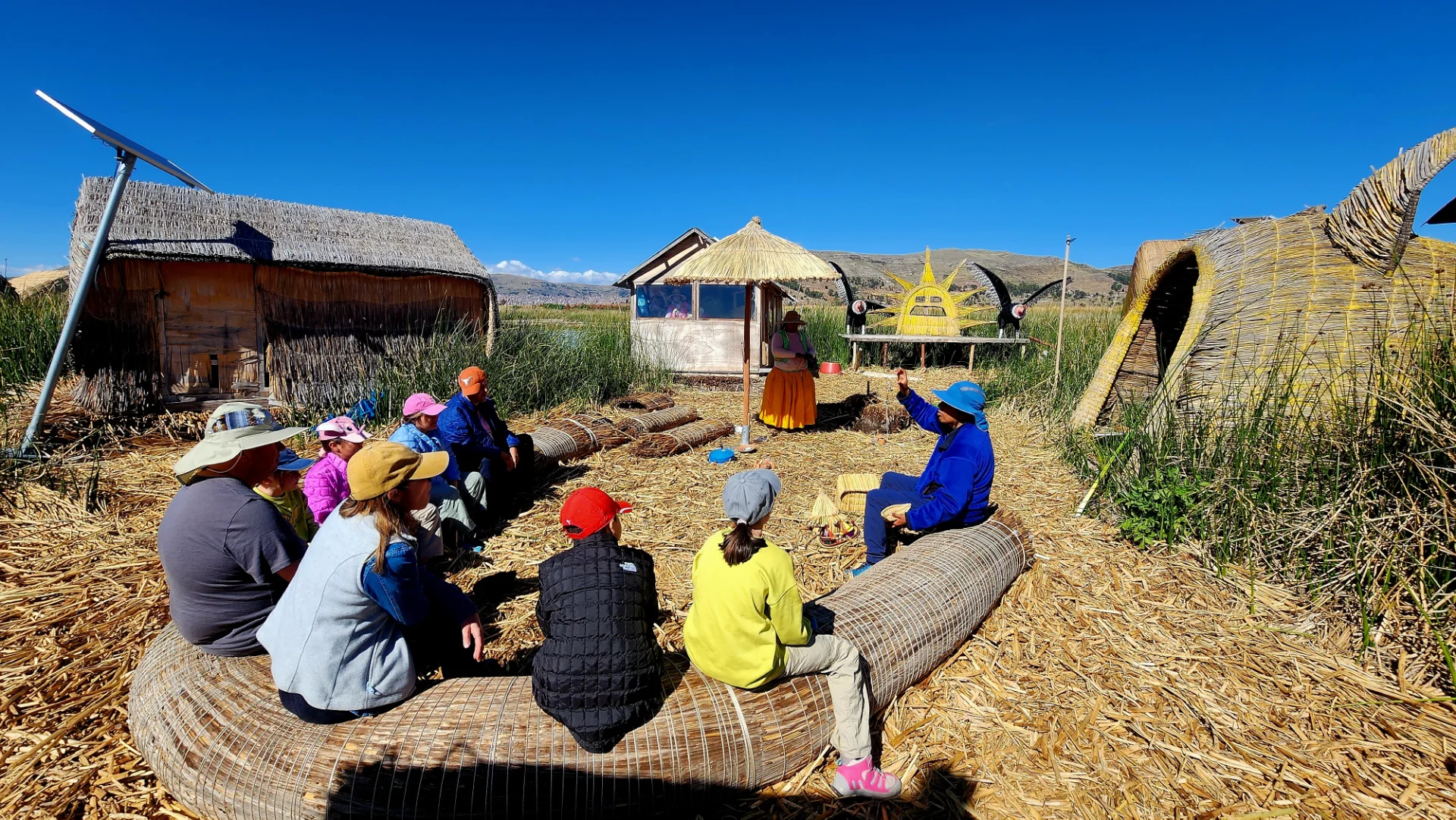
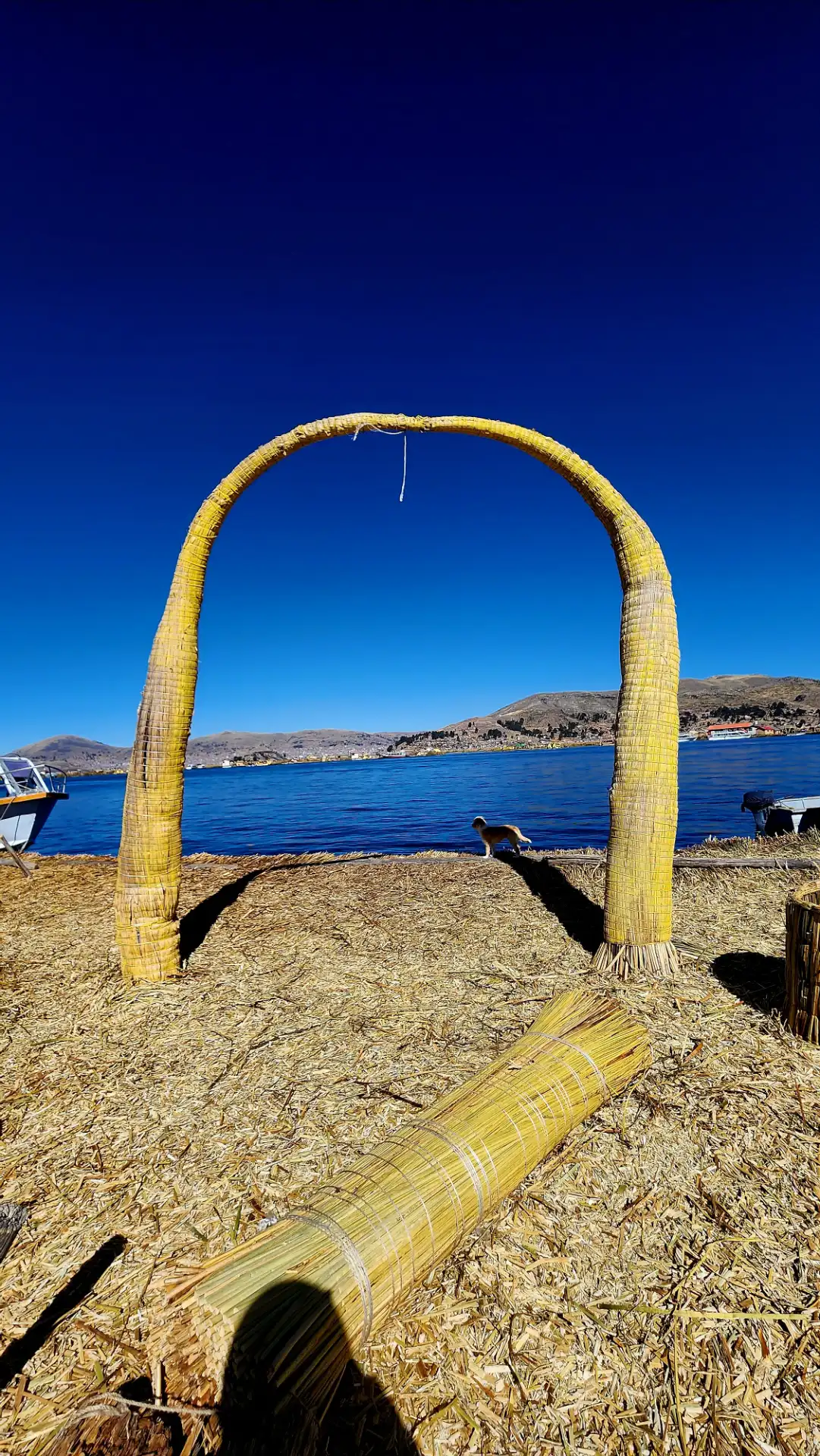
A morning pickup in Puno takes you to the port and on by boat to the Uros floating islands, where families explain how they build their reed islands and boats. The boat then continues to Amantani, where you meet your host family and settle into their home.
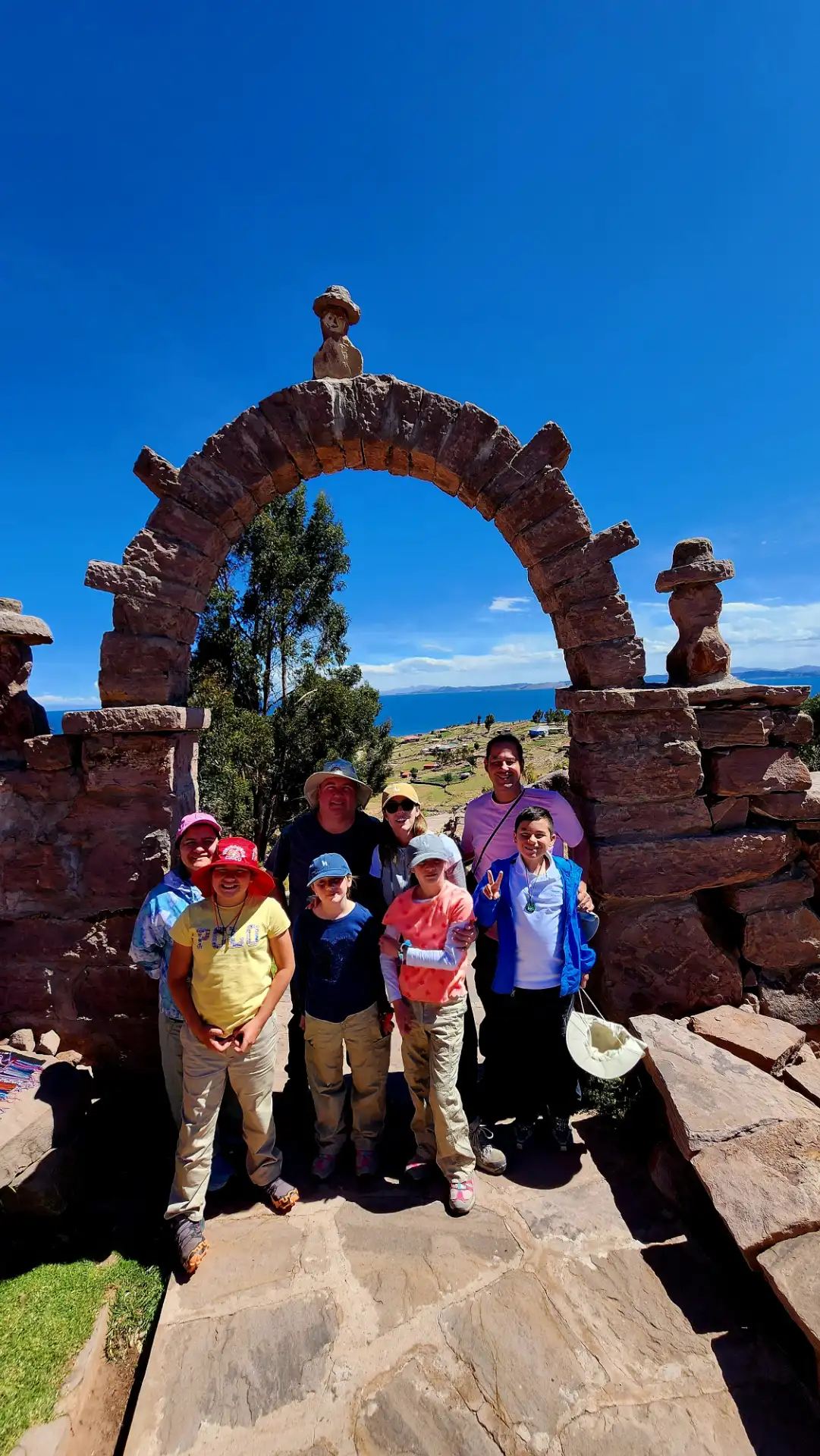
In the late afternoon you walk up to the temples of Pachatata and Pachamama on the island’s hilltops for sunset over the lake. Dinner is a home-cooked meal with your family, and the evening often ends with music and traditional dress.
Spend a night on Lake Titicaca
Uros, a homestay on Amantani and Taquile, with boat, guide, entrances and meals — from US $95 per person.
Day 2: Taquile and back to Puno
After breakfast with your hosts, you sail to Taquile, famous for its textile art, recognised by UNESCO. A gentle walk past terraced fields and old stone walls opens wide views of the lake. Lunch is fresh Titicaca trout, followed by free time and the boat back to Puno, with a transfer to your hotel.
What the homestay is like
Homes on Amantani are simple: expect a clean private room with warm blankets, shared bathrooms and limited hot water and electricity. Meals are hearty and local — soups, potatoes, quinoa and fresh vegetables. The real value is the time with your family: helping in the kitchen, learning a few words of Quechua and seeing daily life on an island with no cars.
What is included
| Included | Not included |
|---|---|
| Hotel pickup in Puno and port transfers | Reed boat ride on the Uros (optional, S/10) |
| Motorboat with toilet and seating | Travel insurance |
| Professional bilingual guide | Tips |
| Entrances to the Uros, Amantani and Taquile | Personal expenses |
| Homestay night and meals as listed | — |
What to bring
- Warm clothes for the night: a down jacket, hat, gloves and warm socks; nights on the islands are cold all year.
- A headlamp for the walk back from the hilltop and for the evening in the house.
- A small daypack with what you need for one night; leave the rest of your luggage at your Puno hotel.
- Sun protection for the boat and the walks.
- Cash in small notes for crafts. A small gift for your family, such as fruit, is a kind gesture.
Frequently asked questions
Hotel pickup in Puno, port transfers, motorboat, bilingual guide, entrances to the Uros, Amantani and Taquile, the homestay night and the meals listed.
Simple and authentic: a private room in a local family’s house, home-cooked meals, shared bathrooms and limited hot water.
Yes, often close to freezing. Families provide blankets, but bring warm layers, a hat and gloves.
From US $95 per person in a shared group. The reed boat ride on the Uros is optional and costs about S/10.
The day tour covers the Uros and Taquile. Choose two days if you want the homestay and the sunset on Amantani.