Machu Picchu altitude: how high is it?
A common worry before visiting Machu Picchu is the altitude — but here's the reassuring truth: Machu Picchu is actually lower than Cusco, and most visitors feel fine there. The altitude challenge in Peru is really about Cusco and the high passes, not the citadel itself. Here's exactly how high everything is and how to prepare.
The altitudes, compared
The key surprise for many travelers is that Machu Picchu sits lower than Cusco. You'll likely feel the altitude more in the city where you arrive than at the famous citadel.
| Place | Altitude |
|---|---|
| Cusco | ~3,400 m (11,150 ft) |
| Sacred Valley | ~2,800–3,000 m |
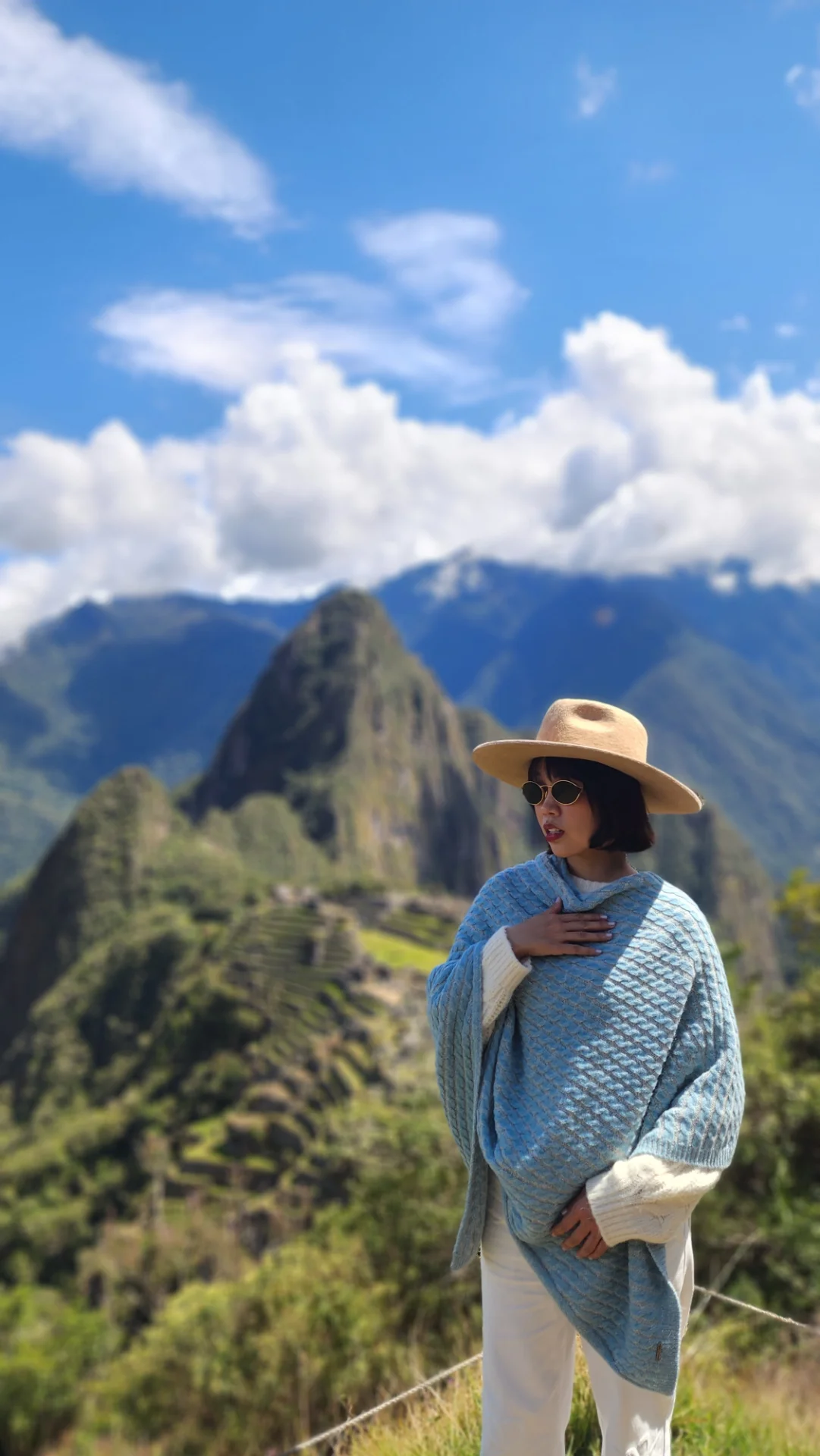
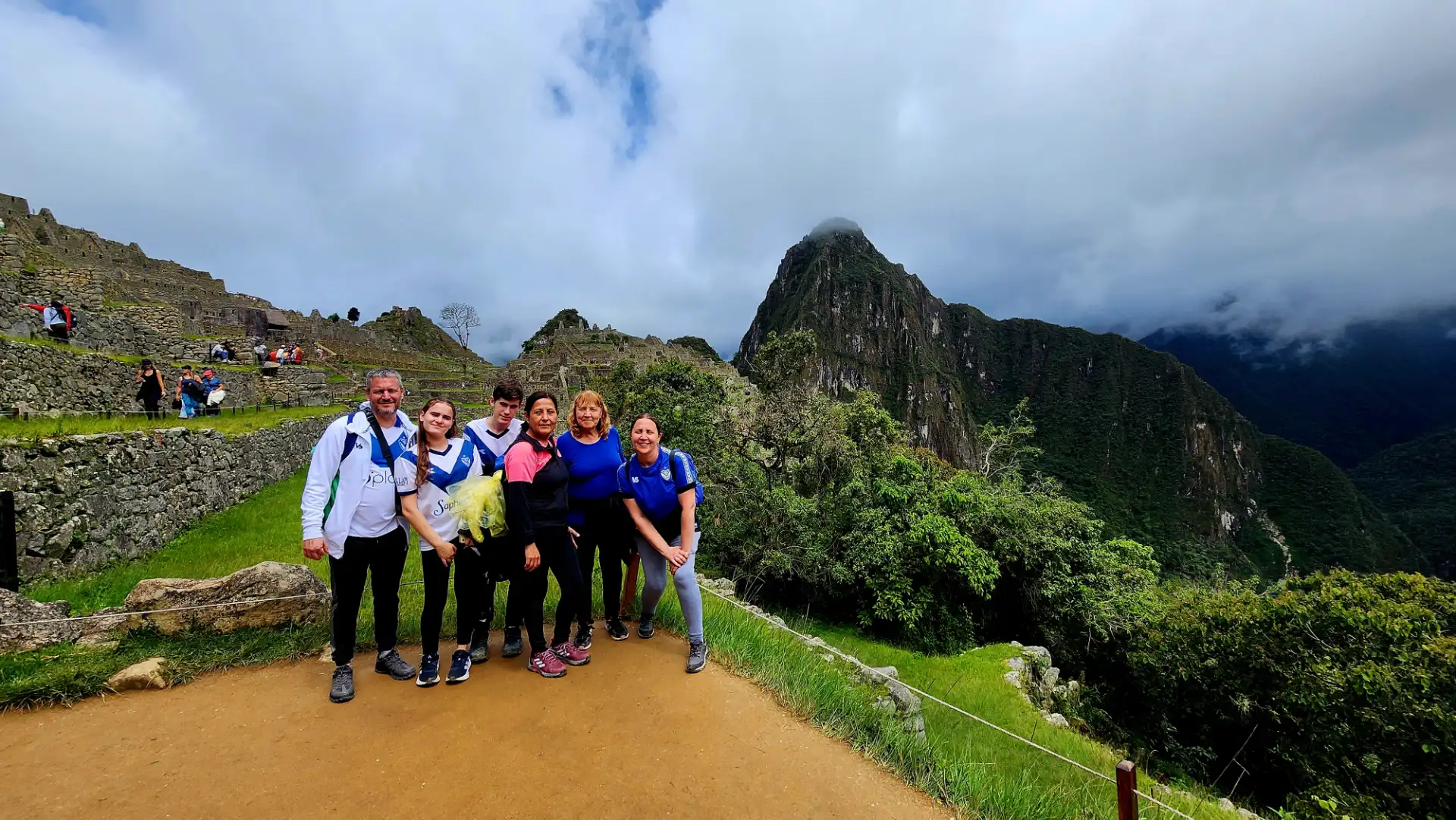
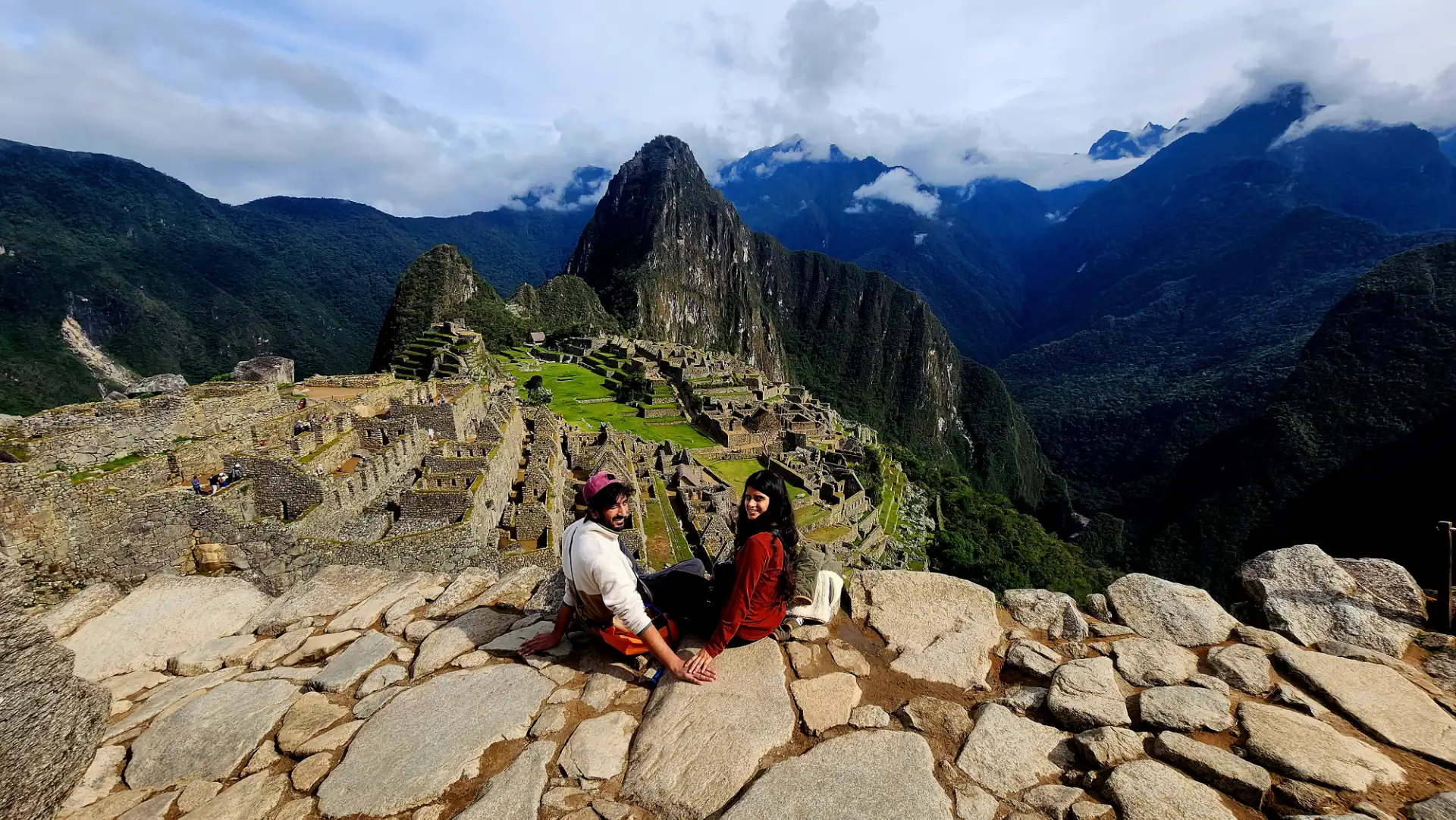
| Machu Picchu citadel | ~2,430 m (7,970 ft) |
| Aguas Calientes (town below) | ~2,040 m |
| Dead Woman's Pass (Inca Trail) | ~4,215 m |
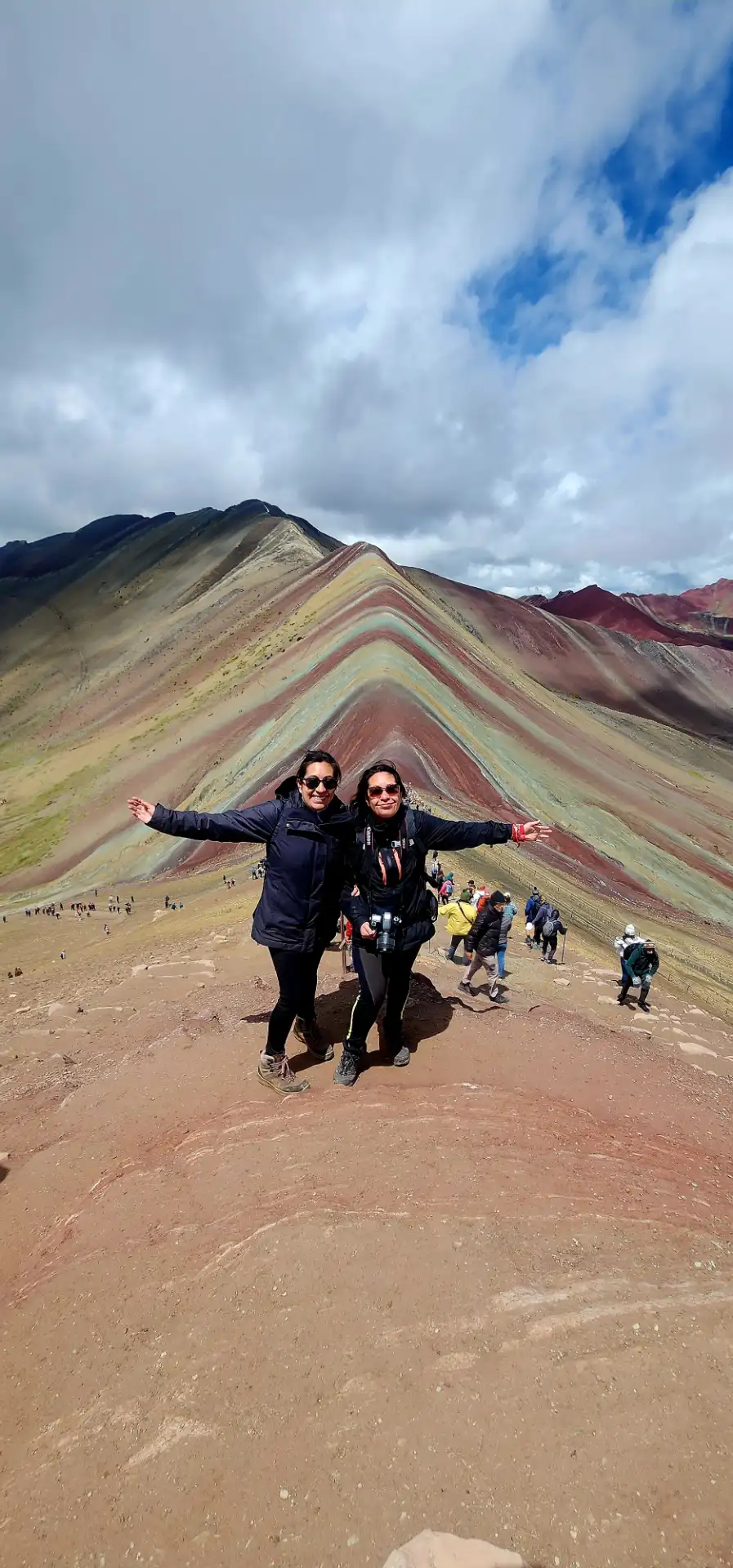
| Rainbow Mountain | ~5,036 m |
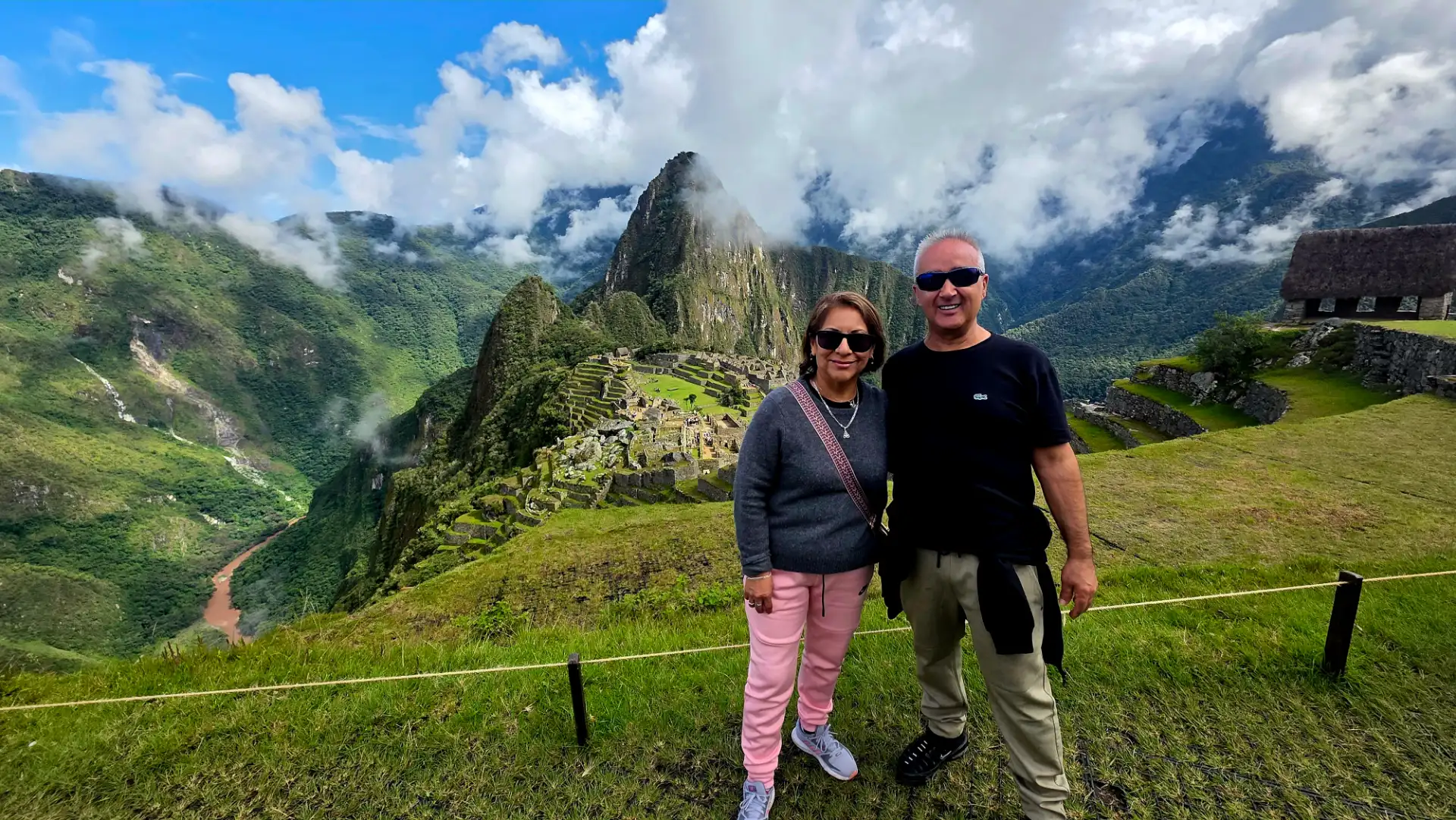
Will you feel the altitude at Machu Picchu?
Most visitors who have acclimatized in Cusco feel comfortable at Machu Picchu. At 2,430 m, the air holds noticeably more oxygen than in the city. There's still some walking and stair-climbing at the site, so you may feel mildly short of breath on the steeper sections, but genuine altitude sickness at the citadel itself is uncommon. The real altitude care belongs in Cusco, where you arrive higher.
How to prepare for the altitude
The golden rule is to acclimatize in Cusco first. Spend two or three gentle days at 3,400 m before any strenuous activity — and ideally visit Machu Picchu after you've adjusted, not on arrival day. Hydrate well, eat light, go easy on alcohol at first, and consider starting in the lower Sacred Valley. If you trek in (Inca Trail, Salkantay), you'll cross far higher passes than the citadel, so fitness and acclimatization matter more. Read our full altitude guide.
If altitude affects you
If you feel unwell at altitude in Cusco — headache, nausea, fatigue — rest, hydrate, try coca tea, and descend to the lower Sacred Valley if needed (it genuinely helps). Because Machu Picchu is lower, many people who struggle in Cusco feel better at the citadel. Consult a doctor before travelling if you have heart or lung conditions. See how to prevent and beat altitude sickness.
Plan around the altitude
We sequence every trip so you reach Machu Picchu rested and acclimatized.
Frequently asked questions
Machu Picchu sits at about 2,430 m (7,970 ft) — lower than Cusco, which is at around 3,400 m. The town below, Aguas Calientes, is lower still at about 2,040 m.
No — Machu Picchu is actually lower than Cusco. At 2,430 m versus Cusco's 3,400 m, most visitors feel more comfortable at the citadel than in the city where they arrive.
Genuine altitude sickness at the citadel is uncommon because it's relatively low at 2,430 m. The altitude care belongs in Cusco, where you arrive higher. Acclimatize there first and you'll likely feel fine at Machu Picchu.
Acclimatize in Cusco for two or three gentle days before strenuous activity, visit Machu Picchu after adjusting, hydrate, eat light, go easy on alcohol, and consider starting in the lower Sacred Valley.