Peru travel requirements: visa, passport, health and everything to sort out before you fly
Good news first: most travellers do not need a visa for Peru, no vaccine is compulsory for entry, and arriving at Lima airport is straightforward. But a Peru trip has a few traps that catch people every week: a passport that expires too soon, Machu Picchu tickets booked with an old passport number, travel insurance that stops covering you above 3,000 m, or a yellow fever certificate the next country demands. This guide brings together every entry requirement and practical document, what to do before you fly and what happens when you land. It is written by our team in Cusco, who meet travellers off the plane every day. Rules change, so for anything legal we link to the official source and tell you what to double-check.
Peru entry requirements at a glance
| Requirement | What you need | Notes |
|---|---|---|
| Passport | Valid for at least 6 months from arrival, with a blank page | Citizens of Andean Community and Mercosur countries can travel with their national ID card |
| Visa | Not needed by most nationalities for tourism | Check the official list for your passport; see the table below |
| Onward ticket | Proof of return or onward travel | Airlines often check it before boarding |
| Entry record | Issued electronically on arrival | No paper tourist card any more; keep a photo of your entry stamp or record |
| Vaccines | None compulsory to enter | Yellow fever recommended for the Amazon |
| Travel insurance | Not compulsory | Strongly recommended; check the altitude limit |
| Customs | Declare cash over US $10,000 and goods over the allowance | Fresh food, plants and seeds are controlled |
| Minors | Passport; extra documents if travelling with one parent | Peruvian resident children need a notarised permit |
Peru’s immigration authority is Migraciones (gob.pe/migraciones), and visa rules for your passport are published by the Ministry of Foreign Affairs. Your own government’s travel advice page for Peru is the second source to read. We update this guide, but a rule can change between our update and your flight.
Do you need a visa for Peru?
For tourism, citizens of most countries in the Americas, the European Union and Schengen area, the United Kingdom, Switzerland, Norway, Australia, New Zealand, Japan, South Korea, Israel, Russia and many others do not need a visa. You receive permission to stay as a tourist when you pass immigration on arrival. There is no fee and no online form to fill in before you travel.
Some nationalities do need a visa, applied for at a Peruvian consulate before travelling; they include several countries in Asia, Africa and the Middle East. There is a useful exception: Peru has allowed citizens of China and India to enter visa-free for tourism if they hold a valid visa or residence permit for the United States, Canada, the United Kingdom, Australia or the Schengen area. Check the current conditions for your passport before you book.
| Your passport | Tourist visa for Peru? | What to bring |
|---|---|---|
| United States, Canada | No | Passport, return ticket |
| EU / Schengen countries, UK, Switzerland, Norway | No | Passport, return ticket |
| Australia, New Zealand | No | Passport, return ticket |
| Mexico, Central America, Caribbean (most) | No | Passport, return ticket |
| Argentina, Bolivia, Brazil, Chile, Colombia, Ecuador, Paraguay, Uruguay | No | Passport or national ID card |
| Japan, South Korea, Singapore and others in Asia | No (most) | Passport, return ticket |
| China, India | Yes, unless you hold a valid US, Canada, UK, Australia or Schengen visa or residence | Passport plus that visa or residence card |
| Several countries in Africa and Asia | Yes | Apply at a Peruvian consulate in advance |
A tourist entry lets you visit, hike, take tours and attend events. It does not allow paid work, and volunteering arrangements can fall into a grey area: if a project gives you board and lodging in exchange for regular work, ask the organisation which status it needs you to have.
How long can you stay?
Peruvian law allows tourists to stay up to 183 days in a 365-day period, but the immigration officer decides how many days to grant at the border. In practice, many travellers receive 90 days; some receive more if they ask and can show a longer plan. The number of days is recorded electronically; there is no longer a paper Andean Migration Card (TAM) to fill in on the plane.
- Ask at the counter. If you plan a long trip, tell the officer how many days you need and have your onward ticket ready.
- Check what you were given. Look at your stamp, or download your entry record (the virtual TAM) from the Migraciones website a day or two after arrival.
- Do not overstay. An overstay is not a crime, but you pay a fine for each extra day when you leave, and it can delay you at the airport. Tourist stays generally cannot be extended from inside Peru, so get the days you need on arrival.
Popping across to Bolivia or Ecuador and coming back does not reset the 183-day limit, because it is counted over a rolling year.
For orientation: most of our travellers spend 7 to 14 days in Peru. A classic route of Lima, Cusco, the Sacred Valley, Machu Picchu and Lake Titicaca fits in 10 days; see our 10-day itinerary and how many days you need in Peru.
Passport and identity documents
Carry a passport valid for at least six months from the date you arrive, with at least one, better two, blank pages. Peru’s own rule is simply that the passport must be valid for your stay, but many airlines apply the six-month rule at check-in and the US Embassy in Lima recommends it, so it is the safe standard.
National ID cards
Citizens of the Andean Community (Bolivia, Colombia, Ecuador) and of Mercosur countries (Argentina, Brazil, Paraguay, Uruguay) and Chile can enter Peru with their national identity card instead of a passport. If you do this, use the same document for your Machu Picchu ticket, your train and your Inca Trail permit, because the number on each booking must match the document you show.
Dual nationals
If you are also a Peruvian citizen, Peru expects you to enter and leave with your Peruvian DNI or passport. For your other nationality, use the passport you used to buy your flight when you check in abroad.
Keep copies
Keep a photo of your passport’s photo page and entry stamp on your phone and in your email. In Peru you are expected to carry identification; for day-to-day walking around Cusco, a copy is usually enough, but carry the original on travel days, at Machu Picchu, on the train and on the Inca Trail, where it is checked.
Travelling to Peru with children
Foreign children travelling as tourists need their own passport, under the same visa rules as adults. When a child travels with only one parent, or with grandparents, a school group or another adult, carry a consent letter signed by the absent parent or parents, ideally notarised, plus a copy of the child’s birth certificate. Peru does not always ask foreign tourists for it, but airlines, your own country’s border officers or a hotel may, and it costs little to bring.
The strict rule applies to Peruvian children and children resident in Peru: if they leave the country with only one parent or without their parents, they need a notarised travel authorisation. If your child has Peruvian nationality through one parent, assume this applies to you.
Children are welcome on almost every tour in Cusco. Machu Picchu has reduced tickets for children and students, and our Cusco with kids guide explains which hikes suit which ages and how to handle the altitude with little ones.
What happens when you land in Lima
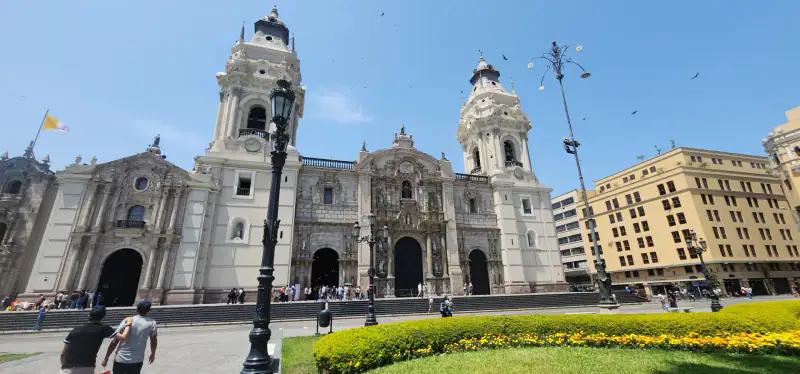
Almost all international flights land at Jorge Chávez International Airport in Lima, which moved to a new, larger terminal in 2025. Cusco’s airport receives domestic flights and a handful of international routes.
- Immigration. Queue at the Migraciones counters with your passport and, if asked, your return ticket and the address of your first hotel. Some passport holders can use automatic e-gates.
- Baggage. Collect your bags. Keep the baggage tags: staff sometimes check them at the exit.
- Customs. If you have nothing to declare, follow the green channel. Bags may be scanned at random.
- Connecting to Cusco. If your flight to Cusco is on a separate ticket, you must collect your bag and check in again; allow at least three hours, and more in the early morning, when most Cusco flights leave.
- Getting out. Use the official taxi desks or app-based transport inside the terminal rather than offers in the arrivals hall.
International departure taxes are included in your ticket price, so there is nothing to pay at the airport. For the onward trip, see how to get to Cusco.
Customs: what you can bring in and take out
Peru’s customs authority, SUNAT, lets you bring your personal belongings duty-free: clothes, a laptop, a phone, cameras and gear for your own use, including trekking poles, a sleeping bag and a drone for personal use. New goods brought as gifts are duty-free up to a modest allowance; above it you pay duties.
| Item | Rule | Tip |
|---|---|---|
| Cash | Declare amounts over US $10,000 (or the equivalent) on arrival and departure | Carry cards and withdraw soles from ATMs instead |
| Personal electronics | Duty-free for personal use | Carry chargers and receipts for new, expensive gear |
| Gifts and new goods | Duty-free up to a small allowance, then taxed | Declare if in doubt; the fine is worse than the duty |
| Fresh fruit, meat, cheese, plants, seeds | Controlled by SENASA; may be confiscated | Do not bring fresh food; packaged snacks are fine |
| Medicines | Allowed in personal quantities | Keep them in the original packaging with your prescription |
| Drones | Personal use allowed; flying is regulated | Flying over Machu Picchu and archaeological sites is forbidden without a permit |
What you cannot take home
Leaving Peru, you may not export archaeological objects, pre-Columbian textiles or ceramics, or colonial art without a permit; tourist reproductions are fine and shops can give you a document that says so. Coca leaves and coca sweets are legal and widely used in Peru, including for the altitude, but they are illegal in most other countries, so finish them before you fly. Products made from protected wildlife, feathers and some woods are also forbidden. Alpaca and sheep wool is fine; genuine vicuña products should come with a certificate.
Health: vaccines, altitude and the Amazon
Peru does not require any vaccine for entry. Health agencies such as the US CDC and the UK’s NHS travel service recommend being up to date with routine vaccines and considering a few more depending on where you go.
| Vaccine or measure | Recommended for | When |
|---|---|---|
| Routine vaccines (MMR, tetanus, flu, COVID-19) | Everyone | Before any trip |
| Hepatitis A | Most travellers | 2 weeks before travel |
| Typhoid | Travellers eating outside hotels and big restaurants, rural trips | 2 weeks before travel |
| Yellow fever | The Amazon: Manu, Tambopata, Iquitos and other jungle areas below 2,300 m | At least 10 days before; one dose lasts for life |
| Hepatitis B, rabies | Long stays, volunteers, remote trekking | Ask a travel clinic; courses take weeks |
| Malaria prevention | Some Amazon areas, mainly in Loreto (Iquitos) | Ask a travel clinic; Cusco, Lima and Machu Picchu have no malaria |
Yellow fever: the certificate trap
Peru will not ask you for a yellow fever certificate, but the next country might. If you continue from Peru to a country that requires proof of vaccination from travellers arriving from Peru, you will need the yellow card. Check the rules of every country on your route, including transit stops. Cusco, the Sacred Valley, Machu Picchu, Lake Titicaca and Lima are not yellow fever areas.
Altitude
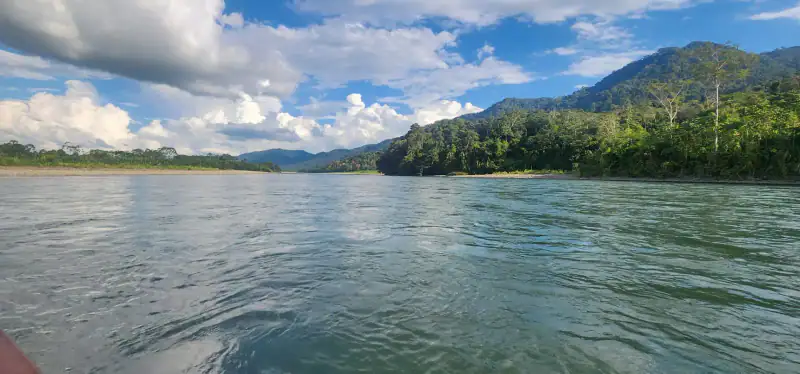
For most travellers altitude is the biggest health issue in Peru, not tropical disease. Cusco sits at 3,400 m, Puno at 3,800 m, and day trips go higher still. Plan a gentle first day, drink plenty of water, go easy on alcohol, and consider starting in the lower Sacred Valley (2,800 m). Ask your doctor about acetazolamide if you have had altitude problems before. Our altitude sickness guide covers symptoms, prevention and the order in which to plan your trip.
Water and food
Do not drink tap water; bottled and filtered water is everywhere, and many hotels have refill stations. Peruvian food is one of the joys of the trip, so eat well but sensibly: busy places, hot food, peeled fruit. See our Peruvian food guide.
Travel insurance: what it must cover in Peru
Travel insurance is not a legal requirement for entering Peru as a tourist, but we would not travel without it. Private clinics in Lima and Cusco are good and charge accordingly, and a helicopter evacuation from a remote trek costs thousands of dollars. When you compare policies, check four things that matter more in Peru than elsewhere.
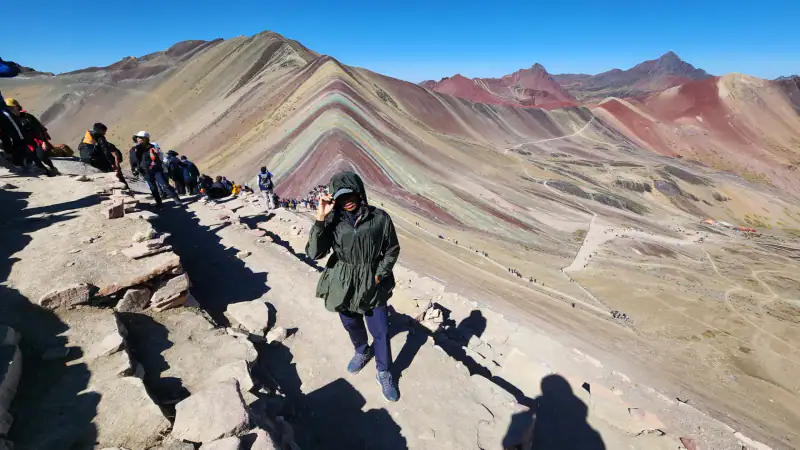
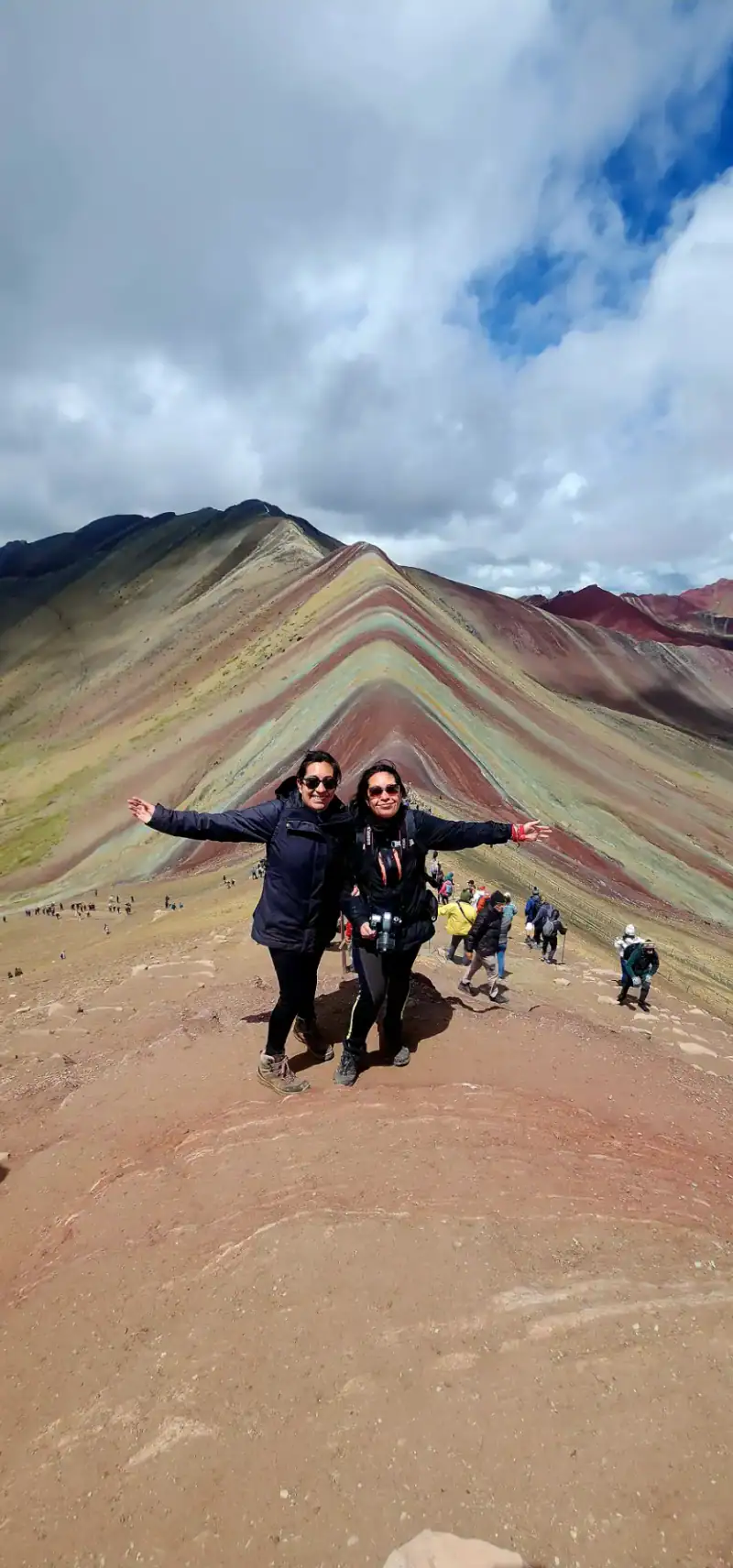
- The altitude limit. Many standard policies cover hiking only up to 3,000 m or 4,500 m. Rainbow Mountain is around 5,000 m, the Salkantay pass is 4,600 m and even Cusco is 3,400 m. Make sure the policy covers trekking at the altitude you will actually reach.
- Emergency evacuation and repatriation. Look for a high limit; evacuation from the Andes or the Amazon is the expensive part.
- Adventure activities. ATV riding, rafting, zip-lining and horse riding are often excluded unless you add them.
- Trip cancellation. Machu Picchu tickets, Inca Trail permits and train tickets are non-refundable; insurance that covers cancellation for illness protects that money.
| Place or activity | Highest point | Covered by a “3,000 m” policy? |
|---|---|---|
| Lima, Machu Picchu, Sacred Valley | 2,400–2,900 m | Yes |
| Cusco city | 3,400 m | Check the wording |
| Lake Titicaca (Puno) | 3,800 m | No |
| Classic Inca Trail | 4,215 m (Dead Woman’s Pass) | No |
| Humantay Lake | About 4,200 m | No |
| Salkantay trek | About 4,600 m | No |
| Rainbow Mountain | About 5,000 m | No |
Money, cards, taxes and tipping
Peru’s currency is the sol (PEN, S/). US dollars are accepted by many hotels and tour operators, but you need soles for taxis, markets, small restaurants and entrance fees paid in cash. ATMs are common in Lima and Cusco; Visa and Mastercard work everywhere they are accepted, and contactless payment is spreading. Carry small notes: change for a S/100 note can be hard to find in villages.
A useful tax rule: foreign tourists who stay in a hotel for up to 60 days are exempt from the 18% sales tax (IGV) on lodging. Show your passport and entry record at check-in and make sure the invoice is in your name. Tipping is modest and appreciated: around 10% in restaurants if service is not included, and a tip for guides, drivers, cooks and porters on tours and treks.
Our money in Peru guide covers ATMs, fees, exchange houses and how much cash to carry, and how much a Peru trip costs gives full budgets.
| Need | Best option |
|---|---|
| Cash in soles | Bank ATMs inside banks or malls; avoid street money changers |
| Hotels, tours, good restaurants | Card, or US dollars |
| Taxis, markets, small shops, toilets | Small soles notes and coins |
| Big purchases | Card, and ask for an invoice |
Phones, internet, plugs and time
Mobile data. Claro, Movistar, Entel and Bitel all sell prepaid SIM cards; you need your passport to buy one, and the shop registers it. Coverage is good in cities and the Sacred Valley, patchy on treks and absent in much of the Amazon. Travel eSIMs bought online before you fly are the easiest option for short trips. Wi-Fi is standard in hotels, cafés and many restaurants.
Plugs and power. Peru uses 220 V, 60 Hz. Sockets usually take both flat two-pin (type A) and round two-pin (type C) plugs. Phone and laptop chargers handle 220 V; hairdryers and older devices from North America may not.
Time. Peru is on UTC−5 all year, with no daylight saving time. Tours in Cusco start early: Rainbow Mountain and Humantay pick-ups are around 4 AM.
| Practical detail | Peru |
|---|---|
| Emergency number | 105 (police); 116 (fire); 106 (ambulance, SAMU) |
| Tourist information and assistance | iPerú offices in airports and city centres |
| Driving | On the right; international driving permit recommended |
| Language | Spanish; Quechua and Aymara in the Andes |
| Electricity | 220 V, 60 Hz, plug types A and C |
| Time zone | UTC−5, no daylight saving |
Bookings that use your passport number
This is where most avoidable problems happen. Several key bookings in Peru are personal and tied to your passport number, and they are checked on the spot.
| Booking | How far ahead | Checked against your passport? |
|---|---|---|
| Machu Picchu entrance ticket | 1–3 months in high season | Yes, at the entrance |
| Huayna Picchu or Machu Picchu Mountain | 2–4 months in high season | Yes |
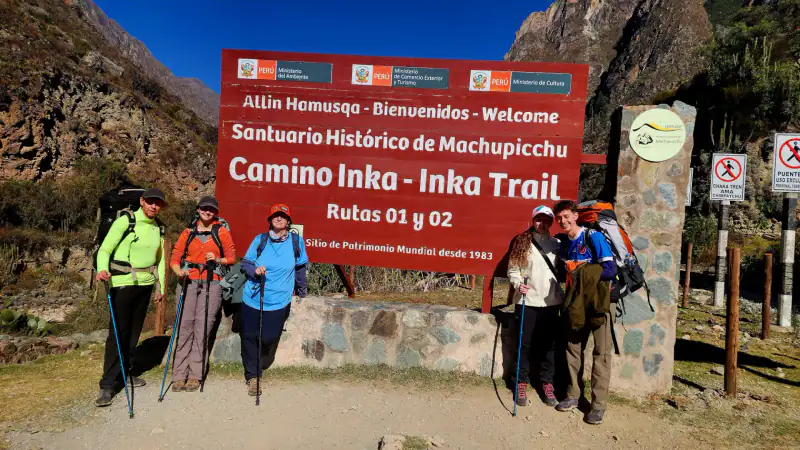
| Inca Trail permit (2 or 4 days) | 4–6 months for May–September | Yes, at the Km 82 or Km 104 control post |
| Train to Machu Picchu | 1–2 months in high season | Yes, on boarding |
| Domestic flights | As early as possible for price | Yes |
If you renew your passport after booking, tell your tour operator immediately. Machu Picchu tickets and Inca Trail permits are issued to a specific document number; changes are sometimes possible, sometimes not, and always easier with time. Bring the old passport as well if you can.
For details see Machu Picchu tickets and circuits, ticket availability and Inca Trail permits and booking.
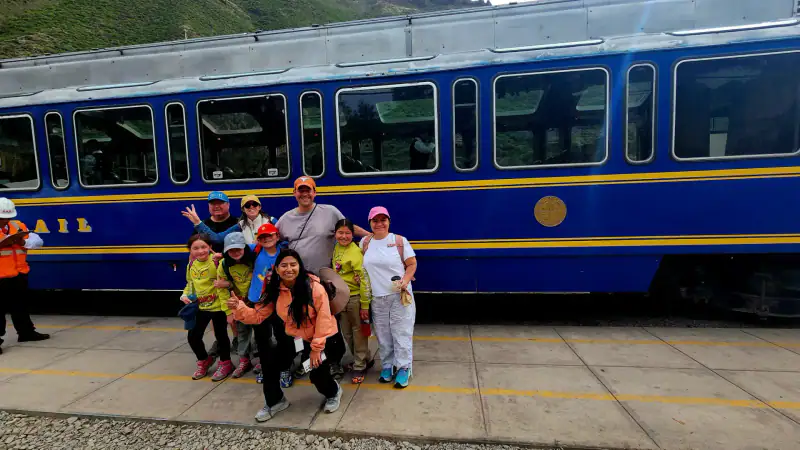
Let us handle the passport-linked bookings
We book Machu Picchu entrances, trains and Inca Trail permits with your exact passport details and send you every ticket before you fly.
Safety and emergencies
Peru is a rewarding and generally safe country for travellers who take normal city precautions. The main risks are petty theft in crowded places, taxis hailed on the street at night and, in the mountains, the altitude and the weather. Our guides is Peru safe? and is Cusco safe? go into detail.
- Use registered taxis or apps, especially from airports and bus terminals.
- Keep your phone out of reach in markets and crowds, and use the hotel safe for your passport and spare cards.
- Register your trip with your embassy’s travel registration service if it has one.
- On treks, travel with a licensed operator; the Inca Trail can only be hiked with one.
- Save the address and phone of your hotel and tour operator on your phone and on paper.
The Tourist Police (Policía de Turismo) have offices in Lima and Cusco and can help with reports for insurance claims. iPerú, the national tourist information service, also assists travellers with complaints and problems.
Arriving overland: border crossings
Many travellers reach Peru by bus as part of a longer South American trip. The same visa and passport rules apply at land borders as at airports, but the experience is different: you leave one country at its post, walk or ride to the other, and get your Peruvian entry recorded there. Make sure you receive both the exit and the entry record; a missing entry is a real headache when you later leave Peru by air.
| From | Main crossing | Nearest Peruvian city | Notes |
|---|---|---|---|
| Bolivia | Kasani (Copacabana) or Desaguadero | Puno, on Lake Titicaca | The classic La Paz–Puno–Cusco route; Kasani is calmer and more scenic |
| Chile | Chacalluta–Santa Rosa | Tacna | Busy, efficient crossing from Arica; strict food controls on the Chilean side |
| Ecuador | Huaquillas–Aguas Verdes or Macará–La Tina | Tumbes or Piura | Direct international buses do both formalities in one stop on some routes |
| Brazil | Assis Brasil–Iñapari | Puerto Maldonado | Remote Amazon road crossing; plan transport ahead |
| Colombia | By river at the triple border (Leticia–Santa Rosa) | Iquitos (by boat) | Get your Peruvian entry recorded at Santa Rosa island |
At land borders, officers may be stricter about proof of onward travel and funds than at the airport. Keep a printed or downloaded copy of your onward ticket and your first hotel booking. Never accept help from unofficial “fixers” who offer to process your passport for a fee.
Rules at the sites you will visit
Entering Peru is only the first set of rules. The most visited places have their own, and guards apply them. Knowing them in advance saves arguments at the gate.
| Place | Main rules | What it means for you |
|---|---|---|
| Machu Picchu | Timed entry on a fixed circuit; no large bags (over about 40 × 35 × 20 cm), no food, tripods, drones, umbrellas or walking poles without rubber tips | Bring a small daypack and your passport; leave the rest in Aguas Calientes |
| Inca Trail | Licensed operator and guide only; permits in your name; no single-use plastic bottles; camp only at official sites | Book early and carry the passport on the permit |
| Cusco sites | Most need the Boleto Turístico; Qoricancha and the cathedral have separate tickets | Buy the 10-day ticket if you visit the Sacred Valley; see our ticket guide |
| Rainbow Mountain and Humantay | Community entrance fees paid in cash | Carry soles in small notes |
| Drones anywhere | Registration and permits needed; forbidden over archaeological sites without authorisation | Leave the drone at the hotel on site visits |
Two more things worth knowing: student discounts at Machu Picchu and on the Inca Trail require a valid student card with a photo and expiry date (an ISIC card is the safest), and children’s discounts need the child’s passport. For Cusco’s multi-site ticket, see the Boleto Turístico guide, and for what to wear and bring to the citadel, what to wear to Machu Picchu.
A tourist entry is for leisure. Attending a short conference or meeting is generally fine, but paid work, longer studies or a stay as a digital nomad need the right migration status. Peru has been developing specific rules for remote workers; ask a Peruvian consulate before you go rather than improvising at the border.
Your pre-departure timeline
Put these dates in your calendar and most of this guide takes care of itself.
| When | What to do |
|---|---|
| 6 months before | Check passport expiry; renew if it expires within 6 months of your return. For May–September, book Inca Trail permits. |
| 3–4 months before | Book international flights, Machu Picchu tickets (with Huayna Picchu if you want it) and trains. Check whether you need a visa. |
| 2 months before | Buy travel insurance that covers altitude and cancellation. Book domestic flights. |
| 4–8 weeks before | Travel-health clinic: hepatitis A, typhoid, yellow fever if visiting the Amazon. |
| 2 weeks before | Notify your bank; order an eSIM; scan your documents and email them to yourself. |
| 1 week before | Print or save all tickets; confirm pick-ups; pack layers for the Andes. See our Cusco packing list. |
| On arrival | Check the days you were granted; withdraw soles; rest on day one at altitude. |
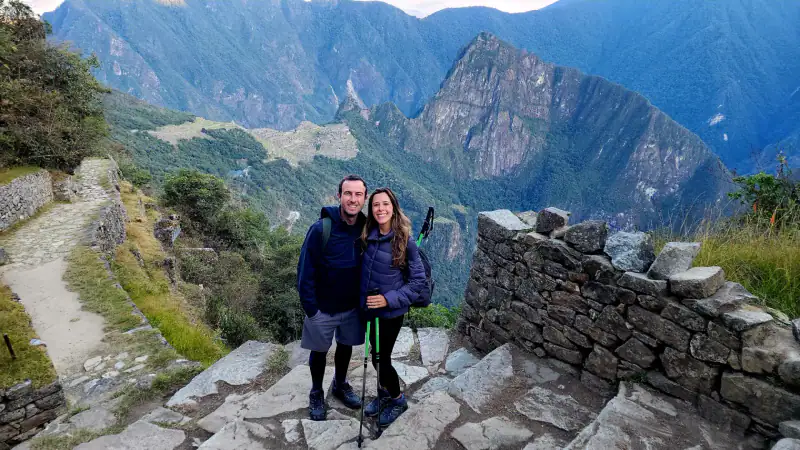
Plan a Peru trip with a local team
Tell us your dates and we will build the itinerary, book the passport-linked tickets and meet you in Cusco.
Frequently asked questions
No. US citizens can visit Peru as tourists without a visa. You need a passport valid for at least six months and proof of onward travel, and the officer usually grants 90 days, up to a maximum of 183 days a year.
No. Citizens of the United Kingdom and EU/Schengen countries can visit Peru for tourism without a visa and receive their permitted stay on arrival.
Up to 183 days in a 365-day period, but the immigration officer decides how many days you get on arrival. Many travellers receive 90 days. Ask for more if you need it, and check your entry record.
It is the safe standard. Airlines often require six months at check-in and the US Embassy recommends it, even though Peru’s own rule focuses on validity for the length of your stay.
No vaccine is required for entry. Routine vaccines, hepatitis A and typhoid are recommended, and yellow fever is recommended if you visit the Amazon. Some countries require a yellow fever certificate from travellers coming from Peru.
No, but it is strongly recommended. Choose a policy that covers trekking at the altitude you will reach (Rainbow Mountain is about 5,000 m), emergency evacuation and cancellation of non-refundable tickets.
Citizens of Andean Community and Mercosur countries, plus Chile, can enter Peru with their national ID card. Use the same document for your Machu Picchu, train and Inca Trail bookings.
Coca leaves are legal in Peru but illegal in most other countries, including the United States and most of Europe. Do not pack them, or coca sweets and tea, in your luggage home.
You should carry proof of return or onward travel. Immigration may ask for it, and airlines often check it before you board a flight to Peru.
You pay a fine for each extra day when you leave the country. It is not usually a criminal matter, but it can delay your departure, so ask for enough days on arrival.
No. The Andean Migration Card is now electronic. Your entry is recorded by immigration on arrival, and you can download the record, the virtual TAM, from the Migraciones website. Keep it with your passport photos, because hotels may ask for it to apply the tax exemption.
Your Machu Picchu ticket, train ticket and Inca Trail permit are issued to a specific document number. If you renewed your passport after booking, tell your operator straight away so the bookings can be updated where possible, and carry both passports on the trip.