10 days in Peru: the perfect itinerary for Lima, Cusco, Machu Picchu and Lake Titicaca (2027)
Ten days is the sweet spot for a first trip to Peru. It is enough to see the four icons everyone dreams of: Lima, Machu Picchu, Cusco with Rainbow Mountain, and Lake Titicaca. You still sleep in a bed that is not on a bus most nights. The catch is altitude. Cusco sits at 3,400 m, Rainbow Mountain at 5,030 m and Puno at 3,830 m, so the order you do things in matters more than what you choose. This itinerary is the route we plan every week for our own travellers. It is day by day, with times, altitudes, prices and booking tips, plus four alternative versions for trekkers, nature lovers, families and slower travellers.
The 10 days at a glance
| Day | Where | Highlights | Sleep | Altitude |
|---|---|---|---|---|
| 1 | Lima | Historic centre, Miraflores clifftop, first ceviche | Lima | ≈ 150 m |
| 2 | Cusco → Sacred Valley | Fly to Cusco, go straight down to the valley | Urubamba / Ollantaytambo | 2,870 m |
| 3 | Sacred Valley → Aguas Calientes | Pisac, Ollantaytambo, afternoon train | Aguas Calientes | 2,040 m |
| 4 | Machu Picchu | Early entry, guided visit, train back | Cusco | 2,430 m |
| 5 | Cusco | City Tour: Qorikancha, Sacsayhuamán | Cusco | 3,400 m |
| 6 | Maras & Moray or Humantay | Easy half day or a lake hike | Cusco | 3,500 / 4,200 m |
| 7 | Rainbow Mountain | Hike or ATV to 5,030 m | Cusco | 5,030 m |
| 8 | Cusco → Puno | Scenic bus with stops, or rest + afternoon bus | Puno | 3,830 m |
| 9 | Lake Titicaca | Uros floating islands and Taquile | Puno | 3,812 m |
| 10 | Puno → Lima → home | Flight from Juliaca | — | — |
You arrive in Cusco but sleep 500 m lower in the Sacred Valley, so your body adapts gently. Machu Picchu comes on day 4, when you are rested. The two highest days, Rainbow Mountain and Puno, come last, when you have spent five nights at altitude. This is the opposite of the classic mistake: landing in Cusco and climbing a 5,000 m mountain the next morning.
Day 1: Lima, the capital of flavour
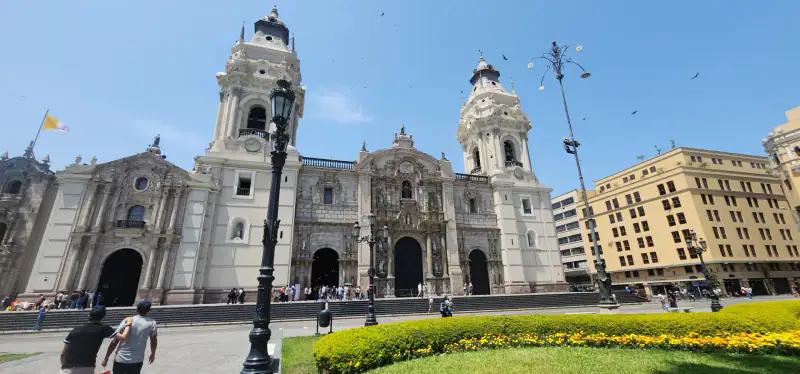
Most international flights land at night or early morning. Rest, then spend the day in two districts. The historic centre is a UNESCO World Heritage Site with the Plaza Mayor, the cathedral and the catacombs of San Francisco. Miraflores and Barranco have the clifftop Malecón over the Pacific, galleries and the best restaurants in South America.
| Time | Plan |
|---|---|
| Morning | Plaza Mayor, cathedral, San Francisco convent and catacombs |
| Lunch | Ceviche in a cevichería (they close around 5 PM: ceviche is a lunch dish) |
| Afternoon | Malecón of Miraflores, Parque del Amor, walk to Barranco |
| Evening | Sunset over the ocean, dinner in Barranco; sleep early for the Cusco flight |
Short on time? You can skip Lima and connect straight to Cusco, which gives you an extra day in the Andes. Read our guide to Peruvian food to plan what to eat.
Day 2: fly to Cusco and go down to the Sacred Valley
Take a morning flight (1 h 20). At Cusco airport, do not stay in the city: drive 1 h 30 down to the Sacred Valley (2,870 m in Urubamba, 2,792 m in Ollantaytambo). You feel the altitude much less, and the valley is beautiful in the afternoon light. On the way you can stop at a viewpoint over the valley and at Chinchero, the weaving village.
| Option | How | Price (approx.) |
|---|---|---|
| Private transfer | Airport → Sacred Valley hotel | US $40–60 per car |
| Shared van + taxi | Airport taxi to the Urubamba vans, then van | US $10–15 per person |
| With a package | Pickup included | Included |
Walk slowly, drink plenty of water and coca tea, eat light and skip alcohol tonight. If you have a strong headache or nausea, rest; see our altitude sickness guide and the 48-hour acclimatization plan on our Rainbow Mountain site.
Day 3: Pisac, Ollantaytambo and the train to Aguas Calientes
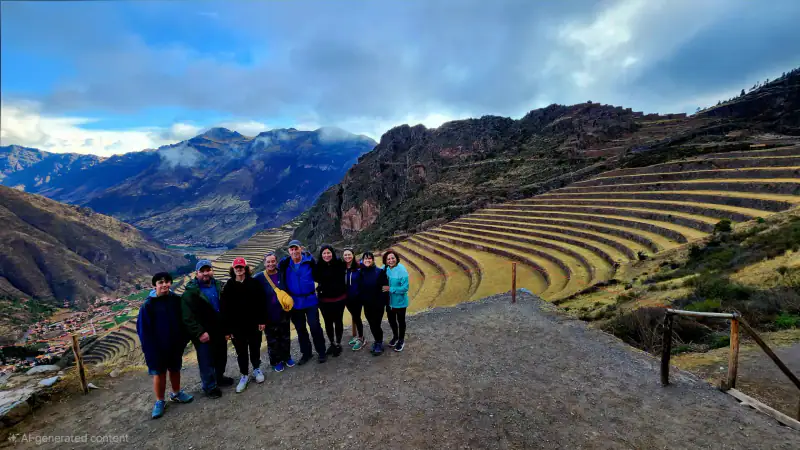
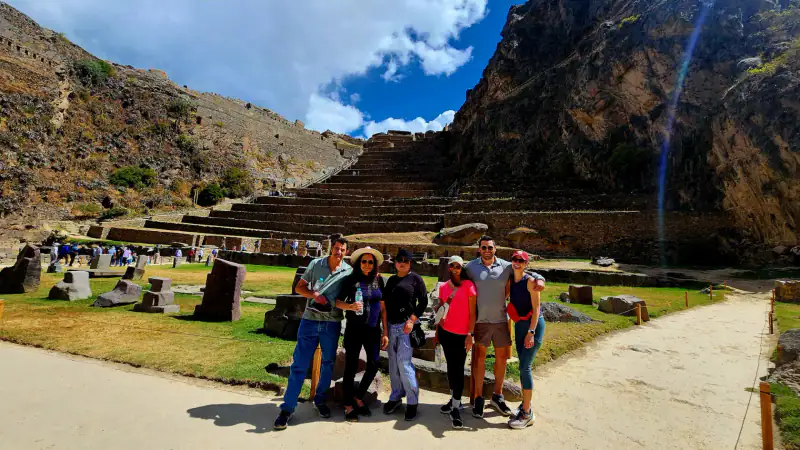
This is a full day of Inca terraces and Andean villages, ending with the most scenic train ride in Peru. In the morning visit Pisac: its agricultural terraces and the citadel above the town, plus the craft market. After a lunch in Urubamba, explore the fortress of Ollantaytambo, a living Inca town where people still use the original water channels.
In the afternoon, take the train from Ollantaytambo to Aguas Calientes (1 h 30 – 1 h 50). Choose a panoramic class for the canyon views; our guide train to Machu Picchu: PeruRail vs Inca Rail compares every class. Want this day organised? Our partner site Valle Sagrado Peru runs a full-day Sacred Valley tour, and our Sacred Valley and Machu Picchu 2-day tour (from US $425) combines both days with the train and hotel.
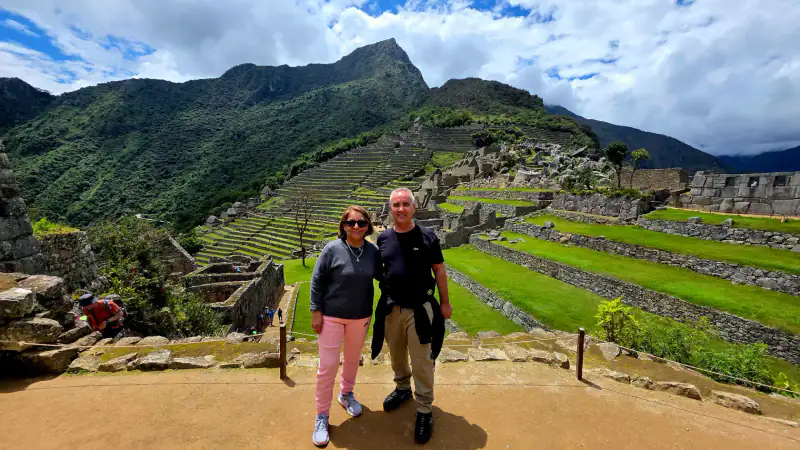
Day 4: Machu Picchu
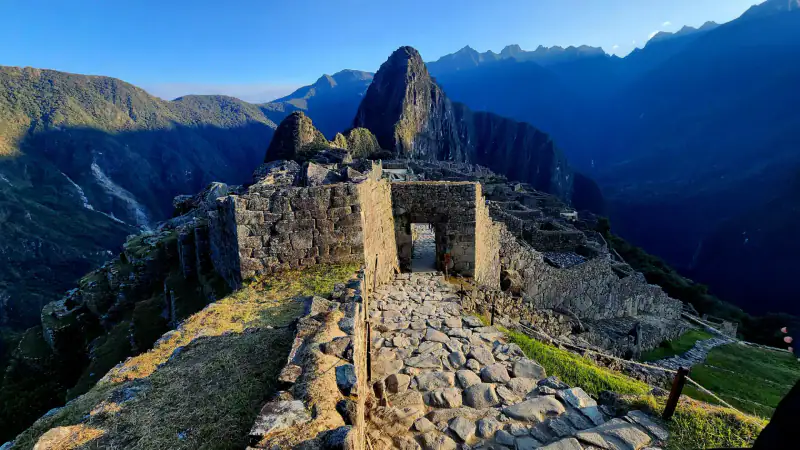
Take one of the first buses up (from about 5:30 AM) and enter at your time slot with a guide. Allow 2.5–3 hours for your circuit. If you booked Huayna Picchu or Machu Picchu Mountain, add 2–3 hours; compare both in Huayna Picchu vs Machu Picchu Mountain. Return by train in the afternoon and transfer to Cusco (arrival around 8–9:30 PM).
| Item | Price (approx.) | Book |
|---|---|---|
| Machu Picchu entrance (one circuit) | ≈ S/163 (≈ US $45) | 1–3 months ahead in high season |
| Entrance with Huayna Picchu or the mountain | ≈ S/211 (≈ US $58) | 2–3 months ahead |
| Bus up and down | ≈ US $24 | The day before in Aguas Calientes |
| Official guide | US $15–25 per person (shared) | At the entrance or with your tour |
Prefer to have it all arranged? Our specialist site Machu Picchu Day Tours sells the 2-day trip with train, hotel, entrance and guide. Its Cusco and Machu Picchu itinerary covers shorter trips.
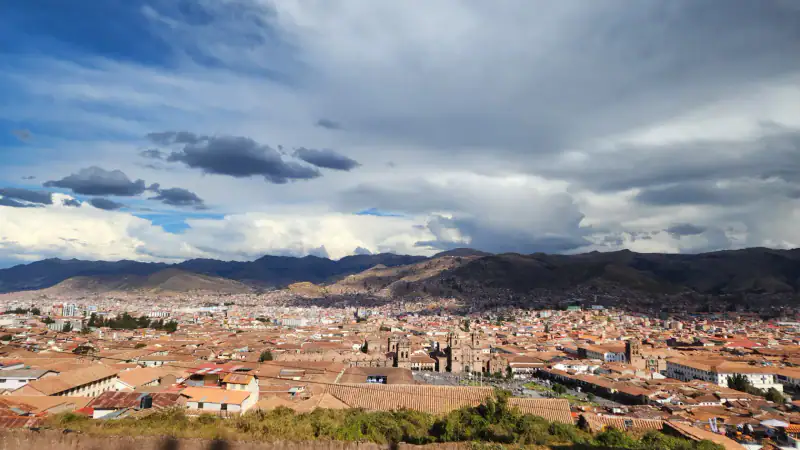
Day 5: Cusco, the Inca capital
Sleep in, then spend the day in the city. In the afternoon, our City Tour (from US $18) visits Qorikancha, the Temple of the Sun, and the four Inca sites above town: Sacsayhuamán, Q’enqo, Puka Pukara and Tambomachay. In the morning, walk San Blas and San Pedro Market. Our list of the 35 best things to do in Cusco has more ideas.
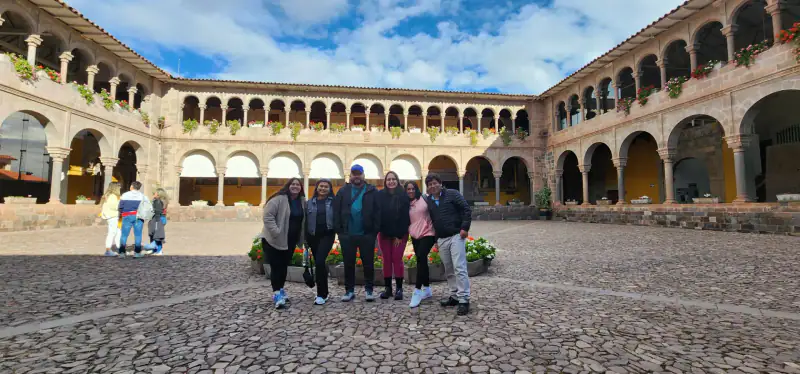
Sacsayhuamán, Pisac, Ollantaytambo and Moray are on the Boleto Turístico (S/130 for 10 days). If you visit the Sacred Valley on day 3, buy the full ticket at Pisac and it covers this day too.
Day 6: Maras and Moray, or Humantay Lake
| Option | What it is | Effort | Duration | From |
|---|---|---|---|---|
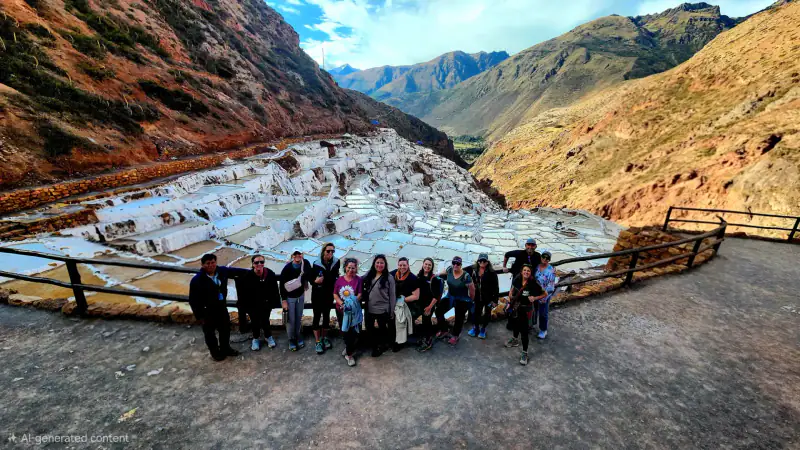
| Maras and Moray | Salt pans and circular Inca terraces, easy walking | Easy | ≈ 6 h | US $30 |
| Humantay Lake | A turquoise glacier lake at 4,200 m, 1.5–2 h climb | Moderate–hard | ≈ 13 h | US $40 |
Choose Maras and Moray if you want an easy day before Rainbow Mountain. Choose Humantay if you feel strong: it is a perfect test before 5,030 m, and two hikes in two days is fine for fit travellers. Not sure? Our Rainbow Mountain team compares them in Humantay Lake vs Rainbow Mountain.
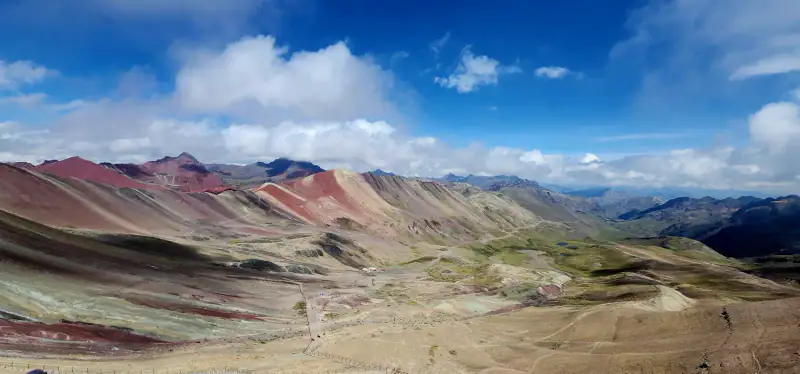
Day 7: Rainbow Mountain at 5,030 m
After five nights at altitude, you are ready. Tours leave Cusco at about 4:00 AM, with breakfast on the way and a hike of 1.5–2 hours to the viewpoint, followed by lunch and a return around 6 PM. Our Rainbow Mountain tour costs US $35 plus the S/30 entrance in cash. For an easier day, our sister site Rainbow Mountain ATV runs the ATV tour with almost no hiking.
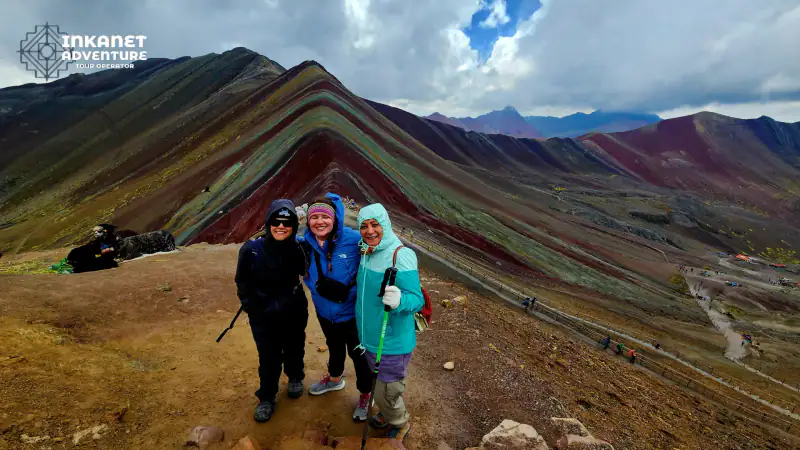
More detail on our dedicated Rainbow Mountain site: Rainbow Mountain hike tour, how hard the hike really is and Rainbow Mountain weather by month.
Day 8: Cusco to Puno, across the altiplano
There are two good ways to make this 390 km journey:
| Option | Details | Time | Price (approx.) |
|---|---|---|---|
| Tourist bus with stops | Andahuaylillas church, Raqchi temple, La Raya pass (4,335 m), Sicuani lunch | ≈ 10 h | US $45–60 |
| Direct bus | Comfortable seats, no stops; leave in the morning or afternoon | 6–7 h | US $15–30 |
| Flight | Cusco – Juliaca, then 45 min to Puno | ≈ 2 h door to door | US $60–150 |
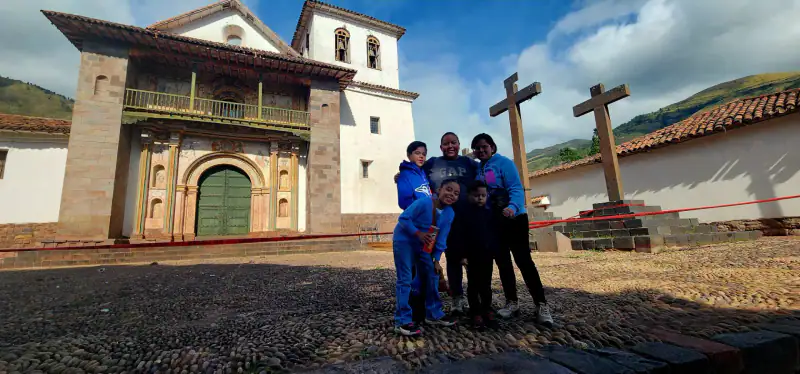
The tourist bus turns a transfer into a sightseeing day; the direct bus leaves you more time in Puno. Puno is at 3,830 m, but after a week in the Andes you will barely notice.
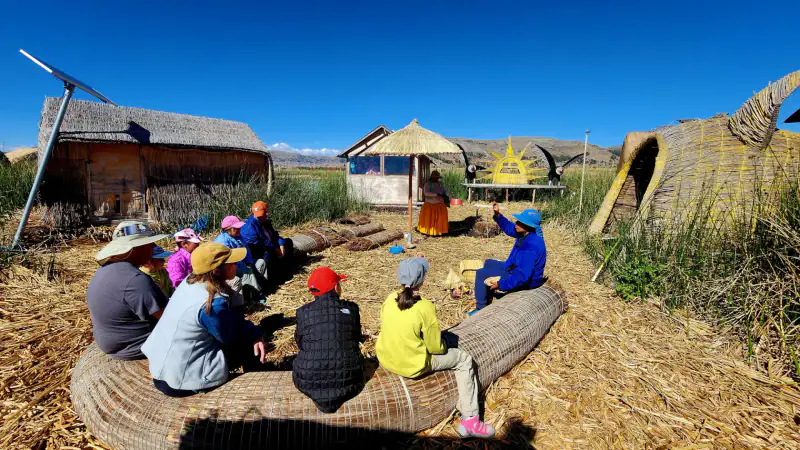
Day 9: Lake Titicaca, Uros and Taquile
The highest navigable lake in the world is the end of the trip. A full-day boat tour visits the Uros floating islands, built of totora reeds, and Taquile, whose textile art is on UNESCO’s Intangible Cultural Heritage list. With one more day, stay overnight with a family on Amantaní: our 2-day Titicaca tour costs from US $95, the day tour from US $70.
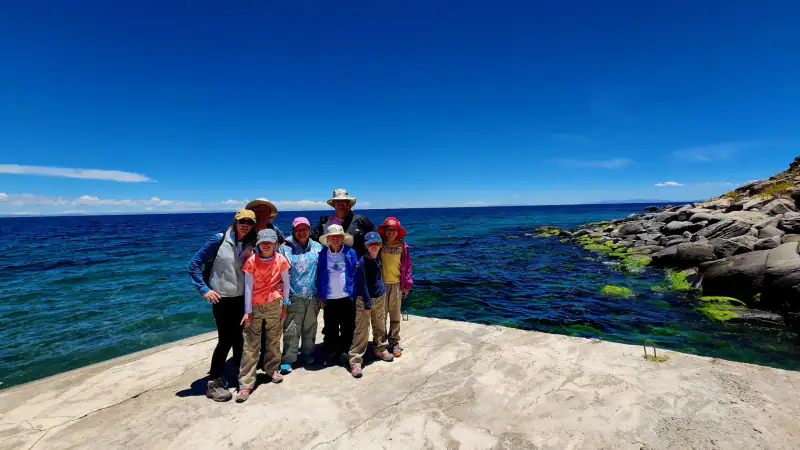
Read the full Lake Titicaca travel guide for the islands, the boats and the best season.
Day 10: Puno to Lima and home
Juliaca airport is 45–60 minutes from Puno. Morning flights reach Lima in about 1 h 30, in time for evening international connections. Leave a margin of at least 4–5 hours in Lima, or fly out the next morning if your flight is early.
| Leg | Time | Tip |
|---|---|---|
| Puno hotel → Juliaca airport | 45–60 min | Book a transfer; leave 2.5 h before the flight |
| Juliaca → Lima | ≈ 1 h 30 | Morning flights are more reliable |
| Lima connection | 4–5 h margin | Do not book the last possible connection |
4 alternative versions of this itinerary
| Version | Change | Best for |
|---|---|---|
| Inca Trail | Replace days 3–4 with the Classic Inca Trail (4 days, from US $820) and drop Titicaca; or do the Short Inca Trail (2 days, from US $585) and keep everything | Hikers; permits needed months ahead |
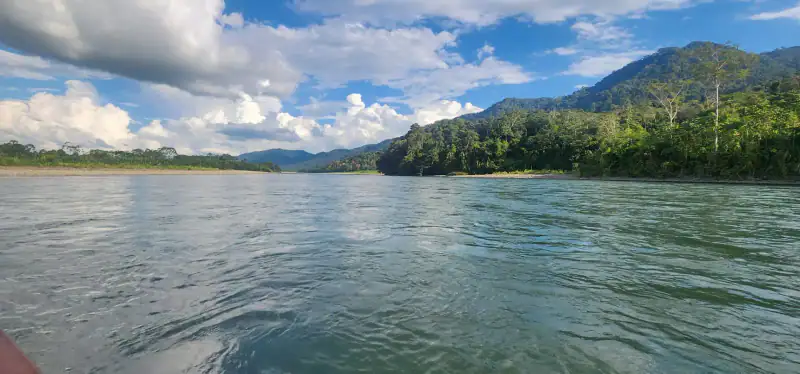
| Amazon | Replace days 8–10 with Manu jungle 3 days (from US $390), fly home from Cusco | Wildlife and nature |
| Families | Swap Rainbow Mountain for Palcoyo or the ATV, take the direct bus to Puno | Children and seniors |
| Slow | Skip Lima, add a free day in Cusco and a night on Amantaní | Relaxed travellers |
For other trip lengths see how many days you need in Peru, the 8-day itinerary and the 2-week itinerary.
How much this 10-day trip costs
| Per person, without international flights | Budget | Mid-range | Comfort |
|---|---|---|---|
| Domestic flights (Lima–Cusco, Juliaca–Lima) | $110 | $190 | $300 |
| Accommodation (9 nights) | $135 | $410 | $1,350 |
| Food | $155 | $360 | $810 |
| Machu Picchu (train, bus, entrance, guide) | $220 | $375 | $600 |
| Cusco tours (City Tour, Maras/Humantay, Rainbow Mountain) | $155 | $155 | $500 |
| Puno bus + Titicaca tour | $120 | $160 | $400 |
| Local transport and extras | $40 | $80 | $200 |
| Total | ≈ $935 | ≈ $1,730 | ≈ $4,160 |
The full breakdown is in how much a trip to Peru costs. For a fixed price, our Cusco and Titicaca 9-day package (from US $990) and 8-day package (from US $950) cover this route with hotels, guides, Machu Picchu and the lake.
What to book, and when
| What | Book | Why |
|---|---|---|
| International flights | 3–6 months ahead | Best fares |
| Machu Picchu entrance + train | 1–3 months ahead (high season) | Timed slots sell out |
| Inca Trail permits (if trekking) | 4–6 months ahead | Only 500 people a day, porters included |
| Domestic flights | 4–8 weeks ahead | Prices rise close to the date |
| Sacred Valley & Aguas Calientes hotels | 1–2 months ahead | Small towns, limited rooms |
| Rainbow Mountain, Humantay, Titicaca | 1–7 days ahead | Daily departures |
May to October is dry across the Andes and Titicaca. April and October offer the best balance of weather and crowds. From December to March, afternoons are rainy but the landscapes are green; February is the wettest month and the Inca Trail closes. See the best time to visit Peru.
Common mistakes on a 10-day Peru trip
- Rainbow Mountain on day 2. The most common and most painful mistake. Keep it for the end.
- Too many one-night stops. Packing and unpacking every day eats your trip; this route has only four hotel changes.
- Booking Machu Picchu last. Book the entrance and train first, then build everything around them.
- Underestimating Cusco–Puno. It is a full travel day; do not plan a lake tour the same afternoon.
- Tight connections. Weather can delay flights in the Andes; leave margin before your international flight.
- Packing for one climate. You will see the Pacific coast, the cloud forest at 2,000 m and frosty nights at 3,800 m: bring layers. See the packing list.
This route, fully arranged
Cusco, the Sacred Valley, Machu Picchu, Rainbow Mountain and Lake Titicaca with hotels, guides and transfers.
Frequently asked questions
Yes. Ten days is enough for Lima, the Sacred Valley, Machu Picchu, Cusco, a mountain day trip and Lake Titicaca without rushing. To add the Amazon or the Inca Trail as well, plan 12–14 days.
Lima (1 day), fly to Cusco and sleep in the Sacred Valley, Machu Picchu on day 4, three days in Cusco with Rainbow Mountain at the end, then bus to Puno for Lake Titicaca and fly home from Juliaca.
Machu Picchu first. At 2,430 m it is lower than Cusco and helps you acclimatize. Rainbow Mountain at 5,030 m should come after four or five nights at altitude.
Without international flights, roughly US $900–1,000 on a budget, US $1,300–2,200 mid-range and US $3,000 or more in comfort per person.
Yes. Entrance tickets have fixed times and circuits and sell out weeks ahead, especially from May to September. Book tickets and train 1–3 months ahead.
Yes, but it uses four days, so you would usually drop Lake Titicaca. The Short Inca Trail (2 days) fits into the itinerary without dropping anything.
The tourist bus is a sightseeing day with stops at Andahuaylillas, Raqchi and La Raya. The flight to Juliaca saves time but misses the altiplano. Most travellers enjoy the bus.
May to October is dry and sunny. April and October are the best balance of weather, prices and crowds. December to March is rainy and green.