2 weeks in Peru: the perfect itinerary
Two weeks is the sweet spot for a first trip to Peru — long enough to see the icons without rushing, and to fold in the altitude time your body needs. This day-by-day itinerary balances the unmissable highlights with sensible pacing, so you arrive at Machu Picchu rested and finish at Lake Titicaca having seen the best of the country.
The 14-day route at a glance
This itinerary follows the classic southern Peru loop, the richest two weeks the country offers for a first visit. It moves logically — arriving low, climbing gradually, and saving the highest points for when you're acclimatized.
| Days | Where | Focus |
|---|---|---|
| 1–2 | Lima | Arrival, food, recover from the flight |
| 3–5 | Cusco & Sacred Valley | Acclimatize, Inca sites, markets |
| 6 | Machu Picchu | The headline day |
| 7 | Rainbow Mountain or rest | High-altitude day trip |
| 8–10 | Trek or deeper Cusco | Short trek or extra exploring |
| 11–12 | Lake Titicaca (Puno) | Islands, homestay, culture |
| 13–14 | Arequipa or return | Colca Canyon or fly home |
Days 1–2: Lima
Most international flights land in Lima, and it's worth a night or two rather than rushing onward. Stay in Miraflores or Barranco for the clifftop ocean walks, the bohemian art scene and Lima's world-famous food — this is one of the planet's great culinary cities, so book a standout ceviche lunch. Two nights lets you shake off jet lag before the altitude begins.
Days 3–5: Cusco and the Sacred Valley
Fly to Cusco (3,400 m) and take it easy on arrival — this is your acclimatization window, and it matters. Spend a gentle first day on the city tour (Qorikancha, Sacsayhuamán), then drop into the lower Sacred Valley for Pisac and Ollantaytambo, which sit around 2,800–3,000 m and help your body adjust.
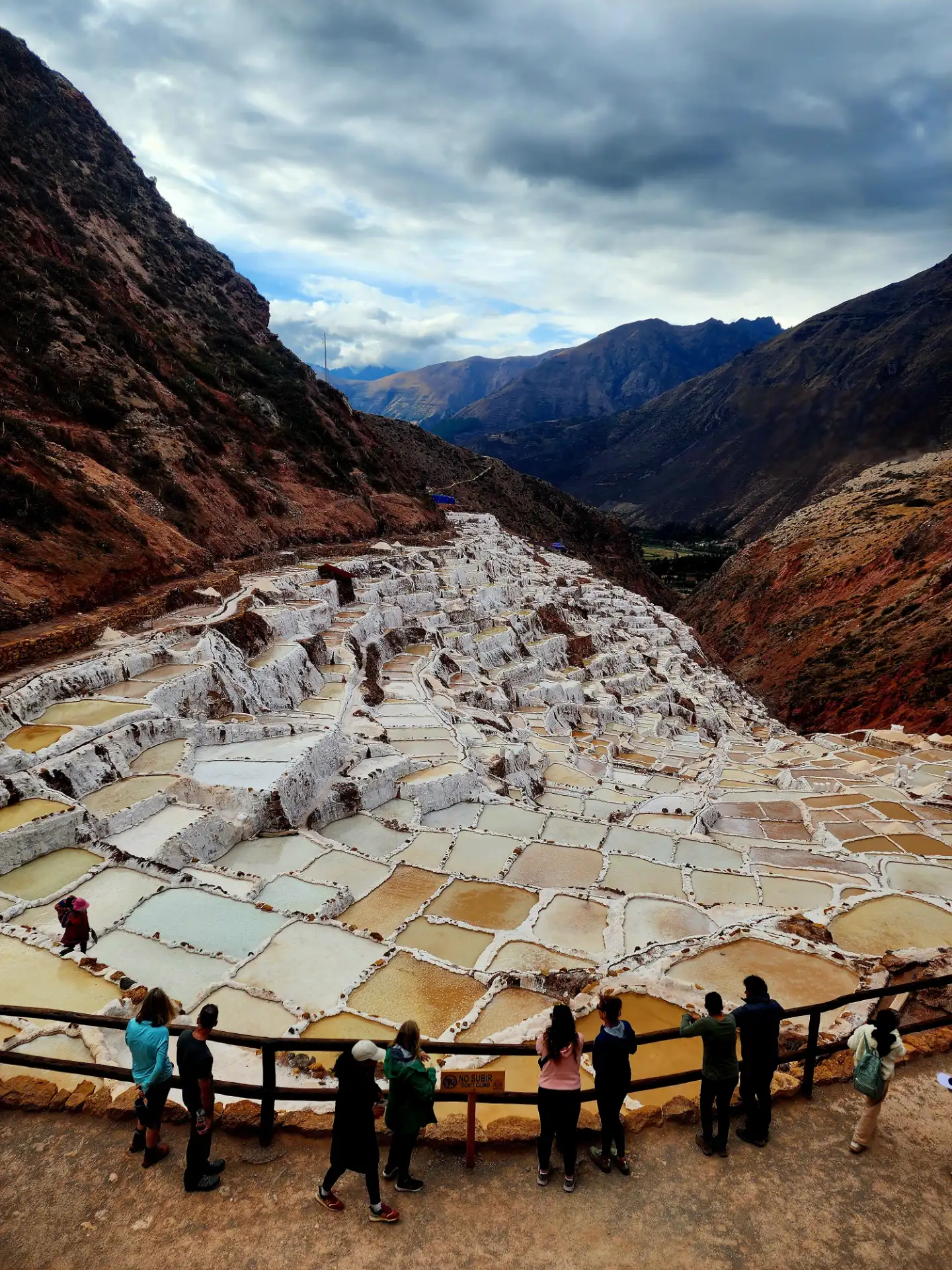
Base yourself in the valley for a night to ease the altitude further. See exactly how many days you need in Cusco.
Day 6: Machu Picchu
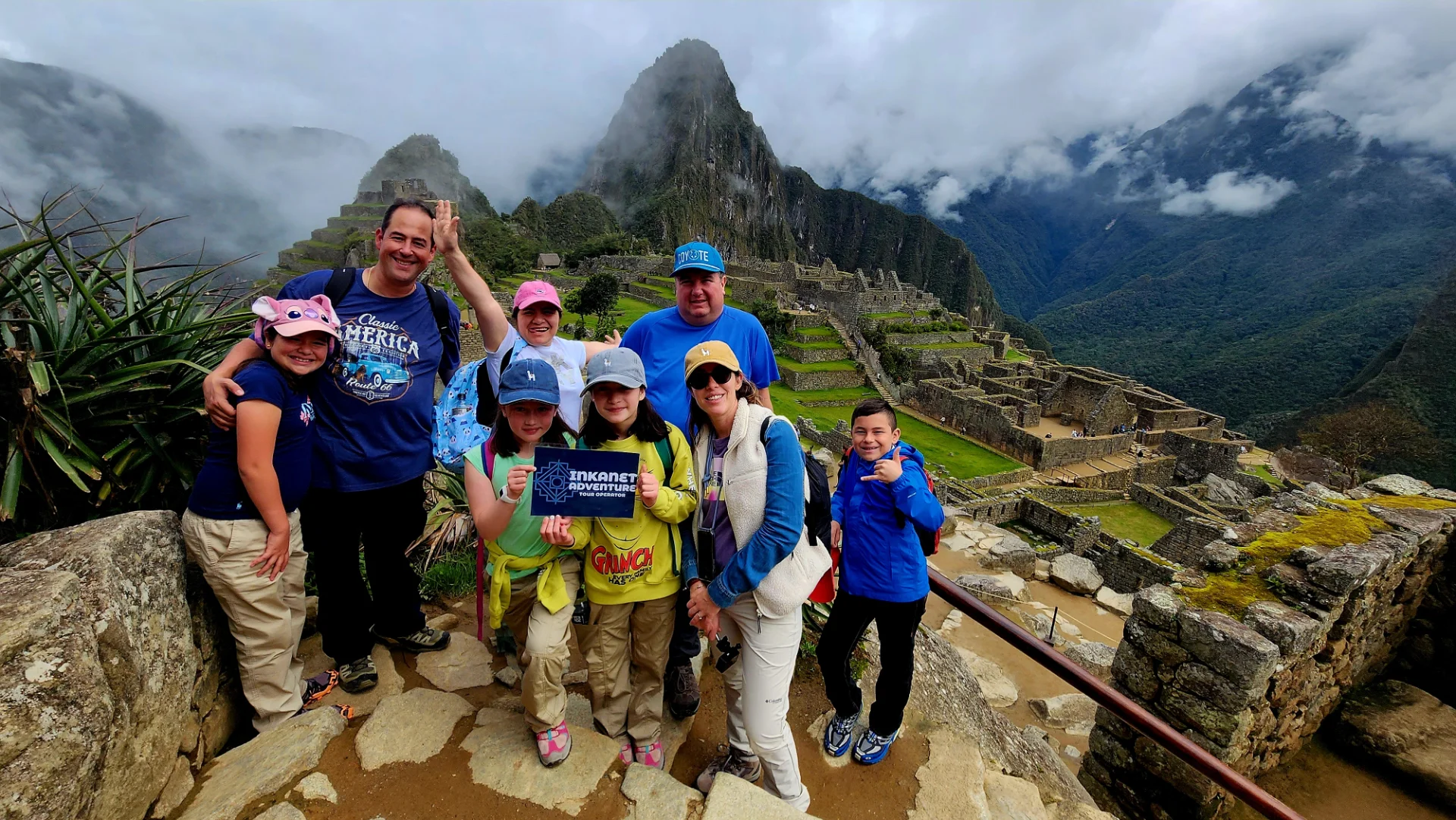
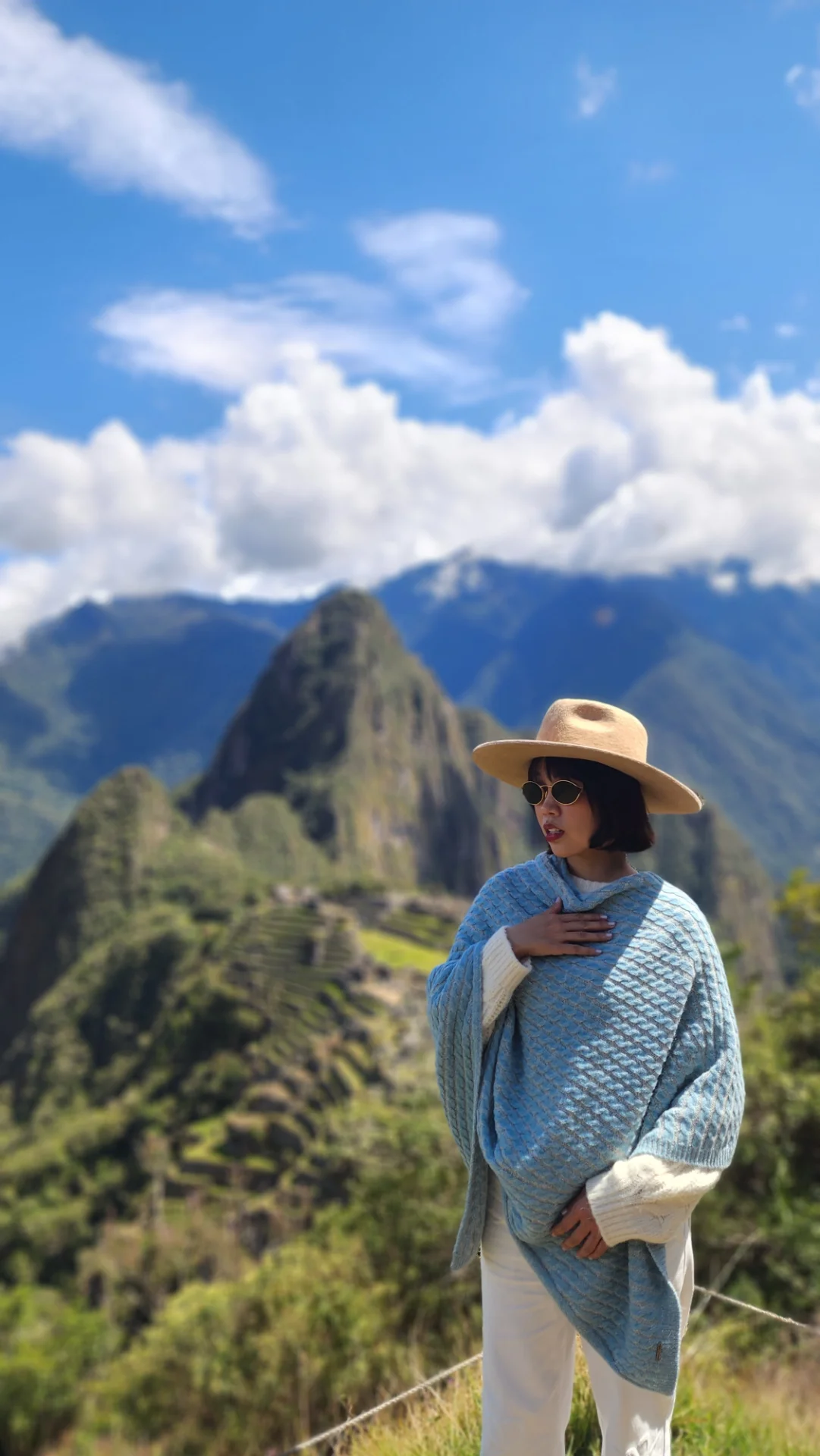
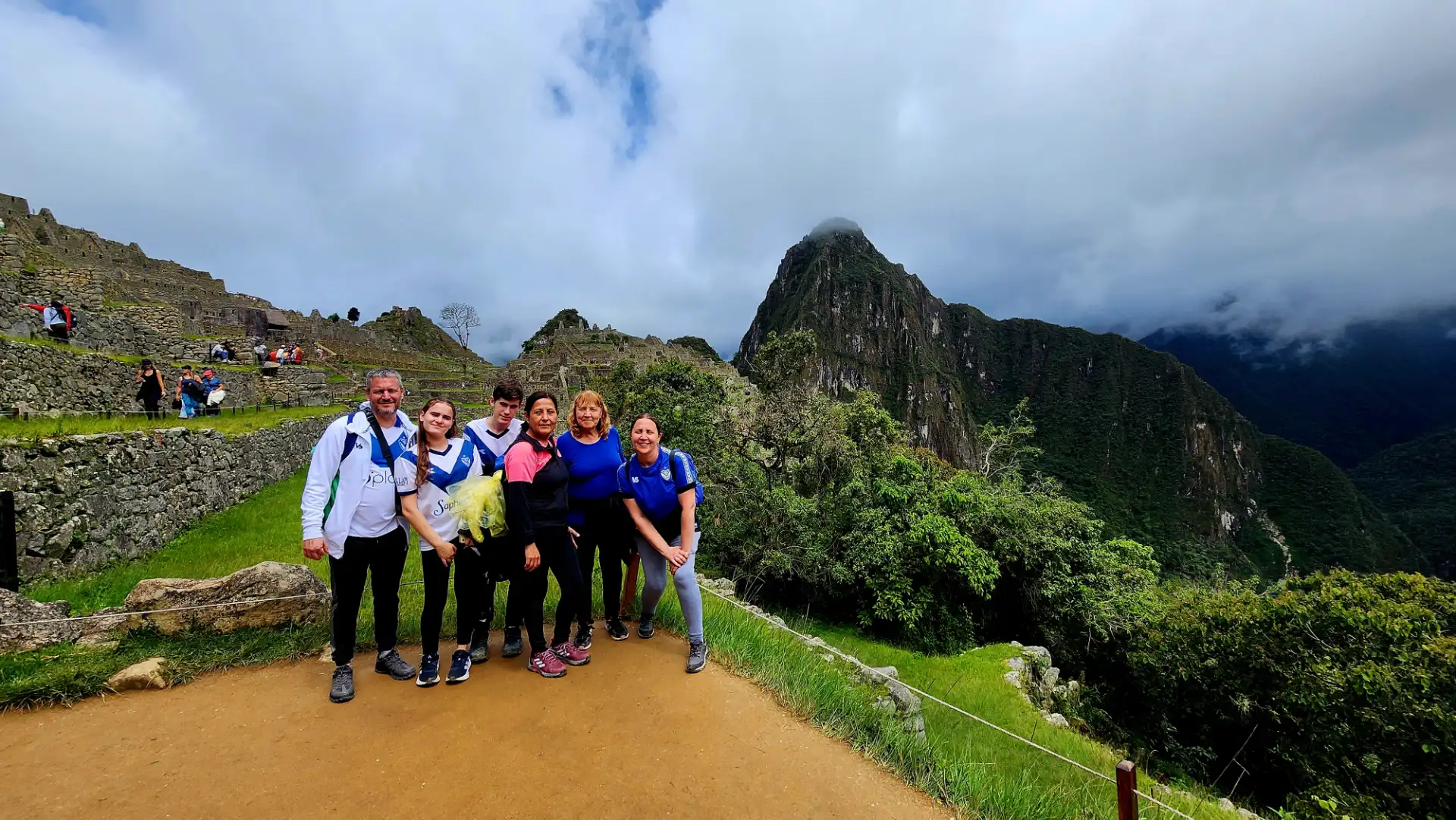
From Ollantaytambo, take the train to Aguas Calientes and visit Machu Picchu with a guide. By now you're acclimatized and can enjoy it properly. Choose your circuit and time slot in advance — they're capped and sell out. An overnight in Aguas Calientes lets you enter early, before the crowds.
Days 7–10: Rainbow Mountain and a short trek
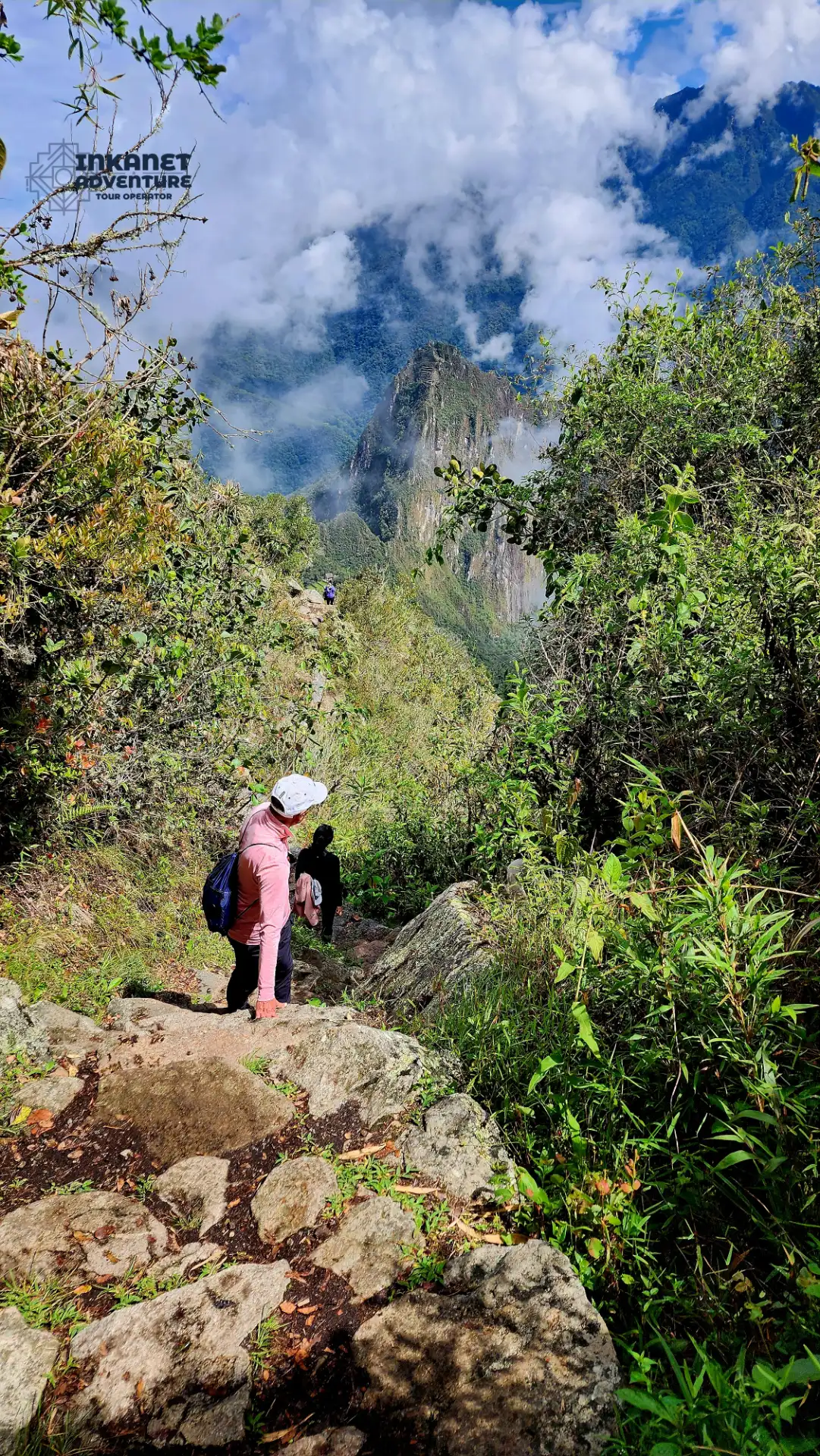
With altitude behind you, this is the window for the demanding day trips and short treks. Rainbow Mountain (Vinicunca) or the quieter Palcoyo make a spectacular day; if you'd rather walk for several days, slot in a Salkantay or Lares section here. Travellers who prefer a gentler pace can use these days for the Maras salt pans, Moray and more of the valley.
Days 11–12: Lake Titicaca
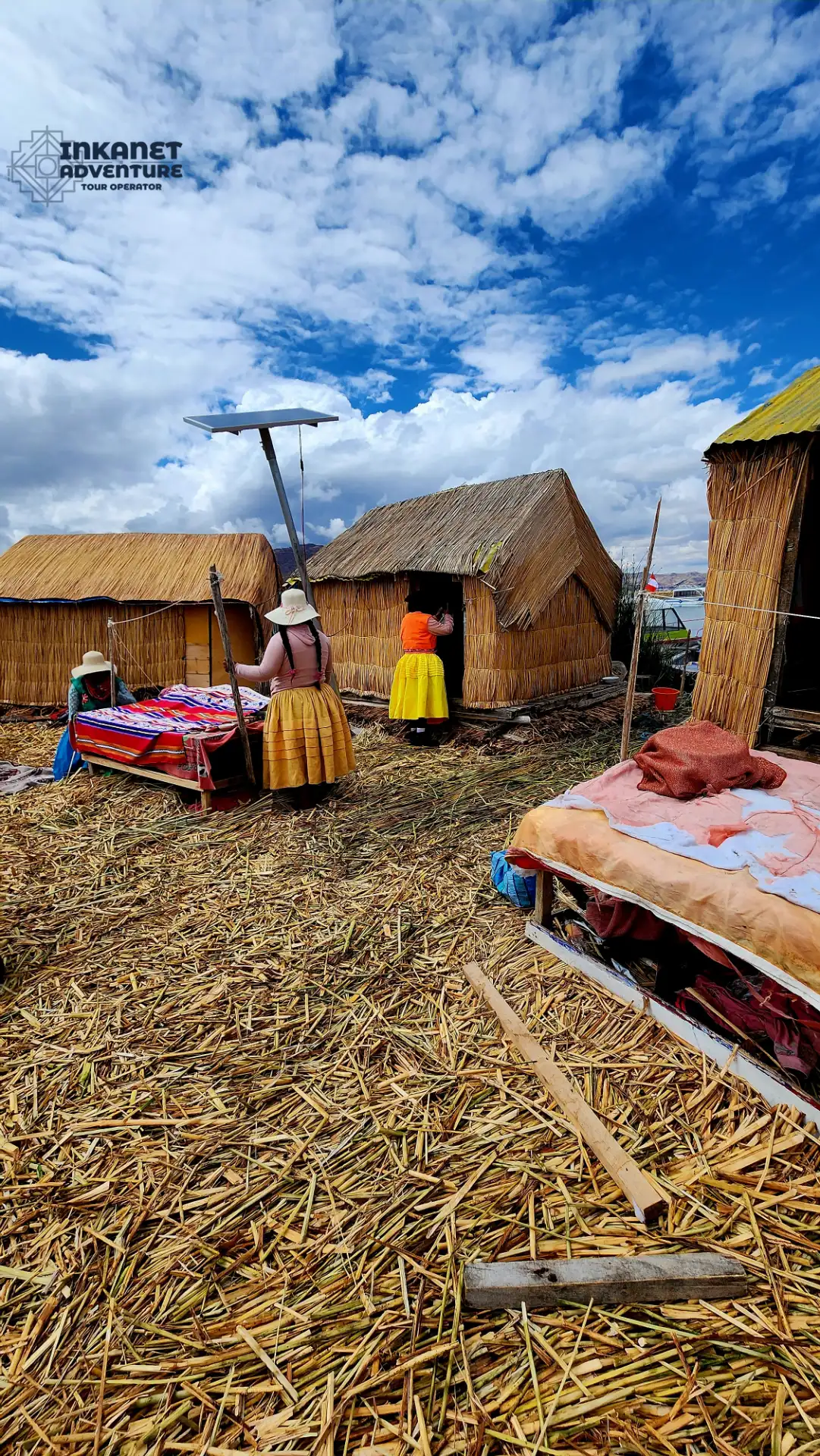
Travel south to Puno and Lake Titicaca, the highest navigable lake on Earth. Visit the reed-built Uros islands and Taquile, and if you can, do an island homestay on Amantaní — the most memorable cultural night of many Peru trips. The scenic bus from Cusco passes a 4,335 m pass and colonial churches.
Days 13–14: Arequipa, Colca, or home
From Puno you're well placed to add Arequipa and the Colca Canyon (famous for Andean condors) if you want two more days, or to fly home via Lima. Arequipa's white-stone colonial centre and milder climate make a lovely finale. Either way, you've seen the heart of Peru without exhausting yourself.
Pacing tips that make or break the trip
- Acclimatize before you climb. The order here is deliberate — never schedule Rainbow Mountain or a trek for your first days at altitude.
- Book the fixed pieces early. Machu Picchu tickets, trains and any Inca Trail permit sell out; lock them first.
- Build in a buffer. Mountain weather and altitude don't follow schedules; a flexible day protects the trip.
- Pack for extremes. Warm days, freezing nights, fierce sun — see our Cusco packing list.
Want this planned for you?
We build custom Peru itineraries around your dates, pace and budget.
Frequently asked questions
Two weeks is ideal for a first trip. It comfortably covers Lima, Cusco, the Sacred Valley, Machu Picchu and Lake Titicaca with proper acclimatization, and leaves room for a short trek or Arequipa and the Colca Canyon.
Start low in Lima, then go to Cusco and the Sacred Valley to acclimatize, then Machu Picchu, then the high-altitude day trips and treks, and finish at Lake Titicaca or Arequipa. Climbing gradually prevents altitude sickness.
The dry season (May to September) offers the clearest weather for the Andes and Machu Picchu, though it is the busiest. April and October are quieter shoulder months with good conditions.
Yes. Cusco sits at 3,400 m, so spend your first days there gently and avoid strenuous high-altitude activities until you have adjusted. See our altitude guide for details.