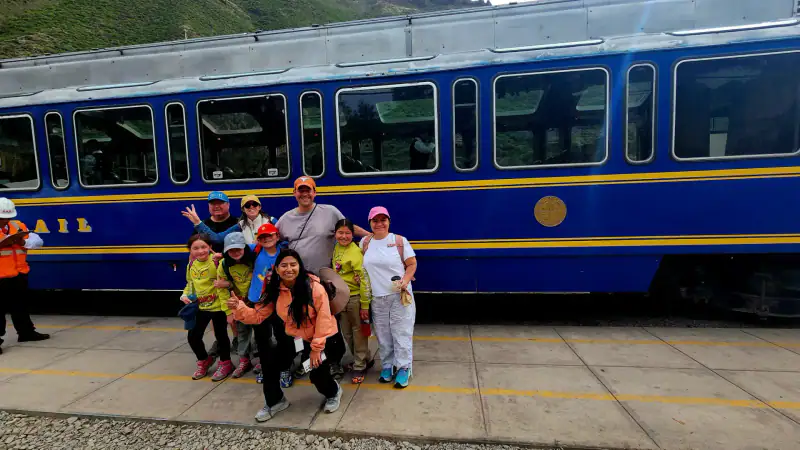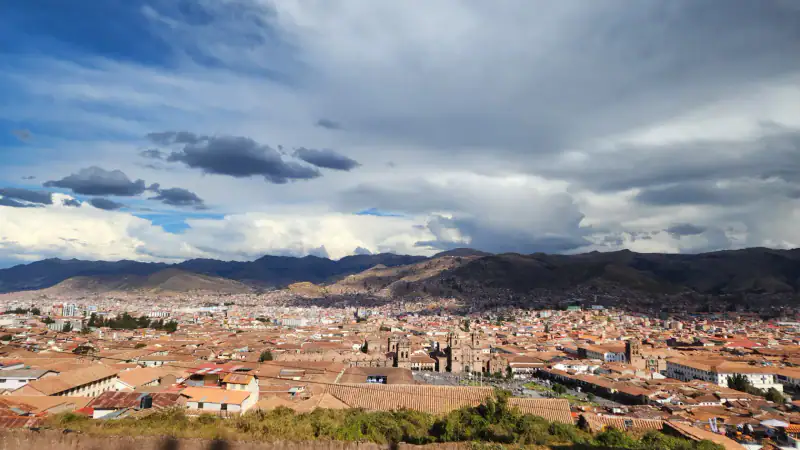
35 best things to do in Cusco: Inca sites, tours, food and free experiences (2027 guide)
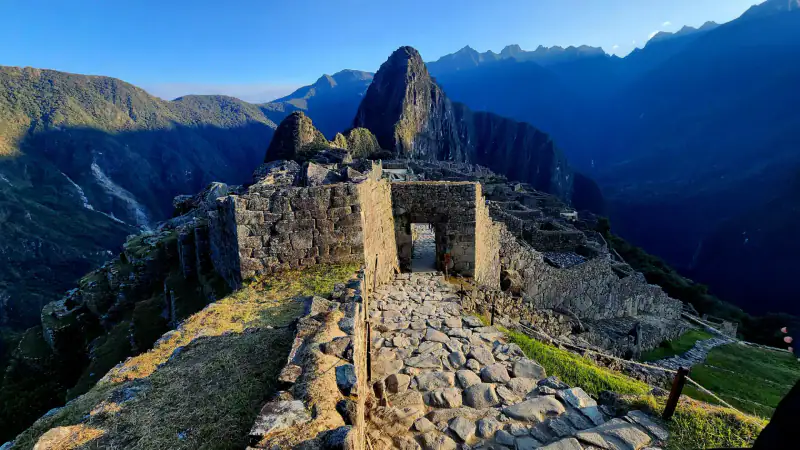
Cusco is not a city you "see" in one afternoon. It was the capital of the Inca Empire, it sits at 3,400 m, and every street hides a wall of polished Inca stone under a colonial balcony. Around it lie the Sacred Valley, Machu Picchu, Rainbow Mountain and some of the best hiking in South America. This guide lists the 35 best things to do in Cusco, grouped so you can plan: the historic centre, the Inca sites above town, culture and food, free activities, day trips and multi-day treks. For each one you get the time you need, the 2027 price and who it suits, plus ready-made plans for 3, 5 and 7 days.
The top 10 at a glance
| # | Experience | Time needed | Approx. price | Best for |
|---|---|---|---|---|
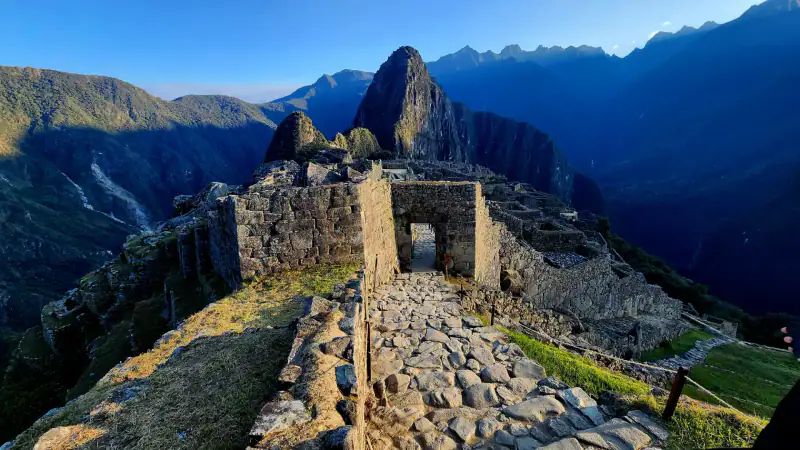
| 1 | Machu Picchu | 1 long day or 2 days | From US $375 (tour) | Everyone |
| 2 | Sacsayhuamán and the Inca sites above town | 3–4 h | Boleto Turístico | History lovers |
| 3 | Qorikancha, the Temple of the Sun | 1–1.5 h | ≈ S/20 | Architecture |
| 4 | Sacred Valley: Pisac, Ollantaytambo, Chinchero | 1 day | From US $35 | First-timers |
| 5 | Rainbow Mountain (Vinicunca) | 1 day (4 AM start) | From US $35 + S/30 entrance | Hikers, photographers |
| 6 | Humantay Lake | 1 day | From US $40 | Hikers |
| 7 | Maras salt pans and Moray | Half day | From US $30 | Short on time |
| 8 | San Blas, San Pedro Market and the twelve-angled stone | 3 h | Free | Walkers, foodies |
| 9 | Rainbow Mountain by ATV | 1 day | US $90 all-inclusive | Adventure, no long hike |
| 10 | Classic Inca Trail | 4 days | From US $820 | Once-in-a-lifetime trek |
Plan your first day as a slow day. Walk the centre, drink coca tea and sleep early. The altitude is the reason most Cusco plans fail, not the logistics. Our altitude sickness guide explains how to avoid it.
Things to do in Cusco’s historic centre (1–9)
The whole centre is a UNESCO World Heritage Site and almost everything is within a 15-minute walk of the Plaza de Armas. The streets are steep and cobbled, so give yourself time and good shoes.
1. Plaza de Armas
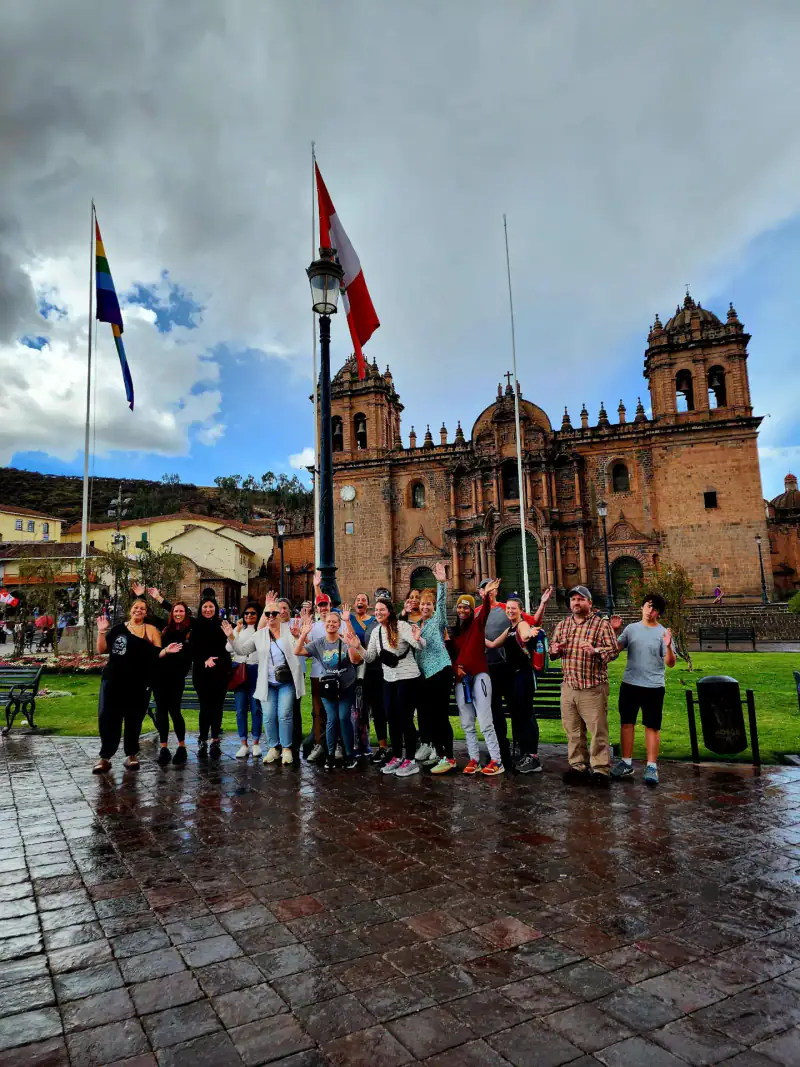
The Inca called it Huacaypata, the square of ceremonies. Today it is framed by the Cathedral and the Jesuit church of La Compañía, with wooden balconies all around. Come twice: once in the morning light and once at night, when the façades are lit. It is the meeting point for most tours and the best place to orient yourself.
2. Cusco Cathedral
Built over the palace of the Inca Viracocha, the cathedral holds more than 400 colonial paintings of the Cusco School, including the famous Last Supper with a guinea pig on the table. Allow one hour. Entry is a separate religious ticket (roughly S/30–40) and is not part of the Boleto Turístico.
3. Qorikancha, the Temple of the Sun
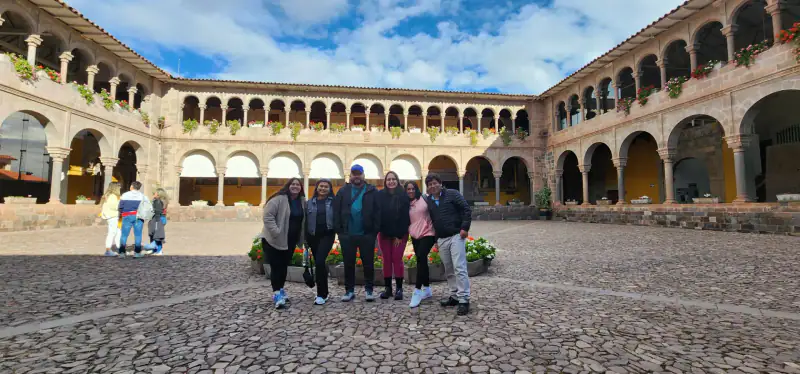
The most sacred temple of the Inca world, once covered in gold sheets, is now topped by the Santo Domingo convent. Inside you can see the finest Inca masonry in Peru, with joints so tight a blade cannot enter. It is included in our half-day Cusco City Tour. See our Qorikancha guide.
4. Hatun Rumiyoc and the twelve-angled stone
Two blocks from the plaza, this narrow street keeps the wall of the palace of Inca Roca. One green diorite block fits its neighbours with twelve perfect angles. It is free, and there are usually Inca-dressed locals for photos (tip a sol or two).
5. San Blas, the artisans’ quarter
Climb Cuesta de San Blas to Cusco’s bohemian neighbourhood: white walls, blue doors, workshops, cafés and the oldest parish church in the city, with a carved cedar pulpit. The small plaza is lovely at sunset. Shopping here is better quality than in the main markets.
6. San Pedro Market
The city’s central market is where Cusqueños shop. Try a fresh juice (S/6–10), a bowl of soup, local cheese and bread from Oropesa, and look at the potatoes, fruit and herbs. Keep your phone in a front pocket. Our markets guide covers San Pedro, Wanchaq and the craft markets.
7. Museums worth your time
The Museo de Arte Precolombino (pre-Columbian art in a colonial mansion), the Museo Inka (mummies, textiles and quipus) and the Museo Machu Picchu – Casa Concha, which displays objects that Hiram Bingham took to Yale and that were returned to Peru. Most take 1–1.5 hours each.
8. Viewpoints: San Cristóbal and Cristo Blanco
The steps to the San Cristóbal church give the classic view over the rooftops in 10 minutes. Higher up, the Cristo Blanco statue looks over the whole valley and is a short walk from Sacsayhuamán. Both are free.
9. Cooking class and pisco tasting
A Peruvian cooking class usually starts with a market visit and ends with ceviche, lomo saltado and a pisco sour you made yourself. It is a perfect activity for your first, slow afternoon at altitude.
The Inca sites above town (10–14)
Four Inca sites sit on the hills just north of the centre. They are covered by the Boleto Turístico (Circuit I S/70, or the full ticket S/130) and by our City Tour, which adds Qorikancha.
| Site | What it is | Altitude | Time |
|---|---|---|---|
| 10. Sacsayhuamán | Ceremonial fortress with zig-zag walls; some blocks weigh over 100 tonnes | 3,700 m | 1–1.5 h |
| 11. Q’enqo | Carved limestone shrine with an underground altar and zig-zag channel | 3,580 m | 20–30 min |
| 12. Puka Pukara | Red-stone checkpoint and lodging on the royal road | 3,780 m | 15–20 min |
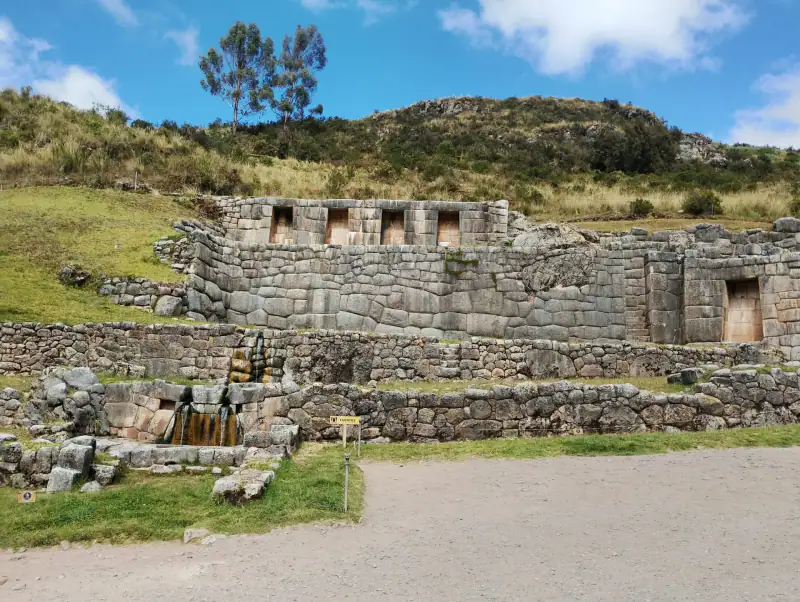
| 13. Tambomachay | The “Inca bath”: fountains still fed by Inca canals | 3,765 m | 20–30 min |
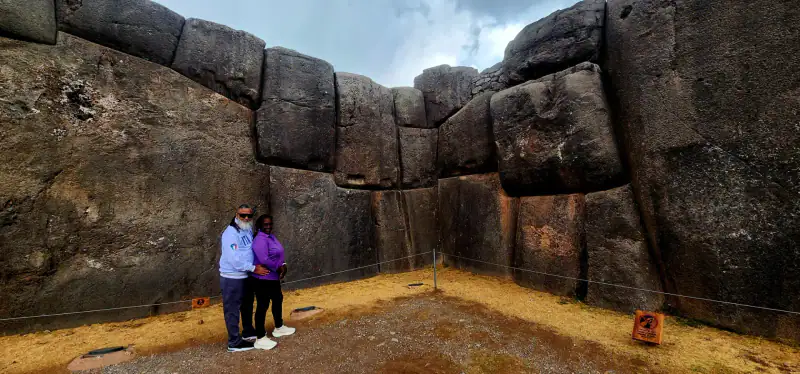
14. Walk back down the Inca way. From Sacsayhuamán, an old path drops through the San Cristóbal neighbourhood to the plaza in about 25 minutes. It is the best way to feel how close these sites are to the modern city. In June, Sacsayhuamán is also the stage of Inti Raymi.
Culture, crafts and experiences (15–20)
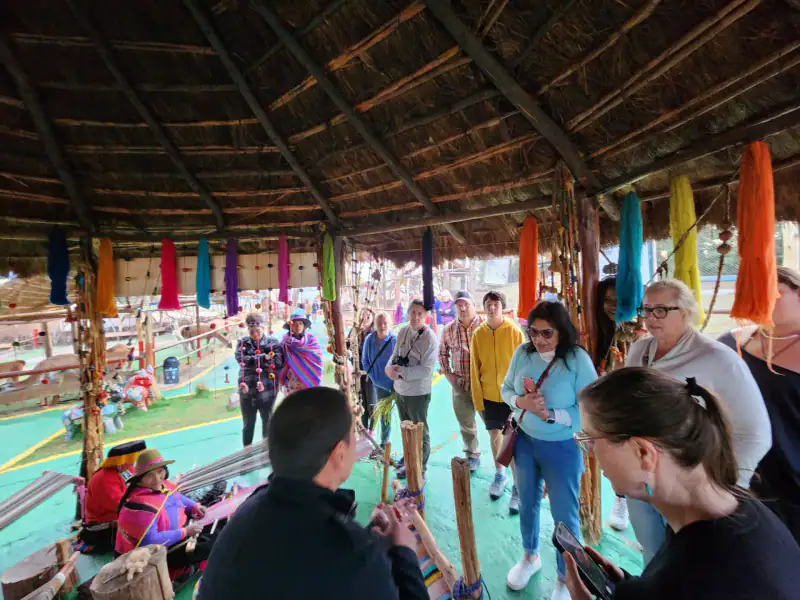
15. A night of traditional dance. The Centro Qosqo de Arte Nativo stages Andean dances every evening, and entry is included in the full Boleto Turístico. 16. Textile traditions. In Cusco and especially in Chinchero, weaving cooperatives show how alpaca wool is washed with a root, dyed with plants and cochineal, and woven on back-strap looms. Buying directly here supports the families.
17. The planetarium. The Andean sky was a calendar for the Inca, and the small Cusco planetarium explains the “dark constellations” of the Milky Way, with telescopes on clear nights. 18. Chocolate and coffee. Peru grows excellent cacao and coffee in the valleys below Cusco; a chocolate workshop is a fun rainy-day plan. 19. Festivals. June is the big month, with Corpus Christi and Inti Raymi, and July brings the Virgen del Carmen in Paucartambo (see Cusco in July and August). 20. Evenings. Peñas with live Andean music, rooftop dinners and night walks: see things to do in Cusco at night.
What to eat and drink in Cusco (21–24)
Cusco has become one of Peru’s food capitals, from market stalls to tasting menus. These are the dishes and drinks to try at least once:
| Dish or drink | What it is | Where | Typical price |
|---|---|---|---|
| Menú del día | Soup, main course and a drink at lunchtime | Local restaurants | S/12–25 |
| Chiriuchu | Cold festive platter of guinea pig, chicken, sausage, seaweed and corn | Corpus Christi, picanterías | S/25–40 |
| Cuy al horno | Oven-roasted guinea pig, a regional speciality | Tipón, Cusco restaurants | S/50–90 |
| Chicharrón | Fried pork with mote corn and mint | Saylla, Pampa del Castillo street | S/20–35 |
| Adobo cusqueño | Pork marinated in chicha and spices, a Sunday breakfast | Picanterías | S/15–25 |
| Lomo saltado | Stir-fried beef with tomatoes and chips | Everywhere | S/30–55 |
| Mate de coca | Coca leaf tea that helps with the altitude | Every hotel | Free–S/5 |
| Chicha morada / pisco sour | Purple-corn drink / Peru’s national cocktail | Everywhere | S/5–30 |
21. Lunch in a picantería, 22. bread and cheese from Oropesa, 23. a street-food tour of San Pedro and 24. a pisco tasting complete the list. Vegetarians eat well too: see our Cusco food guide and vegetarian and vegan Cusco.
Free things to do in Cusco
Cusco can be expensive once you add tickets and tours, but many of its best moments cost nothing:
| Free activity | Where | Best time |
|---|---|---|
| Walk the Inca walls of Hatun Rumiyoc and Loreto | Centre | Morning, fewer people |
| San Blas viewpoint and plaza | San Blas | Late afternoon |
| San Cristóbal and Cristo Blanco viewpoints | Above the plaza | Sunset |
| Temple of the Moon | Behind Sacsayhuamán | Morning |
| San Pedro Market (browsing) | San Pedro | Before 1 PM |
| Sunday parade in the Plaza de Armas | Centre | Sunday morning |
| Free walking tour (tip-based) | Centre | Morning or afternoon |
On a budget? Combine these with the cheapest paid highlights: the City Tour (US $18), Maras and Moray (US $30) and the Sacred Valley (US $35). Our Machu Picchu on a budget guide covers the cheapest way to the citadel.
The best day trips from Cusco (25–32)
Most visitors spend more time outside the city than in it. These are the day trips we run every day, with our current prices and the altitude of each one, so you can order them well.
| # | Day trip | Max. altitude | Effort | Duration | From |
|---|---|---|---|---|---|
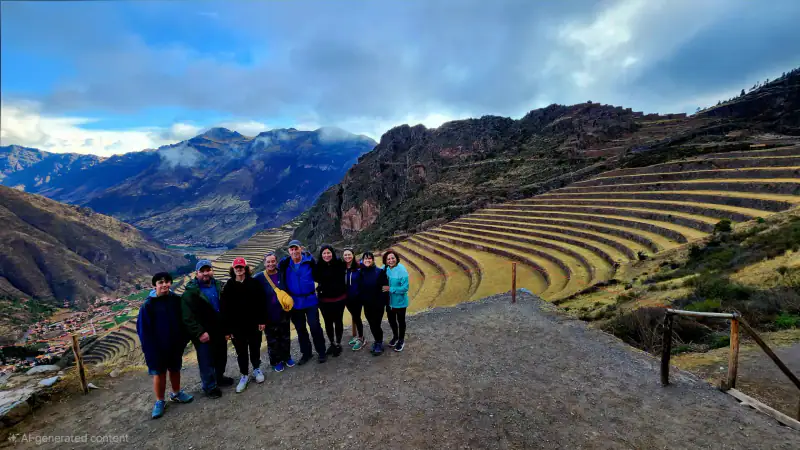
| 25 | Sacred Valley (Pisac, Urubamba, Ollantaytambo, Chinchero) | 3,760 m | Easy | ≈ 12 h | US $35 |
| 26 | Maras and Moray (+ Chinchero) | 3,760 m | Easy | ≈ 6 h | US $30 |
| 27 | Machu Picchu by train | 2,430 m | Easy–moderate | ≈ 17 h | US $375 |
| 28 | Rainbow Mountain hike | 5,030 m | Hard | ≈ 13 h | US $35 + S/30 |
| 29 | Humantay Lake | 4,200 m | Moderate–hard | ≈ 13 h | US $40 |
| 30 | Palcoyo, the easier rainbow mountain | 4,900 m | Easy–moderate | ≈ 12 h | US $45 |
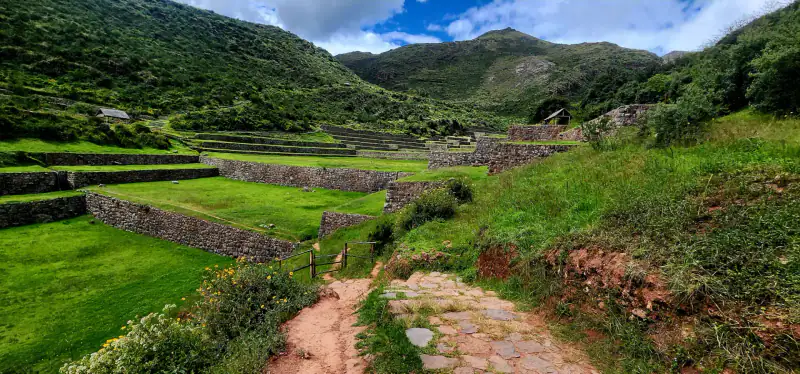
| 31 | South Valley: Tipón, Pikillacta, Andahuaylillas | 3,500 m | Easy | ≈ 6 h | US $35 |
| 32 | 7 Lagoons of Ausangate + hot springs | 4,700 m | Moderate | ≈ 14 h | US $40 |
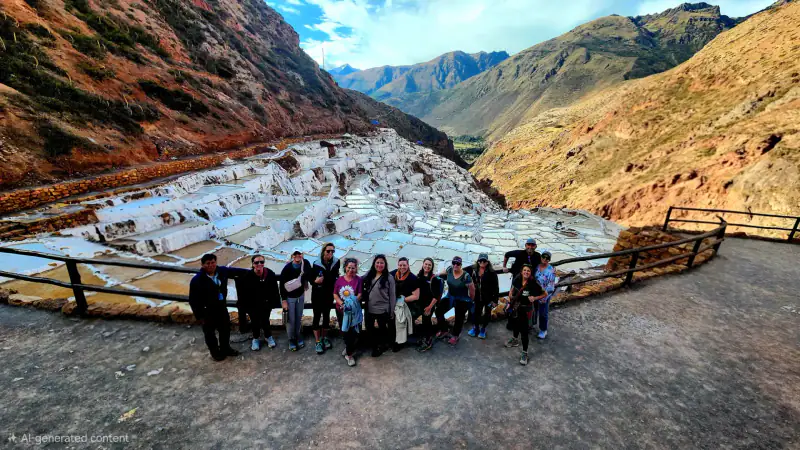
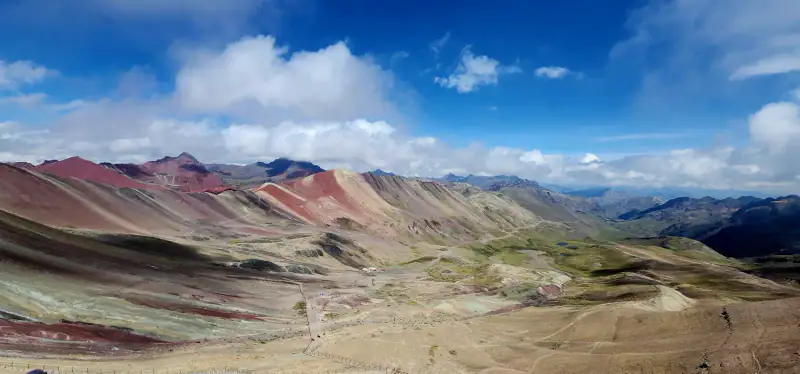
Want more? The Q’eswachaka Inca rope bridge (US $40), Waqrapukara (US $50), Pallay Punchu and Raqchi (US $50) and the Huchuy Qosqo day trek are quieter options. If you would rather ride than walk to Vinicunca, the ATV Express costs US $90 with the entrance included. Our full ranking is in the 12 best day trips from Cusco.
Multi-day treks and trips (33–35)
33. The Inca Trail. Four days on the original stone path, arriving at Machu Picchu through the Sun Gate. Permits are limited and sell out months ahead for May to September. The Short Inca Trail in 2 days (from US $585) is the alternative when time or permits are short. 34. Salkantay and Lares. No permits needed, glaciers and Andean villages: Salkantay 3 days from US $470, Lares 4 days from US $490. 35. Lake Titicaca or the Amazon. With a week or more, add the floating islands of Puno (2 days from US $95) or the cloud forest and rainforest of Manu (3 days from US $390).
| Trek | Days | Max. altitude | Permits | From |
|---|---|---|---|---|
| Classic Inca Trail | 4 | 4,215 m | Yes, book 4–6 months ahead | US $820 |
| Short Inca Trail | 2 | 2,700 m | Yes | US $585 |
| Salkantay | 3–4 | 4,600 m | No | US $470 |
| Lares | 4 | 4,400 m | No | US $490 |
| Choquequirao | 4–5 | 3,100 m | No | US $395 |
| Ausangate circuit | 5 | 5,200 m | No | US $475 |
Not sure which one? Read Inca Trail vs Salkantay vs Lares and our hub on hiking in Cusco.
How to fit it in: 3, 5 and 7-day plans
The order matters more than the list. Start low and easy, put Machu Picchu in the middle and save the high mountains for the end.
| Day | 3 days | 5 days | 7 days |
|---|---|---|---|
| 1 | Centre walk + City Tour | Centre walk + City Tour | Centre walk + City Tour |
| 2 | Sacred Valley, night in Aguas Calientes | Sacred Valley, night in Aguas Calientes | Sacred Valley, night in Aguas Calientes |
| 3 | Machu Picchu, back to Cusco | Machu Picchu, back to Cusco | Machu Picchu, back to Cusco |
| 4 | — | Maras-Moray or free day | Maras-Moray + San Blas |
| 5 | — | Rainbow Mountain or Humantay | Humantay Lake |
| 6 | — | — | Free day: markets, museums, cooking class |
| 7 | — | — | Rainbow Mountain (hike or ATV) |
Prefer it arranged? Our packages follow exactly this logic: Cusco Express 3 days (from US $490), Cusco 5 days with Rainbow Mountain (from US $595) and Cusco Highlights 7 days (from US $860). For other lengths, see how many days in Cusco, or build your own with the custom trip builder.
Tickets and prices you need to know
| Ticket | Covers | Price (foreign adult) | Where to buy |
|---|---|---|---|
| Boleto Turístico (full) | 16 sites: Sacsayhuamán, Pisac, Ollantaytambo, Moray, Tipón, museums… | S/130, 10 days | COSITUC offices, site entrances |
| Boleto Turístico (partial) | One of three circuits | S/70, 1–2 days | Same |
| Qorikancha | Temple of the Sun and convent | ≈ S/20 | At the door |
| Cathedral / religious circuit | Cathedral and churches | ≈ S/30–40 | At the door |
| Machu Picchu | One circuit, timed entry | ≈ S/163 (≈ US $45) | tuboleto.cultura.pe or with your tour |
| Rainbow Mountain | Community entrance | S/30, cash | At the trailhead |
| Maras salt pans | Community entrance | ≈ S/20 | At the entrance |
Machu Picchu tickets are sold only through the official Ministry of Culture platform, with a fixed time and circuit, and the popular slots sell out weeks ahead. Our availability guide explains how far ahead to book.
Practical tips for Cusco
| Topic | What to know |
|---|---|
| Altitude | First day easy, drink water and coca tea, avoid alcohol the first night. Sleep low in the Sacred Valley if you can. |
| Weather | Dry and sunny May–September with cold nights (near 0 °C); rain most afternoons December–March. See Cusco weather by month. |
| Money | Carry soles in cash for entrance fees, markets and taxis; cards work in hotels and restaurants. See money in Peru. |
| Safety | Cusco is safe for tourists by Latin American standards; watch your phone in markets and at night. See is Cusco safe? |
| Getting around | The centre is walkable; taxis cost S/8–15 within the city. Use registered taxis or apps at night. |
| Where to stay | Centre, San Blas or San Cristóbal for first-timers. See where to stay in Cusco. |
| What to pack | Layers, rain jacket, sun hat, sunscreen and broken-in shoes. See the Cusco packing list. |
1) Machu Picchu entrance and train (or the Inca Trail permit), 2) your hotel, 3) the high-altitude day trips for the end of the trip, 4) everything else, which you can book once you are in Cusco. The authorities publish practical information on the official tourism site Peru.travel.
See Cusco with local guides
Small groups, hotel pickup and fixed prices for the City Tour, Sacred Valley, Machu Picchu, Rainbow Mountain and more.
Frequently asked questions
Machu Picchu is the main reason people come, but in Cusco itself the essential visits are Qorikancha, the Plaza de Armas and Sacsayhuamán. A half-day City Tour covers all three plus Q’enqo, Puka Pukara and Tambomachay.
Three days covers the city, the Sacred Valley and Machu Picchu. Five days adds Rainbow Mountain or Humantay Lake with proper acclimatization. Seven days lets you add a free day, Maras-Moray and both mountains.
Walk the Inca walls of Hatun Rumiyoc, visit San Blas and the San Cristóbal and Cristo Blanco viewpoints, browse San Pedro Market, see the Sunday parade in the Plaza de Armas and join a tip-based walking tour.
Yes, if you visit Sacsayhuamán and the Sacred Valley. The full Boleto Turístico costs S/130 for 10 days and covers 16 sites, including Pisac, Ollantaytambo, Moray and Tipón. Qorikancha, the Cathedral and Machu Picchu are not included.
Qorikancha, Sacsayhuamán, San Blas, San Pedro Market, a Sacred Valley day, Machu Picchu and, if you are fit and acclimatized, Rainbow Mountain or Humantay Lake.
Museums (Pre-Columbian Art, Museo Inka, Casa Concha), Qorikancha, the Cathedral, a cooking class, a chocolate workshop, the planetarium on clear evenings and a dance show at the Centro Qosqo de Arte Nativo.
Yes. Children enjoy the markets, Sacsayhuamán, the Sacred Valley, Maras and Machu Picchu. Leave the 5,000 m mountains for older children. See our guide to Cusco with kids.
May to September is the dry season with sunny days and cold nights. April and October are great shoulder months with fewer crowds. December to March is rainy but green and cheaper.