Hiking in Cusco: the complete guide to the best hikes and treks, plus how to do Rainbow Mountain by ATV
Cusco is one of the great hiking bases on Earth. Within three or four hours of the city you can walk to a 5,030 m rainbow-striped ridge, a turquoise glacial lake below Salkantay, Inca terraces that no road reaches and, of course, the Inca Trail to Machu Picchu. The hard part is choosing, because the altitude, walking time and effort vary enormously from one hike to the next. This guide puts every route we run side by side, with real walking times, maximum altitudes and current prices. It also gives an honest difficulty rating, the order in which to do them so the altitude works in your favour, and the ATV options for days when you want the view without the climb.
Hiking in Cusco at a glance
Short on time? Do Humantay Lake or Palcoyo first, then Rainbow Mountain on day 3 or 4. Want Machu Picchu on foot? Book the Inca Trail permit before anything else. Not a hiker? The Rainbow Mountain ATV Express leaves you five minutes from the viewpoint.
The best day hikes from Cusco, compared
All of these leave Cusco before dawn with hotel pickup, breakfast, lunch, a certified guide and emergency oxygen, and you are back in the city the same evening. Walking times are for an average, acclimatized hiker at a steady pace.
| Hike | Max altitude | Walking | Difficulty | From |
|---|---|---|---|---|
| Rainbow Mountain (Vinicunca) | 5,030 m | ≈ 3 h up + 1.5 h down | Moderate–hard | US $35 + S/30 |
| Palcoyo | 4,900 m | ≈ 1 h up + 1 h down | Easy | US $45 |
| Humantay Lake | 4,200 m | ≈ 1.5 h up + 1 h down | Moderate | US $40 |
| 7 Lagoons of Ausangate | 4,700 m | ≈ 5 h loop | Moderate | US $40 |
| Pallay Punchu + Raqchi | 4,770 m | ≈ 45 min each way | Moderate | US $50 |
| Waqrapukara | 4,300 m | ≈ 1.5 h each way | Moderate | US $50 |
| Huchuy Qosqo day trek | 4,393 m | 12 km, ≈ 8 h | Moderate–hard | US $130 |
| One-day Inca Trail | 2,720 m | 12–15 km | Moderate, long day | US $490 |
How we rate difficulty (and why altitude matters more than distance)
At sea level, a 4 km walk is nothing. At 4,800 m there is roughly half the oxygen of the coast, and the same walk can feel like a long run. So our ratings combine three things: maximum altitude, height gained and hours on foot.
- Easy: under two hours of walking on good paths. Anyone in normal health can do it after a day or two in Cusco (Palcoyo).
- Moderate: two to five hours with one steady climb (Humantay, 7 Lagoons, Waqrapukara, Pallay Punchu).
- Moderate–hard: a long climb at very high altitude or a long day with steep descents (Rainbow Mountain, Huchuy Qosqo).
- Challenging: several days, passes above 4,200 m and nights in camp (Classic Inca Trail, Salkantay, Ausangate).
Fitness helps, but acclimatization helps more. Young, fit travellers who go straight from the airport to a 5,000 m pass often struggle more than older walkers who took three days to adjust. Read our altitude sickness guide before your first hike.
Rainbow Mountain (Vinicunca): the icon
The striped ridge of Vinicunca is the most photographed hike in Peru after the Inca Trail. Bands of red, ochre, lilac and green, coloured by mineral layers, line the slopes at 5,030 m. The trail starts at about 4,400 m and climbs gently through a valley of alpacas before a steep final 30–40 minutes to the viewpoint. Most people need about three hours up and 1.5 hours down. Horses can be hired at the trailhead (about US $20) if you run out of energy.
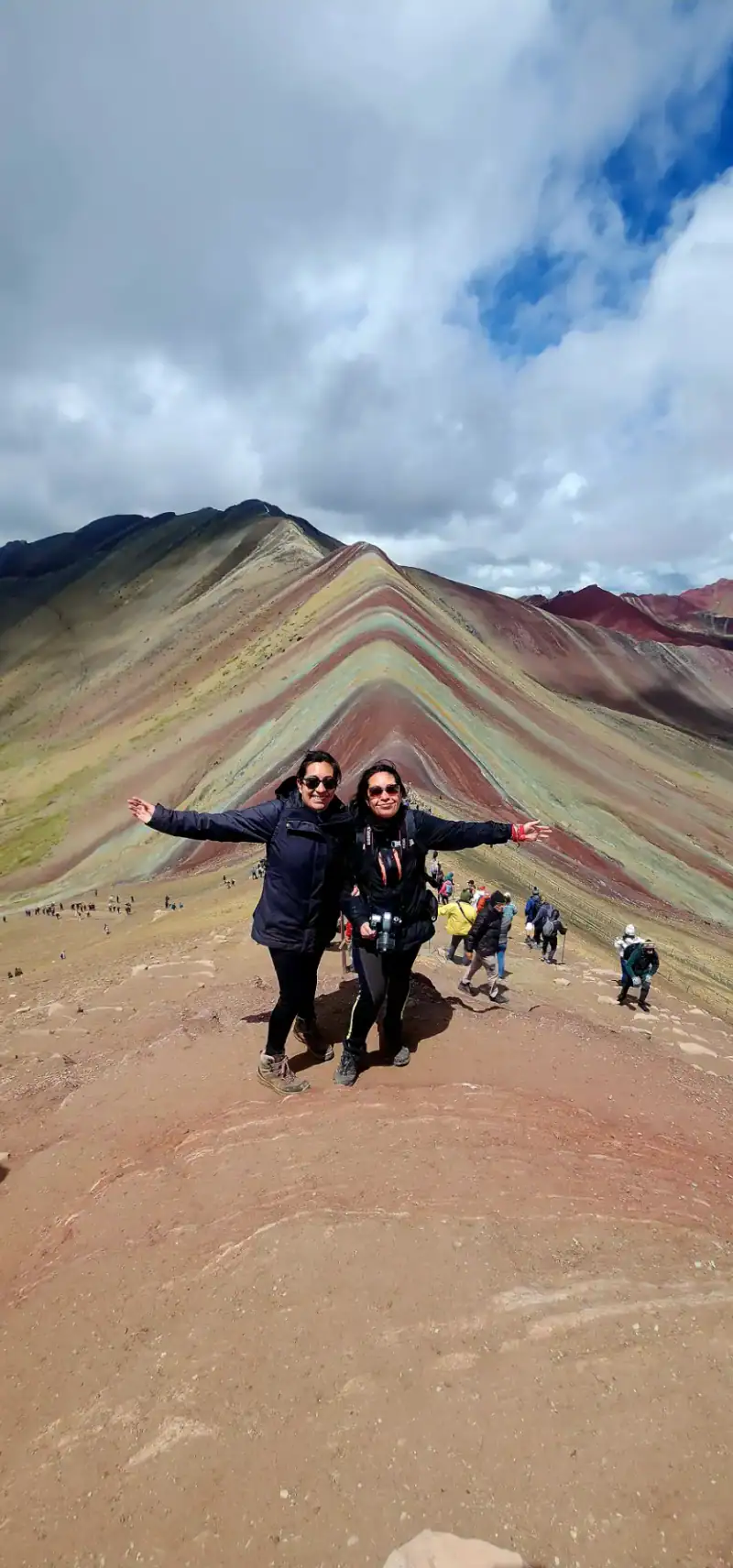
Our Rainbow Mountain hike costs US $35 with pickup at 4:00 AM, breakfast and a buffet lunch. The community entrance (S/30) is paid in cash on the day, and the optional Red Valley detour costs about S/10 more. Everything else about the mountain, from the history of its “discovery” to the best season, is in our complete Rainbow Mountain guide.
Rainbow Mountain by ATV: the view without the climb
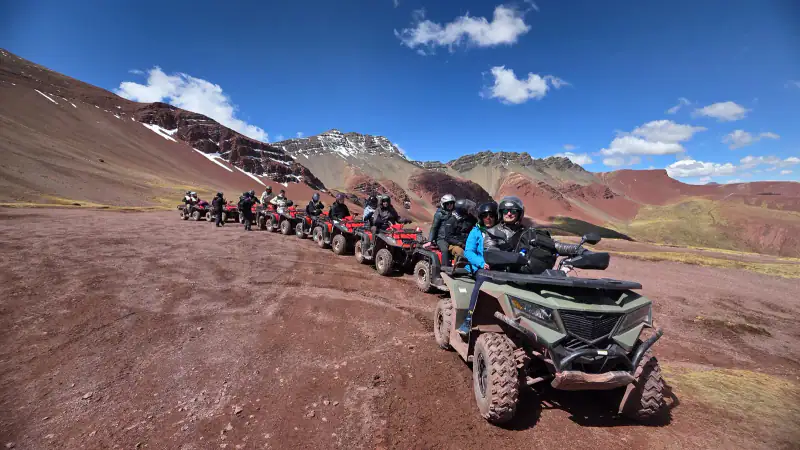
Not everyone wants, or is able, to walk for four and a half hours at 5,000 m. Two of our tours replace most of the hike with an ATV (quad bike) ride across the high plain. No licence or experience is needed: everyone gets a helmet, a 20-minute safety briefing and a practice loop on flat ground.
| Classic hike | ATV + Red Valley | ATV Express | |
|---|---|---|---|
| On foot | ≈ 4.5 h in total | ≈ 2 h in total | 5 min each way |
| Red Valley | Optional detour | Included | Not included |
| Departure | 4:00 AM | 4:00 or 6:00 AM | 6:00 AM |
| Entrance | S/30 in cash | S/30 in cash | Included |
| Price | US $35 | US $65 per quad (1 rider) · US $120 (2 riders) | US $90 per person |
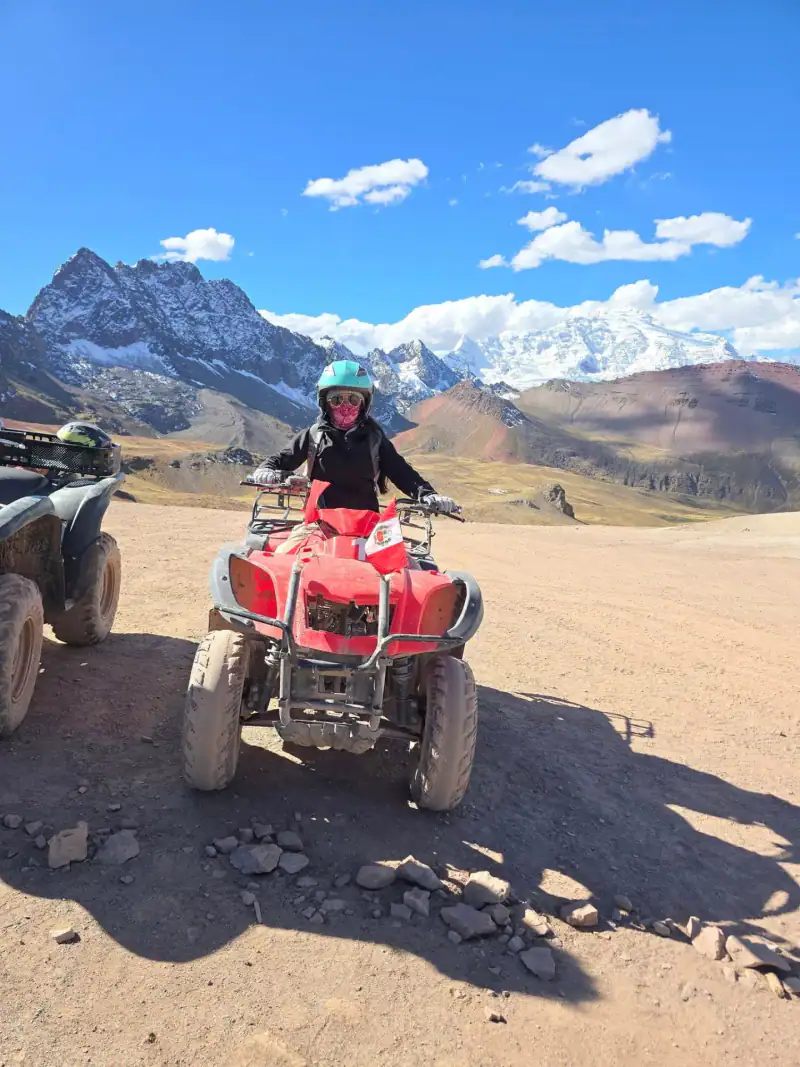
The ATV Express is ideal for older travellers, anyone with knee problems or a short trip, and families. The ATV + Red Valley tour suits people who want adventure and both landscapes with about two hours on foot. We compare them in detail in Rainbow Mountain by ATV or on foot.
Ride to Rainbow Mountain
ATV Express: five minutes on foot, entrance included, US $90.
Palcoyo and Pallay Punchu: the gentler rainbow mountains
Palcoyo (4,900 m) has three striped ridges, a “stone forest” and a fraction of Vinicunca’s visitors. The walk is short and gentle: about an hour up and an hour back on a wide path. It is the best choice for families, early days of a trip or anyone nervous about altitude. Our Palcoyo vs Vinicunca comparison helps you decide between the two.
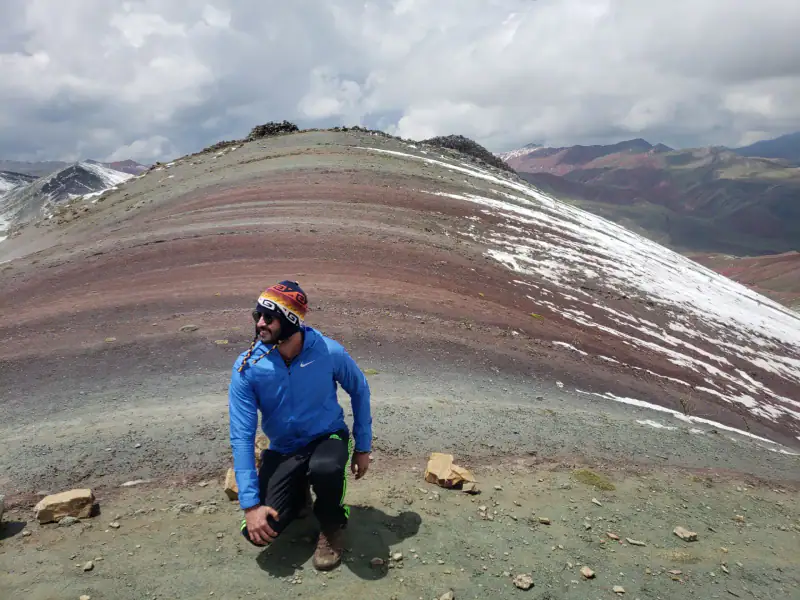
Pallay Punchu (4,770 m), the “poncho mountain”, is a sharp ridge striped like an Andean weaving. Our tour combines it with the Inca temple of Raqchi, about 45 minutes of walking each way. Read the legend of Pallay Punchu before you go.
Humantay Lake: the turquoise lake below Salkantay
Humantay Lake (4,200 m) fills a glacial bowl beneath the ice of Humantay and Salkantay. It is one of the most rewarding half-day climbs anywhere in the Andes. From the parking area at Soraypampa it is about 1.5 hours up a steady, sometimes steep path and an hour down. Horses are available for the ascent. It is lower than Rainbow Mountain, so it is a good “second hike” of a trip and excellent preparation for the Inca Trail.
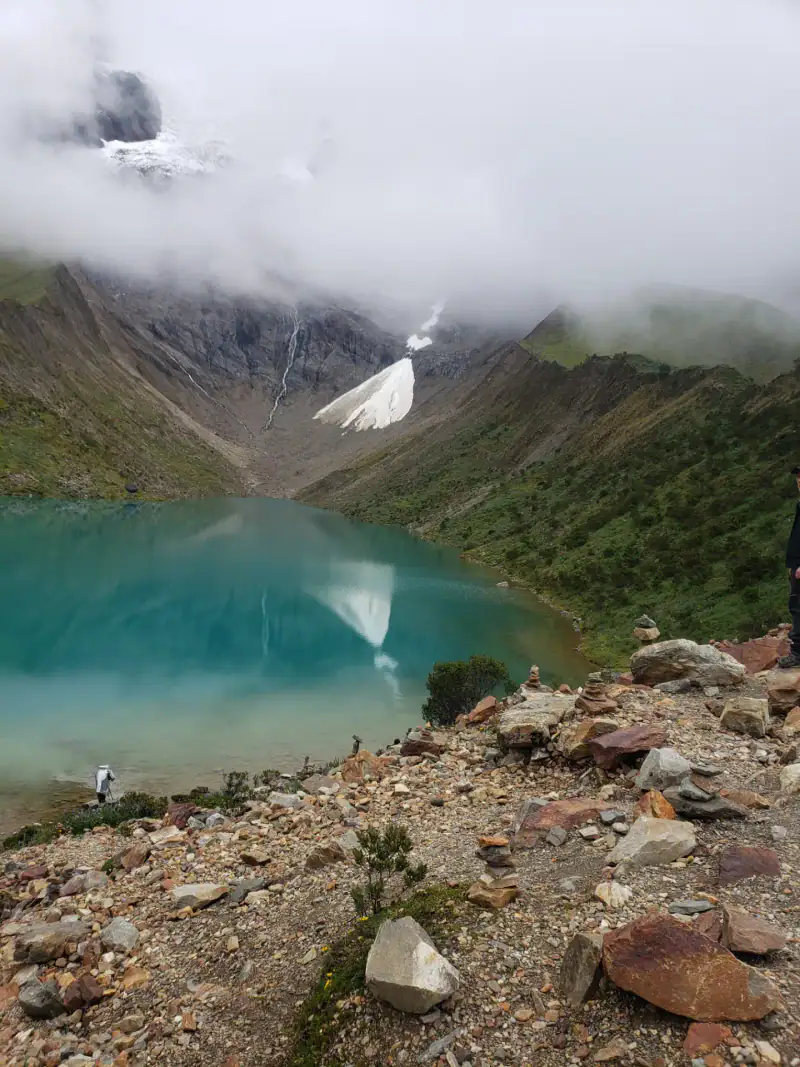
Our Humantay Lake tour costs US $40 with pickup at 4:30 AM, breakfast and a buffet lunch in Mollepata. Full details are in our Humantay Lake day trip guide.
The 7 Lagoons of Ausangate: the most varied day
On the flanks of Ausangate (6,384 m), the highest mountain in the Cusco region, a loop of about five hours passes seven glacial lagoons, each a different colour. It is mostly gentle, with one climb to about 4,700 m, and it ends at the hot springs of Pacchanta, which are included in the tour. It is a long day (15 hours door to door) but a quieter, wilder alternative to Rainbow Mountain.
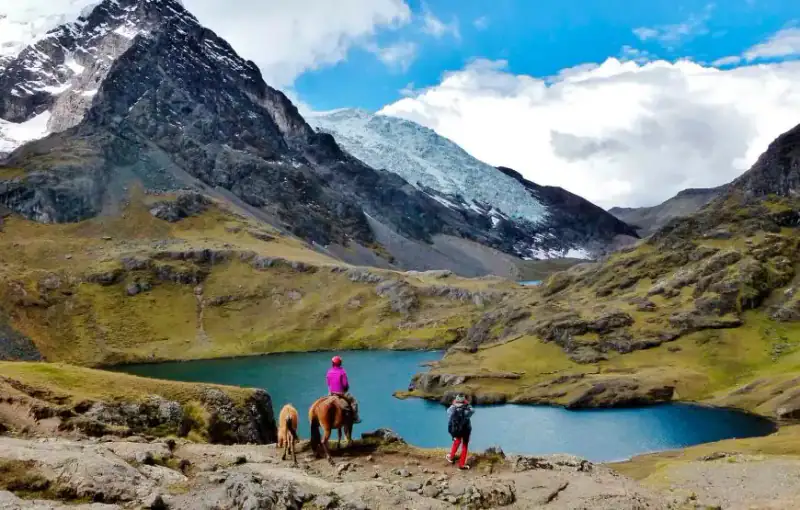
See our 7 Lagoons tour (US $40) and the 7 Lagoons guide.
Hiking to Inca sites: Huchuy Qosqo and Waqrapukara
Some of the most atmospheric Inca sites around Cusco can only be reached on foot.
- Huchuy Qosqo (“Little Cusco”) sits on a balcony 600 m above the Sacred Valley. The 12 km day trek crosses a 4,393 m pass and drops down an Inca staircase to a great hall and terraces. It is a superb day for people who want history and a real hike (US $130). Read our Huchuy Qosqo day trek guide.
- Waqrapukara, the “horned fortress”, perches above the Apurímac canyon. It is about 1.5 hours on foot each way and almost always quiet (US $50). Its story is in the legends of Waqrapukara.
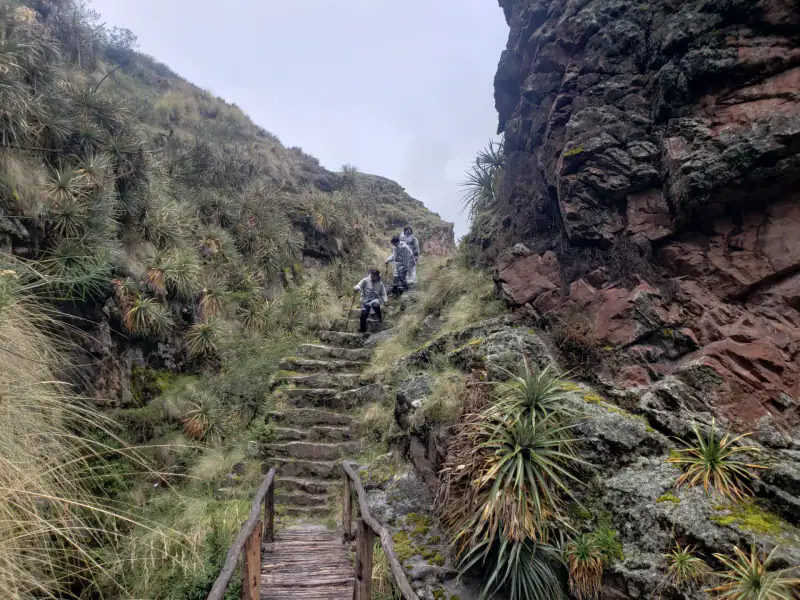
The Inca Trail: the hike of a lifetime
The Incas built roughly 30,000 km of roads across the Andes, today part of the Qhapaq Ñan UNESCO World Heritage Site. The stretch that leads to Machu Picchu is the most famous trek in South America. There are three ways to walk it, and all of them enter the citadel through the Sun Gate.
| Option | Walking | Highest point | Nights | From |
|---|---|---|---|---|
| One-day Inca Trail | 12–15 km | 2,720 m | Back in Cusco around 10 pm | US $490 |
| Short Inca Trail, 2 days | ≈ 10 km | 2,720 m | Hotel in Aguas Calientes | US $585 |
| Classic Inca Trail, 4 days | 40–45 km | 4,215 m | 3 nights camping | US $820 |
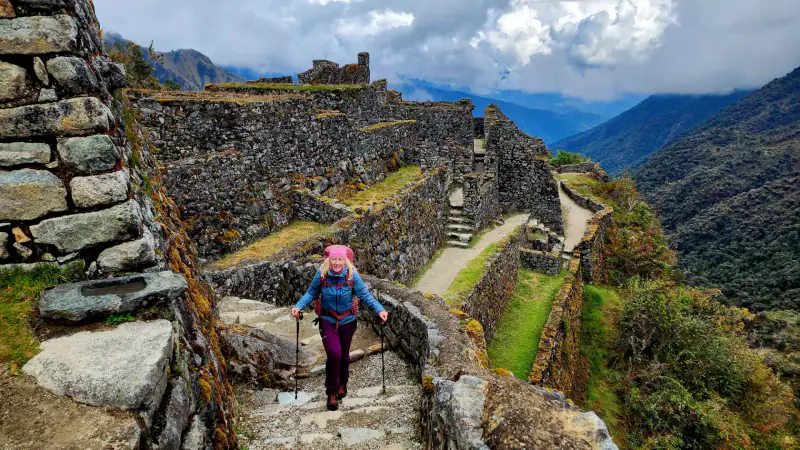
The Classic Inca Trail starts at Km 82, climbs to Dead Woman’s Pass (4,215 m) on day 2, then passes Runkurakay, Sayacmarca, Phuyupatamarca and Wiñay Wayna before sunrise at the Sun Gate. Permits are limited to about 500 people a day, guides and porters included, and are sold only through licensed operators. For May to September book four to six months ahead, and remember the trail closes every February. Check open dates in our Inca Trail permit calendar, and see our complete Inca Trail guide and short vs classic comparison.
Walk the Inca Trail
Permit, guide, porters, meals, Machu Picchu entrance and train back. From US $820.
Multi-day treks: Salkantay, Lares and Ausangate
No Inca Trail permit left, or looking for something wilder? These treks need no Inca Trail permit (except where they join the short Inca Trail at the end) and cross some of the highest passes near Cusco.
| Trek | Days | Highest point | Highlights | From |
|---|---|---|---|---|
| Salkantay Pass + Humantay | 2 | 4,650 m | Humantay Lake, Salkantay glacier, cabins | US $150 |
| Salkantay Trek | 4 | 4,630 m | Glacier to cloud forest, domes, ends at Machu Picchu | US $470 |
| Lares + Inca Trail | 4 | 4,646 m | Weaving villages, hot springs, short Inca Trail | US $820 |
| Salkantay + Inca Trail | 5 | 5,100 m | High pass, then the Sun Gate | US $850 |
| Ausangate circuit | 5 | 5,200 m | Glaciers, red mountains, remote herding communities | US $475 |
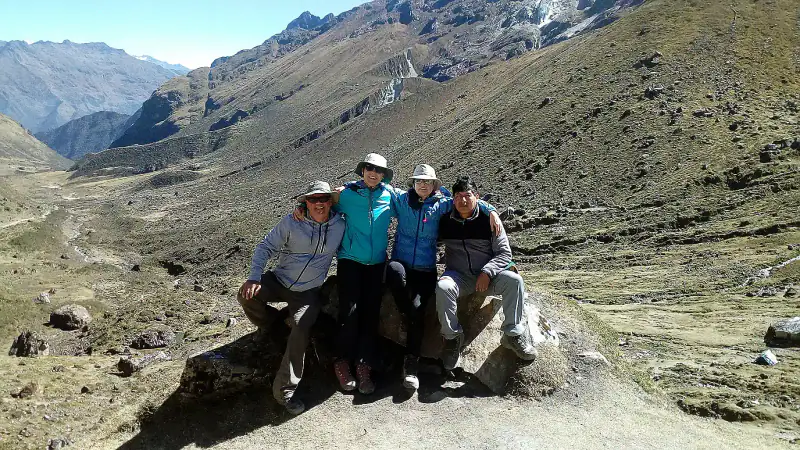
Compare them in Inca Trail vs Salkantay vs Lares and alternative treks to Machu Picchu. The Ausangate circuit is the toughest. Read the Ausangate trek guide first.
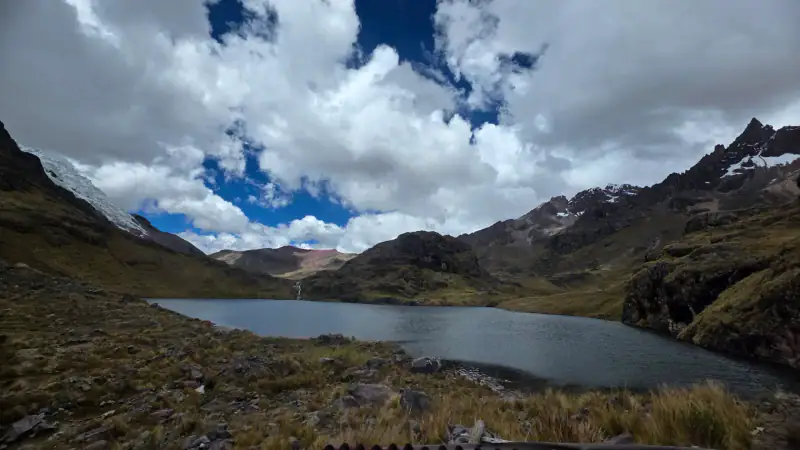
The best order: an acclimatization ladder
The order of your hikes matters as much as which ones you choose. Climb gradually, sleep low, and the altitude becomes an ally instead of an enemy.
- Day 1, Cusco (3,400 m): arrive, rest, walk slowly. No hike.
- Day 2, lower ground: the Sacred Valley (≈ 2,800 m) or a city walk.
- Day 3, first hike: Palcoyo (easy) or Humantay Lake (4,200 m).
- Day 4 or later, the big one: Rainbow Mountain, or the 7 Lagoons.
- Then the trek: start the Inca Trail, Salkantay or Ausangate with three or four days of altitude behind you.
If you only have two or three days, skip the 5,000 m hikes on foot: choose Palcoyo or the Rainbow Mountain ATV Express, and leave the long climbs for another trip.
When to hike near Cusco
| Months | Season | What to expect |
|---|---|---|
| May – September | Dry season | Clear skies, sharp colours, very cold nights and dawns; busiest months |
| April and October | Shoulder season | Mostly dry, greener, fewer people; our favourite months |
| November – March | Rainy season | Afternoon showers, mud and cloud, snow possible above 4,800 m; lush and quiet |
| February | Wettest month | The Classic Inca Trail closes for maintenance; day hikes still run |
Day hikes run all year. In the rainy season the mornings are usually the clearest, which is one more reason for early departures. See Cusco weather by month and the best time to hike the Inca Trail.
What to bring on a Cusco hike
| Item | Why |
|---|---|
| Broken-in hiking boots or trail shoes | Loose stones, mud and Inca steps |
| Layers: base layer, fleece, down jacket | From −5 °C at dawn to 20 °C at midday |
| Windproof and waterproof jacket | Wind on the passes; showers from November to March |
| Hat, gloves, buff | Essential at dawn and on ATV rides |
| Sunglasses, sun hat, SPF 50+ | UV radiation is extreme above 4,000 m |
| 1.5–2 litres of water and snacks | You dehydrate quickly at altitude |
| Walking poles | They save your knees on the descents; rentable in Cusco |
| Cash in soles | Entrances, toilets, horses and hot drinks |
| Original passport | Required for the Inca Trail and Machu Picchu |
More in our Cusco packing list and Inca Trail packing list. If you are training for a trek, see how to prepare for the Inca Trail.
Safety, guides and responsible hiking
- Go with a licensed guide. Our guides are certified, speak English and Spanish, and carry oxygen, a first-aid kit and a radio or phone.
- Turn back if you must. A worsening headache, vomiting, confusion or breathlessness at rest mean it is time to descend. Horses are available on Rainbow Mountain and Humantay for exactly this reason.
- Respect the communities. Most trails cross land owned by Andean communities, and the entrance fees fund them. Ask before photographing people and pay for photos with alpacas.
- Leave no trace. Take your rubbish back to Cusco and stay on the path. The puna grasses and the Inca walls are fragile.
- Ethical treks: on multi-day routes, check how porters are treated. Read about porter welfare on the Inca Trail.
Which hike is right for you?
| If you are… | Choose | Avoid |
|---|---|---|
| Short on time (2–3 days) | Palcoyo, Humantay or the ATV Express | Rainbow Mountain on foot on day 1 or 2 |
| Travelling with children or older relatives | Palcoyo, the ATV Express, the Sacred Valley | Long climbs above 4,500 m |
| A keen hiker with a week | Humantay → Rainbow Mountain → Classic Inca Trail | Starting the trek without acclimatizing |
| A photographer | 7 Lagoons, Rainbow Mountain + Red Valley, Ausangate | Midday departures in the rainy season |
| Into history | Huchuy Qosqo, Waqrapukara, the Inca Trail | — |
| Looking for solitude | Waqrapukara, Ausangate, Palcoyo | Vinicunca at 9:00 AM in July |
Planning a June trip? Our guide to Inti Raymi 2027 with Machu Picchu and the Inca Trail fits these hikes around the festival. For every option at a glance, see all our full-day tours from Cusco.
Frequently asked questions
For a single day, Rainbow Mountain and Humantay Lake are the most spectacular. For a multi-day trek, the Classic Inca Trail is the one most people dream of, because it is the only route that reaches Machu Picchu through the Sun Gate after four days on Inca paths.
Palcoyo. It is about an hour up and an hour down on a wide path to 4,900 m. If you do not want to hike at all, the Rainbow Mountain ATV Express leaves you a five-minute walk from the Vinicunca viewpoint.
It is moderate to hard because of the altitude, not the terrain: about three hours up to 5,030 m and 1.5 hours down. Do it after at least two or three days in Cusco. Horses can be hired at the trailhead.
Almost. With the ATV Express (US $90, entrance included) you ride a quad to a parking area just below the viewpoint and walk about five minutes each way. No licence is needed.
Rainbow Mountain, because it is higher (5,030 m against 4,200 m) and longer. Humantay is shorter but steeper, so it makes a good first hike before Vinicunca.
For the Inca Trail it is compulsory. For the day hikes it is not legally required, but transport is complicated, the trails cross community land and a guide with oxygen is the best insurance at altitude.
From May to September for dry weather and clear views, and April and October for fewer people. Day hikes run all year; the Classic Inca Trail is closed every February.
At least one full day in Cusco before any hike, and two or three before going above 4,800 m. Start with a lower or easier hike, such as the Sacred Valley, Palcoyo or Humantay.