Cusco in July and August 2027: weather, festivals, crowds and how to plan the peak of the dry season
July and August are Cusco at its brightest. Day after day of deep blue sky, almost no rain, crisp nights and the clearest mountain views of the year. They are also the busiest months: Machu Picchu, the Inca Trail and Rainbow Mountain see their biggest crowds, and Peru’s national holidays bring travellers from across the country. In between come some of the most extraordinary festivals in the Andes, from the masked dancers of Paucartambo to the August offerings to Pachamama. This guide covers what the weather is really like, which festivals fall on which 2027 dates, what sells out and how far ahead to book. It ends with a seven-day plan that makes the most of the high season without being swallowed by it.
July and August at a glance
July and August are the best months for reliable weather and the worst for crowds and last-minute booking. Book the Inca Trail four to six months ahead, Machu Picchu at least a month ahead and a hotel early. Then enjoy the sunshine, pack for frozen nights and fit in a festival.
Weather in July and August
This is the heart of the Andean dry season. A stable high-pressure system sits over the southern highlands, so the sky is usually cloudless from dawn to dusk and humidity is very low. The sun is fierce at 3,400 m, so you can wear a T-shirt at noon in the Plaza de Armas. Once the sun drops behind the hills at about 5:45 PM, the temperature falls fast, and frost on the fields around the city is normal by dawn.
| Place | Altitude | July (day / night) | August (day / night) | Notes |
|---|---|---|---|---|
| Cusco city | 3,400 m | ≈ 19 °C / 0 °C | ≈ 20 °C / 2 °C | Coldest nights of the year in July |
| Sacred Valley (Urubamba) | 2,870 m | ≈ 23 °C / 3 °C | ≈ 24 °C / 5 °C | Warmer, a good base |
| Machu Picchu | 2,430 m | ≈ 22 °C / 8 °C | ≈ 23 °C / 9 °C | Morning mist is still possible |
| Rainbow Mountain summit | 5,030 m | ≈ −2 to 11 °C | ≈ 0 to 12 °C | Strong wind in the afternoon |
| Lake Titicaca (Puno) | 3,830 m | ≈ 15 °C / −4 °C | ≈ 16 °C / −3 °C | Bitterly cold nights |
What changes between the two months? July is the coldest and most stable. August is a little warmer, gets windier in the afternoons and sometimes has a few showers in the last week. Late August and September are also when farmers traditionally burn dry fields, which can leave a light haze over the valleys on some days. For the rest of the year, see Cusco weather by month.
Check the forecast with SENAMHI, Peru’s national weather service, and the official list of national holidays on gob.pe.
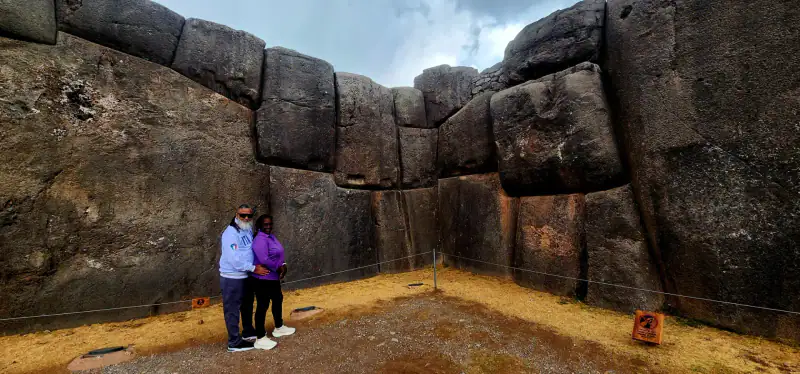
Festival calendar for July and August 2027
The dry season is festival season. These are the main dates for 2027. Religious festivals in small towns can shift by a day, so confirm with us before you travel.
| Date (2027) | Festival | Where | What to expect |
|---|---|---|---|
| 15–18 July (main day Fri 16) | Virgen del Carmen | Paucartambo (and Pisac) | Days of masked dance troupes, processions and music |
| 16 July | Virgen del Carmen | Pisac, Sacred Valley | A smaller, accessible version with dances and a procession |
| 25 July | Santiago Apóstol | Several highland communities | Local fiestas, cattle blessing |
| Wed 28 – Thu 29 July | Fiestas Patrias (Independence Day) | All of Peru | National holidays, flags everywhere, civic parades, domestic travel peak |
| Sun 1 August | Start of the Pachamama month | Across the Andes | Offerings to Mother Earth; caña con ruda drunk for good health |
| Throughout August | Pago a la tierra (offerings) | Communities, homes and businesses | Ceremonies you may be invited to on tours |
| Mon 30 August | Santa Rosa de Lima | All of Peru | National holiday; long weekend for Peruvian travellers |
June is the other great festival month, with Inti Raymi, Corpus Christi and Qoyllur Rit’i. If your trip starts in late June, read our Inti Raymi 2027 planner and Cusco in June.
Virgen del Carmen in Paucartambo: the wildest fiesta in the Andes
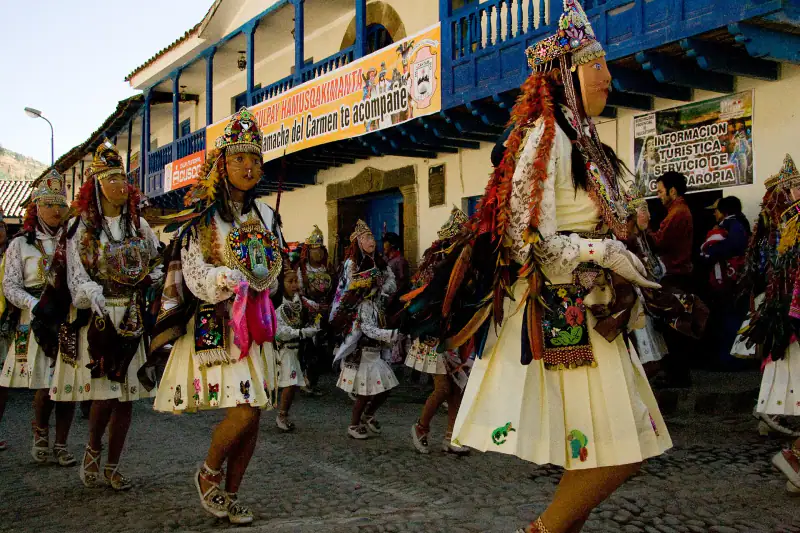
Every July the colonial town of Paucartambo, about 110 km and three to four hours east of Cusco, fills with tens of thousands of visitors for the feast of the Virgen del Carmen, known locally as Mamacha Carmen. For about four days the narrow streets and balconies host more than a dozen dance troupes. Each has its own masks, costumes, music and story.
The town and its festival are described on Wikipedia.
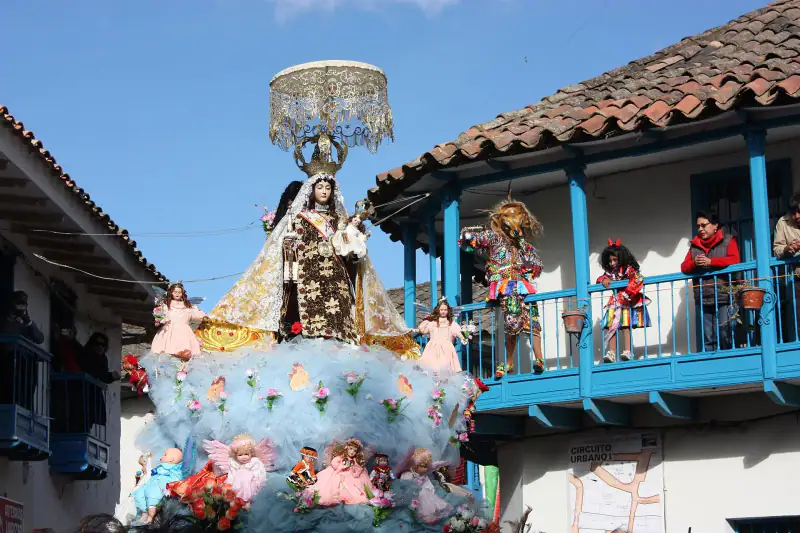
The dances retell local history and Andean beliefs with humour and drama. The Qhapaq Qolla represent traders from the high plateau of Puno. The Qhapaq Negro recall enslaved Africans brought to the colonial mines and estates. The Chunchos are the people of the Amazon forest. The Saqras, masked devils, climb on roofs and balconies trying to tempt the Virgin. The Majeños portray the swaggering muleteers and liquor traders who came from Majes, in Arequipa. On the main day the Virgin is carried through the town while the Saqras hide from her blessing. Later comes the guerrilla, a mock battle between the Qollas and the Chunchos.
Accommodation in town is very limited and is usually booked by dance troupes and families, so most visitors come on a day trip from Cusco or stay in a homestay. Roads are busy on 15–17 July, so leave early. Bring warm clothes for the night, cash and patience. Many travellers combine the fiesta with the sunrise at Tres Cruces, a viewpoint above the Amazon basin famous for its dawn light at this time of year. We can arrange private transport through our custom trip builder.
Not up for a long road trip? The same day, Pisac in the Sacred Valley celebrates its own Virgen del Carmen with a smaller version of the dances. It is easy to see on a Sacred Valley tour, and the famous market is there too.
Fiestas Patrias (28–29 July): Peru’s national holidays
On 28 July Peru celebrates its independence, declared in 1821. 29 July is the second national holiday, with the great military parade in Lima. In Cusco, red and white flags hang from every balcony and schools and institutions parade in the Plaza de Armas. Many businesses close or open shorter hours. The bigger impact for travellers is that Peruvian families travel. In 2027 the holidays fall on a Wednesday and Thursday, so many people will make a long weekend of it.
- Buses, flights and the train to Machu Picchu fill up around these dates.
- Rainbow Mountain, Humantay Lake and the Sacred Valley see their busiest days of the year.
- Hotel prices rise, so book early.
- Banks and some government offices close. Carry enough cash for two days.
August: the month of Pachamama
In the Andean calendar, August is the month when Pachamama (Mother Earth) “opens her mouth” and is hungry. It is the end of the harvest and the time to prepare the soil for planting. Families, farmers and even businesses make offerings called pago a la tierra or despacho. A small bundle is made of coca leaves, seeds, sweets, llama fat, flowers and other symbolic gifts. A paqo (Andean priest) prepares it and then burns or buries it with prayers.
On 1 August, many Cusqueños drink a shot of caña con ruda, sugar-cane spirit steeped with rue, to protect themselves from illness and the cold winds of the month. If you are offered one, it is a warm gesture. Many of our guides make a small offering of coca leaves at the start of hikes in August, and travellers are welcome to take part.
An offering is a sincere spiritual act, not a show. Ask before taking photos, follow the paqo’s instructions and accept the coca leaves you are given with both hands. Ceremonies sold as “shamanic experiences” on the street are not the same thing.
Crowds and booking: what sells out and when
July and August are the peak of international tourism in Peru. Northern-hemisphere summer holidays coincide with the best weather, and the Fiestas Patrias add Peruvian visitors. Everything still works, but you need to plan.
| What | Book how far ahead | Why |
|---|---|---|
| Inca Trail permit (4 days or 2 days) | 4–6 months, sometimes more | Strict daily cap; July and August sell out first |
| Machu Picchu with Huayna Picchu | 2–3 months | Very limited places |
| Machu Picchu entrance + train | At least 4 weeks | Named tickets and seats |
| Hotels in Cusco and Aguas Calientes | 1–3 months | Best-value rooms go first |
| Flights Lima–Cusco around 28 July | 1–2 months | Domestic demand peak |
| Rainbow Mountain, Humantay, Sacred Valley | 2–7 days | Daily departures, but groups fill up |
Check live Inca Trail availability and Machu Picchu availability before you fix your flights. Our permits and booking guide explains how the system works.
Machu Picchu in July and August
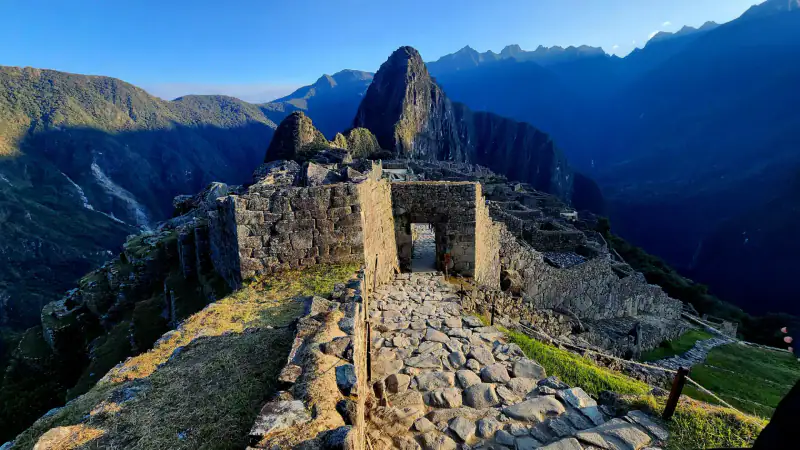
The citadel is at its sunniest and its busiest. Daily ticket caps mean it never becomes chaotic inside, but the bus queues in Aguas Calientes can be long in the early morning and the popular viewpoints get busy from 9:00 AM. Our tips:
- Sleep in Aguas Calientes with Machu Picchu 2 days and take an early bus. Light and calm at 7 AM are worth the night.
- Or choose an afternoon slot. After 1:00 PM the morning groups leave, and the light on the ruins is warm and soft.
- Pick Circuit 2 (Classic) on a first visit, and book Huayna Picchu months ahead if you want it.
- Bring sun protection. At 2,430 m the July sun burns, and there is little shade in the upper sector.
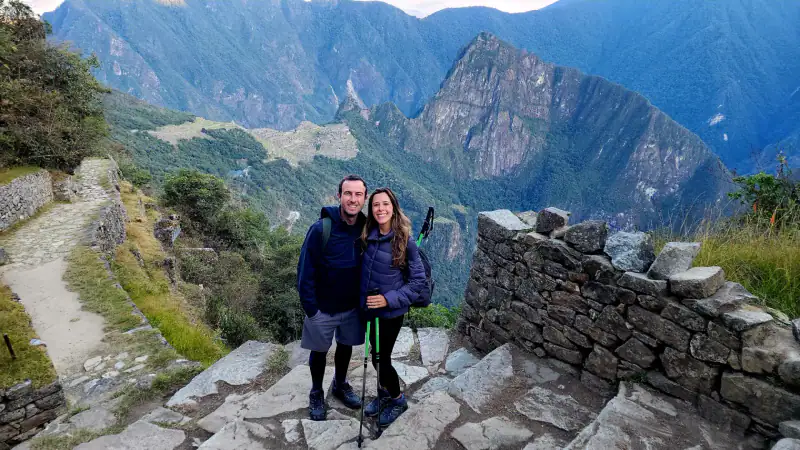
All the details are in our guides to Machu Picchu tickets and circuits and the best time to visit Machu Picchu. A day trip from Cusco costs US $375 with train, buses, entrance and guide.
The Inca Trail in July and August
Weather-wise, these are perfect months for the Classic Inca Trail: dry paths, clear views of the snow peaks from Dead Woman’s Pass (4,215 m) and starry nights in camp. The downside is cold. Campsites can drop below freezing, so a good sleeping bag rated to about −10 °C matters. And of course permits are in demand.
| Route | Days | July–August notes | From |
|---|---|---|---|
| Classic Inca Trail | 4 days / 3 nights | Book 4–6 months ahead; cold nights in camp | US $820 |
| Short Inca Trail | 2 days / 1 night | Permits go fast too; hotel night in Aguas Calientes | US $585 |
| One-day Inca Trail | 1 day | A long day, no camping | US $490 |
| Salkantay Trek | 4 days | No permit needed; freezing first night at 3,900 m | US $470 |
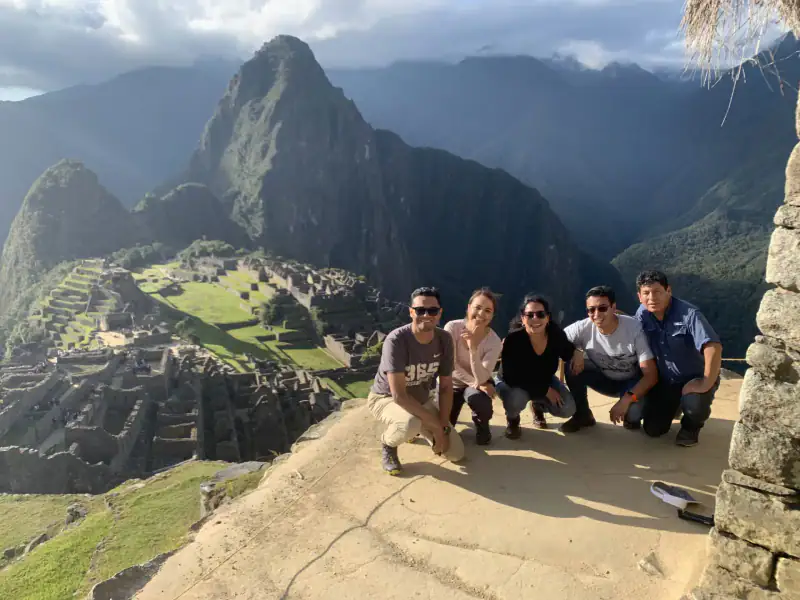
No permit left? Salkantay and Lares are excellent alternatives, compared in Inca Trail vs Salkantay vs Lares. To get ready, read how to train for the Inca Trail.
The best day trips in the dry season
Clear skies make July and August ideal for the high-altitude day trips, as long as you dress for the cold dawn starts and acclimatize first.
| Day trip | Max altitude | Why July–August | From |
|---|---|---|---|
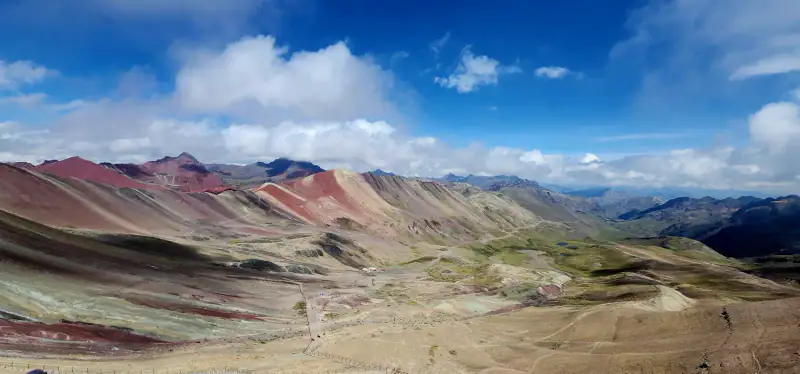
| Rainbow Mountain | 5,030 m | Driest weather, sharp colours; busy | US $35 |
| Rainbow Mountain ATV Express | 5,030 m | Less time in the freezing wind | US $90 |
| Humantay Lake | 4,200 m | Turquoise water under a cloudless Salkantay | US $40 |
| 7 Lagoons of Ausangate | 4,700 m | Glacier views; frost on the lakes at dawn | US $40 |
| Palcoyo | 4,900 m | Quieter rainbow mountain on busy days | US $45 |
| Sacred Valley | 2,800–3,700 m | Warm days; Pisac fiesta on 16 July | US $35 |
| Maras and Moray | 3,500 m | Dazzling salt pans in the dry sun | US $30 |
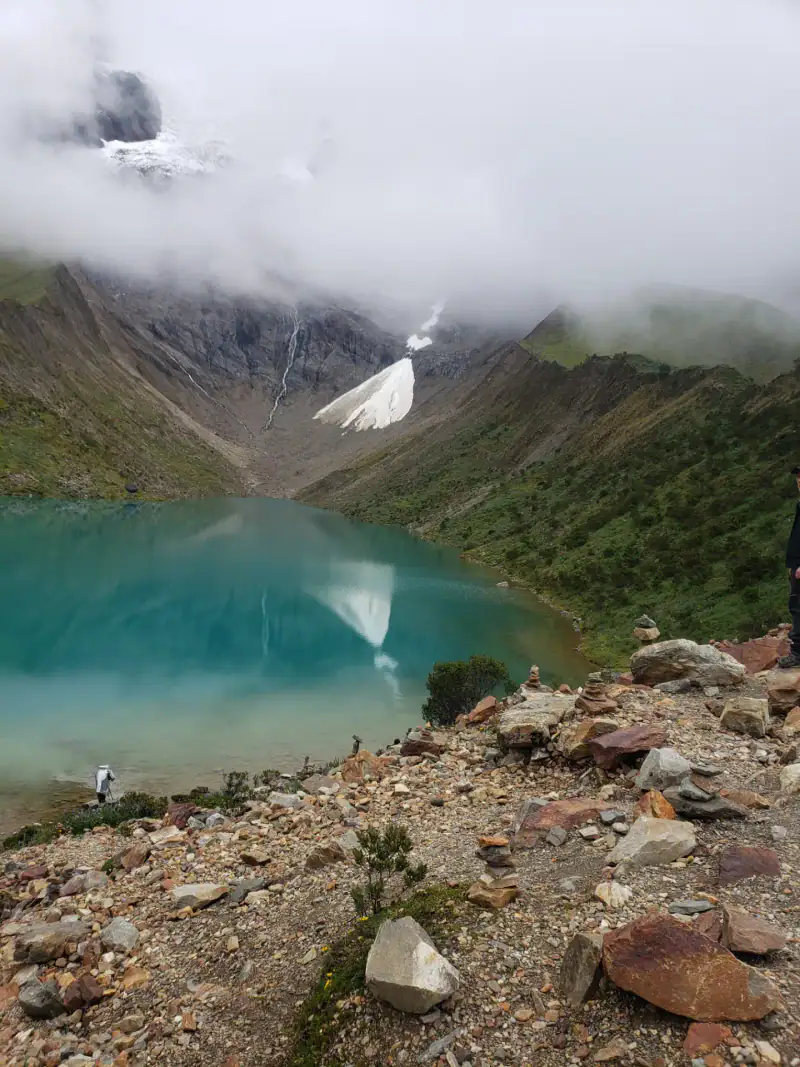
For more ideas, see the best day trips from Cusco and our guide to hiking in Cusco. For the colours month by month, read Rainbow Mountain weather by month.
A seven-day plan for July or August
This plan moves from low to high, keeps Machu Picchu in the middle and leaves room for a festival. Swap days 3 and 4 if you travel on 16 July and want to see the Pisac fiesta.
| Day | Plan | Sleep |
|---|---|---|
| 1 | Arrive, rest, afternoon City Tour (Qorikancha, Sacsayhuamán) | Cusco |
| 2 | Sacred Valley: Chinchero, Pisac, Ollantaytambo; evening train | Aguas Calientes |
| 3 | Machu Picchu at opening time, afternoon train back | Cusco |
| 4 | Maras and Moray (half day), free afternoon in San Blas | Cusco |
| 5 | Humantay Lake | Cusco |
| 6 | Rainbow Mountain or the ATV Express | Cusco |
| 7 | San Pedro market, souvenirs, departure | — |
Want it all arranged? The Cusco Highlights 7 days package covers the essentials with accommodation and tickets. Our Machu Picchu and Rainbow Mountain itinerary gives shorter 3, 4 and 5-day versions.
What to pack for July and August
Think four seasons in one day: summer sun at noon, winter at night.
| Item | Why |
|---|---|
| Warm down or synthetic jacket | Nights near 0 °C; many Cusco hotels have no central heating |
| Thermal base layers and a warm hat | Early starts for Rainbow Mountain, Humantay and the Inca Trail |
| Gloves | Pre-dawn bus rides and summits |
| Sunscreen SPF 50, sunglasses, sun hat | Very high UV every day |
| Lip balm and moisturizer | The air is extremely dry; nosebleeds and cracked lips are common |
| Light layers and T-shirts | Warm afternoons in the Sacred Valley and Machu Picchu |
| Insect repellent | Sandflies at Machu Picchu and in Aguas Calientes |
| Reusable water bottle | Stay hydrated at altitude |
The complete list is in our Cusco packing list, with what to pack for the Inca Trail for trekkers.
Altitude, cold and dry air
The dry season adds two things to the usual altitude advice: cold and very dry air. Drink more water than you think you need, at least two to three litres a day, because you lose a lot through breathing. Use a lip balm with SPF and saline nasal spray if your nose gets dry. Sleep warm. Ask your hotel for an extra blanket or a heater, as most Cusco buildings have thick walls and no central heating.
Take your first day slowly, have coca tea, eat light and avoid alcohol for the first 24 hours. Leave the highest excursions, such as Rainbow Mountain, for later in your stay. Our altitude sickness guide has the full advice, and is Cusco safe? covers staying safe in the busy season.
July or August: which is better?
| July | August | |
|---|---|---|
| Weather | Coldest, most stable, almost no rain | Slightly warmer, windier, a few late-month showers |
| Festivals | Virgen del Carmen (15–18), Fiestas Patrias (28–29) | Pachamama offerings all month, Santa Rosa (30) |
| Crowds | Very high, peaking at the end of the month | Very high in the first half, easing after mid-month |
| Inca Trail | Perfect, permits very hard to get | Perfect, permits very hard to get |
| Best for | Festival lovers, clear-sky photographers | Travellers who want slightly milder nights |
Honestly, both are excellent. If you can, aim for the first half of July or the second half of August, which avoids the Fiestas Patrias rush while keeping the dry-season weather. Not sure how long to stay? Read how many days in Cusco and where to stay in Cusco.
Travelling in July or August?
Secure your Machu Picchu and Inca Trail dates now, and we will build the rest of your trip around them.
Frequently asked questions
Yes. July is one of the driest and sunniest months, with clear mountain views and the Virgen del Carmen and Fiestas Patrias festivals. It is also very busy and cold at night, so book early and pack warm layers.
Days reach about 19–20 °C in the sun, but nights fall to around 0–3 °C, with frost on clear nights. At Rainbow Mountain and on the Inca Trail campsites it is well below freezing before dawn.
Very little. August averages only about 10 mm of rain for the whole month, mostly in the last week. Afternoons can be windy.
From about 15 to 18 July 2027, with the main day on Friday 16 July. Pisac in the Sacred Valley also celebrates the Virgen del Carmen on 16 July.
They are the busiest months, but daily ticket caps keep the site manageable. Book at least a month ahead, sleep in Aguas Calientes for an early entry, or choose an afternoon slot.
Four to six months, sometimes more. July and August permits are usually the first to sell out. If they are gone, consider the Salkantay or Lares treks.
They are Peru’s national independence holidays. There are flags, school and civic parades, closed banks, and a big increase in Peruvian travellers on buses, trains, flights and popular day trips.
In the Andes, August is the month when Mother Earth is believed to be open and hungry before planting. Families make offerings called pago a la tierra, and on 1 August many people drink caña con ruda for good health.
Cover photo: dancers at the Virgen del Carmen festival in Paucartambo. Photo: Ricardo Sánchez / Wikimedia Commons, CC BY 2.0.