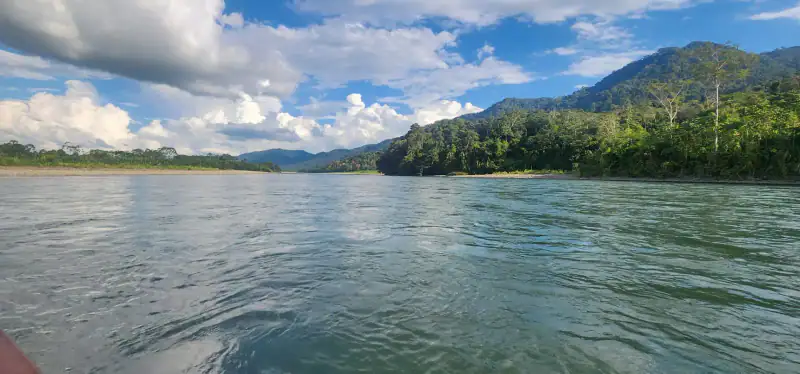
The Peruvian Amazon: Manu, Tambopata or Iquitos? A complete guide to choosing your jungle
More than half of Peru is rainforest. Most travellers never see it, because the Andes, Cusco and Machu Picchu fill their trip, yet the Peruvian Amazon is one of the best places on Earth to see wild nature: macaws by the hundred at a clay lick, giant otters fishing in an oxbow lake, monkeys crossing the canopy, pink dolphins in a black-water river. The question is where to go. Peru has three main gateways, and they are very different trips. Manu is reached by road from Cusco across cloud forest; Tambopata is a short flight from Cusco or Lima to Puerto Maldonado; Iquitos is a river city on the Amazon itself, reached only by plane or boat. This guide compares them on what really matters, wildlife, access, days, cost and season. It closes with sample itineraries, health and packing advice, and an honest verdict from our team in Cusco.
Manu, Tambopata and Iquitos at a glance
| Manu | Tambopata | Iquitos | |
|---|---|---|---|
| Region | Cusco and Madre de Dios (south) | Madre de Dios (south) | Loreto (north) |
| Gateway | Cusco, by road | Puerto Maldonado, by air from Cusco or Lima | Iquitos, by air from Lima |
| Getting to the lodge | 8–10 h by road through cloud forest, then river | 30 min to 4 h by boat from Puerto Maldonado | 1–3 h by boat or road; cruises leave from Nauta |
| Landscape | Andes to lowland: cloud forest and rainforest | Lowland rainforest, oxbow lakes, clay licks | The Amazon river, flooded forest, black-water lakes |
| Stars | Cock-of-the-rock, birds, monkeys, the journey itself | Macaw clay licks, giant otters, canopy towers | Pink river dolphins, river life, Pacaya-Samiria |
| Minimum days | 3 days (cultural zone) | 3 days / 2 nights | 3–4 days; cruises 3–7 nights |
| Best for | Travellers based in Cusco who want the cloud forest and no flights | Short trips with high wildlife value | Amazon river cruises and a jungle city |
| Combine with Cusco | Directly, by road | Easily, with a 1-hour flight | Via Lima; needs extra days |
If you are already in Cusco and want to see the change from the Andes to the jungle without a flight, choose Manu. If you have three days and want the best wildlife for the time, choose Tambopata. If your dream is the Amazon river itself, a boat cruise and pink dolphins, choose Iquitos.
Understanding the Peruvian Amazon
Peru’s Amazon covers roughly 60% of the country, more than any other region, but only a small share of Peruvians live there. It is not one uniform jungle. Coming down from the Andes, you cross several distinct belts of forest, and each holds different wildlife.
| Zone | Altitude | What it looks like | Where to see it |
|---|---|---|---|
| Puna and high Andes | 3,500–4,000 m | Grassland, ichu grass, the last view of the mountains | The Acjanaco pass on the road to Manu |
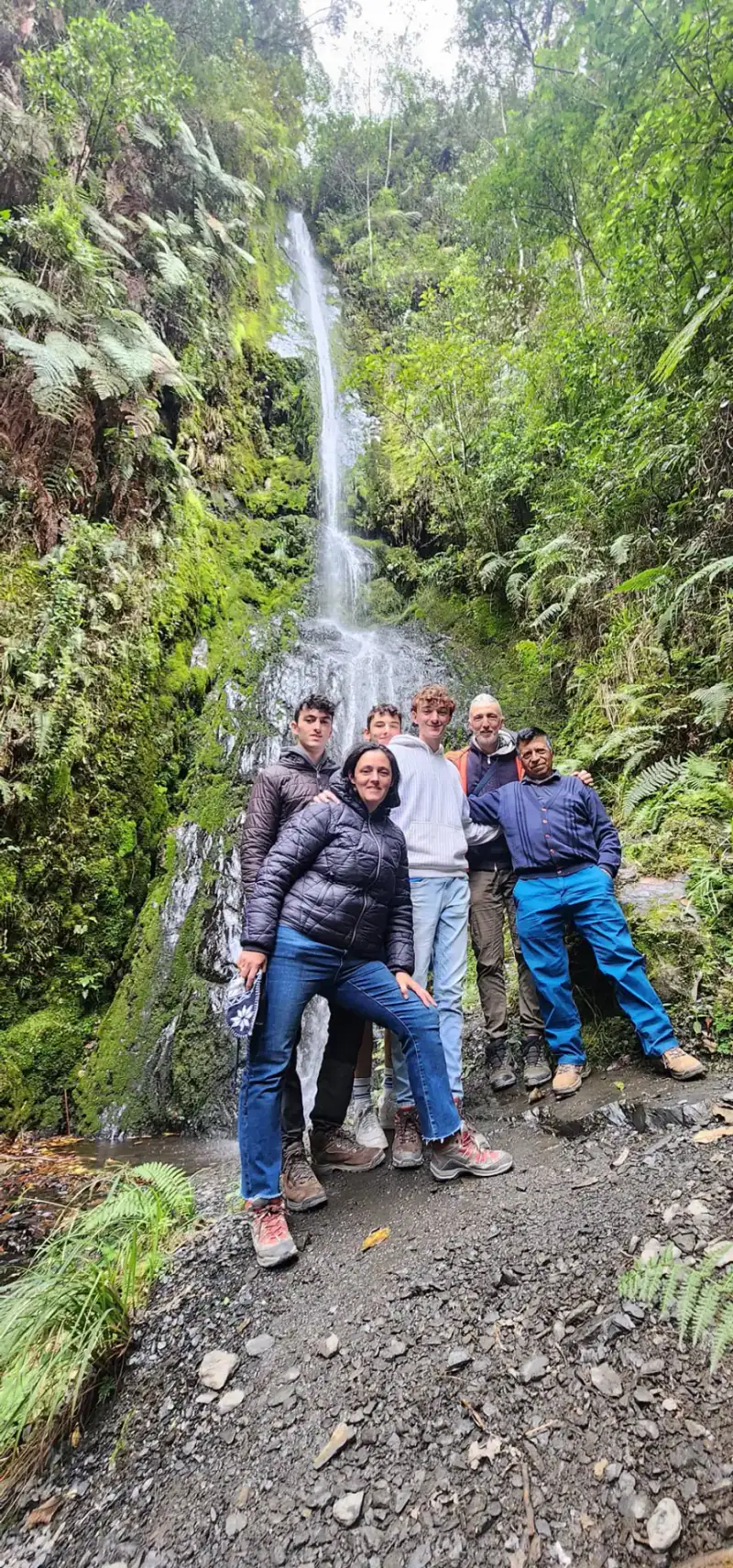
| Cloud forest | 1,500–3,500 m | Mossy trees, orchids, waterfalls, fog | The Manu road (Kosñipata valley) |
| Foothill forest | 500–1,500 m | Steep green hills, rivers with rapids | Lower Manu road, around Pillcopata |
| Lowland rainforest | 150–500 m | Tall forest, oxbow lakes, wide brown rivers | Manu lowlands, Tambopata, Iquitos |
| Flooded forest | 100–150 m | Forest that stands in water for months | Iquitos and Pacaya-Samiria |
That gradient is why Manu is so rich: a single protected area spans almost the whole range, which is why it holds more than a thousand bird species. It is also why Manu feels like a journey, while Tambopata and Iquitos drop you straight into the lowlands.
The southern Amazon (Manu and Tambopata) and the northern Amazon (Iquitos) also have different rhythms. In the south, the year splits into a dry and a rainy season. Around Iquitos it rains all year, and what changes is the river level, which can rise and fall by around ten metres between seasons.
Manu: from the Andes to the jungle by road
Manu National Park was created in 1973 and became a UNESCO World Heritage Site in 1987. Together with its buffer areas it forms the Manu Biosphere Reserve, about the size of a small country, stretching from Andean peaks at almost 4,000 m down to lowland forest at around 300 m. Scientists consider it one of the most biodiverse places on the planet.
The three zones of Manu
Knowing the zones avoids disappointment, because tours of different lengths go to very different places.
| Zone | Access | Typical trip | What you get |
|---|---|---|---|
| Cultural zone (buffer) | Open to visitors with a tour or independently | 3–4 days from Cusco | Cloud forest, cock-of-the-rock, lodges, clay licks, lagoons, rivers |
| Reserved zone | Only with an authorised operator and permit | 7–8 days from Cusco | Pristine lowland lakes such as Cocha Salvador, giant otters, more large mammals |
| Intangible zone (national park core) | Closed to tourism; research and indigenous peoples only | Not visitable | Protection for isolated communities and wildlife |
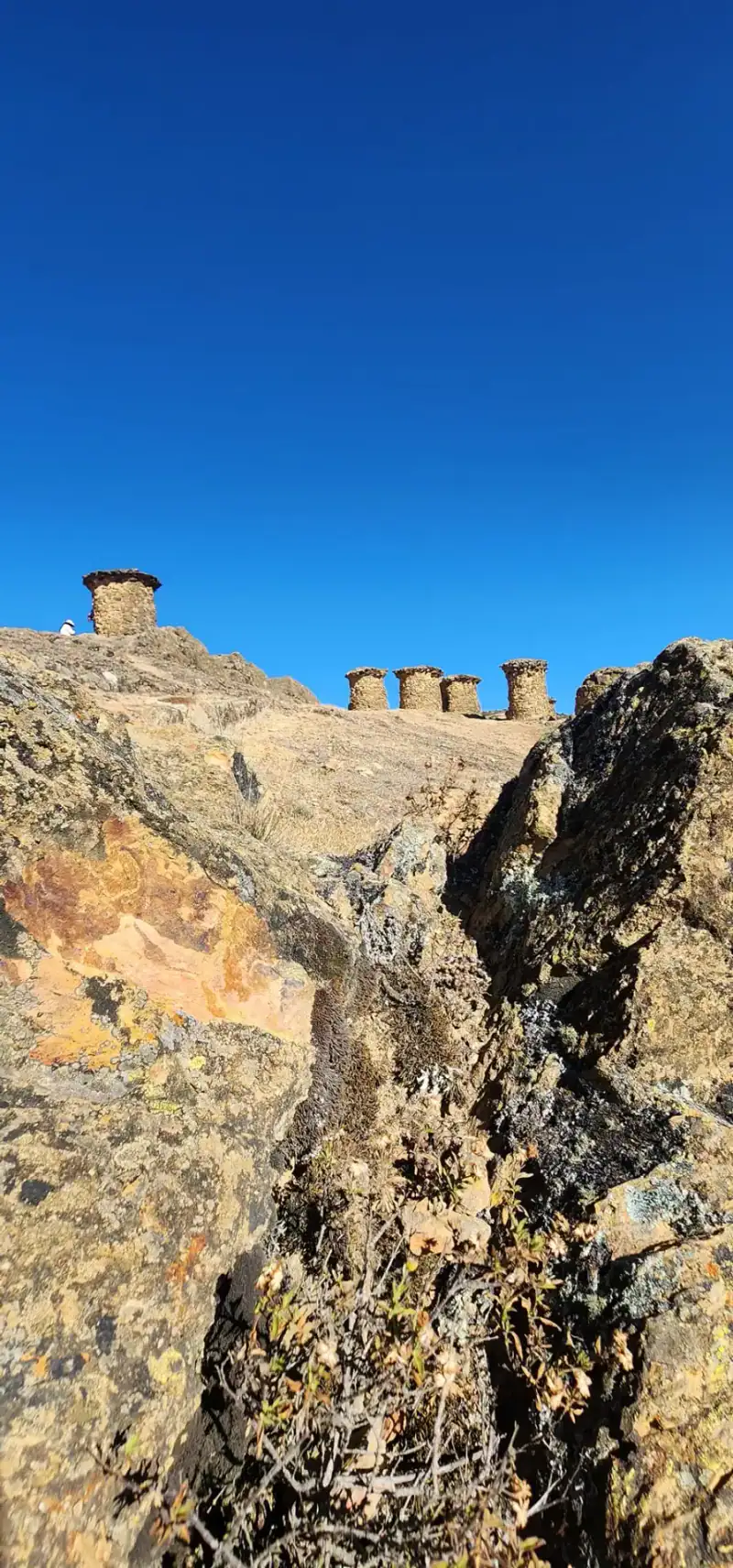
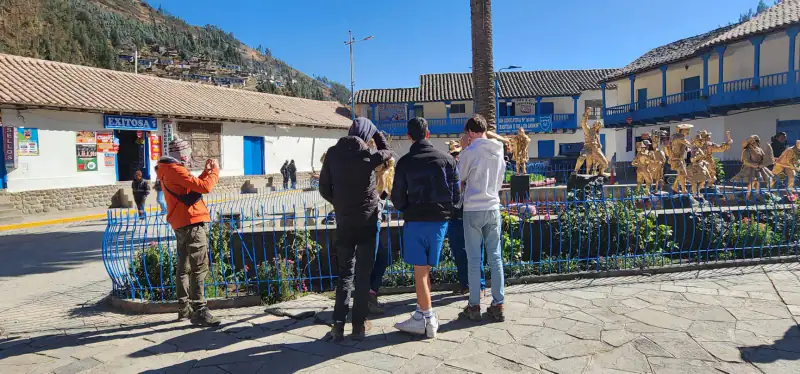
Our Manu Jungle 3-day and Manu Amazon 4-day tours explore the cultural zone. The magic of these trips is the descent itself. You leave Cusco before dawn and pass the colonial town of Paucartambo and the pre-Inca burial towers of Ninamarca. From the Acjanaco pass you look out over a sea of cloud. Then the road drops more than 3,000 m through the cloud forest, where you have a good chance of seeing the scarlet Andean cock-of-the-rock, Peru’s national bird, at its display ground.
In the lowlands you stay in a jungle lodge and spend the days on the river and on forest trails. Typical activities include a dawn visit to a parrot clay lick, a canoe trip on the Machuhuasi lagoon, a night walk for frogs, insects and spiders, and an optional zip line or rafting. With four days you also get a full day of birding and a night search for caimans.
Who Manu suits
- Travellers already in Cusco who want to avoid flights.
- Birdwatchers: the altitude range is unbeatable.
- People who enjoy the journey as much as the destination; the road is long but spectacular.
What to accept: the drive is long (8–10 hours each way, with stops), and in the cultural zone you see fewer large mammals than in the remote reserved zone. For wildlife in detail, see our Manu wildlife guide and the day-by-day guides to the 3-day and 4-day trips.
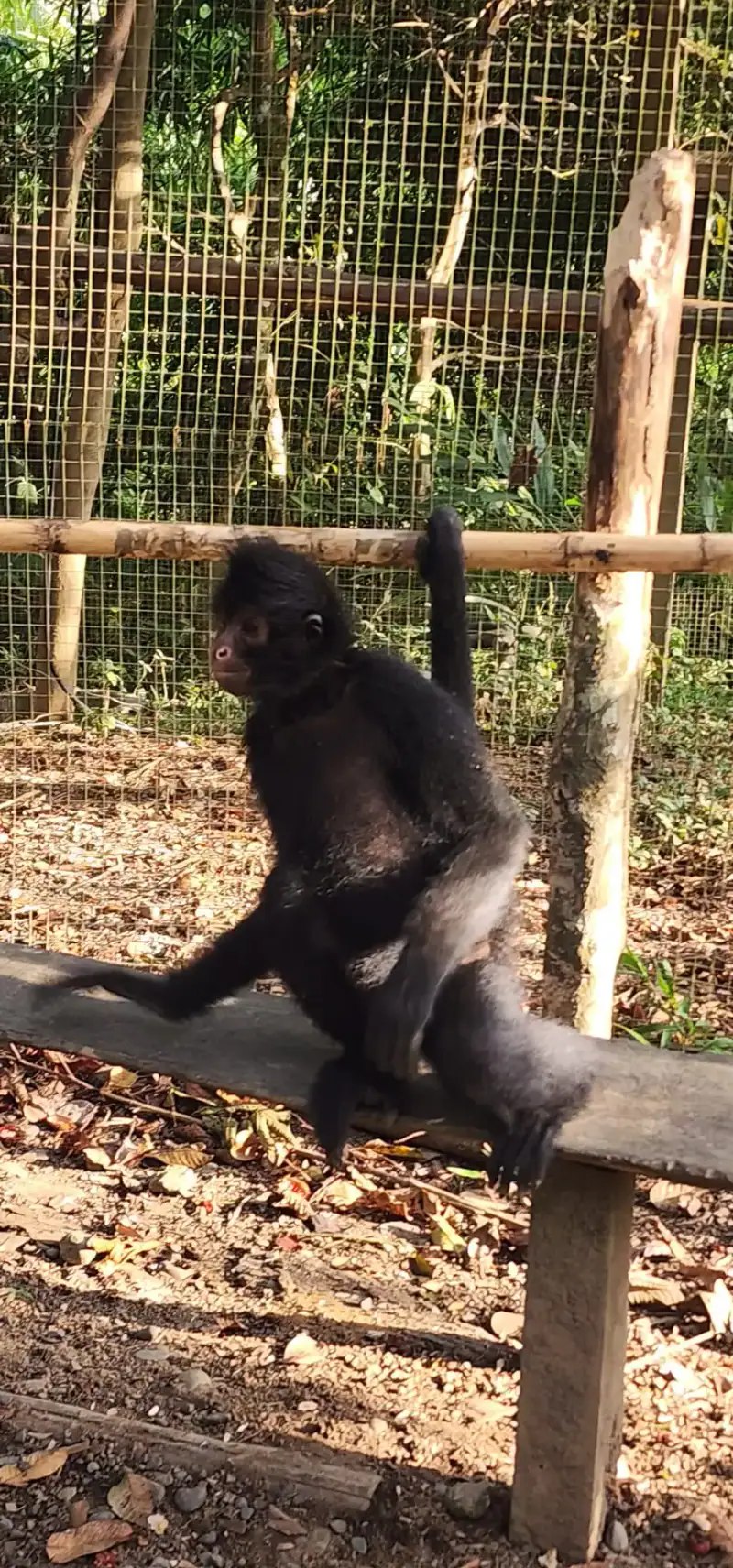
See Manu from Cusco
Three or four days by road from Cusco: cloud forest, clay lick, Machuhuasi lagoon and a jungle lodge, from US $390.
Tambopata: the quickest great jungle
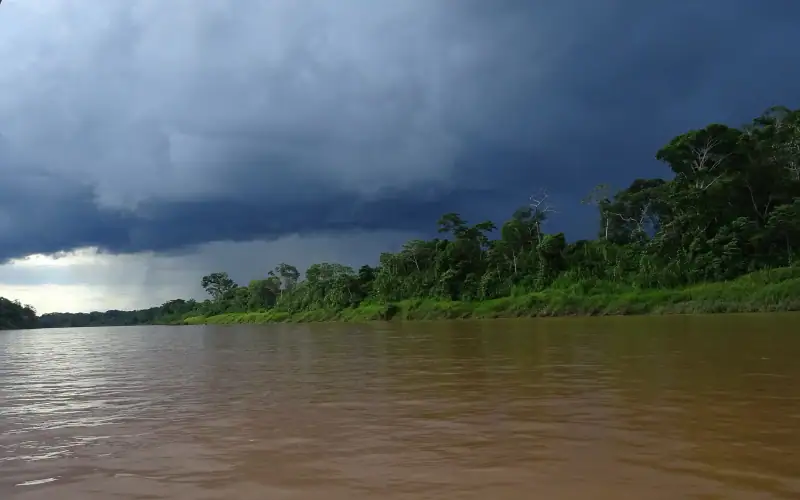
Tambopata National Reserve, created in 2000, covers about 275,000 hectares of lowland rainforest in Madre de Dios, next to the much larger Bahuaja-Sonene National Park. Its gateway is Puerto Maldonado, a lively frontier town about an hour’s flight from Cusco and under two hours from Lima. Lodges are spread along the Madre de Dios and Tambopata rivers, from 30 minutes to four hours by motor canoe.
Tambopata is famous for its clay licks (collpas), riverbanks where parrots and macaws gather at dawn to eat clay. On a good morning, hundreds of birds, red-and-green macaws, blue-and-yellow macaws, scarlet macaws and smaller parrots, fill the air with colour and noise. The largest clay licks are deep in the reserve and need a lodge several hours upriver; closer licks are smaller but still memorable.
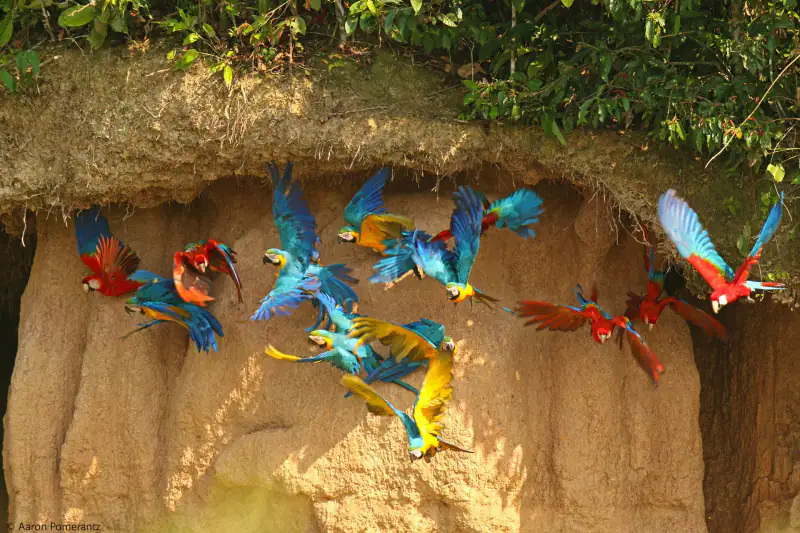
The other highlight is Lake Sandoval, an oxbow lake reached by boat and a short walk from Puerto Maldonado, where a family of giant otters is often seen fishing. Many lodges also have canopy towers or walkways that lift you 30–40 m into the treetops, where toucans, tanagers and monkeys live.
Who Tambopata suits
- Travellers with only three days for the jungle.
- Anyone who wants to see macaws at a clay lick and giant otters.
- Families: short transfers and comfortable lodges.
What to accept: you skip the Andes-to-jungle journey, and you need flights. Madre de Dios also suffers from illegal gold mining in some areas off the main routes; choose a lodge inside or next to the reserve and you will see primary forest, not mining scars.
Iquitos: the Amazon river and the jungle city
Iquitos is a city of several hundred thousand people that cannot be reached by road. It is often called the largest city in the world with no road connection to the outside. You arrive by plane from Lima (about 1 h 45 min) or by a multi-day river boat. It sits on the Amazon near the point where the Marañón and Ucayali rivers join to form it, and it feels like nowhere else in Peru: motocarros instead of cars, rubber-boom mansions with Portuguese tiles, and the floating houses of Belén.
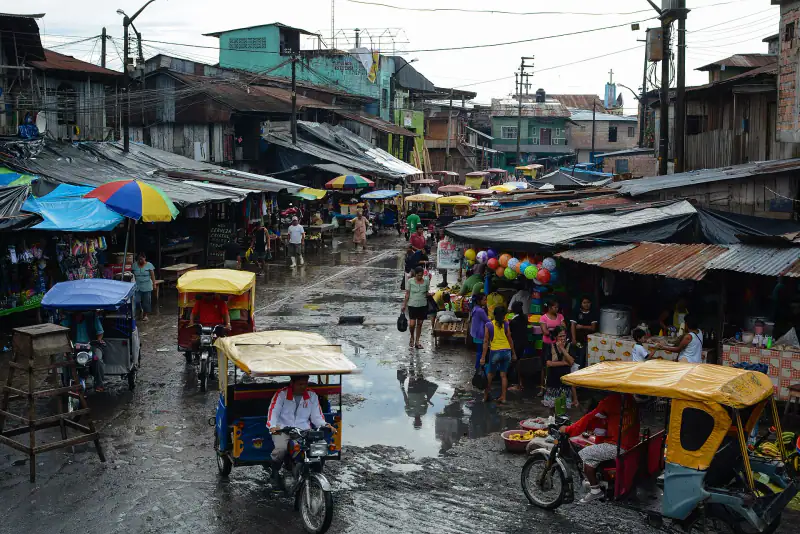
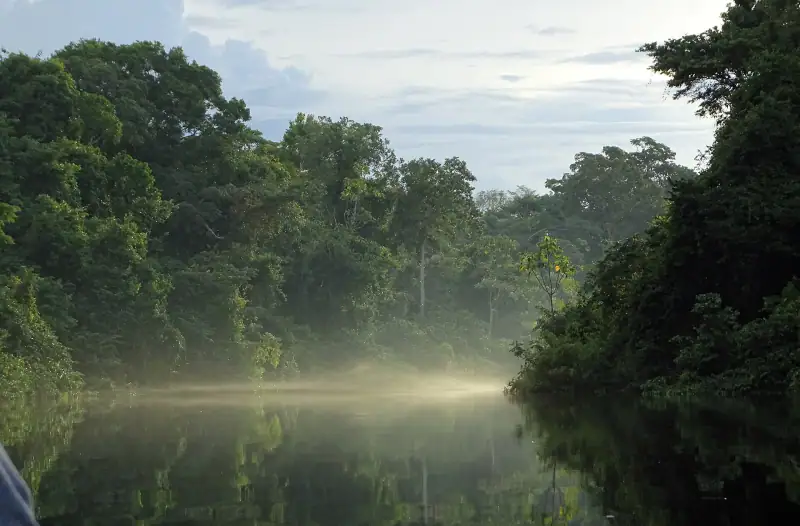
From Iquitos you can stay at a lodge on the Amazon or its tributaries, or join a river cruise. Cruises usually leave from Nauta, two hours south, for the Pacaya-Samiria National Reserve, a vast area of flooded forest of about two million hectares between the Marañón and Ucayali rivers. It is known as “the jungle of mirrors” for its still black-water lakes. Here you look for pink river dolphins and grey dolphins, giant water lilies, sloths, monkeys and an extraordinary range of water birds.
Who Iquitos suits
- Travellers who want the Amazon river itself and a boat-based trip.
- Those interested in river life, markets and a unique jungle city.
- Travellers with more time, or visiting northern Peru.
What to accept: Iquitos does not combine easily with Cusco: you usually fly via Lima, which adds a day each way. Wildlife close to the city is thinner, so go at least two hours out. Malaria risk is also higher than in the southern Amazon.
Wildlife: what you can see, and where
Nothing in the jungle is guaranteed; animals hide, and the forest is dense. But each destination has its stars. This table reflects what our guides and travellers typically report on trips of three to five days.
| Animal | Manu (cultural zone) | Tambopata | Iquitos / Pacaya-Samiria |
|---|---|---|---|
| Macaws and parrots at clay licks | Good (parrot licks) | Excellent | Fair |
| Andean cock-of-the-rock | Very good | No | No |
| Monkeys (several species) | Good | Good | Good |
| Giant otters | Fair (better in reserved zone) | Good (Lake Sandoval, oxbow lakes) | Rare |
| Caimans | Good on night outings | Good | Good |
| Pink river dolphins | No | No | Very good |
| Sloths | Fair | Fair | Good |
| Capybaras | Fair | Good on riverbanks | Fair |
| Frogs, insects, spiders at night | Excellent | Excellent | Excellent |
| Jaguar, tapir | Rare (luck in the reserved zone) | Rare (deep lodges, clay licks) | Very rare |
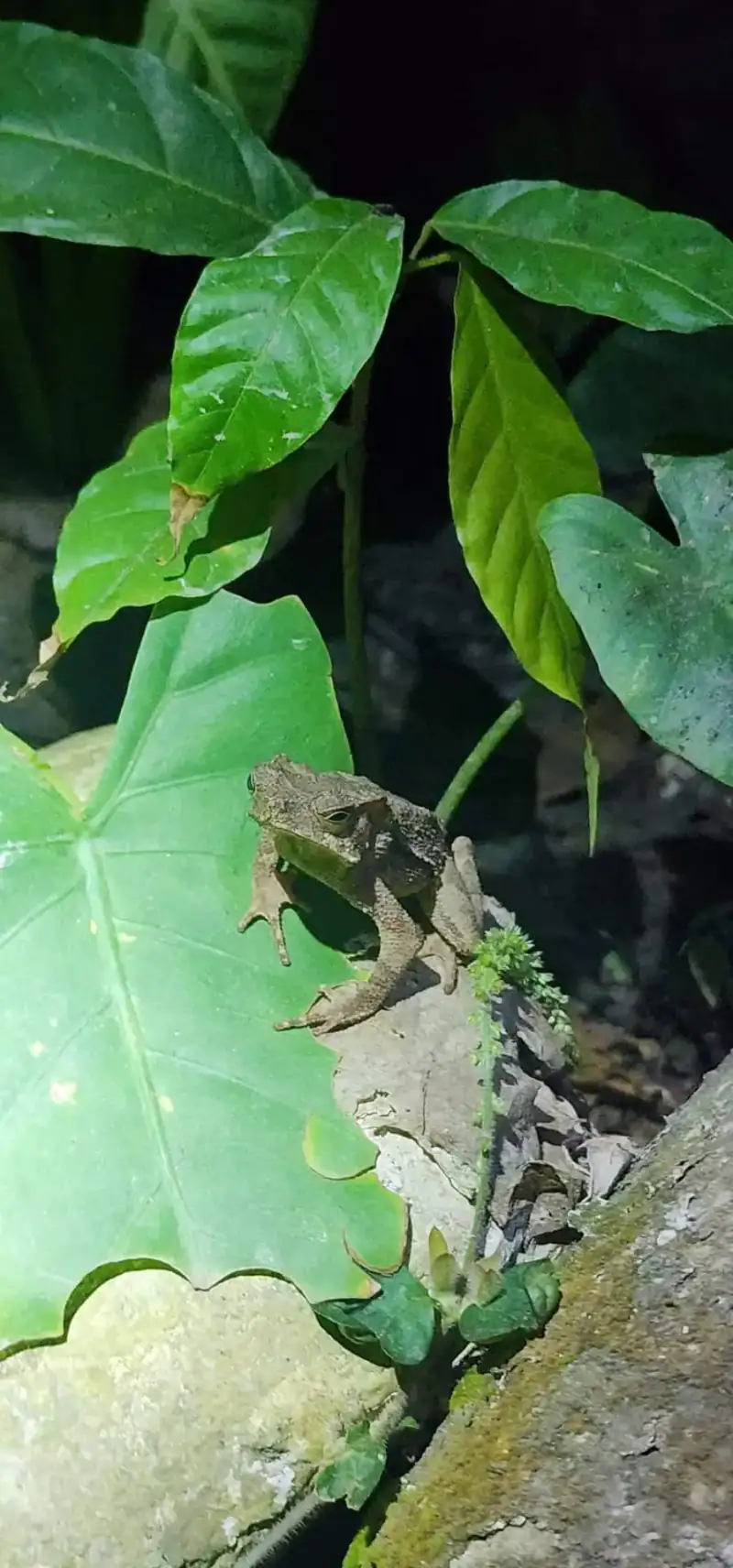
Two tips raise your chances everywhere: get up early, because the forest is most active from dawn to about 9 AM, and bring binoculars, as most birds and monkeys are high in the canopy. Night walks are often the most surprising part of the trip.
When to go to the Peruvian Amazon
The jungle is open all year, but conditions change. In the southern Amazon (Manu and Tambopata) the dry season, from May to October, brings easier trails, fewer mosquitoes and the best clay-lick activity in many years. From June to August, cold fronts called friajes can drop the temperature to 10 °C for a few days, so bring a warm layer. The rainy season, from November to April, brings heavy afternoon storms, muddy trails and lush, green forest; trips still run.
Around Iquitos, rain falls all year, and the river level matters more. From about December to May, high water lets boats glide into the flooded forest and get closer to monkeys and birds. From about June to November, low water exposes beaches and trails, which is better for hiking and fishing and concentrates dolphins in the channels.
| Month | Manu and Tambopata | Iquitos |
|---|---|---|
| January–March | Rainy; muddy trails; green and quiet | High water; boat access deep into the flooded forest |
| April | End of rains; good value | Highest water; excellent canoe trips |
| May | Start of dry season; excellent | Water starts to drop |
| June–August | Dry and sunny; possible cold friajes; busiest | Low water begins; more trails open |
| September–October | Dry, hot; excellent clay licks; birds nesting | Lowest water; beaches, dolphins in channels |
| November–December | Rains return; fewer visitors | Water rising again |
Remember that the Andes have their own calendar: the dry season in Cusco is also May to October. If you want to combine Machu Picchu, Rainbow Mountain and the jungle, those months suit all three. See the best time to visit Peru.
How many days, and sample itineraries
Three days is the sensible minimum anywhere, because the first and last days are partly travel. Four or five days give you a far richer experience.
Manu in 3 days (from Cusco)
- Day 1. Early departure from Cusco; Paucartambo and the Ninamarca towers; the Acjanaco pass; descent through the cloud forest, looking for the cock-of-the-rock; overnight at a lodge.
- Day 2. Into the lowlands; boat on the Madre de Dios river; Machuhuasi lagoon by canoe; optional zip line; night walk.
- Day 3. Dawn at the parrot clay lick, then the long road back to Cusco, arriving in the evening.
Tambopata in 3 days / 2 nights (from Cusco or Lima)
- Day 1. Morning flight to Puerto Maldonado; boat to the lodge; afternoon forest walk; night caiman search.
- Day 2. Dawn at a clay lick; Lake Sandoval or an oxbow lake for giant otters; canopy tower at sunset.
- Day 3. Early bird walk, boat back and flight to Cusco or Lima.
Iquitos in 4 days
- Day 1. Fly from Lima; city walk, the Belén market and the waterfront; transfer to a lodge on the Amazon.
- Day 2. Dolphin watching by boat; visit to a riverside community; night canoe trip.
- Day 3. Jungle walk with medicinal plants; fishing for piranhas; giant water lilies.
- Day 4. Sunrise birding, return to Iquitos and fly to Lima.
With five to eight days, consider Manu’s reserved zone, a deep Tambopata lodge near one of the great clay licks, or a 4–7 night Amazon cruise into Pacaya-Samiria. These are the trips where large mammals become a real possibility.
A day at a jungle lodge
First-timers often ask what they will actually do all day. The rhythm of a jungle lodge follows the animals, not the clock, and it is the same in Manu, Tambopata and Iquitos.
| Time | What usually happens |
|---|---|
| 4:30–5:00 AM | Wake-up call and coffee; the forest is waking too |
| 5:00–8:00 AM | The best outing of the day: a clay lick, a lake by canoe or a birding walk |
| 8:00–9:00 AM | Breakfast back at the lodge |
| 9:30 AM–12:00 | Forest walk with your guide: medicinal plants, giant trees, tracks, insects |
| 12:00–3:00 PM | Lunch and rest in the hottest hours; hammocks, reading, a shower |
| 3:30–6:00 PM | Afternoon activity: canopy tower, boat trip, lake, community visit |
| 6:00 PM | Sunset; the night chorus of frogs and insects begins |
| 7:00–8:00 PM | Dinner, then a night walk or a caiman search by boat |
| 9:00 PM | Bed under the mosquito net; generators are often off by 10 PM |
Lodges range from simple, rustic places with shared bathrooms to comfortable eco-lodges with private bungalows and hot water. Almost all have screened rooms or mosquito nets, filtered water and meals cooked on site. Electricity may run only for a few hours each evening, and Wi-Fi is limited or absent: for many travellers, that switch-off is part of the joy. Tell the lodge in advance about diets and allergies, because supplies arrive by boat.
How much does an Amazon trip cost?
Prices depend on the length of the trip, the lodge’s comfort and how deep into the forest it is. These are typical ranges per person in a shared group, with transport from the gateway, lodging, meals and guiding.
| Trip | Typical price per person | Usually includes | Extra costs |
|---|---|---|---|
| Manu 3 days (cultural zone) | From about US $390 | Transport from Cusco, lodge, meals, guide | Tips, drinks, optional zip line |
| Manu 4 days (cultural zone) | From about US $420 | As above, plus a day of birding | Tips, drinks |
| Manu 7–8 days (reserved zone) | US $1,500–2,500 | Road and river transport, camping or lodges, park fees | Return flight if offered |
| Tambopata 3 days / 2 nights | US $350–800 | Boat transfers, lodge, meals, guide | Flights (often US $100–250 each way), reserve fee |
| Tambopata deep lodge, 4–5 days | US $900–2,000 | Long boat transfers, big clay lick | Flights |
| Iquitos lodge, 3–4 days | US $400–1,000 | Transfers, lodge, meals, guide | Flights from Lima |
| Iquitos river cruise, 3–7 nights | US $1,500–6,000+ | Cabin, meals, excursions in skiffs | Flights, tips |
Manu’s big advantage on cost is that there is no flight: the road from Cusco is included. For a full budget for Peru, see how much a Peru trip costs.
Combining the Amazon with Cusco and Machu Picchu
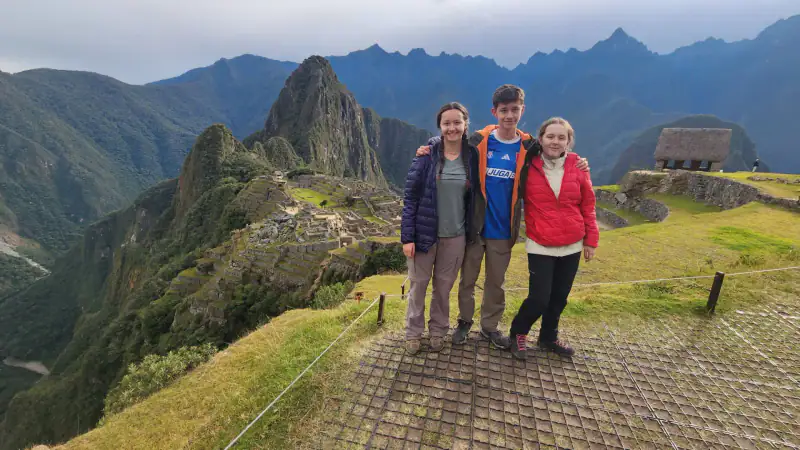
Most of our travellers fit the jungle into a trip built around Cusco. The order matters for the altitude: going down to the jungle after a few days in Cusco is pleasant and gives your body a rest. Coming back up to 3,400 m after the jungle is fine for most people, but avoid planning Rainbow Mountain the day after you return.
| Plan | Days | Route |
|---|---|---|
| Cusco + Manu | 8–9 | Cusco and Sacred Valley (3), Machu Picchu (1–2), Manu by road (3–4), back in Cusco |
| Cusco + Tambopata | 8–9 | Cusco, Sacred Valley and Machu Picchu (5), fly to Puerto Maldonado (3), fly to Lima home |
| Lima + Iquitos + Cusco | 11–12 | Lima (1), Iquitos (4), Lima, Cusco, Sacred Valley and Machu Picchu (5–6) |
The Tambopata plan is the most efficient: you finish the trip in Puerto Maldonado and fly to Lima for your international connection, without returning to Cusco. With Manu, you return to Cusco by road. Our full guide to the Andes and the Amazon in one trip has a 9-day sample itinerary, and our custom trip builder lets you put it together day by day.
Health and safety in the jungle
Yellow fever. Vaccination is recommended for all three destinations, at least ten days before you travel. Some countries ask for the certificate if you arrive from Peru; see our Peru travel requirements guide.
Malaria and dengue. The risk of malaria is highest in Loreto (Iquitos); it is low in the tourist areas of Manu and Tambopata, but ask a travel clinic about prevention for your exact route. Dengue is spread by day-biting mosquitoes. In every case the best protection is the same: long sleeves, long trousers, repellent with DEET or picaridin, and a mosquito net, which every good lodge provides.
Water and swimming. Drink only the purified water the lodge provides. Swim only where your guide says it is safe: rivers have currents, and some lakes have caimans and stingrays.
Plants and animals. Do not touch trees, vines or animals without asking; some ants, caterpillars and palms sting. Always walk with your guide, especially at night, and wear closed shoes or the rubber boots the lodge lends you.
Iquitos is a centre for ayahuasca ceremonies. They are legal in Peru, but the brew can interact dangerously with medicines, especially antidepressants, and the quality and honesty of “retreats” vary enormously. If you are considering it, research carefully, never accept it casually from strangers, and tell someone where you are going.
What to pack for the Amazon
Pack light, because boats and small planes have weight limits. Most lodges let you store your main luggage in Cusco or Puerto Maldonado and take only a soft bag.
| Item | Why |
|---|---|
| Long-sleeved shirts and long trousers, quick-dry, light colours | Protection from mosquitoes and sun; light colours attract fewer insects |
| Insect repellent (DEET 30–50% or picaridin) | The single most important item |
| Rain jacket or poncho | Rain can fall in any month |
| Warm fleece | Friajes in June–August, and early boat rides are chilly |
| Binoculars | Most wildlife is high in the canopy |
| Headlamp with spare batteries | Night walks and lodges with limited electricity |
| Dry bags and zip-lock bags | For your phone, camera and documents on the boat |
| Sun hat, sunglasses, sunscreen | Rivers reflect strong sun |
| Closed shoes or sandals with straps | Lodges usually lend rubber boots for trails |
| Reusable water bottle | Lodges refill with purified water |
| Passport and yellow fever card | Checked at park entrances and needed for some onward travel |
| Cash in soles, small notes | Tips, drinks and community crafts |
For the Andean part of your trip, use our Cusco packing list.
Travelling responsibly in the Amazon
The Peruvian Amazon is under pressure from logging, roads and illegal mining. Tourism, done well, is one of the forest’s best defences, because it makes a standing forest worth more than a cleared one. A few choices make a real difference.
- Choose lodges that work with local communities, employ local guides and buy local food. In Manu, communities such as the Matsiguenka; in Tambopata, the Ese Eja; around Iquitos, Bora, Yagua and Cocama communities.
- Never hold or photograph wild animals for money. Monkeys, sloths and parrots on the shoulder of a tourist in a market have almost always been taken from the wild.
- Do not buy products made from wildlife: feathers, skins, teeth or shells.
- Keep your distance from wildlife, especially giant otters and clay licks; good guides keep boats and groups back.
- Carry out your plastic, and use refillable bottles.
Our verdict: which jungle should you choose?
There is no single best jungle, only the best one for your trip. Answer these four questions and the choice is usually clear.
- Are you building the trip around Cusco and Machu Picchu? Then Manu (by road) or Tambopata (by a short flight) fit naturally. Iquitos means an extra trip through Lima.
- How many days do you have for the jungle? With three days and a wish for maximum wildlife per hour, Tambopata wins. With three or four days and no wish to fly, Manu is the answer. With five or more, consider Manu’s reserved zone or a Pacaya-Samiria cruise.
- What do you most want to see? Macaws at a clay lick: Tambopata. The cloud forest and the cock-of-the-rock: Manu. Pink dolphins and the Amazon river: Iquitos.
- What is your budget? Manu’s cultural zone is the most affordable because no flights are needed. Cruises from Iquitos are at the top of the range.
For most of our travellers, who come to Peru for Cusco and Machu Picchu and want a taste of the Amazon, the answer is Manu for the journey and the cloud forest, or Tambopata when time is tight. Either way, you will go home having seen both faces of Peru: the mountains and the rainforest.
Go from Cusco to the Amazon
Manu Jungle 3 days from US $390 or Manu Amazon 4 days from US $420, with transport from Cusco, lodge, meals and a naturalist guide.
Frequently asked questions
It depends on your trip. Manu is best if you are in Cusco and want to travel by road through the cloud forest; Tambopata gives the most wildlife in a short trip, with famous macaw clay licks; Iquitos is best for the Amazon river itself, cruises and pink dolphins.
Manu offers the journey from the Andes to the lowlands, the cloud forest and outstanding birding, with no flights from Cusco. Tambopata is quicker to reach by plane and is excellent for clay licks and giant otters. Wildlife in Manu’s remote reserved zone is the best of all, but needs 7–8 days.
Yes. Manu is reached by road from Cusco in 8–10 hours, and Tambopata by a flight of about an hour to Puerto Maldonado. Iquitos usually requires a connection through Lima.
Three days is the minimum, because the first and last days involve travel. Four or five days give a much better experience, and remote areas such as Manu’s reserved zone need seven or eight.
In Manu and Tambopata, the dry season from May to October is best, with easier trails and active clay licks. In Iquitos it rains all year: high water (December–May) is good for boat trips into the flooded forest, low water (June–November) for hiking.
It is not required to enter Peru, but it is recommended for all Amazon destinations, at least ten days before travel. Some countries ask for the certificate if you arrive from Peru.
It is possible but rare. Jaguars are seen most often on long trips to remote areas such as Manu’s reserved zone or deep Tambopata lodges, usually on riverbanks in the dry season. Expect monkeys, macaws, caimans and many birds instead.
Yes, with a reputable operator. Follow your guide, use repellent and long clothes, drink only purified water and swim only where it is safe. Be cautious about informal ayahuasca offers in Iquitos.
Around Iquitos and in the Pacaya-Samiria National Reserve, on the Amazon, Marañón and Ucayali rivers. They do not live in the rivers of Manu or Tambopata.
Yes, especially Tambopata, where transfers are short and lodges are comfortable. Children love canoe trips, canopy towers and night walks. For Manu, the long road from Cusco suits children who travel well by car; ask your doctor about vaccines for young children.
Most lodges have electricity for a few hours in the evening, often from solar panels or a generator, and limited or no Wi-Fi. Bring a power bank and download what you need before you go.
Photos from Wikimedia Commons: macaws at a clay lick, Photo: The Next Gen Scientist / Wikimedia Commons, CC BY 2.0; Tambopata River, Photo: andy_king50 / Wikimedia Commons, CC BY-SA 3.0; Belén, Iquitos, Photo: M M from Switzerland / Wikimedia Commons, CC BY-SA 2.0; Pacaya-Samiria, Photo: Sucram Yef / Wikimedia Commons, CC BY 2.0. All other photos: INKANET ADVENTURE.