Visiting Cusco in the rainy season
The rainy season in Cusco (roughly November to March) has a bad reputation, but the reality is more nuanced — and for some travellers it's the best time to go. Lush green landscapes, far fewer crowds and lower prices are real advantages. Here's an honest look at what to expect and how to plan around the weather.
What the rainy season is really like
Cusco's wet season doesn't mean all-day downpours. Mornings are often clear and bright, with rain typically arriving in the afternoon as showers or thunderstorms. Temperatures are actually a touch milder than the dry season. The exception is January and February, the wettest months, when rain is heavier and more frequent.
| Month | Rain level | Notes |
|---|---|---|
| Nov | Light–moderate | Shoulder; often a great time |
| Dec | Moderate | Festive, green, occasional showers |
| Jan–Feb | Heaviest | Wettest; Inca Trail closed in Feb |
| Mar | Easing | Green and quiet as rain tapers off |
The real upsides
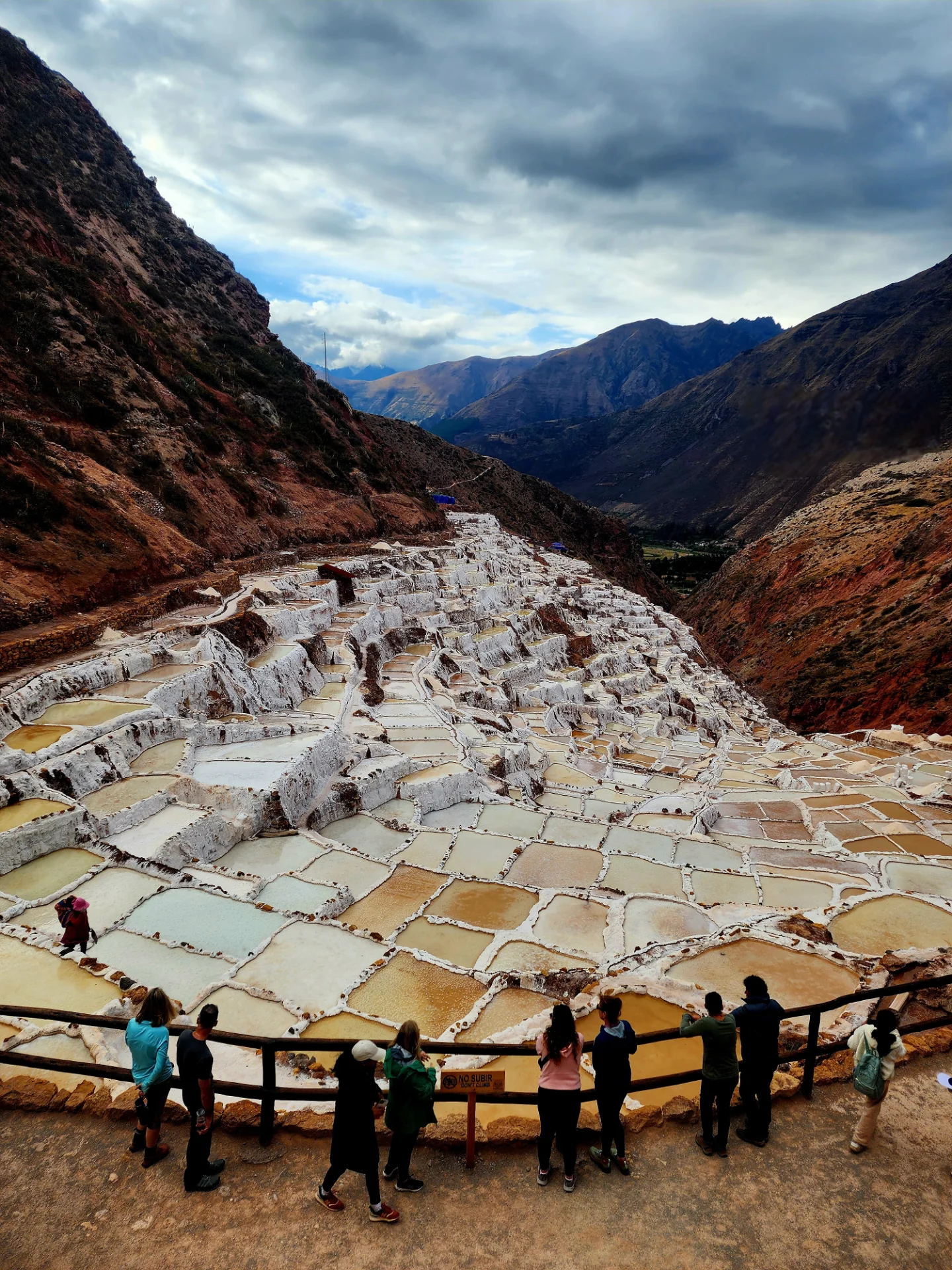
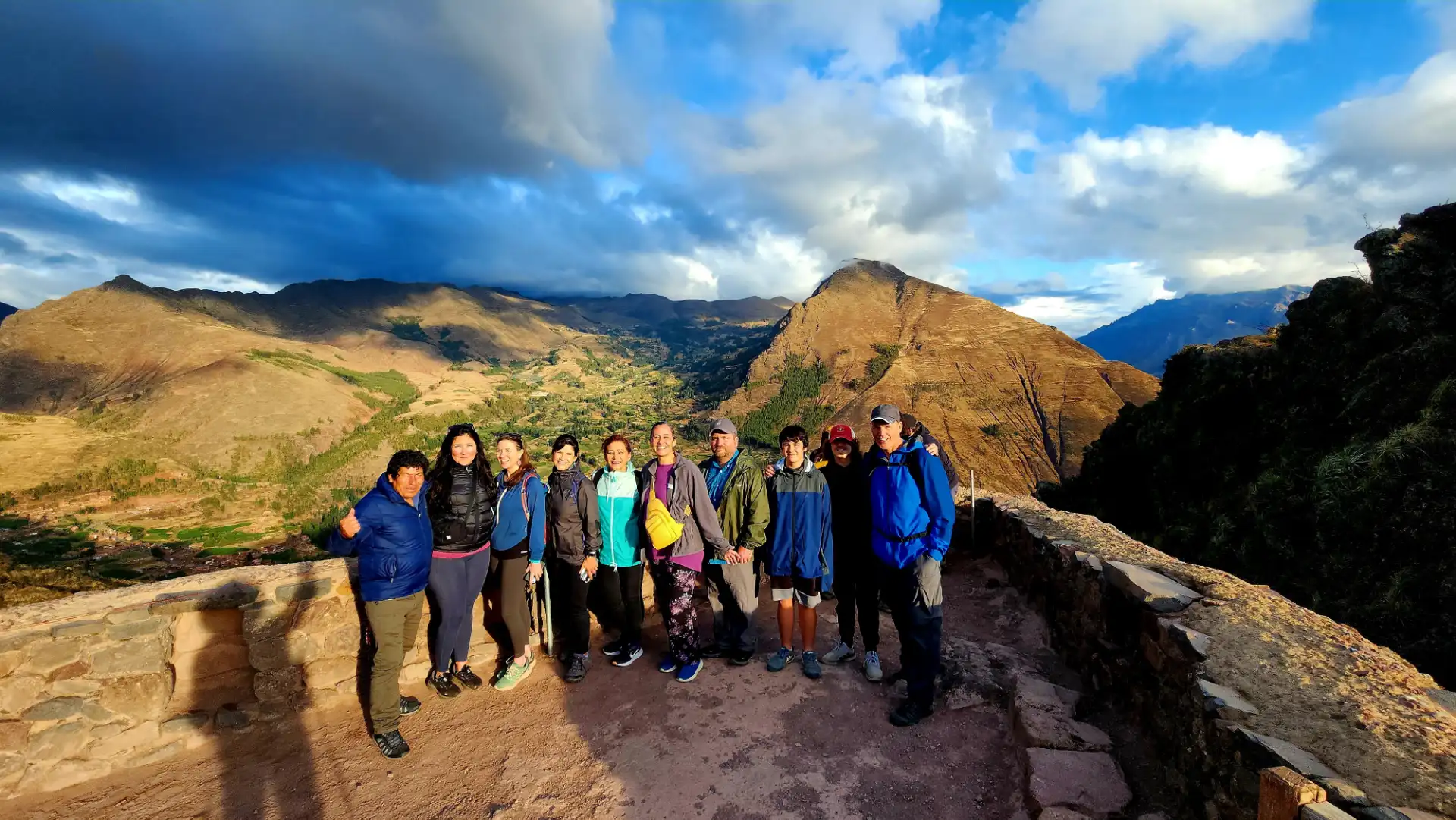
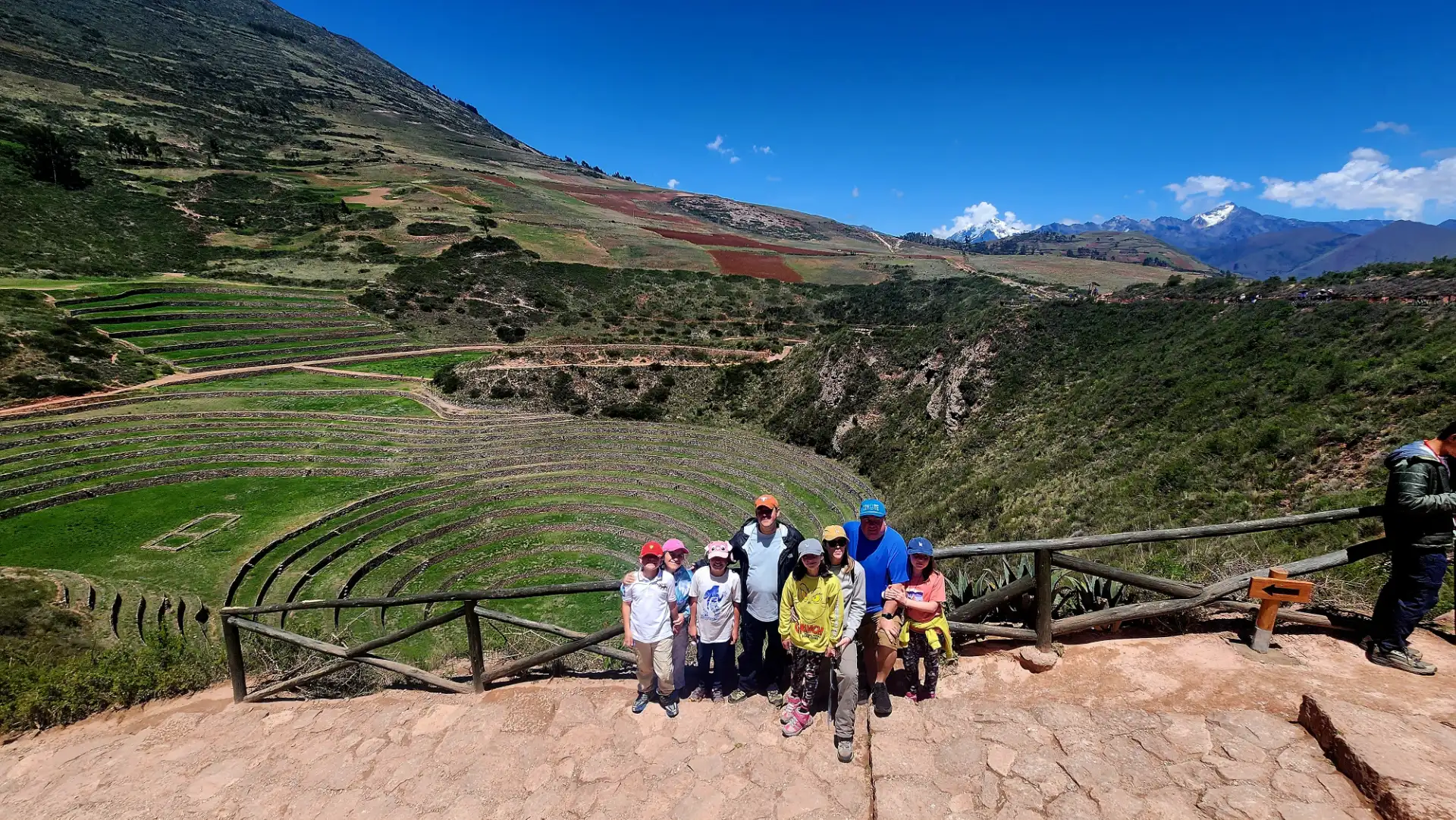
- Lush, green scenery. The Andes are at their most vivid — terraces and valleys glow green.
- Fewer crowds. Machu Picchu and the Sacred Valley are far quieter.
- Lower prices. Flights, hotels and tours are often cheaper.
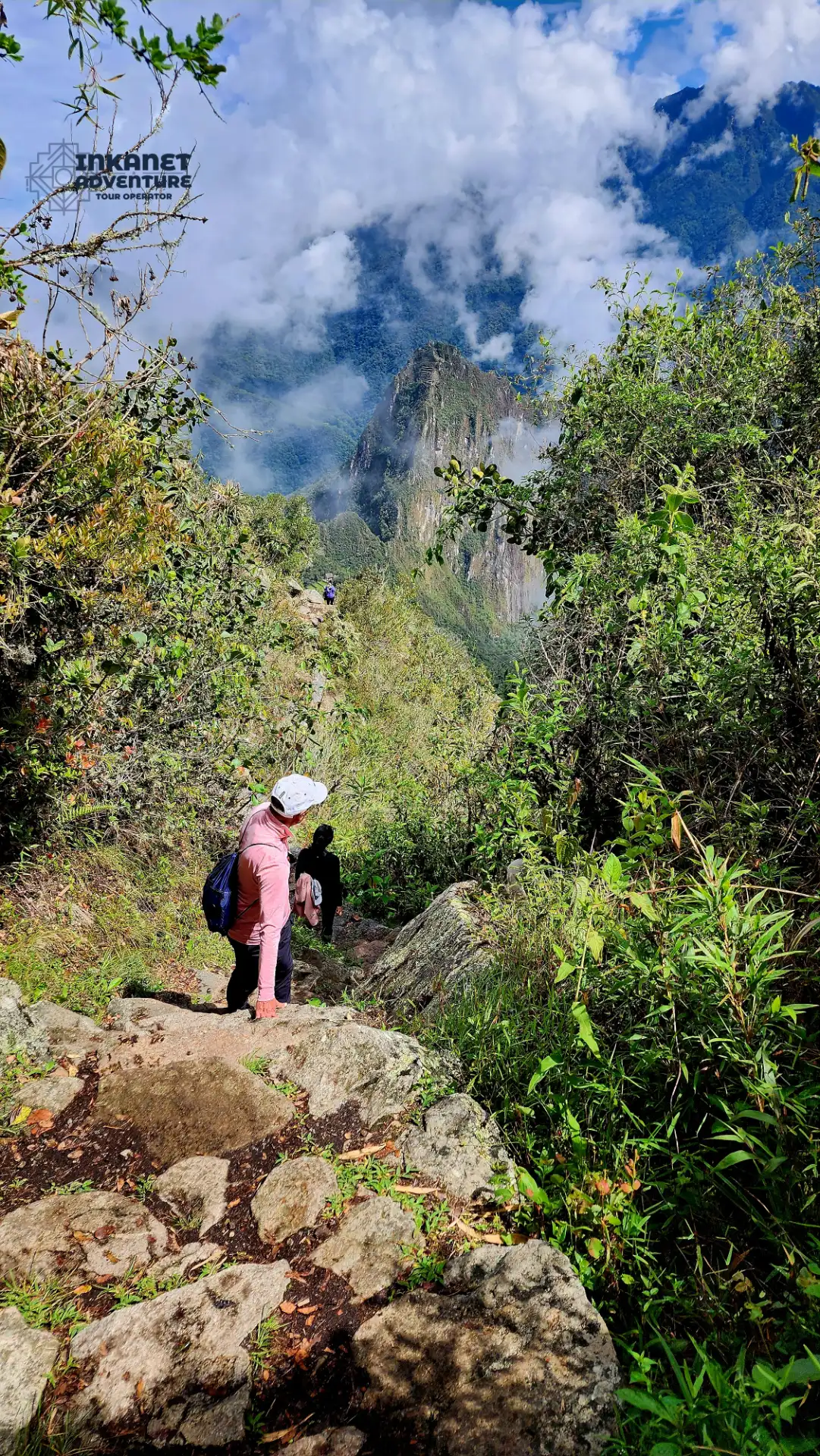
- Dramatic skies. Mist and cloud give Machu Picchu a moody, atmospheric beauty.
The downsides to plan around
Be realistic about the trade-offs. Afternoon rain can interrupt sightseeing, mountain views (including Rainbow Mountain's colours) may be hidden by cloud, and some trails get muddy. Crucially, the Classic Inca Trail closes every February for maintenance — though the train to Machu Picchu and most alternative treks run year-round. See our month-by-month weather guide.
How to plan a rainy-season trip
Schedule your key activities for the morning, when skies are clearest. Keep a flexible buffer day in case weather disrupts a plan. Favour lower, sheltered experiences — the Sacred Valley, Cusco's museums and the city tour — and treat high, exposed day trips as a bonus rather than a guarantee. If the Inca Trail is your goal, avoid February and book an alternative like Salkantay or Lares.
What to pack for the rain
A good waterproof jacket and quick-dry clothing are essential, plus a rain cover or dry bag for electronics, waterproof footwear with grip, and the usual warm layers for cold nights. A compact poncho is handy at Machu Picchu, where umbrellas are awkward. See the full Cusco packing list.
Planning a green-season trip?
We tailor itineraries around the weather so you make the most of every morning.
Frequently asked questions
Yes, for many travellers. You get lush green scenery, far fewer crowds and lower prices. The trade-off is afternoon rain and the chance of clouds over viewpoints, so plan key activities for the morning and keep a flexible day.
No. Mornings are usually clear and bright, with rain typically arriving as afternoon showers or storms. January and February are the wettest months with heavier, more frequent rain.
Yes, Machu Picchu and the train are open year-round. However, the Classic Inca Trail closes every February for maintenance, so choose an alternative trek or the train if visiting then.
A waterproof jacket, quick-dry clothing, waterproof grippy footwear, a dry bag for electronics, a poncho for Machu Picchu, and warm layers for cold nights.